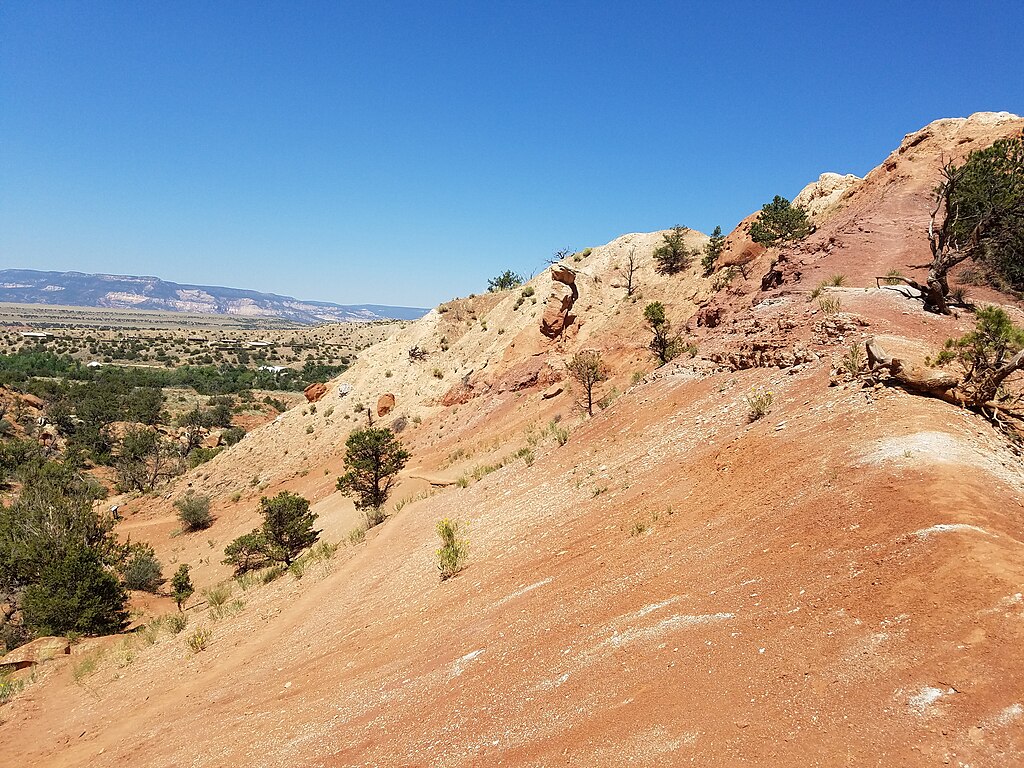
In the red rock badlands of Ghost Ranch, New Mexico, paleontologists unearthed something extraordinary that would shake our understanding of early dinosaur evolution. The fossilized remains they discovered belonged to a creature no bigger than a house cat, yet this tiny animal held secrets that could rewrite the story of how dinosaurs came to dominate the Earth. This wasn’t just another prehistoric lizard or early reptile—it was something far more significant, a missing link that had been hiding in plain sight for over 200 million years.
A Revolutionary Discovery in the Desert

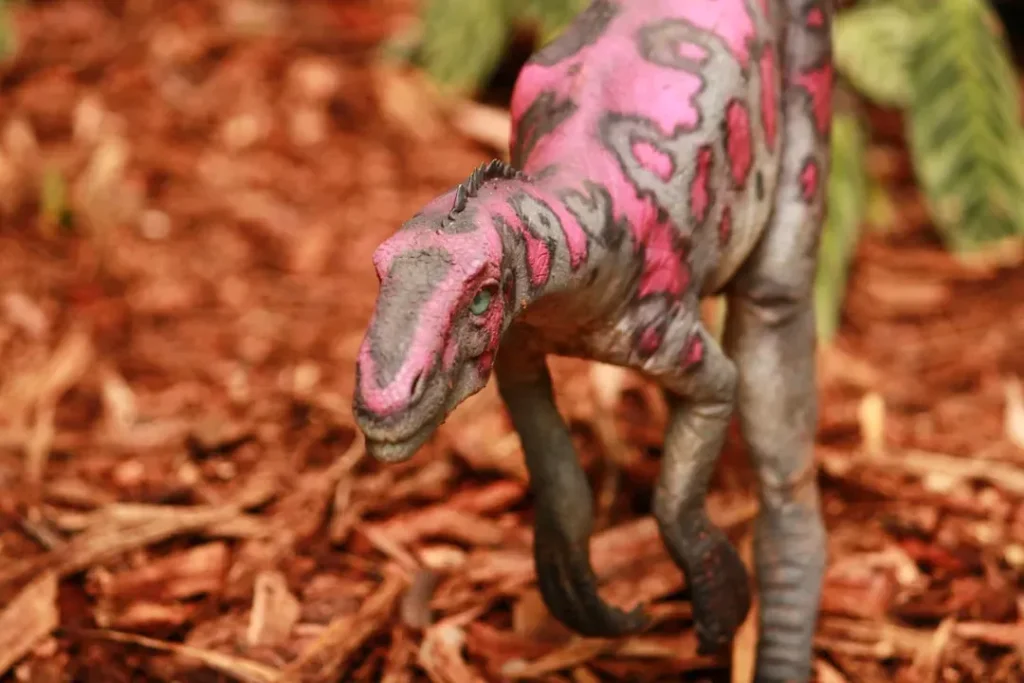
When scientists first examined the delicate bones emerging from the Triassic rocks of Ghost Ranch, they knew they had found something special. The creature they would later name Dromomeron measured only about three feet long, but its significance was massive. This wasn’t a dinosaur in the traditional sense, but rather a dinosauromorph—a member of the larger group that includes dinosaurs and their closest relatives.
The discovery challenged everything paleontologists thought they knew about early dinosaur evolution. For decades, scientists believed that dinosaurs appeared suddenly and quickly dominated their ecosystems. Dromomeron proved this theory wrong by showing that dinosaur relatives were living alongside true dinosaurs for millions of years, creating a much more complex evolutionary picture than anyone had imagined.
Ghost Ranch: A Window Into the Triassic World

Ghost Ranch isn’t just famous for inspiring Georgia O’Keeffe’s paintings—it’s also one of North America’s most important paleontological sites. The exposed rock layers here tell the story of a world that existed 220 million years ago, when the supercontinent Pangaea was just beginning to break apart. The climate was hot and humid, with no polar ice caps and sea levels much higher than today.
The Chinle Formation at Ghost Ranch preserves an incredible snapshot of Late Triassic life. Ancient rivers carved through landscapes dominated by early conifers and ferns, while the first dinosaurs shared their world with massive crocodile-like archosaurs and other bizarre reptiles. It was in this prehistoric paradise that Dromomeron scurried through the undergrowth, hunting insects and small prey.
What makes Ghost Ranch particularly special is the exceptional preservation of its fossils. The fine-grained sediments captured not just bones, but sometimes even soft tissue impressions and coprolites (fossilized droppings) that provide intimate details about how these ancient animals lived and died.
Meet Dromomeron: Anatomy of an Early Runner

The name Dromomeron literally means “running femur,” and this tiny creature was built for speed. Its long, slender leg bones and lightweight build suggest it was an agile runner, perfectly adapted for darting through dense vegetation or escaping from larger predators. The proportions of its limbs are remarkably similar to modern-day roadrunners, hinting at a similar lifestyle of quick bursts of speed.
Dromomeron’s skull was small and delicate, with large eye sockets that suggest excellent vision—crucial for a small animal living in a world full of much larger predators. Its teeth were sharp and pointed, perfect for catching insects, small lizards, and other tiny prey that scurried through the Triassic landscape.
Perhaps most intriguingly, Dromomeron’s hip bones show a mixture of primitive and advanced features. While it retained some characteristics of earlier reptiles, it also displayed key innovations that would later become hallmarks of true dinosaurs, making it a perfect evolutionary stepping stone.
The Evolutionary Significance of Being Small

In the grand narrative of dinosaur evolution, being small was actually a superpower. While massive archosaurs like Desmatosuchus dominated the landscape with their intimidating size and armor, small dinosauromorphs like Dromomeron were quietly perfecting the innovations that would eventually make dinosaurs the rulers of the planet. Their small size allowed them to exploit ecological niches that larger animals couldn’t access.
Think of it like the early days of personal computers competing with massive mainframes. The big machines seemed to have all the advantages, but the smaller, more agile competitors were developing the technologies that would eventually change everything. Dromomeron and its relatives were the personal computers of the Triassic world.
Coexistence: Dinosaurs and Their Relatives Living Together

One of the most shocking revelations from Dromomeron’s discovery was that early dinosaurs didn’t immediately dominate their ecosystems. Instead, they coexisted with their dinosauromorph relatives for millions of years, sometimes in the exact same locations. This coexistence challenges the traditional narrative of rapid dinosaur dominance and suggests a much more gradual evolutionary process.
Fossil evidence from Ghost Ranch shows that true dinosaurs like Coelophysis lived alongside Dromomeron and other dinosauromorphs. This raises fascinating questions about how these closely related animals divided up resources and habitats. Perhaps they hunted different prey, were active at different times of day, or occupied slightly different microhabitats within the same ecosystem.
The discovery also suggests that the eventual dominance of dinosaurs wasn’t inevitable—it was the result of specific environmental pressures and evolutionary innovations that took millions of years to play out.
Hunting Strategies of a Triassic Predator

Dromomeron was a specialized hunter, perfectly adapted for catching small, fast-moving prey in the dense vegetation of Triassic forests. Its sharp, recurved teeth were ideal for gripping slippery insects and small vertebrates, while its long legs and flexible spine allowed it to make quick turns and sudden stops while pursuing prey.
Evidence suggests that Dromomeron was primarily an insectivore, feeding on the abundant beetles, early cockroaches, and other arthropods that thrived in the warm, humid climate of the Late Triassic. However, it likely supplemented its diet with small lizards, early mammals, and even fish when the opportunity arose.
Its hunting style was probably similar to modern secretary birds or roadrunners—using speed and agility to run down prey rather than relying on ambush tactics. This active hunting strategy may have given dinosauromorphs a crucial advantage over their more sedentary reptilian contemporaries.
The Mystery of Dinosauromorph Diversity

Dromomeron wasn’t alone in its world—paleontologists have discovered evidence of several other dinosauromorph species from the same time period, each with its own unique adaptations and ecological niche. This diversity suggests that the group was incredibly successful, perhaps even more so than early dinosaurs themselves.
Some dinosauromorphs developed longer necks for reaching high vegetation, while others became more robust and terrestrial. A few even showed early adaptations for climbing, taking advantage of the tall conifer forests that dominated Triassic landscapes. This explosive diversification parallels what we see in many successful animal groups today.
The question that haunts paleontologists is why, despite their early success and diversity, most dinosauromorphs eventually went extinct while dinosaurs survived and thrived. Was it simply bad luck, or did dinosaurs possess some crucial advantage that their relatives lacked?
Advanced Locomotion in a Primitive Package

What made Dromomeron truly remarkable was its locomotion system, which represented a significant advance over earlier reptiles while still maintaining some primitive characteristics. The creature’s hip structure shows early developments toward the fully upright stance that would later characterize all dinosaurs, allowing for more efficient movement and potentially higher sustained speeds.
Analysis of Dromomeron’s limb bones reveals adaptations for cursorial (running) locomotion that were surprisingly advanced for such an early dinosauromorph. The fusion patterns in its ankle bones, the length ratios of its leg segments, and the structure of its feet all point to an animal that spent most of its time moving quickly across open ground.
This advanced locomotion system may have been one of the key innovations that eventually led to dinosaur success. By perfecting efficient, energy-saving movement patterns, dinosauromorphs like Dromomeron were laying the groundwork for the incredible diversity of locomotion styles we see in later dinosaurs.
Environmental Clues from Ancient Sediments

The rocks that preserved Dromomeron also tell us incredible details about the environment it inhabited. Paleosol analysis reveals that the climate was significantly warmer and more humid than today, with atmospheric CO2 levels potentially four to six times higher than modern levels. This greenhouse world supported lush vegetation and complex ecosystems that provided abundant opportunities for small predators.
Sediment analysis shows evidence of seasonal flooding, suggesting that Dromomeron lived in a landscape dominated by meandering rivers and temporary wetlands. These dynamic environments would have created a mosaic of different habitats, from dense riparian forests to more open floodplains, each supporting different communities of plants and animals.
The preservation of multiple Dromomeron specimens in the same geological formation suggests that these animals were relatively common in their ecosystem, perhaps living in small groups or having overlapping territories along riverbanks and forest edges.
Comparative Analysis with Other Early Dinosauromorphs

When compared to other early dinosauromorphs from around the world, Dromomeron reveals fascinating patterns of convergent evolution and regional adaptation. Similar small, cursorial dinosauromorphs have been found in Argentina, Brazil, and other parts of North America, suggesting that this body plan was particularly successful during the Late Triassic period.
However, each species shows unique adaptations to its local environment. While Dromomeron developed particularly long legs for running across the relatively open landscapes of the southwestern United States, its South American relatives often show adaptations for climbing or living in denser forest environments.
These comparisons help paleontologists understand how early dinosauromorphs radiated into different ecological niches and how environmental pressures shaped their evolution in different parts of the world. The global distribution of similar forms also provides evidence for the cosmopolitan nature of Late Triassic ecosystems.
The Technology Behind the Discovery
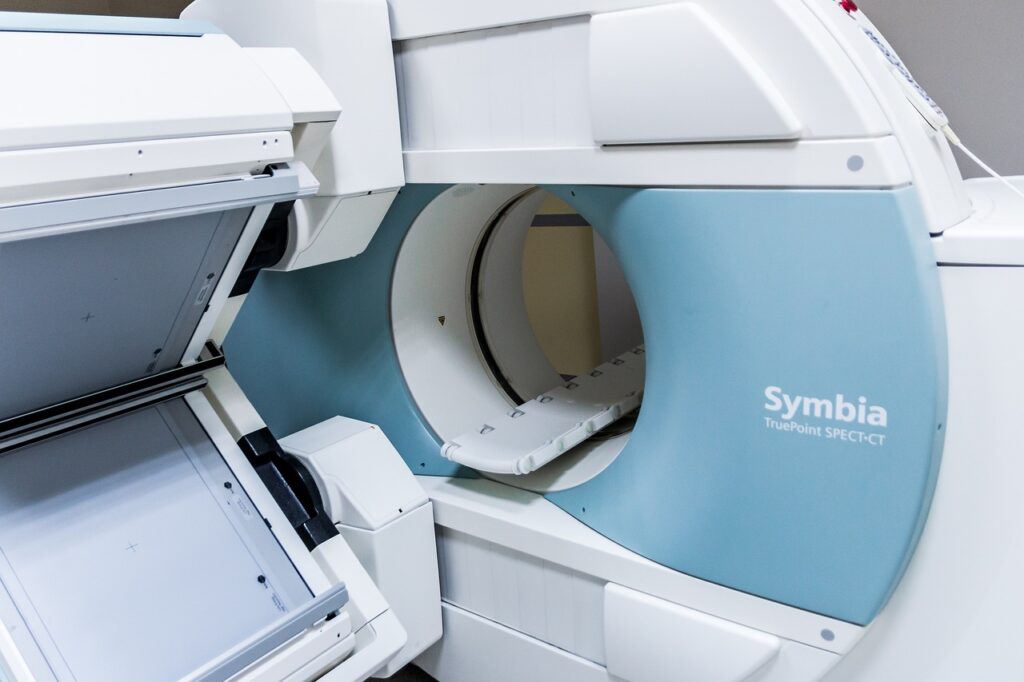
The discovery and study of Dromomeron wouldn’t have been possible without cutting-edge paleontological techniques that have revolutionized our understanding of ancient life. High-resolution CT scanning allowed scientists to examine the internal structure of bones without damaging precious fossils, revealing details about growth patterns, bone density, and even vascular systems.
Synchrotron radiation imaging provided even more detailed views of bone microstructure, helping researchers understand how quickly Dromomeron grew and what its metabolism might have been like. These techniques showed that despite its small size, Dromomeron had a relatively fast growth rate, suggesting an active lifestyle and possibly even some degree of metabolic sophistication.
Chemical analysis of the fossilized bones provided information about diet and habitat preferences, while isotope studies helped reconstruct the ancient climate and ecosystem in which Dromomeron lived. This multi-disciplinary approach has transformed a few fragmentary bones into a detailed portrait of an ancient animal and its world.
Implications for Understanding Dinosaur Origins

The discovery of Dromomeron has fundamentally changed how paleontologists think about dinosaur origins and early evolution. Rather than a sudden appearance and rapid dominance, the dinosaur origin story now appears to be one of gradual evolutionary experimentation over tens of millions of years, with multiple lineages exploring different solutions to the challenges of Triassic life.
This more complex evolutionary narrative helps explain some of the puzzling gaps in the dinosaur fossil record and provides context for understanding why dinosaurs eventually became so successful. The innovations perfected by dinosauromorphs like Dromomeron—efficient locomotion, active hunting strategies, and metabolic sophistication—laid the foundation for later dinosaur success.
The coexistence of dinosaurs and dinosauromorphs also suggests that ecosystem dynamics played a crucial role in shaping early dinosaur evolution. Competition, predation pressure, and environmental changes all contributed to the evolutionary processes that eventually led to the age of dinosaurs.
Modern Research and Future Discoveries

Research on Dromomeron and other early dinosauromorphs continues to yield new insights as technology advances and more fossils are discovered. Recent expeditions to Ghost Ranch and similar sites have uncovered additional specimens that are helping paleontologists understand the full range of variation within dinosauromorph populations and their ecological relationships with other Triassic animals.
Molecular clock studies, combined with improved fossil dating techniques, are providing more precise timelines for dinosauromorph evolution and helping researchers understand the tempo and mode of early dinosaur diversification. These studies suggest that the dinosauromorph lineage may be even older than previously thought, with roots extending deep into the Middle Triassic.
Future discoveries will likely continue to refine our understanding of this crucial period in vertebrate evolution. With new fossil sites being discovered regularly and analytical techniques becoming ever more sophisticated, the story of Dromomeron and its relatives is far from complete.
Conservation of Paleontological Sites

The preservation of sites like Ghost Ranch is crucial for continued paleontological research and public education. These geological treasures face threats from development, erosion, and illegal fossil collecting, making conservation efforts essential for protecting our paleontological heritage. Ghost Ranch’s designation as a protected area helps ensure that future generations of scientists will be able to study these important fossil deposits.
Educational programs at Ghost Ranch and similar sites help connect the public with paleontological research, inspiring new generations of scientists and fostering appreciation for deep time and evolutionary processes. The story of Dromomeron serves as a perfect example of how small fossils can have enormous scientific impact.
Ongoing monitoring and research at these sites also helps scientists understand how climate change and other environmental factors might affect fossil preservation and discovery. This knowledge is increasingly important as we face rapid environmental changes that could impact paleontological sites worldwide.
The tiny bones of Dromomeron have opened an enormous window into one of the most important transitions in the history of life on Earth. This small creature, scurrying through Triassic forests 220 million years ago, was part of an evolutionary experiment that would ultimately give rise to some of the most magnificent animals ever to walk the planet. Its discovery reminds us that evolution rarely follows the straight, simple paths we might expect, but instead weaves complex stories of coexistence, competition, and gradual change that play out over millions of years. What other evolutionary secrets might be waiting in the red rocks of New Mexico?