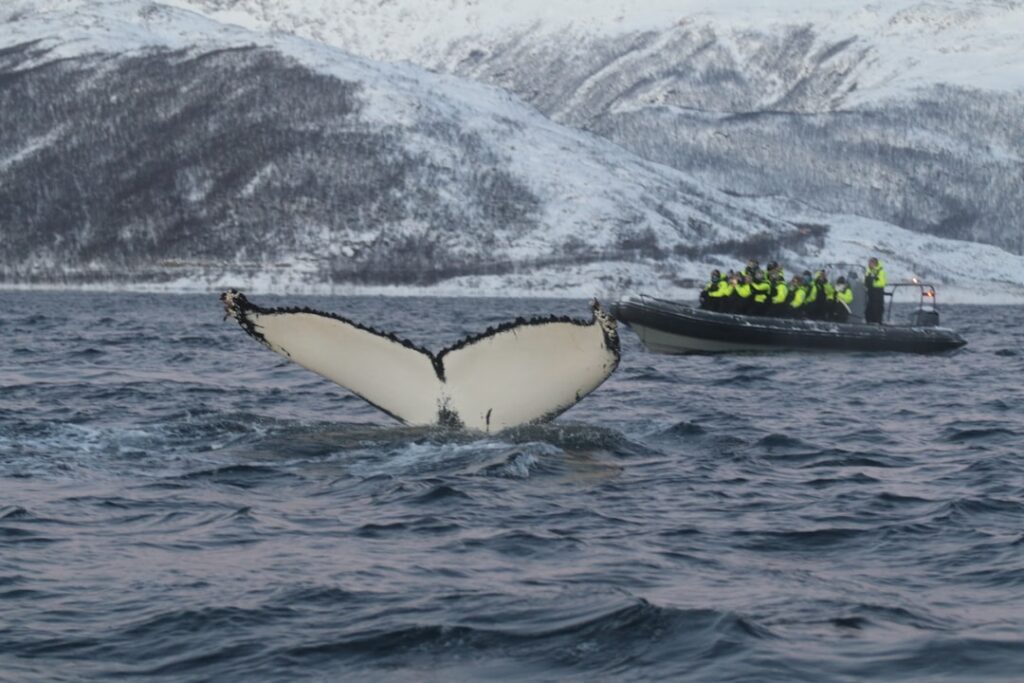
Arctic – Scientists have identified a potentially deadly virus in whales for the first time north of the Arctic Circle, raising alarms about emerging health risks in remote marine environments.
A Breakthrough in Whale Health Monitoring

A Breakthrough in Whale Health Monitoring (Image Credits: Unsplash)
Researchers achieved a groundbreaking feat by using drones to capture breath samples from live humpback and other whales in the Arctic, detecting genetic traces of a virus known to cause severe respiratory and neurological issues. This non-invasive method marked the initial confirmation of the pathogen in northern waters, where such diseases had not been documented before. The team flew drones equipped with petri dishes over surfacing whales, collecting exhaled moisture that revealed the viral presence. Traditional sampling often requires harpooning or biopsy darts, which can stress the animals, but this aerial approach minimized disturbance while providing valuable data.
The discovery stemmed from expeditions in late 2025, where scientists targeted migrating humpbacks in icy fjords. Initial lab analysis confirmed the virus’s DNA, prompting further investigation into its spread. Experts noted that the technique could revolutionize monitoring of endangered species in hard-to-reach areas. As climate patterns shift, understanding these health threats becomes crucial for conservation efforts.
Understanding the Virus and Its Dangers
The virus in question belongs to a family that has triggered mass die-offs among marine mammals in warmer southern oceans, damaging immune systems and leading to fatal infections. In the Arctic, its arrival signals a new vulnerability for populations already strained by habitat loss and pollution. Symptoms include labored breathing, skin lesions, and behavioral changes, which can weaken whales during long migrations. While not yet linked to widespread mortality in the north, historical outbreaks elsewhere have decimated pods, underscoring the urgency of early detection.
Genetic sequencing showed the Arctic strain closely matched variants from Pacific whales, suggesting transmission through shared feeding grounds. Researchers emphasized that the virus thrives in stressed environments, potentially exacerbated by warming seas. Monitoring continues to track prevalence, with samples from multiple species analyzed for co-infections. This finding highlights how pathogens can hitch rides on ocean currents or via animal movements.
Climate Change’s Role in Disease Spread
Melting sea ice has expanded migration routes, allowing sub-Arctic species to venture north and introduce unfamiliar diseases to isolated Arctic ecosystems. Warmer waters may also favor viral survival and replication, creating ideal conditions for outbreaks. Scientists observed increased interactions between humpbacks and other cetaceans in these altered pathways, facilitating pathogen exchange. The Wildlife Society reported the detection on January 12, 2026, linking it to broader environmental shifts.
Efforts to mitigate risks include international collaborations for ongoing surveillance. Drones proved effective in capturing data from over a dozen whales during field tests, with plans to scale up in 2026. Conservationists urge reduced shipping traffic in key areas to limit further disruptions. As Arctic biodiversity hangs in the balance, proactive measures could prevent cascading effects on food webs.
Implications for Global Marine Conservation
The virus’s northward push serves as a warning for interconnected ocean health, where threats in one region ripple globally. Whales play vital roles in nutrient cycling and carbon sequestration, so their decline could impact fisheries and coastal communities. International bodies are now discussing enhanced protocols for disease tracking in polar seas. For more details on the study, see the BBC report from December 2025.
Advocates call for integrating health monitoring into climate policies, emphasizing prevention over reaction. Field teams prepare for seasonal surveys to assess infection rates. This detection underscores the need for adaptive strategies in a changing world.
Key Takeaways
- Drones enabled the first non-invasive detection of the virus in Arctic whale breath.
- The pathogen has caused mass die-offs in other regions, targeting respiratory and nervous systems.
- Climate-driven migration routes likely facilitated the virus’s spread to northern waters.
As Arctic whales face mounting pressures, this discovery calls for swift action to safeguard these majestic creatures and the ecosystems they sustain. What steps should we prioritize to protect marine life from emerging threats? Share your thoughts in the comments.