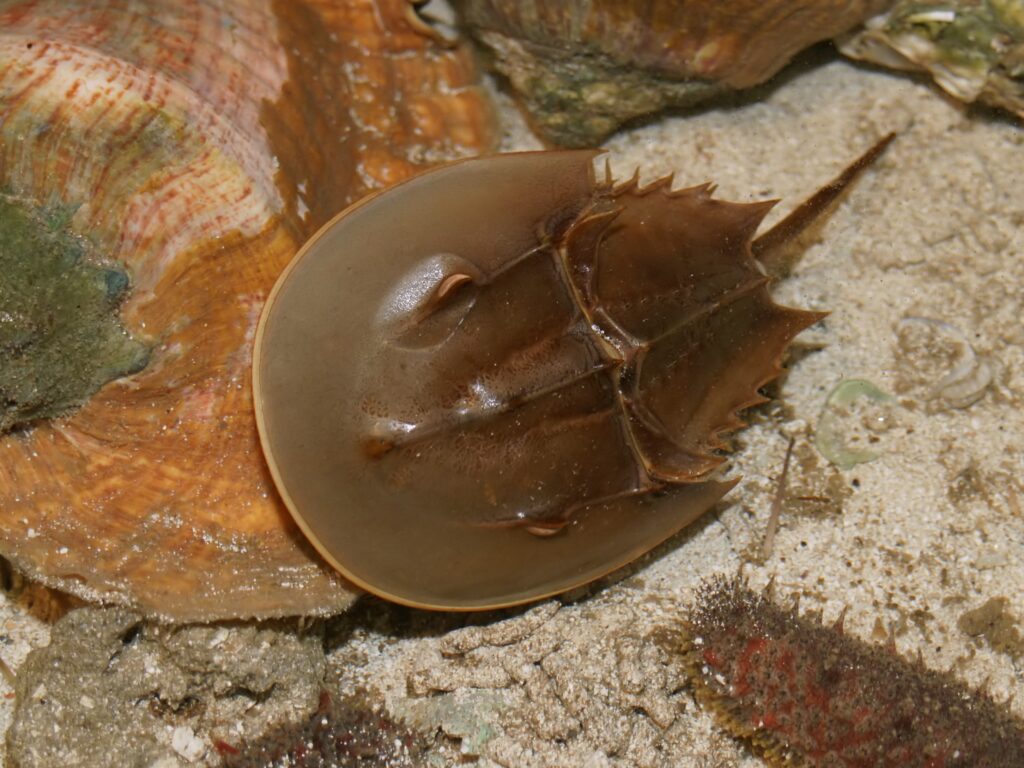
Horseshoe crabs have endured on Earth for more than 450 million years, outlasting countless environmental upheavals long before dinosaurs appeared. These ancient mariners now face a modern threat from their unique blue blood, harvested extensively for pharmaceutical safety testing. Major drug companies have begun transitioning to synthetic alternatives, offering potential relief for declining populations along the U.S. Atlantic coast.
A Million Crabs Bled Annually for Drug Safety
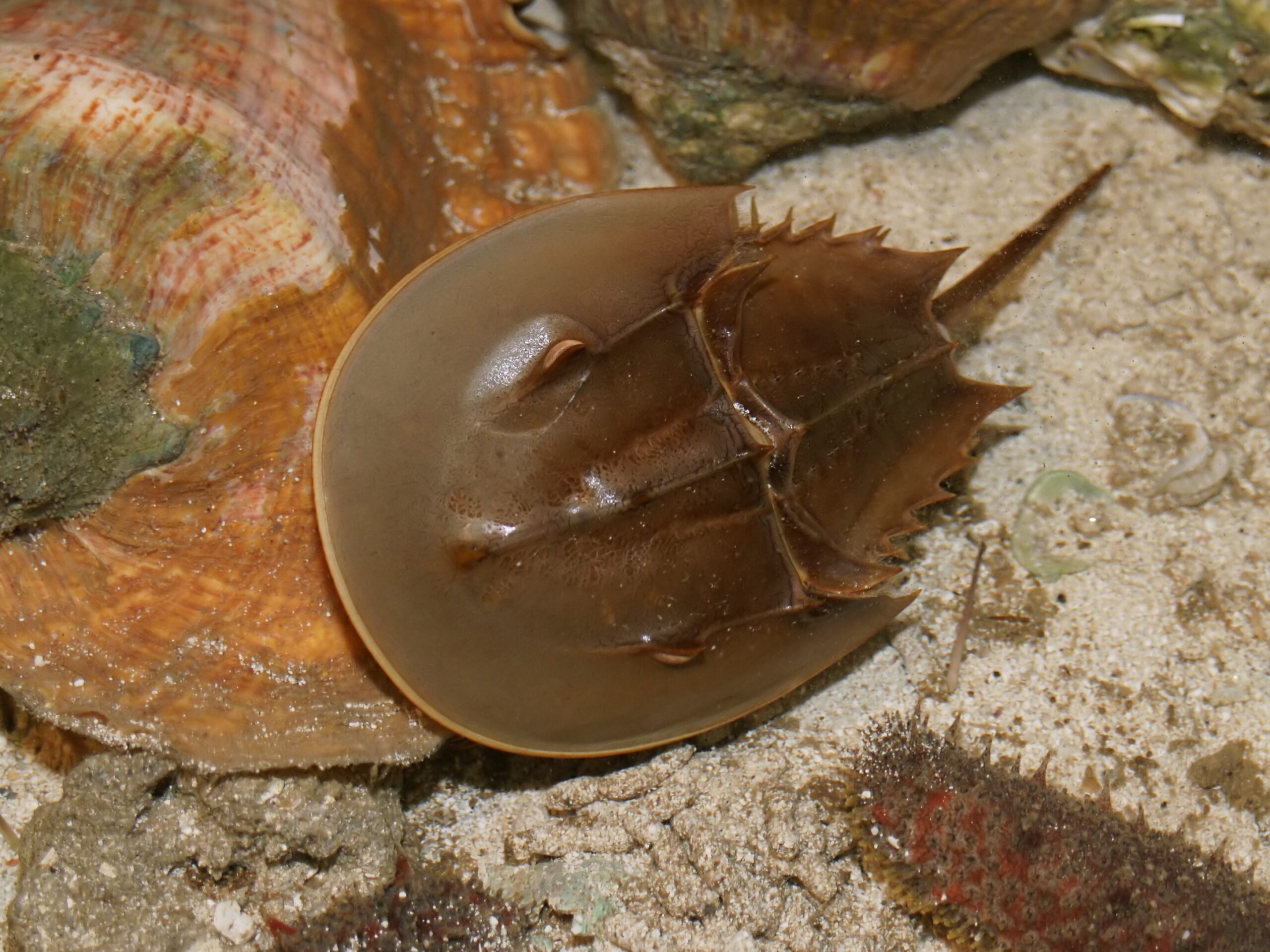
A Million Crabs Bled Annually for Drug Safety (Image Credits: Upload.wikimedia.org)
Pharmaceutical manufacturers have relied on horseshoe crab blood for decades to produce Limulus Amebocyte Lysate, or LAL, a reagent that detects deadly bacterial endotoxins in vaccines, injectables, and medical devices. Workers collect the crabs during spawning season, drain up to 30% of their blood, and release them back into the sea. This process claimed the lives of an estimated 184,000 crabs in 2024 alone, with overall harvesting surpassing 1 million individuals that year.
The demand surged during the COVID-19 pandemic as vaccine production ramped up, pushing biomedical harvests above those for fishing bait. Conservationists long argued that synthetic options, available since the 1990s, perform equivalently without harming wildlife. Recent regulatory approvals have finally accelerated industry adoption of these lab-made substitutes.
Population Crashes Spark Urgent Calls for Protection
Horseshoe crab numbers have plummeted by more than 70% in recent decades across their U.S. range from Maine to Louisiana. Delaware Bay, once a key spawning ground, saw its population drop by two-thirds since the 1990s. Overharvesting for blood and bait, combined with habitat loss from coastal development and rising seas, drives the decline.
These crabs underpin coastal ecosystems, providing eggs for shorebirds like the threatened rufa red knot, whose populations hover at a quarter of 1990s levels. Environmental groups filed a petition in 2024 seeking Endangered Species Act listing, followed by a January 2026 lawsuit against federal agencies for missing deadlines. While the U.S. Fish and Wildlife Service issued a 90-day finding against listing in February 2026, pressure mounts for stronger safeguards.
States are responding too. New York Governor Kathy Hochul signed the Horseshoe Crab Protection Act in December 2025, phasing out harvests in state waters by 2029 and sparing 150,000 crabs yearly. Massachusetts considers similar bait bans.
Pharma Pioneers Embrace Recombinant Alternatives
Eli Lilly leads the charge, converting 80% of its global endotoxin testing to synthetics like recombinant Factor C (rFC) and recombinant Cascade Reagent (rCR). The company secured FDA approval for its first rFC-based product in 2018 and now uses them across 11 manufacturing sites.
GSK has positioned itself as an industry frontrunner, while Amgen, Bristol Myers Squibb, AstraZeneca, and Abbott Laboratories advance transitions. Amgen implemented “Sparing Technology” to cut LAL use by 95% and plans full rCR validation in 2025, pending U.S. Pharmacopeia guidelines. Abbott announced its shift in early 2026 alongside Amgen.
- Eli Lilly: 80% synthetic adoption worldwide.
- GSK: Industry leader in full transition efforts.
- Amgen: rCR implementation underway, progress reports ongoing.
- Bristol Myers Squibb and AstraZeneca: High ratings in scorecards.
- Abbott: Recent commitment to phase out crab blood.
Scorecards from the Center for Biological Diversity and Revive & Restore track the world’s 50 largest firms, rewarding those with clear transition plans. Nine companies actively use synthetics, signaling a broader pivot.
Regulatory Momentum Fuels Lasting Change
The U.S. Pharmacopeia updated its guidelines in November 2024 and May 2025, deeming rFC and rCR equivalent to LAL for endotoxin detection. Congress directed the FDA in late 2025 to revise its guidance within a year, including training on synthetics. Europe and Asia already embraced these alternatives widely.
“These companies are proving that using synthetics instead of horseshoe crabs’ blood is a smart and strategic business decision,” stated Will Harlan, a senior scientist at the Center for Biological Diversity. The move enhances supply chain reliability amid rising demand for drugs like weight-loss treatments.
Key Takeaways
- Synthetics match LAL performance while sparing up to 1 million crabs yearly.
- Leaders like Lilly and GSK demonstrate scalable transitions.
- Regulatory approvals and state laws pave the way for ecosystem recovery.
This convergence of innovation and policy could stabilize horseshoe crab populations and safeguard dependent wildlife for generations. As more firms follow suit, the industry balances patient safety with environmental stewardship. What steps should regulators take next to protect these living fossils? Share your thoughts in the comments.