Netherlands – A prominent German energy giant faces scrutiny from Dutch authorities over allegations that it misrepresented the source of wood pellets used in its power plants, fueling calls for stricter oversight of biomass energy subsidies.
Billions in Subsidies Fuel Biomass Backlash
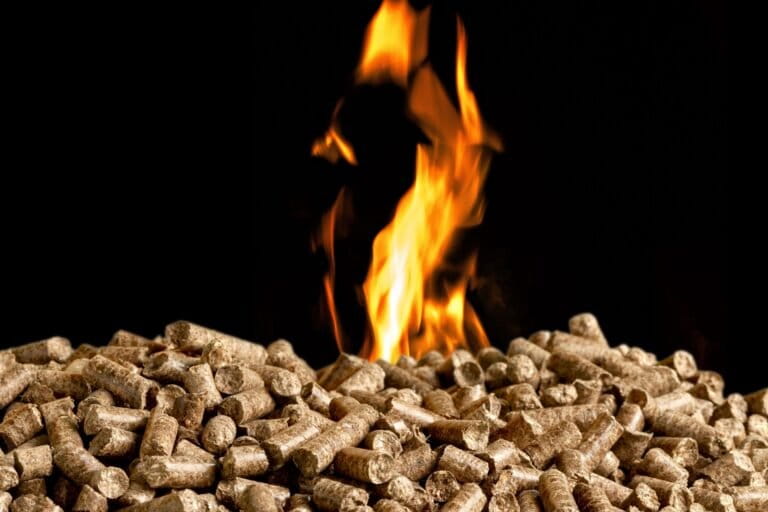
Billions in Subsidies Fuel Biomass Backlash (Image Credits: Imgs.mongabay.com)
Energy firms across Europe have reaped billions in government support by transitioning from coal to wood pellets, touted as a bridge to cleaner power. RWE, a major player in the Dutch market, reportedly secured around 2.4 billion euros in subsidies through 2027 for its biomass operations.
Forest advocacy groups, including the Netherlands-based Comite Schone Lucht and the U.K.’s Biofuelwatch, escalated their campaign last year by filing complaints against the company. They claim RWE violated certification rules by labeling pellets from whole trees as mere sawmill waste. The Dutch Public Prosecution Service now weighs a formal investigation, with a decision expected by month’s end. This move marks a rare criminal angle in the long-simmering biomass debate. Fenna Swart, head of Comite Schone Lucht, noted that officials view the matter with gravity due to its policy ramifications.
Malaysian Pellets at the Center of Allegations
RWE imported nearly 200,000 tons of wood pellets from Malaysia in 2024, directing most to a plant 130 kilometers from Amsterdam that now runs solely on biomass after ditching coal. The company insists all imports fall under Category 5, meaning residues only, exempt from rigorous checks.
Critics argue this classification hides deforestation risks, as Malaysia lacks sufficient sawmill waste to supply such volumes annually. Biofuelwatch researcher Almuth Ernsting highlighted the absence of on-site verifications in the process. RWE maintains full compliance, citing checks by the Dutch emissions authority. Yet, even Climate Minister Sophie Hermans flagged self-declarations in the system as unreliable, urging future reforms.
Cracks in Europe’s Certification Framework
The Green Gold Label scheme, accepted in the Netherlands despite lacking full EU approval, relies on importer self-certification without factory visits. Advocates call it a loophole that undermines sustainability claims. Independent studies reveal certifications often skip fieldwork, favoring models over reality.
- Biomass plants emit 150% more CO2 than coal per energy unit.
- Regrowth to offset emissions could take a century.
- Wood fuels 60% of EU renewables, dwarfing wind and solar.
- Netherlands ranks high in pellet consumption volume.
Such flaws prompted prior wins, like the 2025 cancellation of Vattenfall’s massive biomass project amid advocacy pressure and subsidy cuts.
| Fuel Type | CO2 Emissions per Unit Energy |
|---|---|
| Coal | 100% |
| Biomass | 150% |
| Natural Gas | 50-65% |
Implications for EU Climate Strategy
Wood biomass surged post-Kyoto Protocol, classified as carbon-neutral despite higher upfront emissions. Policymakers defend it as essential for coal phaseouts by 2030. NRDC’s Matt Williams warned that even flawless certification fails on climate timelines: “You would never be able to burn forest biomass in a way that produces a meaningful climate benefit over a meaningful or useful time frame.”
RWE countered that regrowth balances combustion over time. Dutch regulators dismissed initial complaints but acknowledged systemic gaps. A court appeal in The Hague and potential probe could reshape subsidy flows and import rules continent-wide.
- Category 5 exemptions enable unverified imports, per advocates.
- Prosecution decision looms, possibly by late March.
- Biomass dominates EU renewables but trails on emissions science.
As Dutch authorities deliberate, the case underscores tensions between rapid decarbonization and forest protection. A guilty finding could halt subsidies and tighten certifications, signaling shifts across Europe. What steps should governments take next to align energy policy with true sustainability? Share your views in the comments.