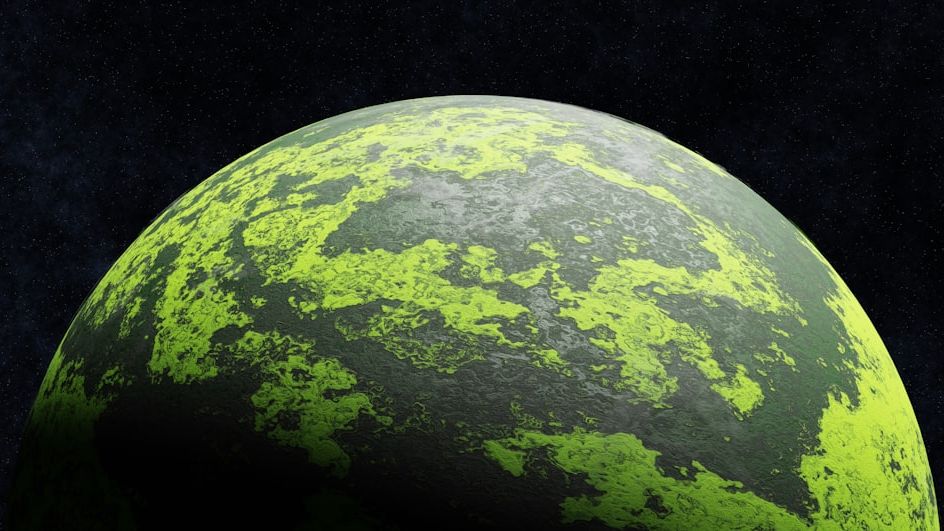
If you could step into a time machine and spin the clock back four billion years, you’d barely recognize the place you now call home. The sky would look different, the air would be toxic to you, and the land as you know it might not even exist yet. Yet, from that alien world, countless humble organisms quietly reshaped the planet, piece by piece, until it became a place where you could breathe, walk, and think about the deep past.
What makes it even wilder is that many of these ancient architects were small, simple, and easy to overlook. You’re used to giving credit to mountains, oceans, and volcanoes for sculpting Earth, but life itself has been just as powerful a force. As you follow the story of these early microbes, strange creatures, and evolutionary experiments, you start to see Earth as a construction site – and life as the crew that never stopped building.
When the Sky Was Poison: Microbes That Made Your Air
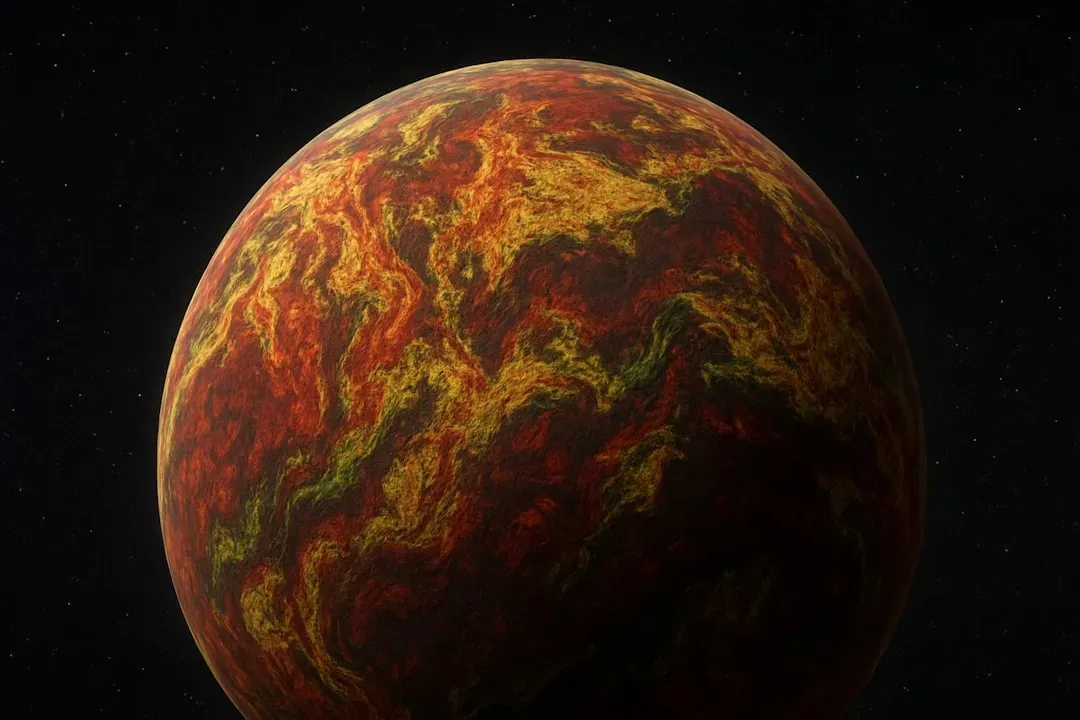
You live in a world where breathing is effortless, so it’s easy to forget that for most of Earth’s history, your lungs would’ve been useless here. Early Earth’s atmosphere was rich in gases like methane and carbon dioxide, but had almost no oxygen. Then tiny architects – photosynthetic bacteria, especially cyanobacteria – began using sunlight to split water and release oxygen as a waste product. What felt like trash to them slowly became your lifeline.
As these microbes spread through ancient oceans, the oxygen they released started to react with dissolved iron, forming rusty minerals that settled on the seafloor. Over time, that process built enormous layers of iron-rich rock that you still mine today. You can literally hold the fingerprints of those microbes in your hand in the form of banded iron formations, and every breath you take is a quiet echo of their work.
The Great Oxygen Shock: Life’s First Global Crisis
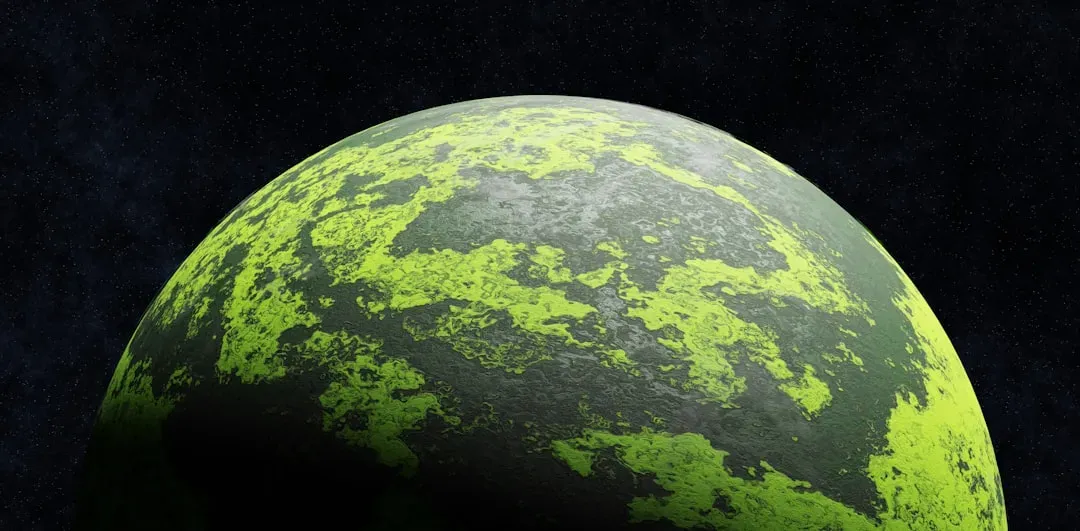
Here’s the twist: the oxygen you depend on was once a global disaster. As oxygen levels rose roughly a couple billion years ago, it poisoned many of the life-forms that had evolved to thrive without it. Entire microbial communities were wiped out or forced into hidden environments like deep sediments or oxygen-poor pockets underwater. What feels like a miracle to you was, for them, a brutal mass extinction.
Yet that same catastrophe opened up new doors. Oxygen allowed more efficient ways to extract energy from food, which eventually made complex, multicellular life possible. The chemistry of the oceans changed, minerals on land diversified, and the atmosphere began to resemble something closer to what you know today. You’re living in the long aftershocks of that ancient oxygen revolution, a planetary plot twist triggered by invisible builders.
Snowball Earth: When Life Helped Freeze the Planet
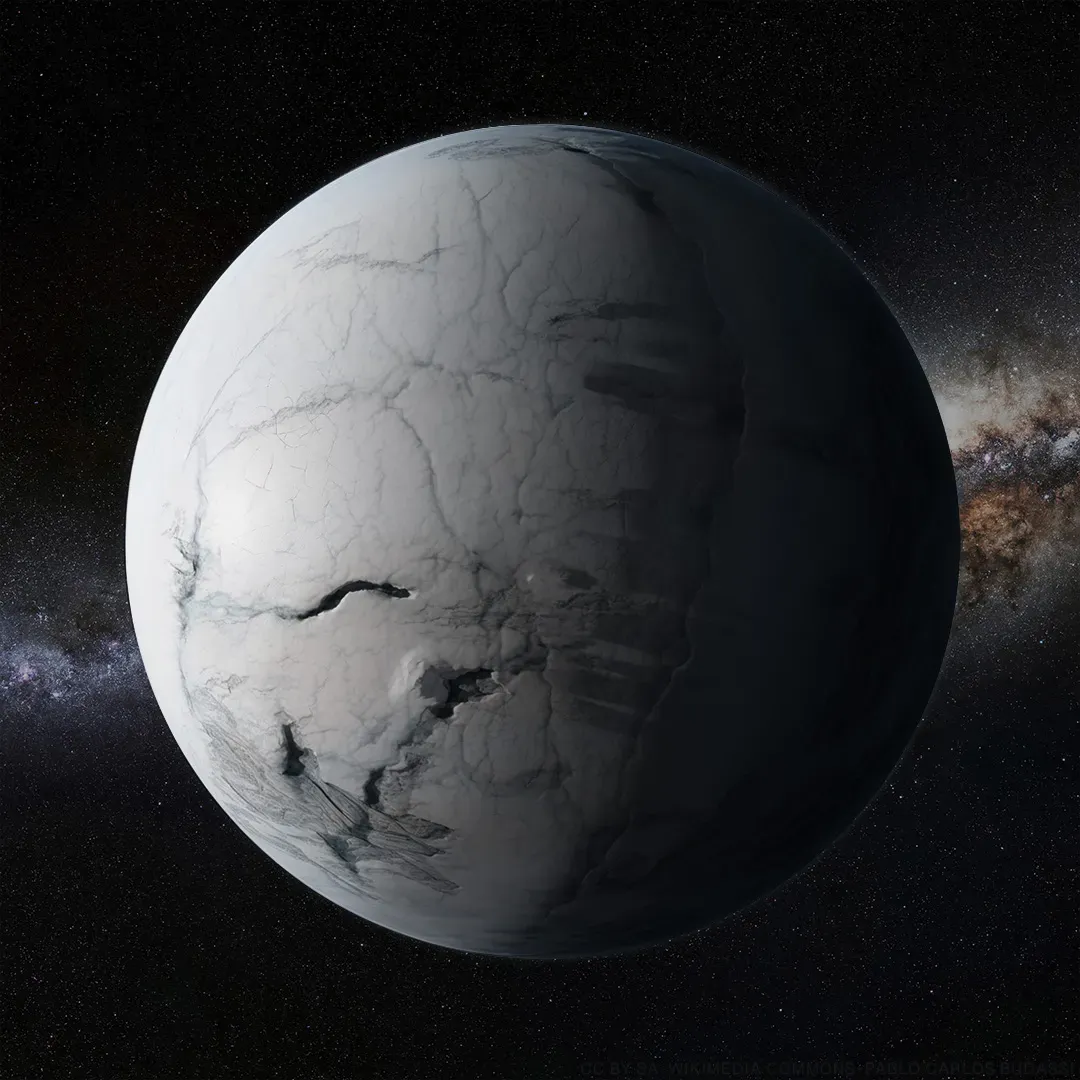
Imagine looking at Earth from space and seeing almost nothing but white: ice stretching nearly from pole to pole. At least a couple of times in the distant past, you would have seen something close to that – a “Snowball Earth” or at least a planet with ice reaching far into the tropics. One big reason this could happen is that photosynthetic life was pulling huge amounts of carbon dioxide out of the atmosphere, weakening the greenhouse effect that normally keeps Earth warm.
As life drew down carbon dioxide and weathering of rocks on land locked even more of it away, the planet lost some of its thermal blanket. Once ice started spreading, it reflected more sunlight, cooling things further in a vicious cycle. In a strange way, life accidentally helped slam Earth into a deep freeze, then had to survive its own climatic consequences tucked under ice sheets and in tiny habitable refuges.
Volcanic Comeback: How Life and Fire Reheated the World
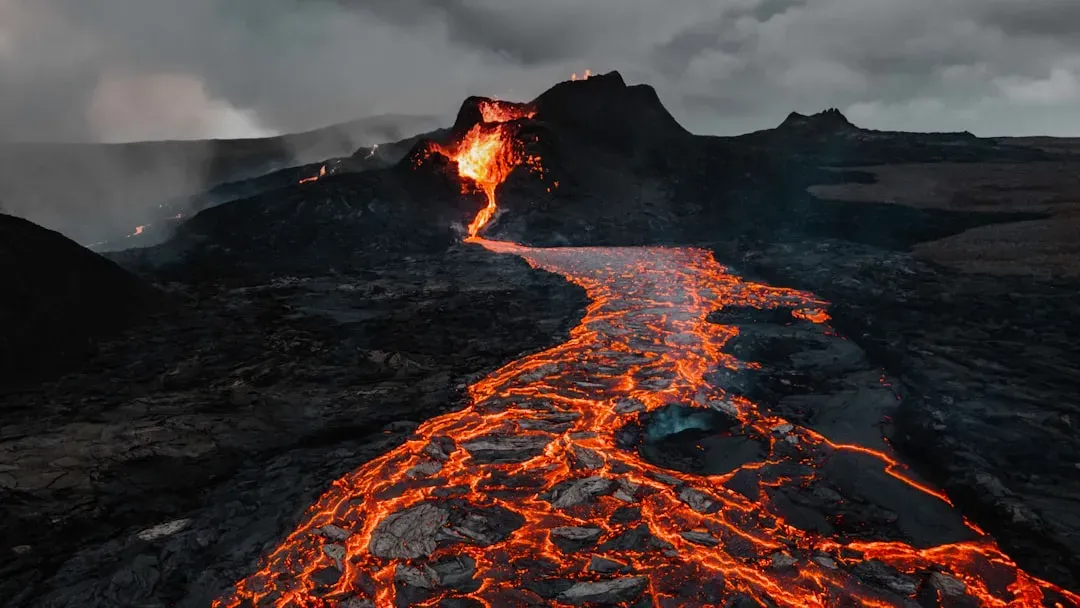
You might think a frozen planet would be the end of the story, but Earth is stubborn. Over millions of years, volcanoes kept belching out carbon dioxide, and with so much of the surface locked in ice, that gas had nowhere to go. Slowly, the atmosphere thickened with heat-trapping gases again. Eventually, the buildup became strong enough to tip Earth back into a greenhouse phase and melt the global ice grip.
When the ice finally retreated, nutrient-rich meltwater poured into the oceans, and sunlight flooded back onto open seas. That combination may have set the stage for a burst of evolutionary creativity, including the rise of more complex life-forms. You can see this as a kind of planetary reset: life pulled the planet one way, geology pulled it back, and together they carved out new ecological opportunities that still echo through ecosystems you see now.
The Cambrian Explosion: When Evolution Hit the Gas Pedal
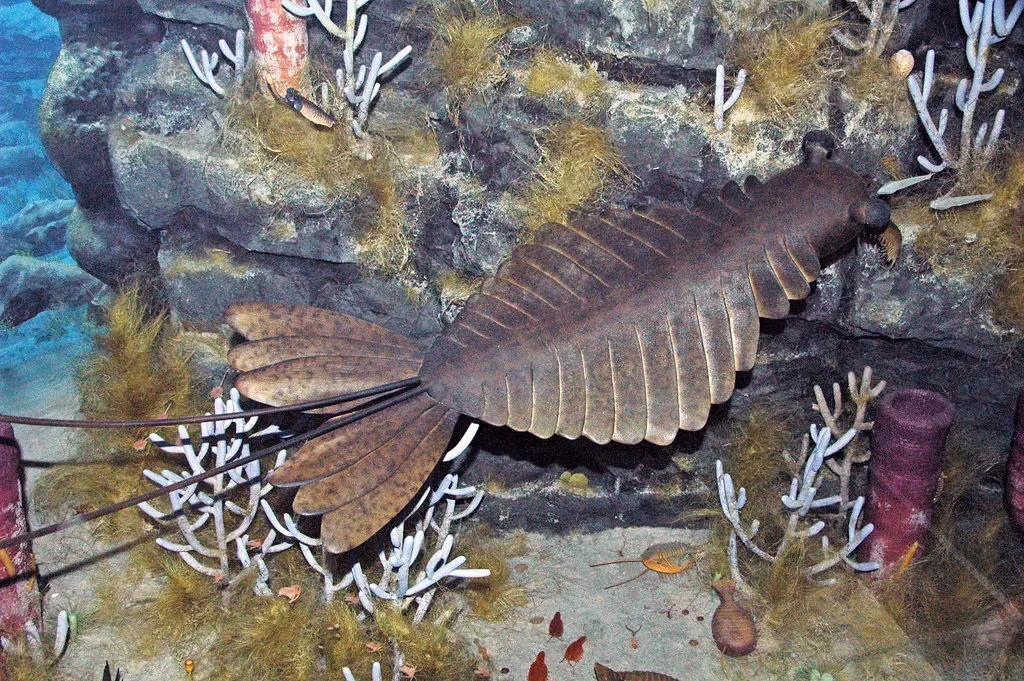
If you could dive into Earth’s oceans about half a billion years ago, you’d feel like you’d stumbled into an alien documentary. During the Cambrian period, the diversity and complexity of animals exploded over a relatively short stretch of geological time. Suddenly you see creatures with hard shells, jointed legs, teeth, eyes on stalks – features that would feel strangely familiar even though the species themselves look bizarre to you.
These new body plans didn’t just spice up the food web; they transformed the physical environment. Burrowing animals churned up seafloor sediments like living plows, mixing oxygen deeper into the mud and changing how nutrients cycled. Predators and prey locked into evolutionary arms races, driving innovation in mobility, armor, and sensory systems. You can think of the Cambrian seas as a technological revolution in body design, one that set blueprints still used by many animals today.
Plants on Land: How Roots and Leaves Reshaped Continents
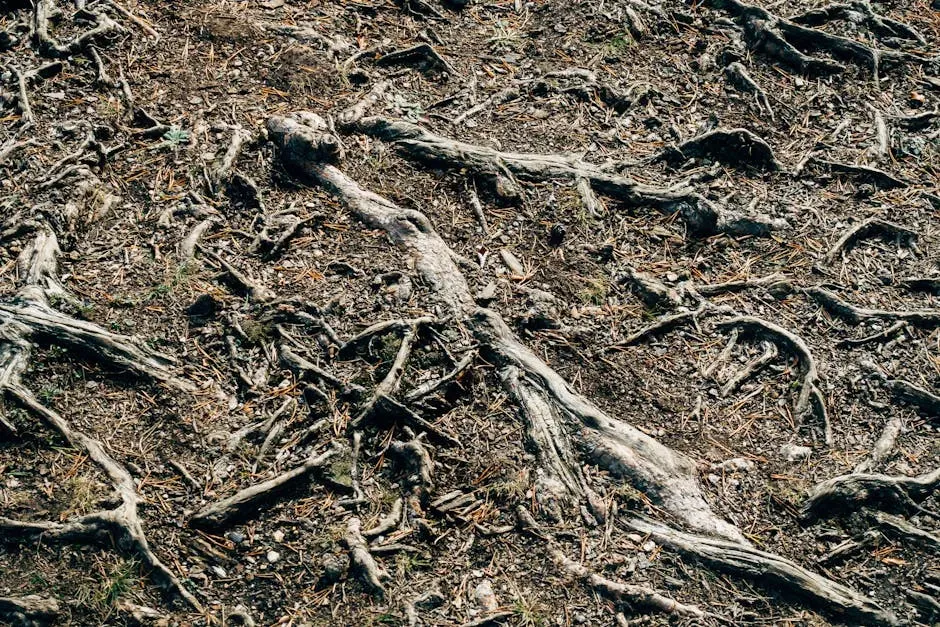
Walk through a forest today and you’re really strolling through an engineering marvel that took hundreds of millions of years to perfect. Early in Earth’s history, land surfaces were mostly bare rock and simple microbial films. When plants finally crept out of the water and took hold on land, they brought deep changes. Roots began to pry apart rock, creating soil and releasing minerals that washed into rivers and seas, fueling more life.
As plants spread and grew taller, they changed how water moved across landscapes, how much sunlight reached the ground, and how much carbon dioxide stayed in the air. Vast swampy forests eventually locked away enormous amounts of carbon, forming the coal deposits you still burn. Every leaf that falls, every root that digs into the dirt near you is part of a long-running terraforming project that started when the first humble plants dared to leave the water.
Animals as Geologic Forces: Builders, Burrowers, and Bioengineers
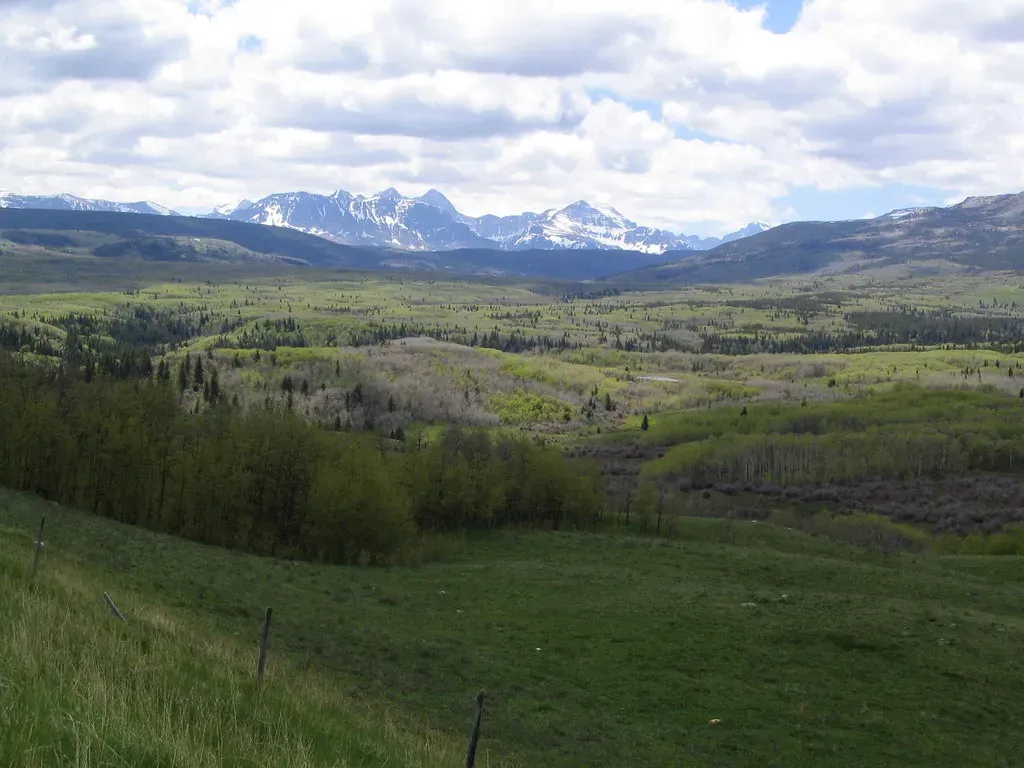
You might not think of animals as geological agents, but they have been moving sediment, sculpting coastlines, and reshaping ecosystems for ages. Ancient burrowing animals turned seafloors from quiet, layered deposits into mixed, oxygenated habitats. On land, grazing and trampling changed what plants could grow where, while burrowers altered how water and air moved through soils. Even reef builders like corals created entire underwater mountain ranges made of their own skeletons.
Every time an animal digs, builds a mound, bites off a plant, or constructs a nest, it’s rewriting a tiny piece of the landscape. Over millions of years, those small actions add up. You live in a world where riverbanks, grasslands, and seafloors have all been edited by countless generations of creatures acting like unintentional engineers. In a very real sense, you’re walking across a planet that life has physically rearranged.
You as the New Architect: Carrying the Legacy Forward
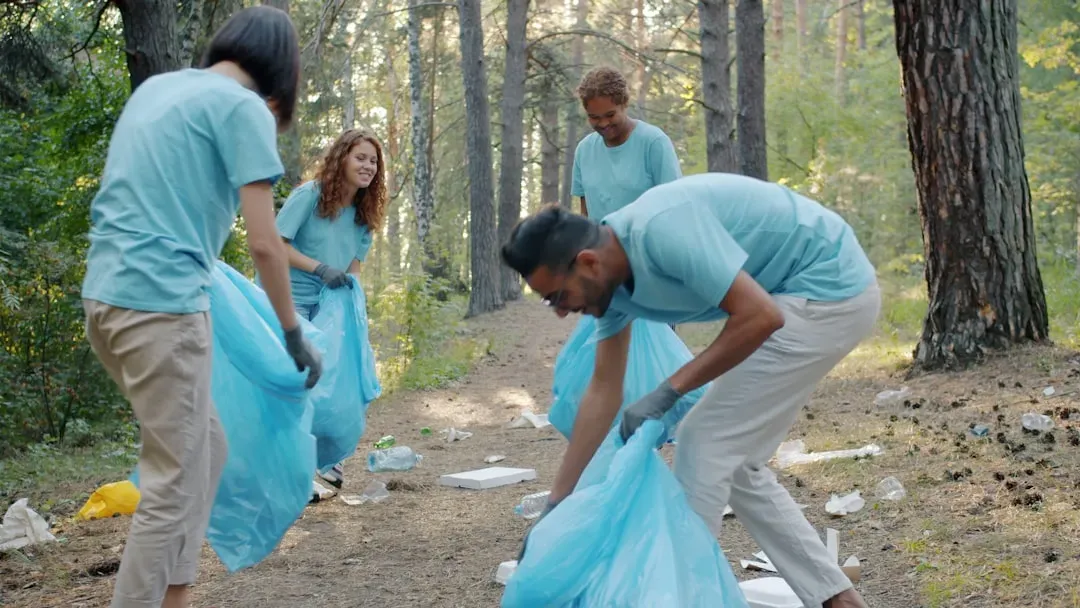
When you zoom out, you realize you’re part of this same long chain of planetary remodelers. Humans have only been around for a blink of geological time, yet you’ve already altered the atmosphere, redirected rivers, moved species across continents, and changed the chemistry of oceans. In terms of speed, your impact rivals almost anything that has come before, even major ancient events like the oxygen revolution or Snowball Earth phases.
This can feel unsettling, but it also means you’re not an outsider to Earth’s story – you’re one of its main characters now. The question is not whether you’re changing the planet, but how consciously you choose to do it. When you restore a wetland, protect a forest, or shift how you use energy, you’re stepping into the role that microbes, plants, and early animals once played: an architect of the future Earth you and others will inherit.
Conclusion: Seeing Your Planet With New Eyes
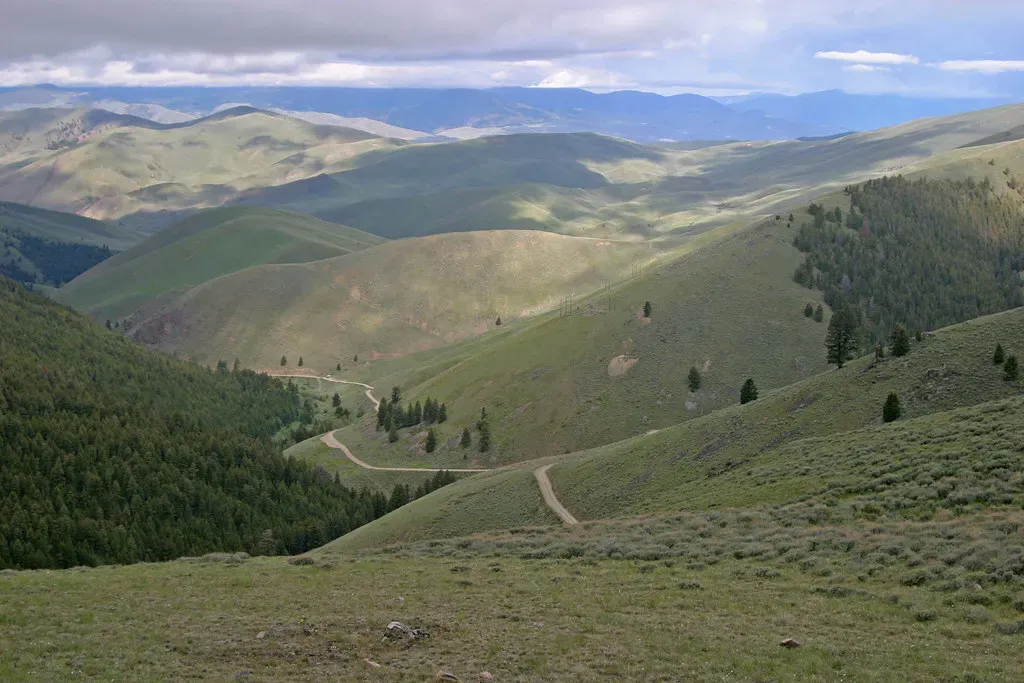
Once you start seeing Earth as a place constantly under renovation by life itself, the world around you feels different. The air in your lungs comes from ancient microbes, the soil under your feet from pioneering plants, and even the stability of the climate reflects a tug-of-war between geology and biology over unimaginable stretches of time. You’re not just a visitor on this planet; you’re the latest contributor in a four-billion-year design project.
That perspective can change how you move through your day. Every forest, tide pool, and patch of moss becomes a living archive of powerful, patient work done by creatures that never knew what they were building toward. Now that you do know a little more of that story, the next step is yours: what kind of Earth will you help shape from here?