Most of us picture ancient Earth as a barren, hostile world where only the simplest blobs of life clung to existence. No forests. No predators. No food webs worth speaking of. Just microbes, drifting in dark, oxygen-starved seas, doing very little of anything interesting. Honestly, that mental image is almost completely wrong.
What researchers have been uncovering over the past few decades is nothing short of stunning. The ancient ecosystems of Earth, stretching back billions of years, were riddled with biological relationships, chemical interdependencies, and ecological engineering that rival what you see in a modern coral reef. So before you write off early life as boring, let’s dive in.
The Deep Roots of Life: Microbial Mats and Their Hidden Complexity
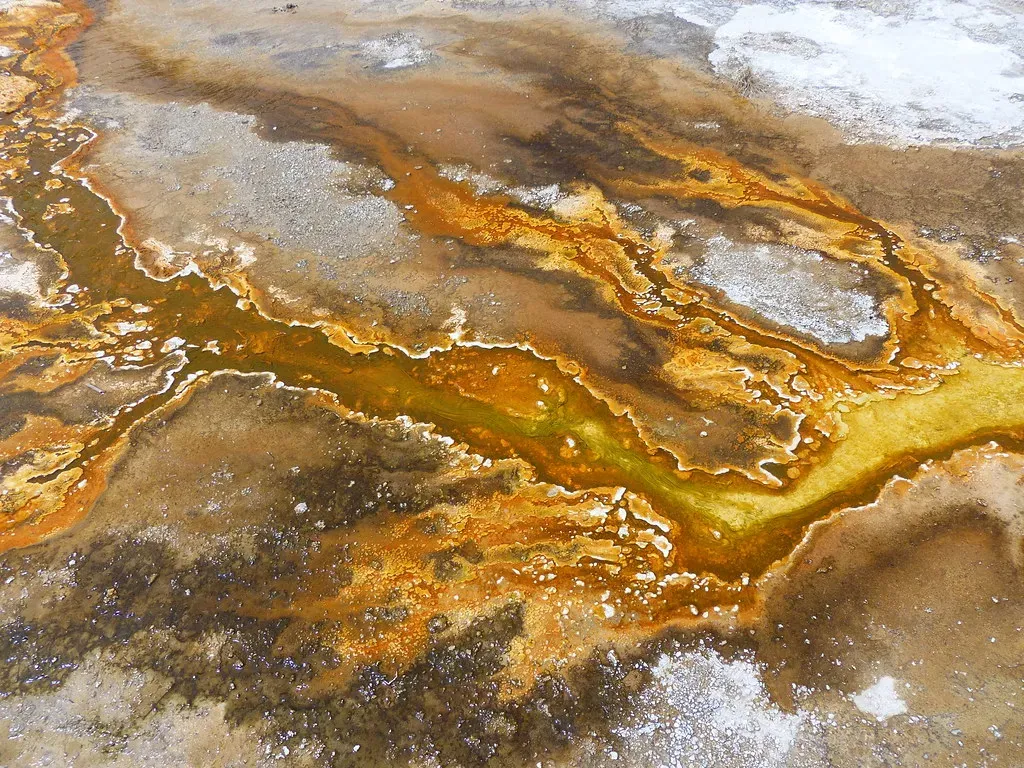
When you hear the words “ancient ecosystem,” you might picture dinosaurs or towering prehistoric ferns. The real story, however, starts much earlier and much smaller. Microbial mats are the earliest form of life on Earth for which there is good fossil evidence, stretching back 3,500 million years ago, and they have been the most important members and maintainers of the planet’s ecosystems. That’s 3.5 billion years. Let that sink in.
Here is the part that surprises most people. These microbial mats weren’t just passive carpets of bacteria doing nothing. A microbial mat consists of several layers, each dominated by specific types of microorganisms, mainly bacteria. The by-products of each group of microorganisms serve as food for other groups, and each mat effectively forms its own food chain. That is a fully functioning internal ecosystem, operating inside something you could hold between your fingers.
Stromatolites: Earth’s First Architects
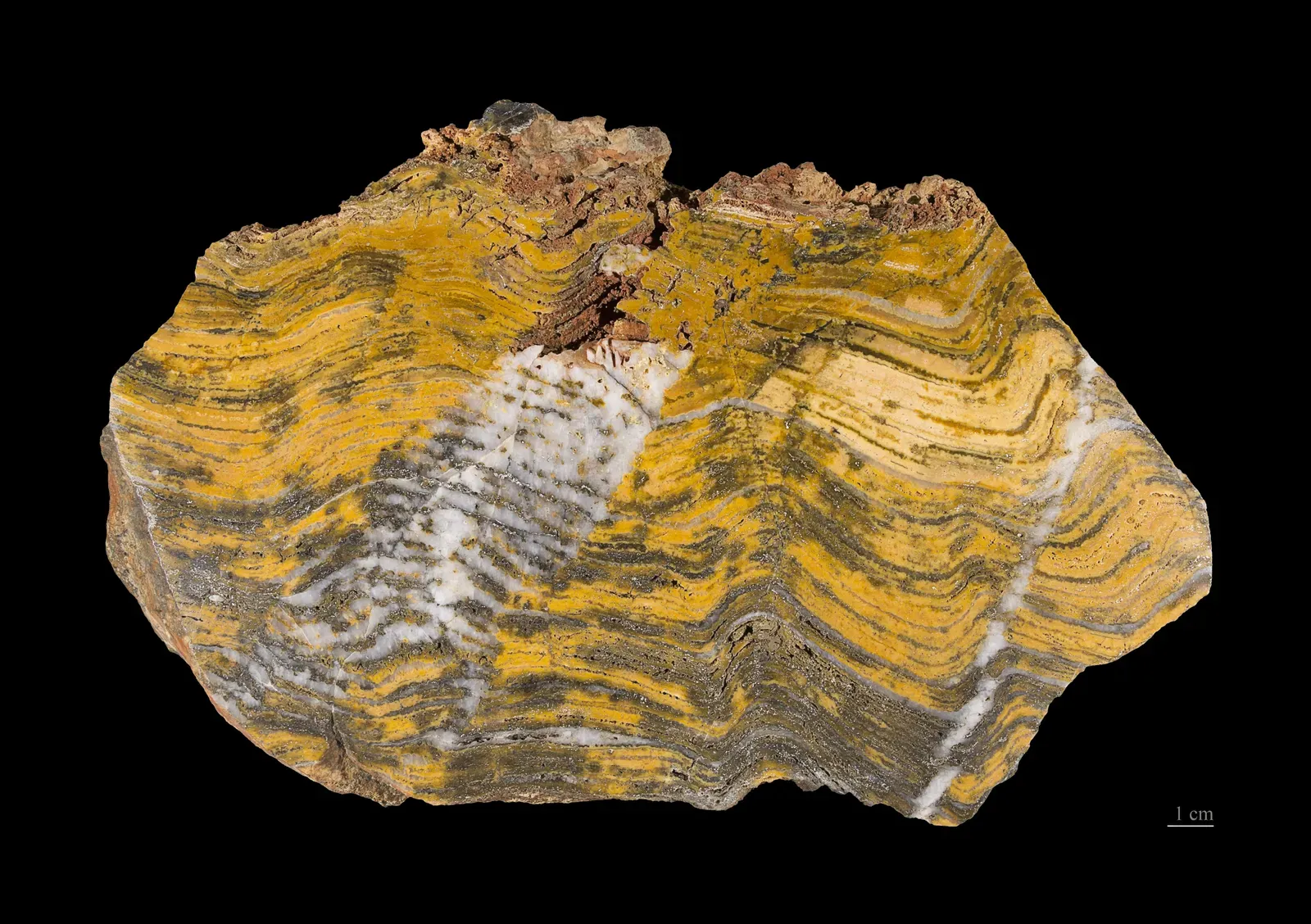
Stromatolites are layered, biochemical, accretionary structures formed in shallow water by the trapping, binding, and cementation of sedimentary grains in biofilms, through the action of certain microbial lifeforms, especially cyanobacteria. Think of them as skyscrapers built not by cranes and steel but by microscopic living organisms working together, layer by layer, over vast stretches of time. It’s one of the most quietly spectacular things life has ever done.
While cyanobacteria reproduce asexually through cell division, they were instrumental in priming the environment for the evolutionary development of more complex eukaryotic organisms. They are thought to be largely responsible for increasing the amount of oxygen in the primeval Earth’s atmosphere through their continuing photosynthesis. In other words, you are breathing right now because ancient microbial mats did their job, billions of years before your earliest ancestor existed. I think that deserves more appreciation than it gets.
The Ediacaran World: Strange Life, Surprising Sophistication
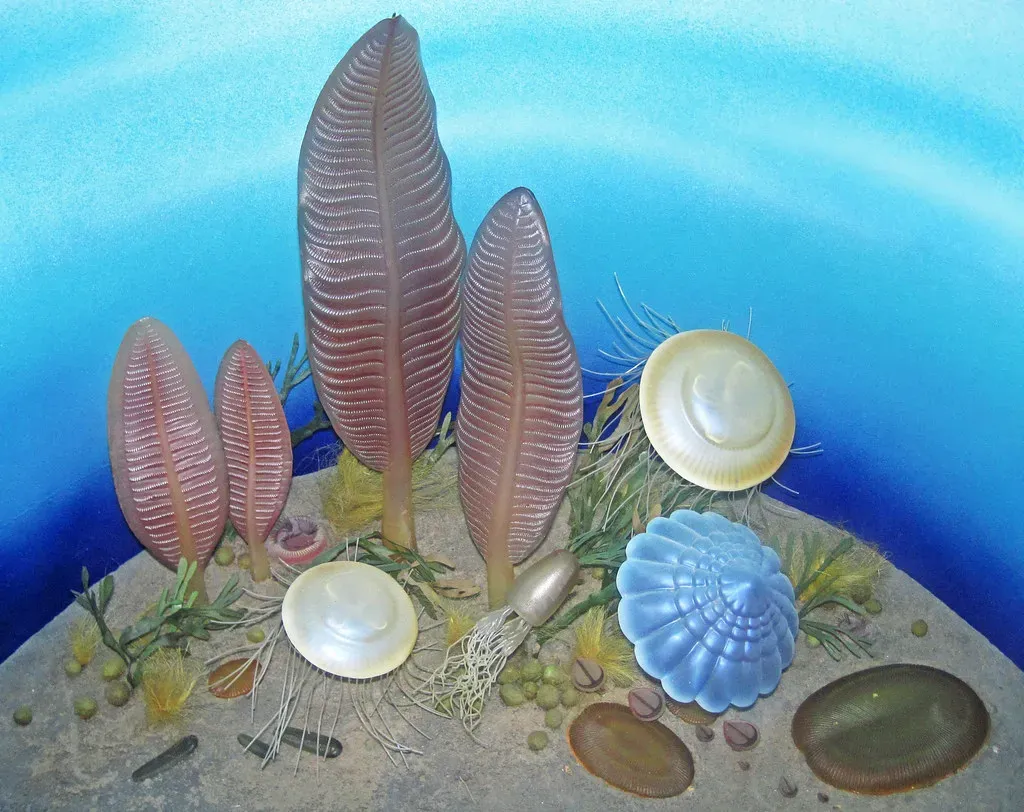
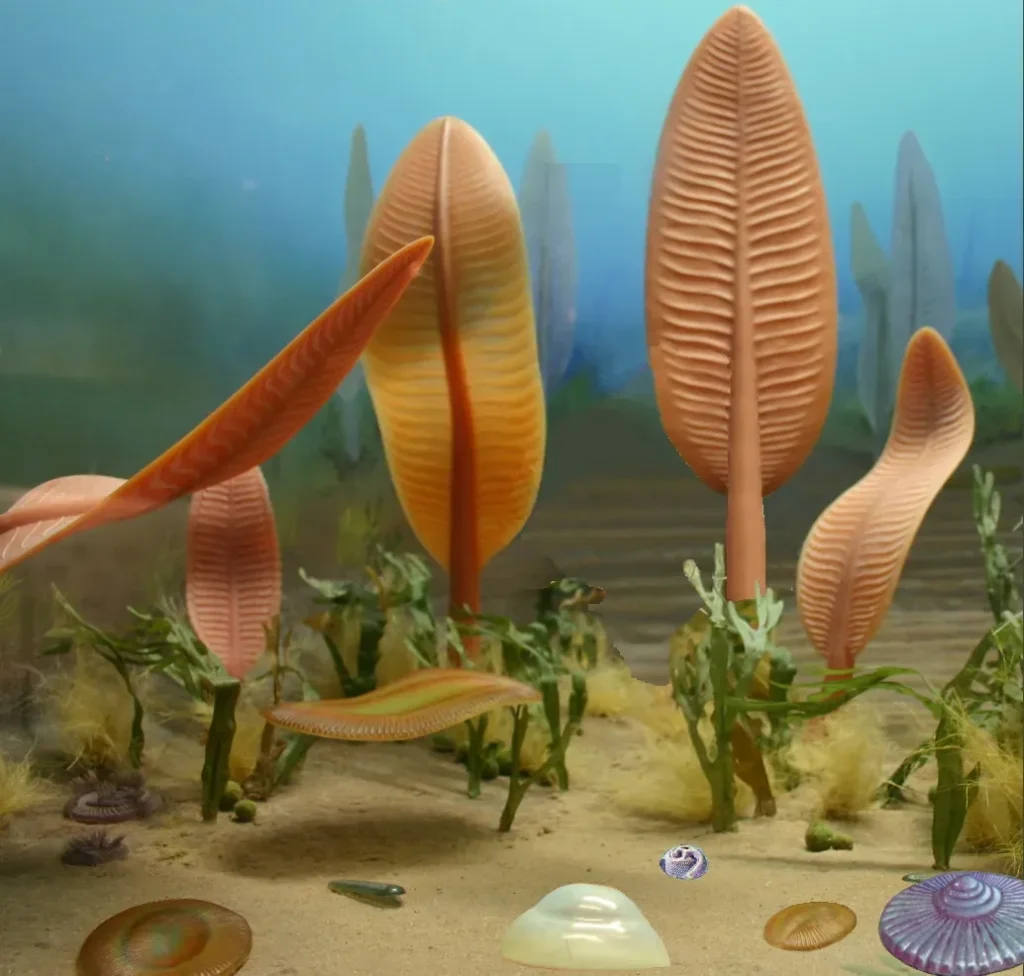
Tribrachidium lived during a period called the Ediacaran, which ranged from 635 million to 541 million years ago. This period was characterized by a variety of large, complex organisms, most of which are difficult to link to any modern species. It was previously thought that these organisms formed simple ecosystems characterized by only a few feeding modes, but new studies suggest they were capable of more types of feeding than previously appreciated. Let’s be real, that overturns a very old and very widely accepted assumption.
The Ediacaran biota ranged in size from millimetres to metres, in complexity from “blob-like” to intricate, and in rigidity from sturdy and resistant to jelly-soft. Almost all forms of symmetry were present. These organisms differed from earlier, mainly microbial, fossils in having an organized, differentiated multicellular construction and centimetre-plus sizes. The Ediacaran ocean was less a void and more a slow, quiet carnival of life forms with no modern equivalent.
Feeding Modes and Food Webs: Not as Simple as We Thought
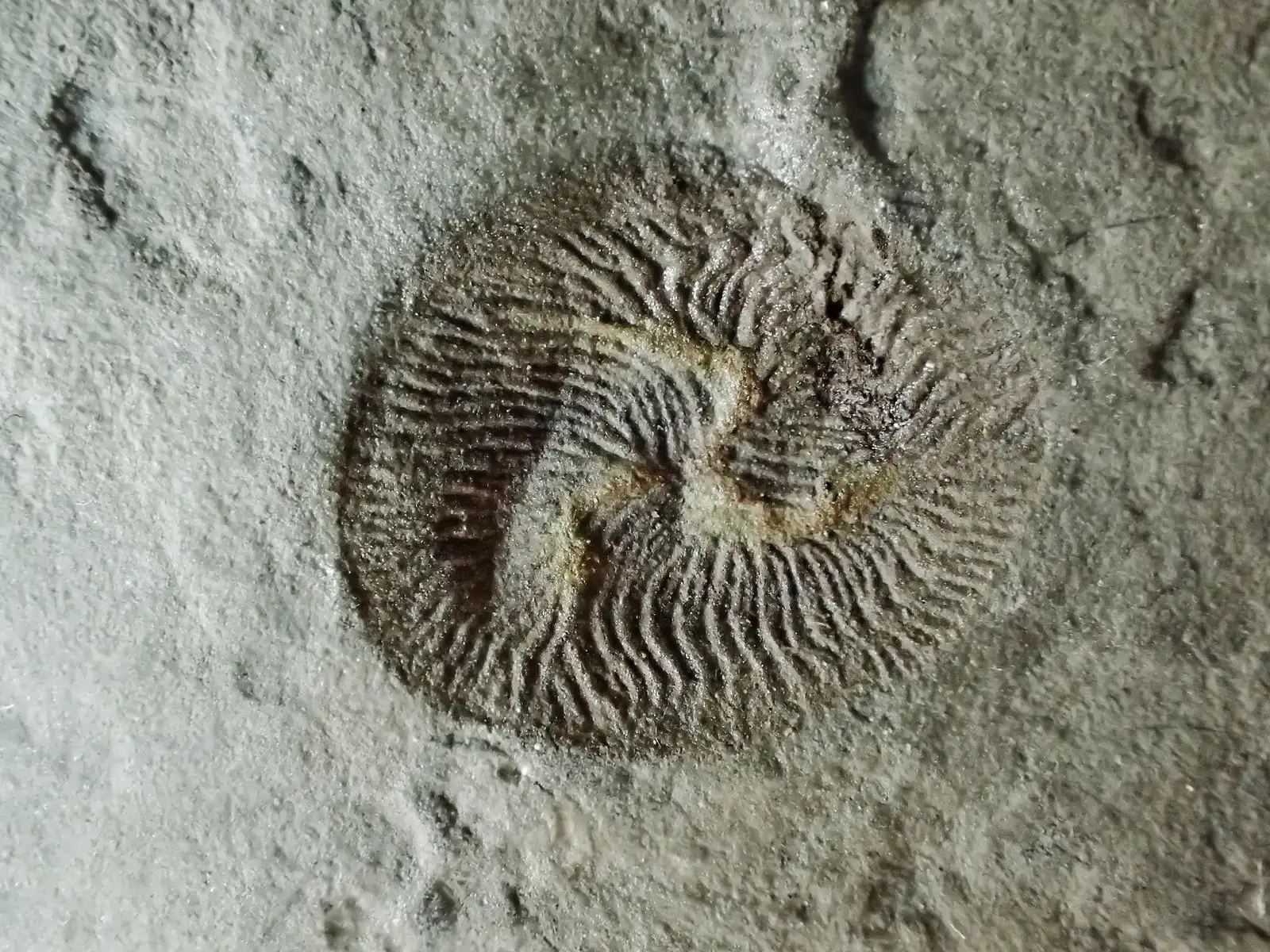
For years, scientists assumed these ancient creatures were all doing roughly the same thing to survive. Passive absorption. Slow grazing. Nothing fancy. The first diverse and morphologically complex macroscopic communities appear in the late Ediacaran period, 575 to 541 million years ago. The enigmatic organisms that make up these communities are thought to have formed simple ecosystems characterized by a narrow range of feeding modes, with most restricted to the passive absorption of organic particles. That old assumption, though, has taken serious hits in recent years.
The external morphology of Tribrachidium passively directs water flow toward the apex of the organism and generates low-velocity eddies above apical pits. This finding provides the oldest empirical evidence for suspension feeding at 555 to 550 million years ago, approximately 10 million years before the Cambrian explosion, and demonstrates that Ediacaran organisms formed more complex ecosystems in the latest Precambrian, involving a larger number of ecological guilds, than currently appreciated. Suspension feeding. Ten million years before the Cambrian. You can almost hear the textbooks being rewritten.
Ecosystem Engineering Long Before Animals Had Bones
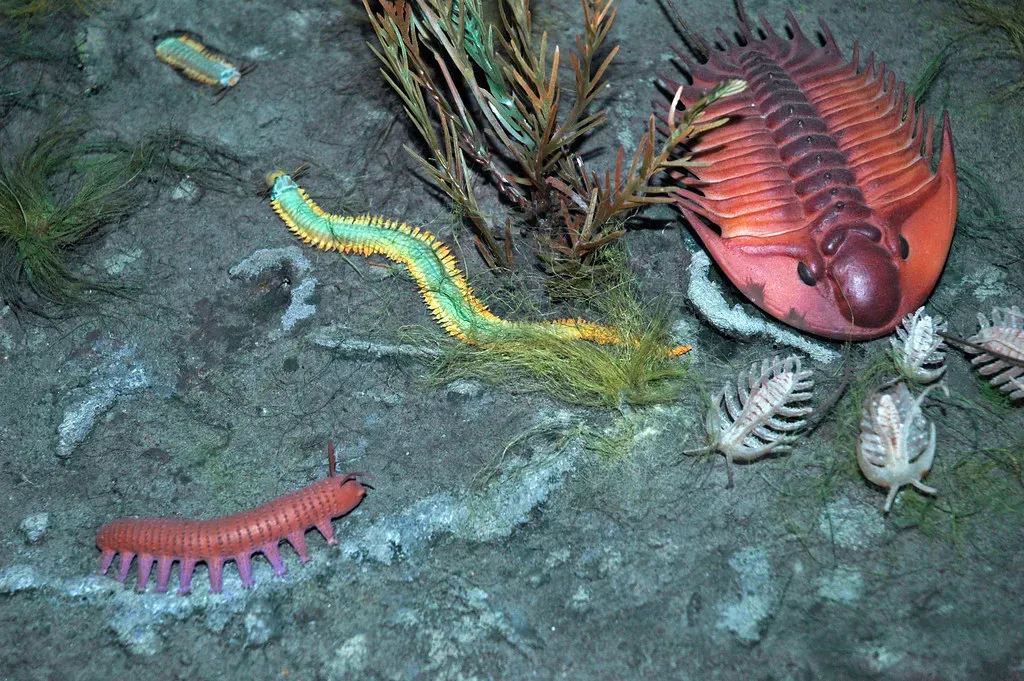
Here’s the thing about ancient ecosystems that most people miss. Life wasn’t just reacting to its environment. Life was actively reshaping it. The first animal communities could have had a big impact on how complex life evolved over 550 million years ago. These early marine ecosystems are thought to have affected the distribution of nutrients like food and oxygen in the oceans. That is the definition of ecosystem engineering, and it was happening before skeletons even existed.
Research suggests that a lot of the ecological functions seen in present-day marine ecosystems were around at this time. These are some of the very first animals that existed, and they were basically influencing the distribution of resources in the same way as occurs today in key marine ecosystems like coral reefs. Think about that comparison for a moment. Coral reefs are considered among the most biodiverse and complex places on Earth today. Their ecological logic, it turns out, was already being written more than half a billion years ago.
Nutrient Networks and the Chemistry of Ancient Oceans
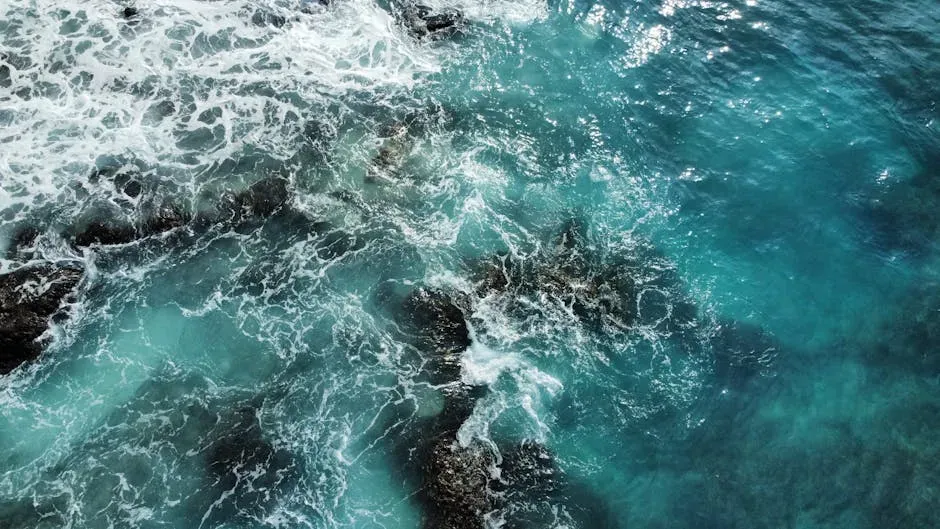
You might wonder what these early creatures were actually eating. Surprisingly, the ancient oceans were well stocked. High relative abundances of algal steranes over bacterial hopanes suggest that the Ediacara biota inhabited nutrient-replete environments with an abundance of algal food sources comparable to Phanerozoic ecosystems. Thus, organisms of the Ediacara biota inhabited nutrient-rich environments akin to those that later fuelled the Cambrian explosion. So the ancient ocean wasn’t just a chemical soup, it was a productive, layered food environment.
Scientists have discovered that complex life began evolving much earlier than traditional models suggested. Using an expanded molecular clock approach, a research team showed that crucial cellular features emerged in ancient anoxic oceans long before oxygen became a major part of Earth’s atmosphere. Their results indicate that early complexity developed slowly over an unexpectedly long timescale. It’s hard to say for sure just how complex those early chemical networks were, but the evidence keeps pointing toward something far richer than a barren sea.
What Ancient Interconnectedness Tells Us About Life Today
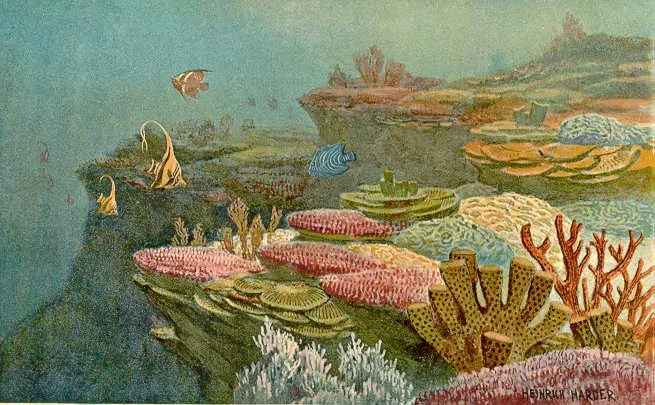
The more you look at early ecosystems, the more you realize the ancient world wasn’t waiting for modern ecosystems to invent the concept of interdependence. The tenacity of the planet’s longest-lived ecosystems reveals an essential characteristic of life at any scale: interconnection. By definition, all living things are systems made of smaller interrelated parts, and those systems are themselves inextricable from the larger networks that surround them. That principle, it turns out, is not new. It is as old as life itself.
Ecosystems are capable of growing, surviving, and evolving because they are inescapably intertwined with the growth, survival, and evolution of the organisms that comprise them. Wherever life emerges, it dramatically changes its environment, and these changes inevitably influence subsequent evolution within that environment. Given enough time and opportunity, this coevolution can contribute to an emergent capacity for persistence on the scale of hundreds of thousands to millions of years. That is a kind of biological wisdom that has never gone out of style, however much the individual players have changed.
Conclusion: Ancient Complexity That Still Echoes Today
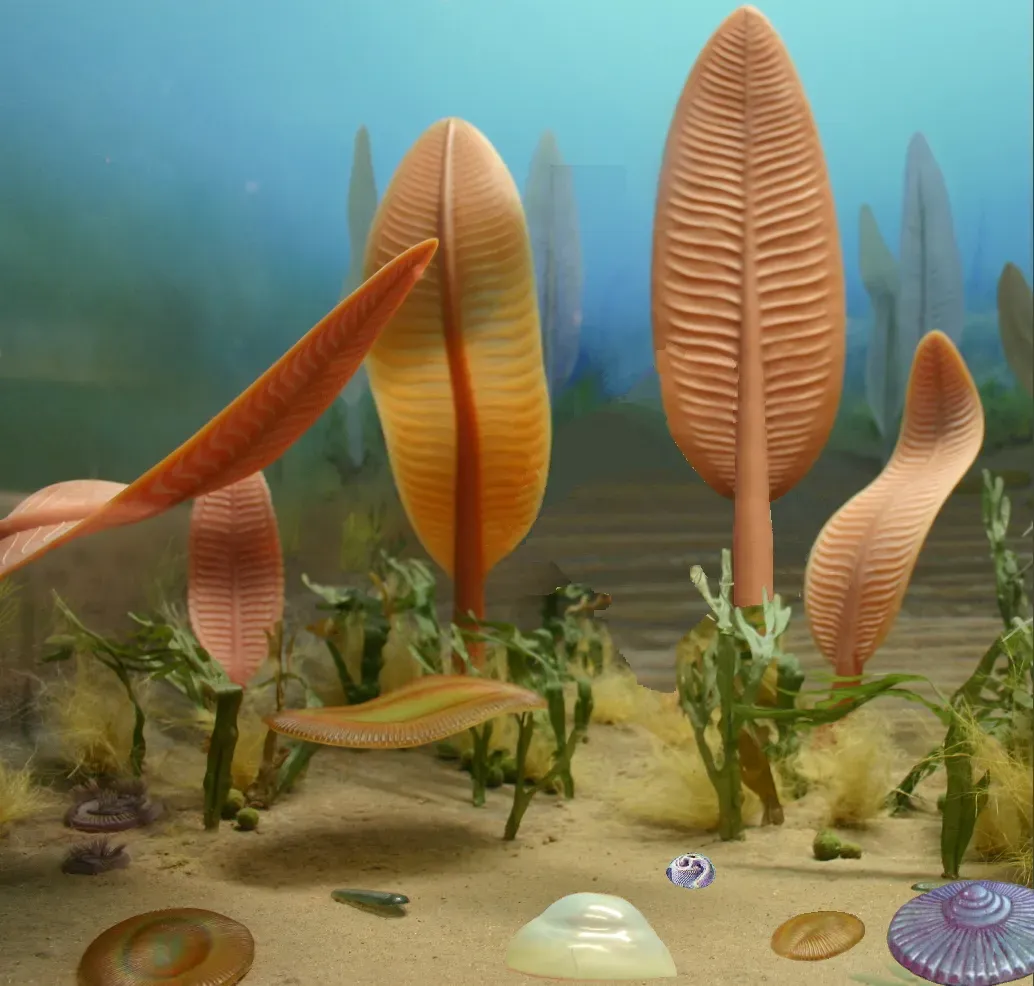
We have long underestimated what ancient life was capable of. The picture that keeps emerging from paleobiology, geology, and molecular science is of a living planet that was weaving ecological relationships long before complex animals arrived. Microbial mats powered food chains. Ediacaran organisms engineered the very flow of nutrients in their oceans. Strange, soft-bodied creatures fed in multiple ways and competed for space in ways that resemble modern ecosystems more than anyone expected.
The story of early life isn’t a prelude to the real drama. It is the drama. Every coral reef you can visit today, every interconnected web of species you see in a rainforest or a tidal pool, carries a logic that was first worked out by organisms too small to see, on an Earth that looked nothing like the one you know. That lineage of interconnection runs unbroken from 3.5 billion years ago to your backyard garden. What would you have guessed about ancient life before you read this?