For a long time, the default image of early life on Earth was something almost monotonously simple: a thin bacterial soup quietly drifting through lifeless oceans, with billions of years still to go before anything interesting would show up. That picture is changing fast. What researchers are finding instead is a microbial world of surprising richness, one that was metabolically complex, ecologically structured, and far more inventive than the old textbooks suggested.
Around 4 billion years ago, simple chemical compounds gave rise to living cells, which later formed into organisms made of many cells of great diversity, arranged in myriad ways. Yet the deeper scientists dig into ancient rock formations, the more the story grows. You aren’t looking at a slow, quiet beginning. You’re looking at the early chapters of a story that was already surprisingly crowded.
A World Without Oxygen: The Stage Where Life First Appeared
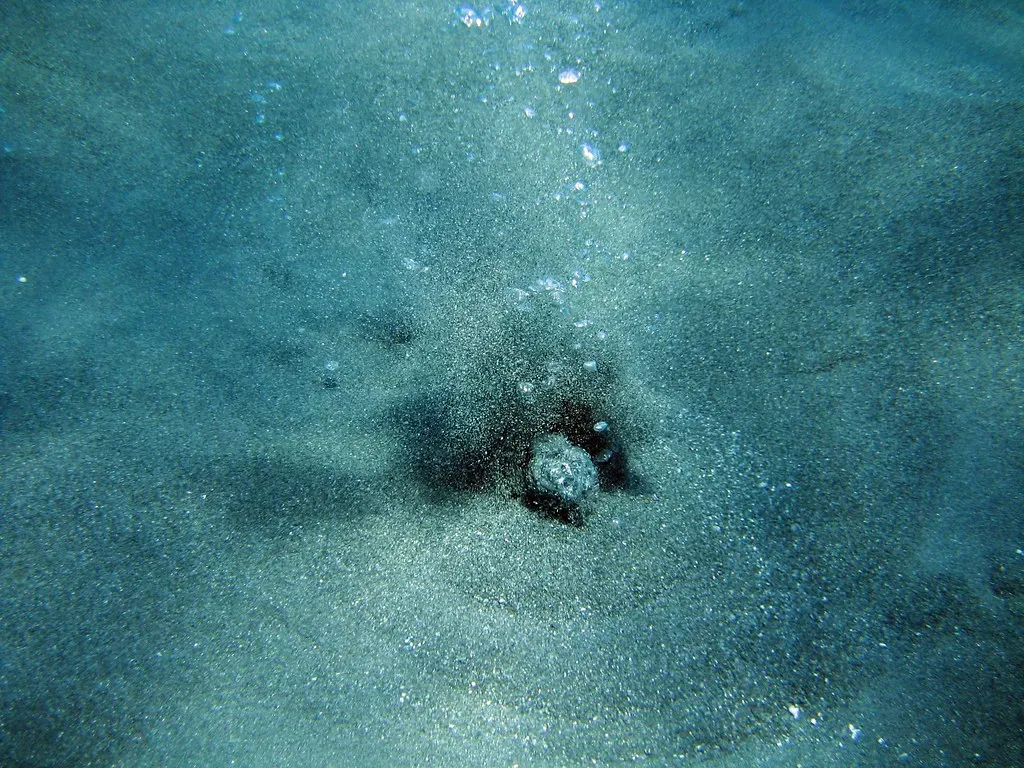
More than 3.5 billion years ago, Earth was not the hospitable world we know today. The atmosphere lacked oxygen, the seas were acidic and rich in iron, and volcanic activity roared across a barren landscape. It sounds like the last place you’d expect life to gain a foothold, yet that’s precisely where it did.
Life emerged on Earth in an ultramafic world under anaerobic conditions, shaped by particular environmental characteristics for which no record remains. Those early microbes didn’t need oxygen. They thrived on chemistry that would be lethal to most things alive on Earth today, using hydrogen, sulfur, and iron as energy currencies in a world we’d barely recognize.
Reading Life in Stone: What Ancient Rocks Actually Tell You
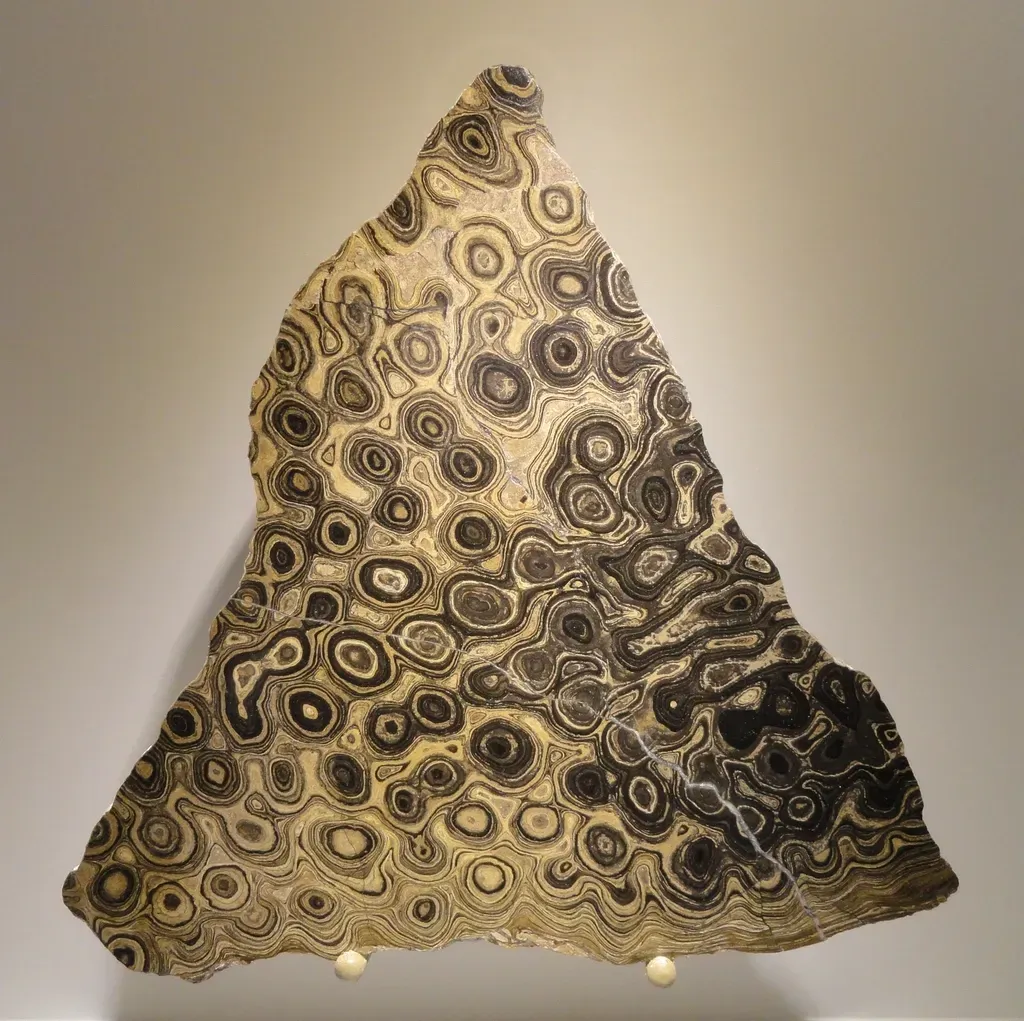
Microorganisms were the first forms of life on our planet, and the clues are written in 3.5 billion-year-old rocks by geochemical and morphological traces, such as chemical compounds or structures that these organisms left behind. You won’t find bones or shells in these formations. What you find instead are chemical whispers, isotopic fingerprints, and sometimes, the ghostly outlines of cells locked inside ancient minerals.
Microfossils are traces of ancient cells preserved through rapid entombment and are invisible to the naked eye. In the absence of visible fossil structures, chemical traces help scientists reconstruct early metabolic pathways, which can provide context clues to the types of microbes that existed early in Earth’s history. The science of reading these clues has become remarkably precise, combining high-resolution imaging with isotope analysis in ways that weren’t possible even a generation ago.
Stromatolites: The Oldest Ecosystems You Can Actually See
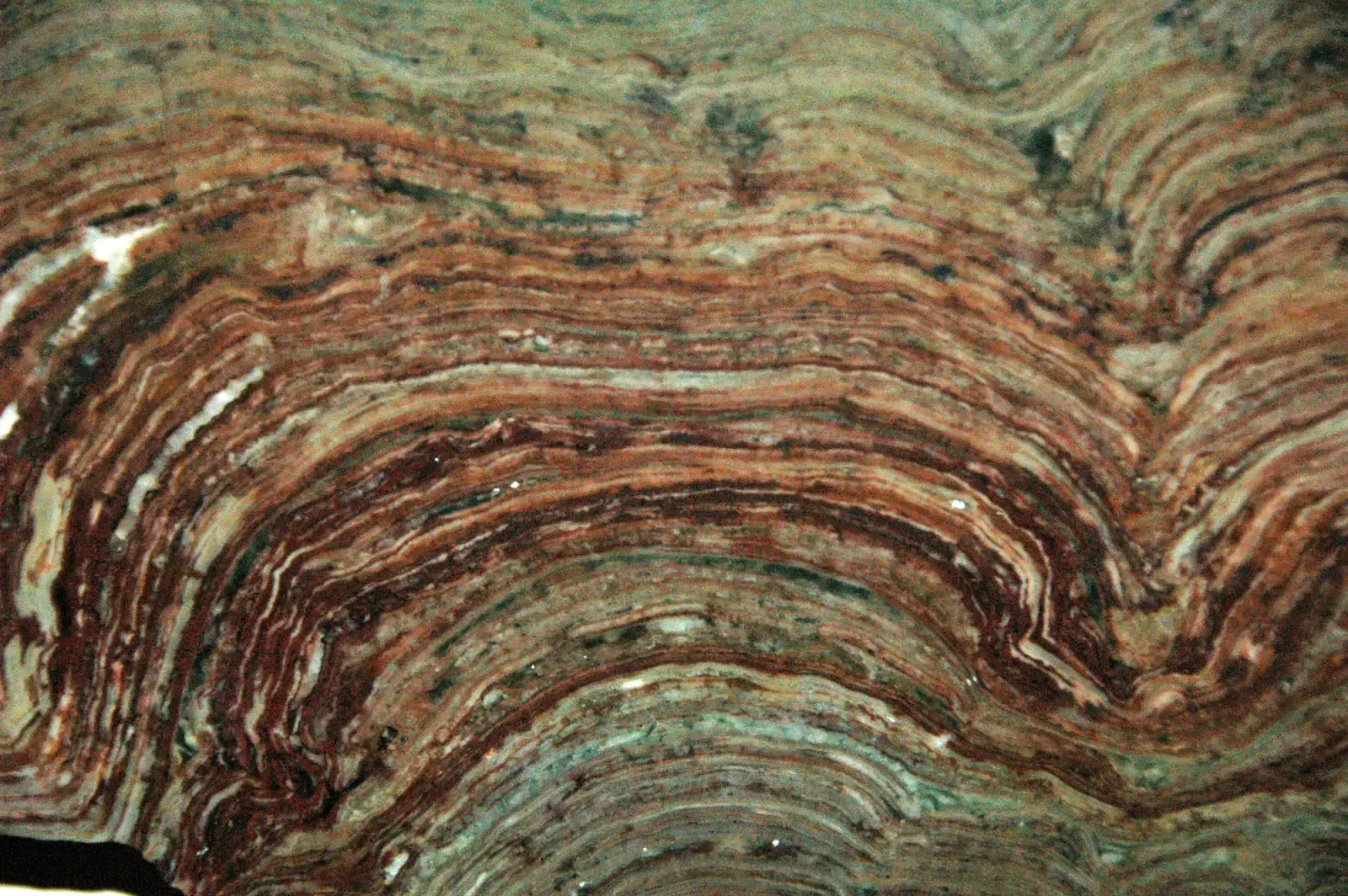
The earliest direct evidence of life are stromatolites found in 3.48 billion-year-old chert in the Dresser Formation of the Pilbara Craton in Western Australia. These layered, dome-shaped rock formations were built by communities of microbes over immense stretches of time, and they remain one of the most tangible connections you can hold to the deep past of life on Earth.
Stromatolites show that microbial communities covered the seafloor from tidal flats to the base of the photic zone. During the late Proterozoic, stromatolites reached their peak of development, became distributed worldwide, and diversified into complex, branching forms. The fact that closely related stromatolites still exist today in places like Shark Bay, Australia, makes them one of the most remarkable cases of biological persistence on the planet.
An Unexpectedly Diverse Carbon Cycle Over 3 Billion Years Ago
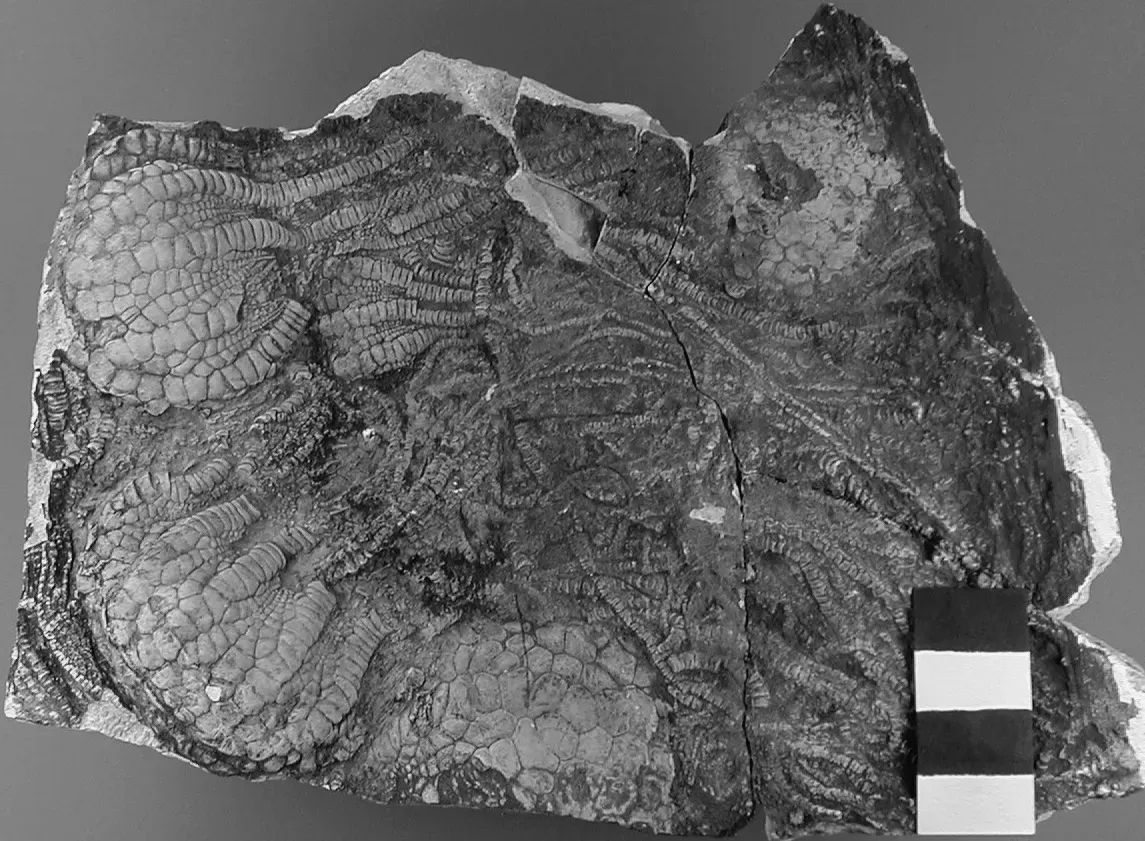
In rock samples from South Africa, researchers found evidence dating to around 3.42 billion years ago of an unprecedentedly diverse carbon cycle involving various microorganisms, showing that complex microbial communities already existed in ecosystems during the Palaeoarchaean period. That finding fundamentally shifted scientific assumptions about how quickly life diversified after its origins.
Analyses of well-preserved carbonaceous matter and associated mineral phases revealed geochemical fingerprints of photoautotrophs, autotrophic sulfate reducers, and likely methane- and/or acetate-producing and consuming microbes. In other words, you’re looking at something more like a functioning ecosystem with multiple specialist players than a simple community of generalists. The metabolic division of labor was already underway billions of years ago.
LUCA: The Ancestor That Was Already Surprisingly Complex
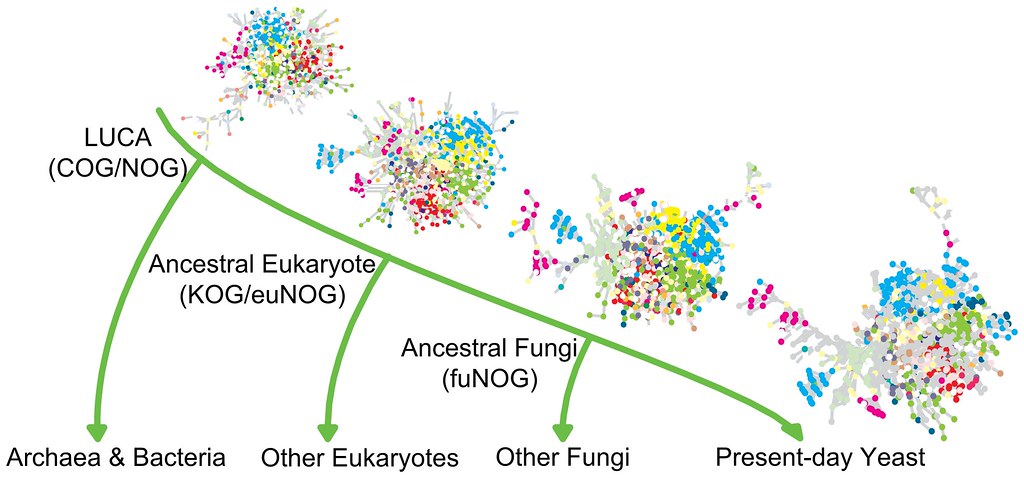
Integration of phylogenetics, comparative genomics, and palaeobiological approaches suggests that the last universal common ancestor lived about 4.2 billion years ago and was a complex prokaryote-grade anaerobic acetogen that was part of an ecosystem. That last phrase carries enormous weight. LUCA wasn’t an isolated spark. It was already embedded in a community.
Phylogenetic reconciliation suggests that LUCA had a genome of at least 2.5 megabases, encoding around 2,600 proteins, comparable to modern prokaryotes. Although LUCA is sometimes perceived as living in isolation, researchers infer that LUCA was part of an established ecological system, and its metabolism would have provided a niche for other microbial community members. The picture that’s emerging is one of early life as a web rather than a single lonely ancestor wandering a barren planet.
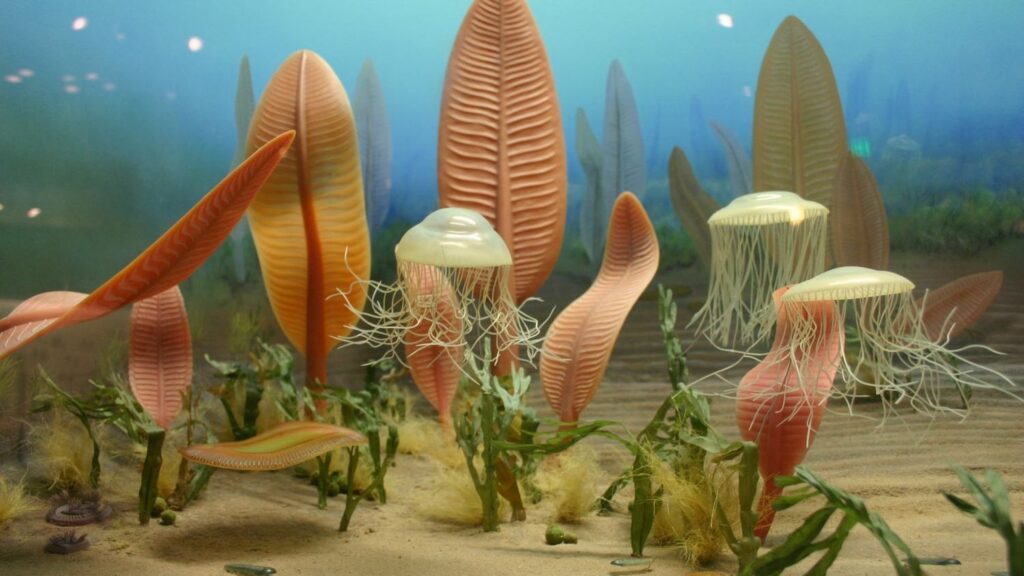
The Ediacaran Biota: Earth’s First Experiment With Complex Bodies
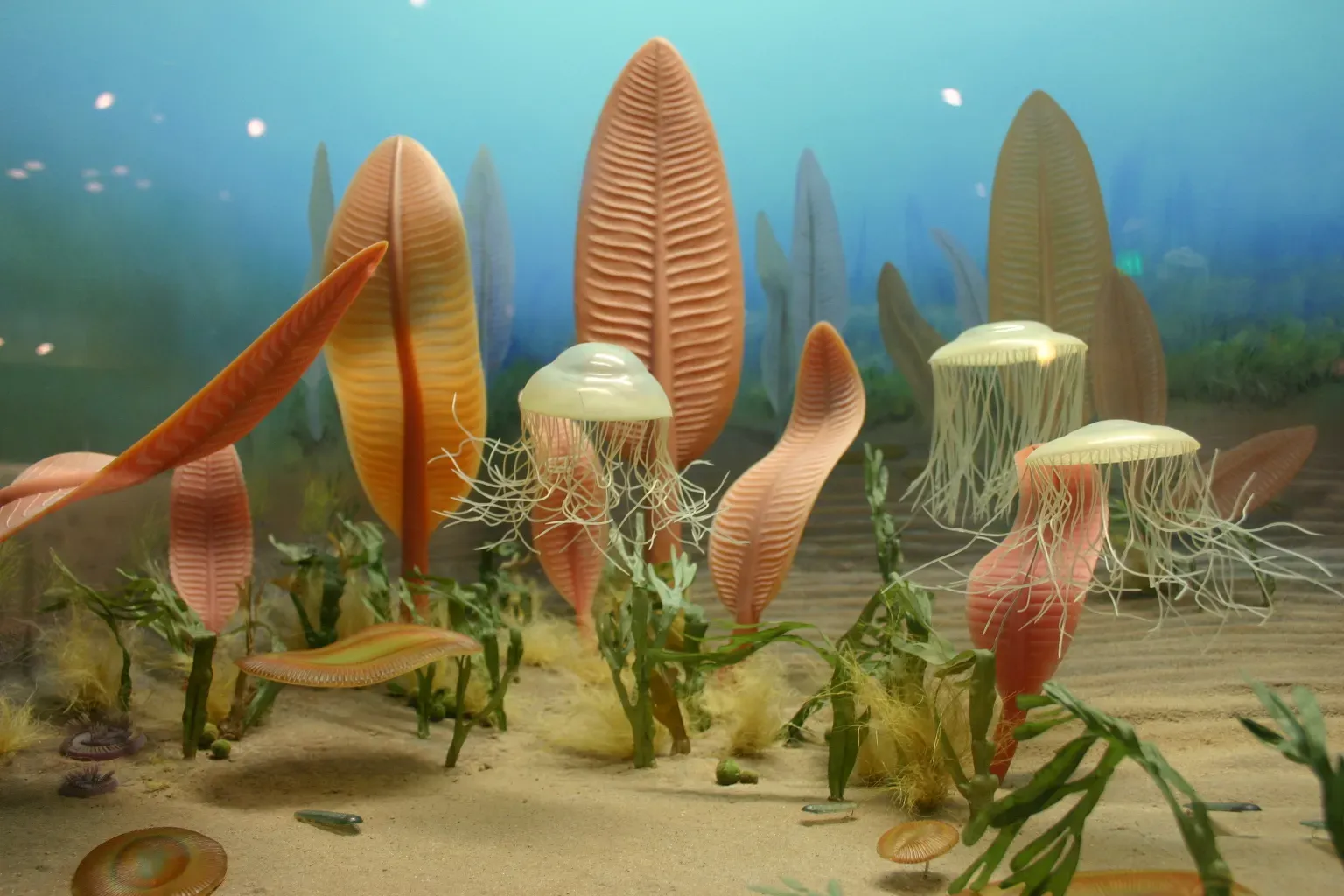
Uploaded by FunkMonk, CC BY-SA 2.0)
The Ediacaran Period, 635 million to 538 million years ago, saw the first emergence of complex, multicellular life on Earth, and this signal moment in Earth’s evolutionary history followed the worldwide glaciation of the Cryogenian Period and immediately preceded an explosion of animal diversity during the Cambrian Period. It was a window unlike any other, a world filling up with shapes and body plans never seen before or since.
The Ediacaran biota exhibited a vast range of morphological characteristics. Size ranged from millimetres to metres, complexity from blob-like to intricate, and rigidity from sturdy and resistant to jelly-soft. Almost all forms of symmetry were present. The Ediacara impressions were derived from soft-bodied organisms similar to modern-day jellyfish, soft corals, sea anemones, annelid worms, and seaweed, as well as some organisms unlike any that are known today. Some of those body plans disappeared entirely before the Cambrian even began.
Conclusion: Early Life Was Never as Simple as We Assumed
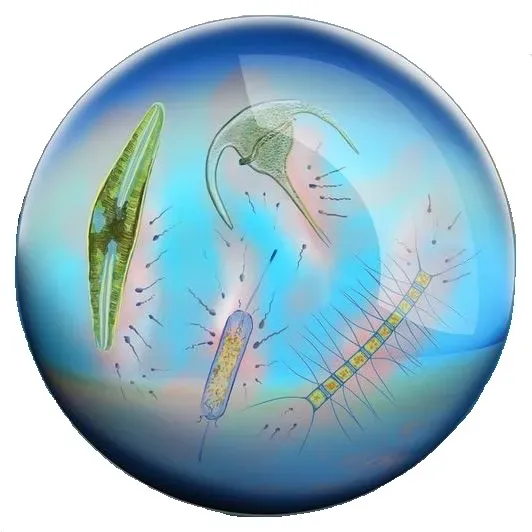
The old assumption that Earth’s early history was a featureless microbial prelude to real complexity is simply no longer supported by the evidence. What you find instead, the deeper researchers look, is a world layered with metabolic strategies, ecological interactions, and biological experiments that stretch back further than most people imagine.
Chemical and fossil clues together show not only that life emerged early in Earth’s history, but also that it rapidly diversified to exploit a range of energy sources in a changing environment. What’s become clear is that our understanding of the beginning of life will remain incomplete without bringing in insights of microbial evolution. The deeper science looks, the richer the picture becomes. Life, it turns out, was never waiting around for its moment. It was already busy, already diverse, already shaping the planet long before we had any reason to look for it.