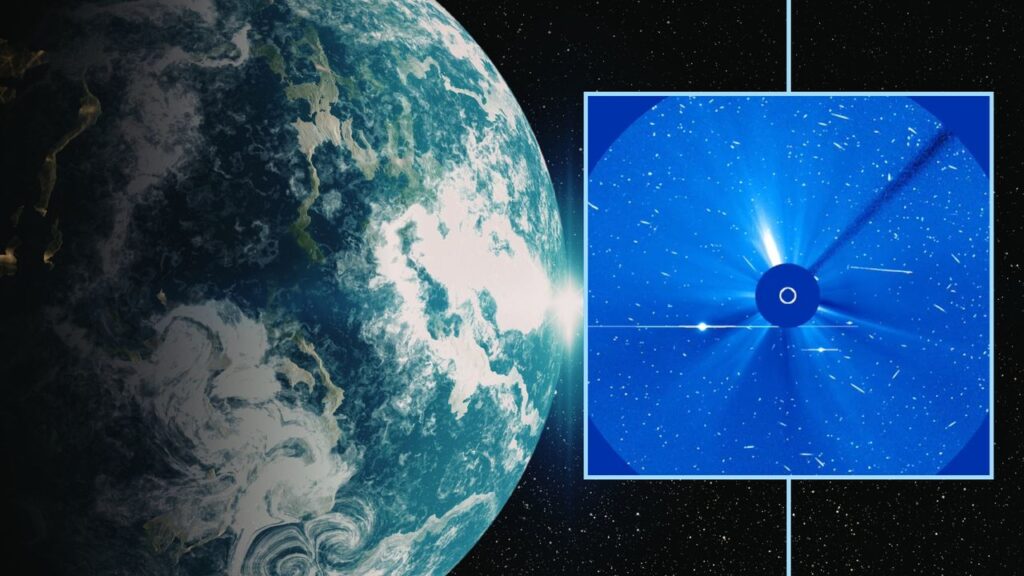
A powerful surge of solar energy has swept across Earth, marking the most intense radiation storm since the early 2000s and captivating skywatchers while raising concerns for modern technology.
The Onset of a Solar Onslaught
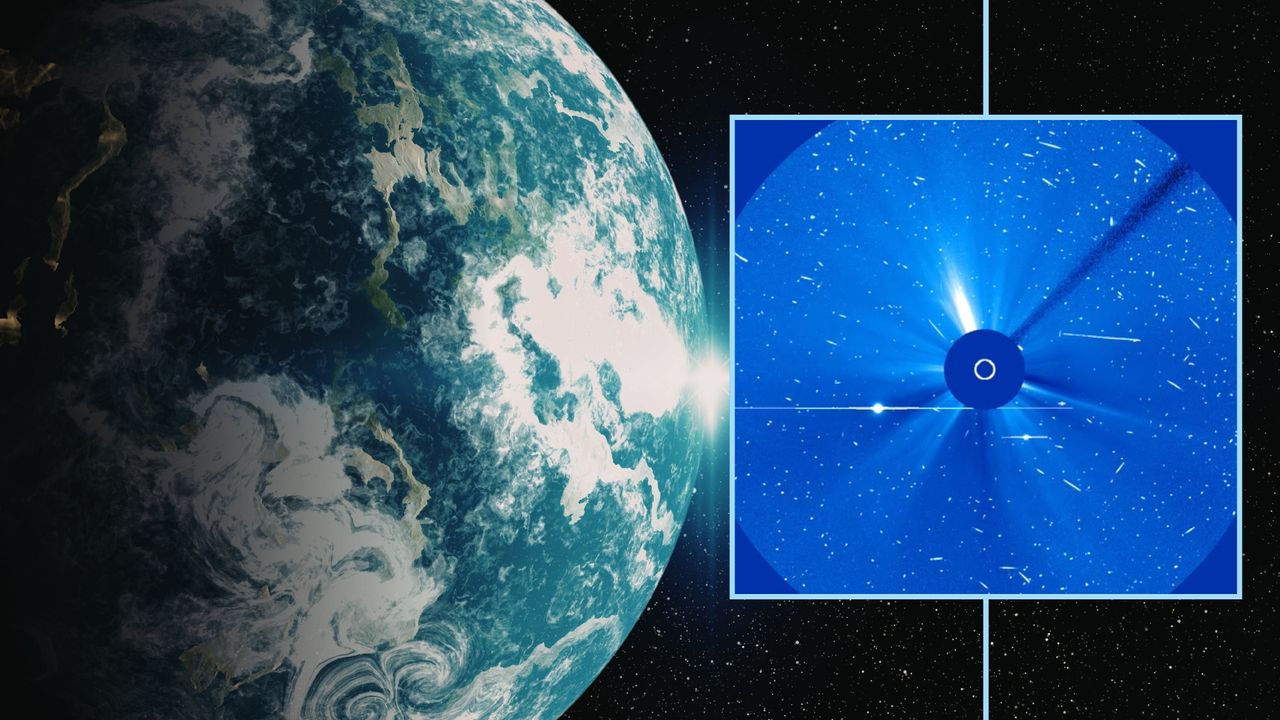
The Onset of a Solar Onslaught (Image Credits: Cdn.mos.cms.futurecdn.net)
On January 18, 2026, an X1.9-class solar flare erupted from sunspot region AR3528, unleashing a cascade of high-energy particles that raced toward our planet. This event triggered an S4-level solar radiation storm, the strongest in over 20 years, as confirmed by forecasters at the National Oceanic and Atmospheric Administration’s Space Weather Prediction Center. The storm’s arrival compressed Earth’s magnetosphere, the protective bubble that shields us from solar winds, leading to immediate atmospheric disturbances. Within hours, radio blackouts blanketed regions across the Americas, with the most pronounced effects over South America. Scientists had anticipated some impacts, but the storm’s ferocity exceeded initial projections, highlighting the unpredictable nature of solar activity during the current peak of the 11-year sunspot cycle.
Unlike milder solar events, this radiation storm involved protons accelerated to near-light speeds, bombarding Earth’s upper atmosphere and ionizing its layers. The Space Weather Prediction Center rated it at level 4 out of 5 for severity, a classification reserved for rare and potent occurrences. Historical comparisons place it alongside events from 2003, when similar storms disrupted satellite operations worldwide. As the particles interacted with the atmosphere, they sparked widespread auroral activity, visible far beyond polar regions. This phenomenon not only offered a spectacular natural display but also underscored the sun’s profound influence on our planet’s environment.
Vivid Auroras Illuminate Unexpected Skies
The storm’s most visible impact came in the form of brilliant northern and southern lights, painting the night skies in hues of green, purple, and red. Auroras appeared as far south as the northern United States and Europe, drawing crowds outdoors to witness the ethereal glow. This expansion of the auroral oval occurred because the influx of charged particles excited atmospheric gases, creating the luminous displays typically confined to high latitudes. Reports from skywatchers described the lights as dancing curtains across the horizon, a rare treat for those in mid-latitudes.
Beyond the beauty, these auroras signaled the storm’s reach into everyday life. Aviation authorities rerouted polar flights to avoid radiation exposure for passengers and crew, while amateur astronomers captured time-lapse videos that quickly spread online. The event recalled the 1989 Quebec blackout caused by a geomagnetic storm, though this one focused more on radiation than magnetic effects. Forecasters noted that the auroral activity could persist for days, offering continued opportunities for observation in northern hemispheres.
Technological Ripples from the Sun’s Wrath
While the visual spectacle enthralled many, the storm posed tangible risks to infrastructure reliant on space-based systems. High-energy protons interfered with satellite electronics, potentially shortening their lifespans and causing temporary glitches in GPS signals. Airlines reported navigation challenges, prompting the use of backup systems during transatlantic routes. Communication networks experienced brief outages, particularly for high-frequency radio used in remote areas and maritime operations.
Power grids remained largely stable, but experts monitored for induced currents that could strain transformers in vulnerable regions. The event served as a reminder of solar storms’ potential to disrupt global connectivity, with past incidents like the 2003 Halloween storms knocking out satellites. In this case, no widespread blackouts occurred, but the incident prompted emergency protocols at space agencies. Ongoing monitoring revealed that the storm’s intensity began to wane by January 20, yet residual effects lingered in the ionosphere.
- GPS inaccuracies affected precision agriculture and surveying in affected zones.
- Satellite operators activated protective modes to shield sensitive instruments.
- Amateur radio enthusiasts noted enhanced propagation over long distances due to ionized layers.
- Spacecraft in low-Earth orbit adjusted trajectories to minimize radiation exposure.
- Forecasts warned of possible flare-ups from the same sunspot region in coming days.
Looking Ahead: Lessons from the Solar Surge
As the storm subsides, researchers analyze data to refine predictions for future events, emphasizing the need for resilient technologies in an era of increasing solar activity. The 25th solar cycle, which peaked in 2025, promises more such episodes, urging investments in space weather forecasting. International collaboration, including alerts from NOAA and partner agencies, helped mitigate damages this time. Still, the event exposed gaps in preparedness for high-latitude communities and space-dependent industries.
Key Takeaways
- The S4 storm, triggered by an X1.9 flare, was the strongest since 2003, expanding auroras to mid-latitudes.
- Tech impacts included radio blackouts and GPS disruptions, but no major infrastructure failures.
- Enhanced monitoring during solar maximum will be crucial for safeguarding satellites and communications.
This solar spectacle reinforces our planet’s vulnerability to cosmic forces, blending awe with the call for vigilance. What do you think about it? Tell us in the comments.