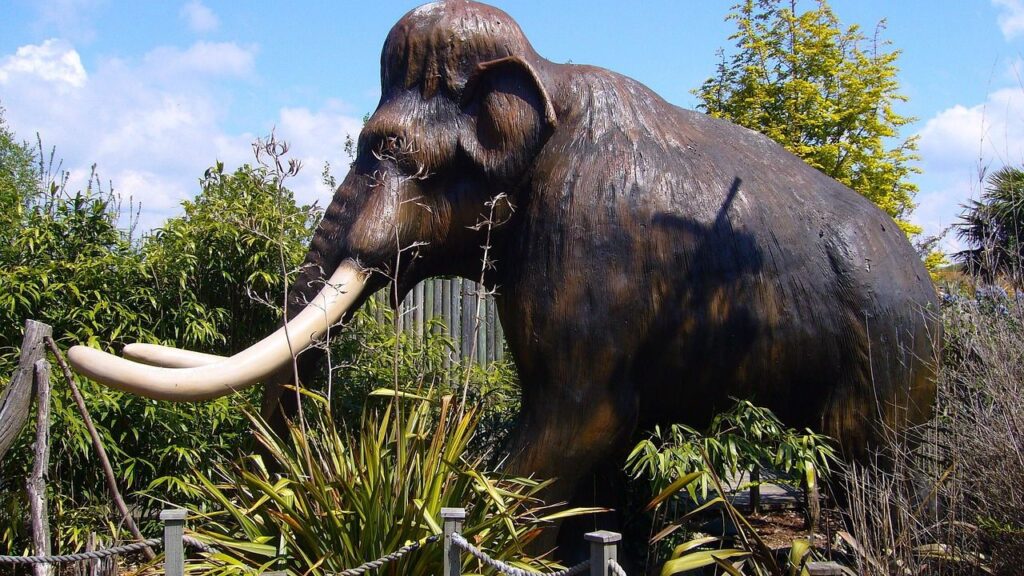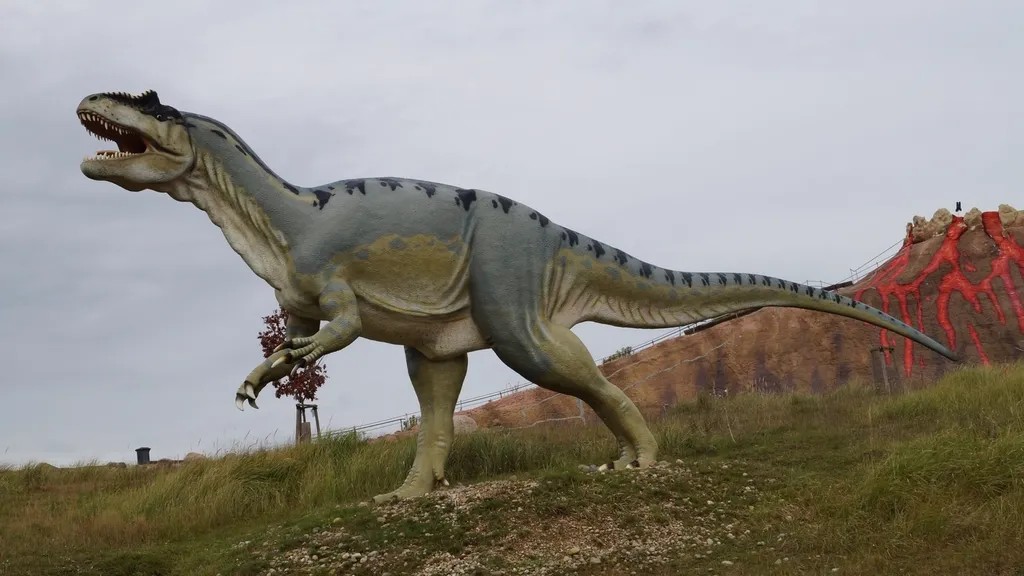
What if the way you scroll past a threat on social media, protect your home, or gather with your closest circle of friends is not so modern after all? What if these impulses are older – far older – than civilization itself, echoing behaviors that once kept enormous, magnificent creatures alive for over 160 million years? The connection between ancient dinosaurs and modern human behavior is not just poetic. It is, in many ways, deeply scientific, remarkably specific, and honestly a little mind-bending.
You might think dinosaurs are simply the stuff of fossils and Hollywood blockbusters. Honestly, that’s the easy version of the story. The harder, more fascinating truth is that the survival blueprints those prehistoric giants followed, the herding, the territorial displays, the parental devotion, the fight-or-flight response, are still running quietly in the background of nearly everything you do today. Let’s dive in.
Ancient Wiring, Modern Minds: The Evolutionary Case for Deep Behavioral Roots

Here’s the thing most people never stop to consider: your brain is not a product of the modern world alone. A convergence of research in genetics, neuropsychology, and paleobiology holds that although human beings today inhabit a thoroughly modern world of space exploration and virtual realities, they do so with the ingrained mentality of Stone Age hunter-gatherers. The architecture of behavior, it turns out, runs deep.
Evolutionary psychology examines how human behavior, emotions, and cognitive processes have been shaped by evolutionary forces, particularly natural selection, and posits that many mental capacities and instincts have developed to enhance survival and reproduction, similar to physical traits. Think of it like a computer still running old operating system code beneath a sleek, modern interface. The interface is polished. The code underneath is ancient.
Creativity, toolmaking, and language allowed humans to build civilizations, but they did not erase primal instincts. Instead, these higher-order traits merely “camouflaged” or temporarily suppressed our ancient drives. That is a stunning idea when you really sit with it. The boardroom power play, the neighborhood rivalry, the tribal politics – all of it has roots reaching back to creatures that roamed the Mesozoic.
Safety in Numbers: How Dinosaur Herding Mirrors Human Social Behavior
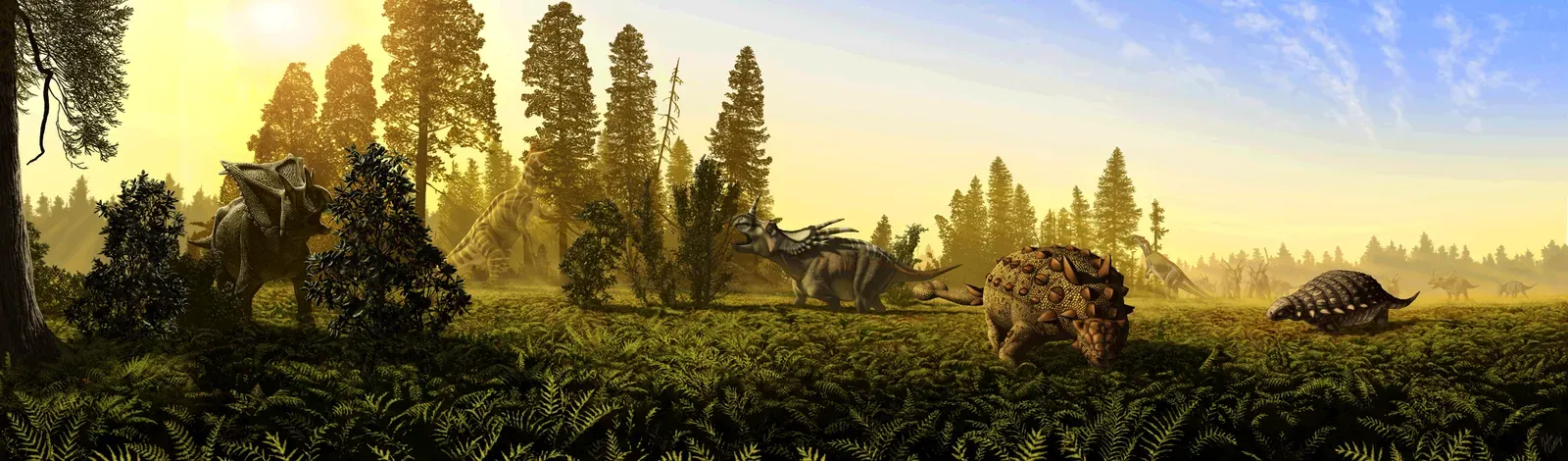
Gregarious behavior was common in many dinosaur species, and dinosaurs may have congregated in herds for defense, for migratory purposes, or to provide protection for their young. Sound familiar? You do the same thing every single time you seek out community, join a neighborhood watch, or text your friends when something feels off.
Dinosaurs are often portrayed as aggressive and territorial, suggesting they would generally live in solitude, but research has come to a very different conclusion: some of the earliest dinosaurs flourished by living socially within herds. Research has presented clear evidence that dinosaurs developed strategic and well-organized herd structures over 40 million years before initial estimates. The social instinct, in other words, is not modern. It is prehistoric and extraordinarily powerful.
It is really powerful to see just how deeply rooted social interactions are, because humans are such social animals, and we tend to think that sociality is somehow unique to us, or at least to our close evolutionary relatives, but social behavior goes way further back in the family tree. Every group chat, every team huddle, every family gathering – all are echoes of ancient survival strategy.
Territorial Instincts: From Dinosaur Displays to Property Lines and Power Struggles
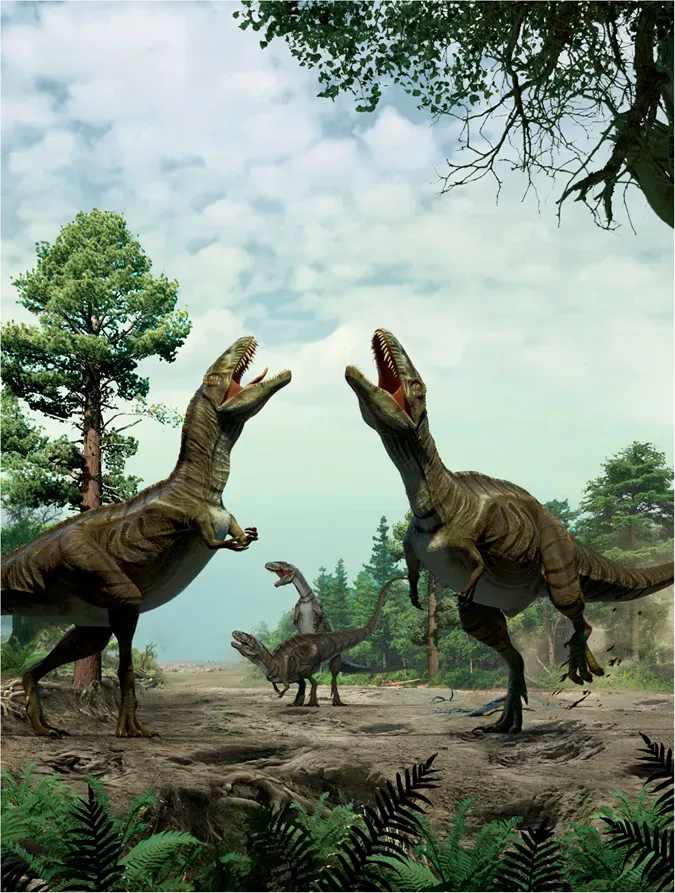
Dinosaurs, like many modern animals, exhibited territorial behavior and interacted with other species within their ecosystems. Fossil evidence suggests that certain dinosaurs used their physical features, such as crests and frills, for territorial displays and aggressive behavior, and these features may have been used to establish dominance within a social hierarchy or during mating rituals. I think about this every time someone plants a privacy fence or blasts music to declare their space.
Beneath the surface of prehistoric ecosystems, a complex web of power dynamics and political maneuverings can be discerned. Dominance hierarchies, resource competition, and even interspecies alliances were likely integral components of the dinosaur world. You can almost map this onto a modern city block, a corporate organizational chart, or a geopolitical rivalry. The names and suits have changed. The game has not.
The Fight-or-Flight Echo: Your Stress Response Has a Prehistoric Address
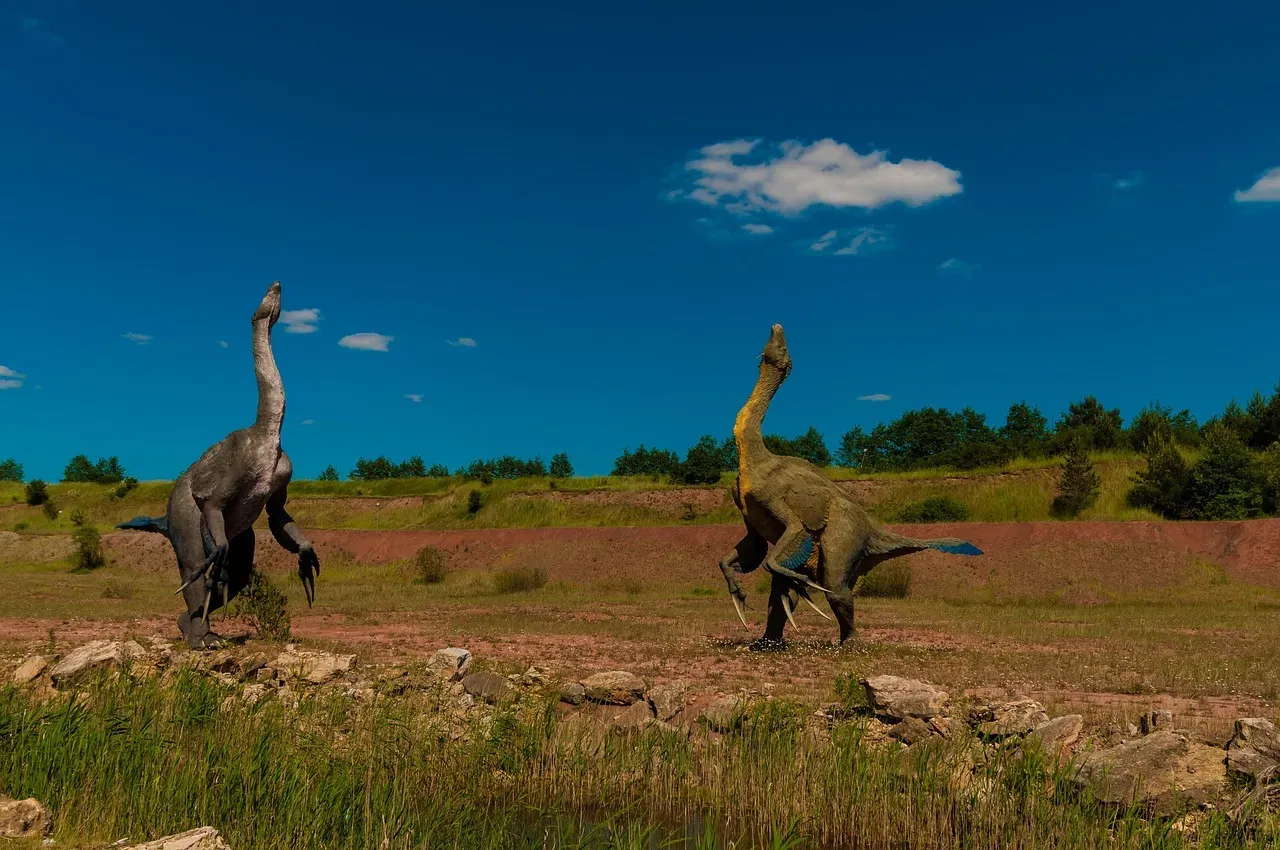
Self-preservation, often referred to as the survival instinct, is the inherent tendency of living organisms to take actions that enhance their chances of survival while minimizing potential harm. This instinct manifests in various ways, such as seeking food to satisfy hunger, escaping from dangers, or avoiding threats, and is foundational to many behavioral traits observed across species, including humans, where it historically influenced responses to hazards through mechanisms like the fight-or-flight reaction.
Within the neural circuits of the brain, fundamental survival responses remain. The fight-or-flight instinct, territorial aggression, and competition for resources continue to influence human actions. These primal drives may be masked by cultural developments, but they still guide decision-making in ways that affect global stability. When your heart rate spikes before a difficult conversation, or you freeze in panic during a crisis, you are running the same ancient program dinosaurs ran when predators emerged from dense Cretaceous foliage.
Humans are bound to their ancestral demands imprinted as a set of basic drives – territorialism, reproduction, survival, secure feeding sources, dominance, and cumulative behavior – which exist in friction with our cultural drives. That friction is something you feel every single day, perhaps without ever knowing its true origin.
Parental Care: Nurturing Instincts Older Than the Human Race
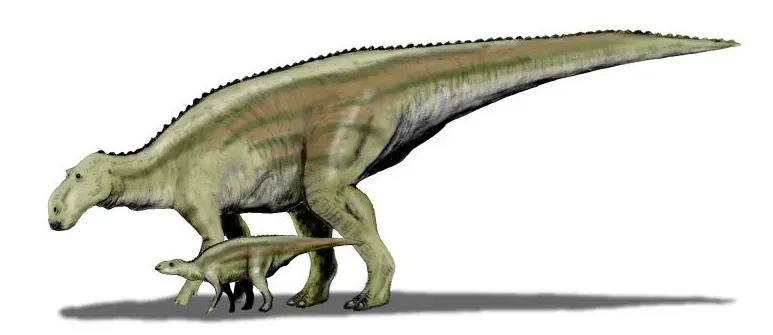
For millions of years, parents across the animal kingdom have cared for their eggs and young, providing both time and resources, sometimes to their own detriment. Dinosaurs were no exception. This is, honestly, one of the most emotionally stirring revelations in paleontology. The ferocious Tyrannosaurus, the iconic symbol of prehistoric terror, may have been a devoted parent.
Fossils offer the most direct evidence that dinosaurs cared for their newborns. The best example is the hadrosaur Maiasaura, meaning “good mother lizard.” In 1979, Jack Horner discovered adult skeletons near babies, which suggests that parents brought food to offspring and guarded nests from predators. These nesting grounds were preserved in successive layers, meaning that parents returned to the same grounds to mate, possibly every year, like many birds today. That devotion, that compulsion to return and protect, is something you recognize in every human parent who checks on a sleeping child.
Paternal care in both troodontids and oviraptorids indicates that this care system evolved before the emergence of birds and represents birds’ ancestral condition. Let’s be real – the idea that devoted fatherhood predates humanity by hundreds of millions of years is both humbling and extraordinary.
Dominance Hierarchies: Ancient Power Plays in Modern Politics and Business

According to Professor Jorge A. Colombo, a medical researcher and expert in neuroscience, the urge to dominate and exhibit aggression is evolutionarily etched into the human brain. This is not a personality flaw or a cultural glitch. It is ancient architecture, built for a world of predators and scarce resources. You see it mirrored in boardroom politics, national elections, and even school playgrounds.
Dominance hierarchies manifest in politics through military oppression, propaganda, and financial repression. In religion, they appear as punishing gods or esoteric threats. Even education systems often rely on forms of punishment and thought conditioning to maintain control. Emerging theories suggest that communication and social signaling played a vital role in the political landscape of the dinosaur world, with vocalizations, visual displays, and even scent-marking behaviors employed to assert dominance, establish territories, and negotiate resource-sharing agreements. The parallel is almost unsettling in its clarity.
Migration and Restlessness: The Ancient Urge to Move and Seek
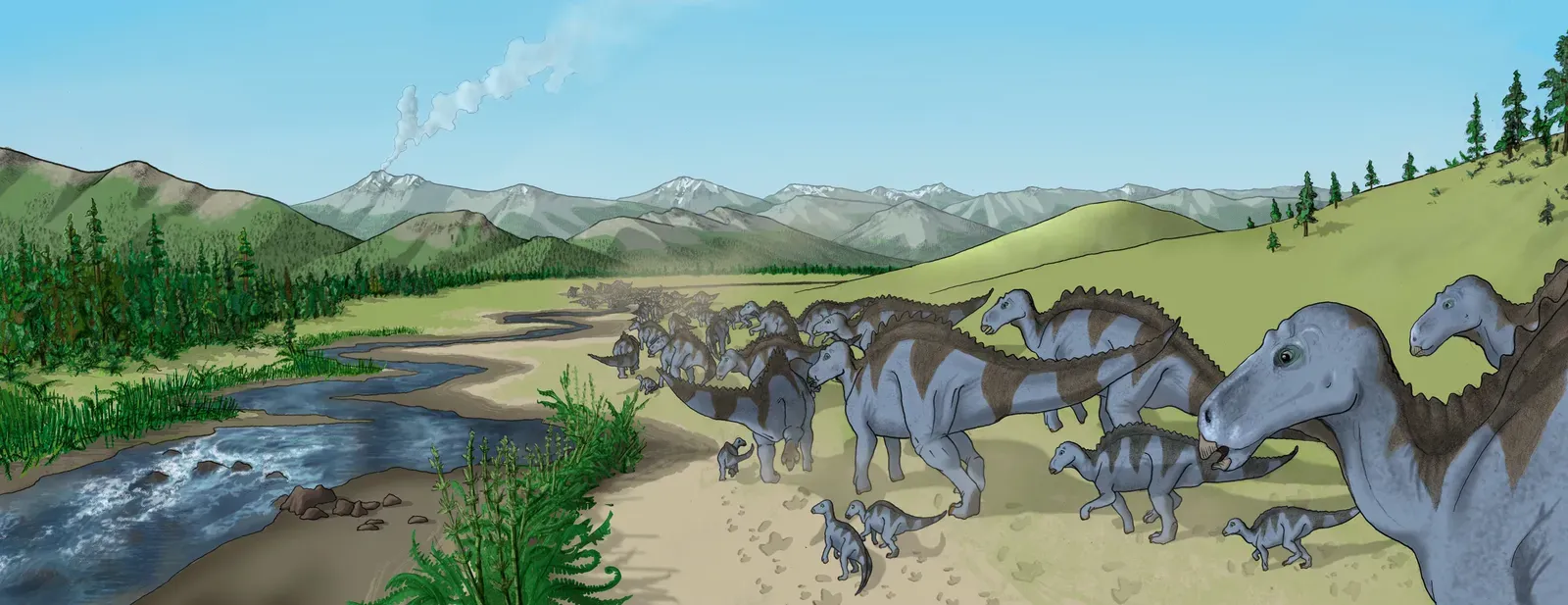
Recent research suggests that many dinosaurs might have been on the move, migrating across vast distances in search of food, favorable climates, and safe breeding grounds. The study of dinosaur migration and seasonal behavior offers a fascinating glimpse into how these ancient giants adapted to the changing world around them. You do not need a Cretaceous fossil record to recognize this impulse. You see it every time someone relocates across the country chasing opportunity, or every spring when restlessness sets in and you crave change.
Different species made annual treks to the same nesting ground, showing that site fidelity was an instinctive part of dinosaurian reproductive strategy. Some dinosaur trackways record hundreds, perhaps even thousands, of animals, possibly indicating mass migrations. The existence of so many trackways suggests the presence of great populations moving across the landscape. That drive – to move seasonally, to return to familiar ground, to seek better conditions – sounds remarkably like the human story of migration that eventually populated every corner of the planet.
Attention Bias and Threat Detection: You Still Watch for Predators
Evidence of early humans’ behavioral traits has been found in studies about what the human brain is most likely to notice. Ancient humans had to pay attention to predators and prey to avoid danger and find food. Studies have found that modern human brains are still wired to pay more attention to humans and animals than to motionless objects. This phenomenon is called attention bias. It is hardwired. It is prehistoric. It is you, scanning the room the second you walk in.
People develop phobias for spiders and snakes and things that were ancestral threats. It’s very infrequent to have somebody afraid of cars or electrical outlets. Think about that for a moment. Cars statistically pose a far greater threat to your survival than a spider ever will, yet the spider makes your skin crawl. Your threat detection system is not calibrated for the modern world. It is calibrated for a world that included massive predatory dinosaurs and ancient, lurking dangers.
Evolutionary psychologists have suggested that the aspects of brain and behavior that consistently conferred the greatest advantages on human ancestors are those that are most likely to now be automatic – that is, subconscious or instinctive. Every involuntary flinch, every hair that stands up on the back of your neck – that is millions of years of survival intelligence, still running quietly in the background.
Conclusion: You Carry Their Echo

The great dinosaurs are gone, yes. Their bones lie scattered in museums and buried in stone. Yet in a very real, very measurable sense, they have never entirely left. Their survival playbook – herd together, protect your young, assert your territory, detect your threats, keep moving toward resources – is still being followed by you, right now, in the middle of a world full of smartphones and skyscrapers.
Evolutionary psychology provides insights into human behavior by linking it to our evolutionary past, while recognizing that modern experiences can reshape these instinctual responses. That is perhaps the most hopeful part of all this. You are not simply captive to ancient impulses. Once you recognize them, you can begin to reshape them. By understanding the evolutionary roots of behavior and taking a good look in the mirror, we can begin to address the systemic issues that threaten our collective future.
So the next time you feel the urge to protect your space, bond with your group, or freeze in the face of an unexpected threat – ask yourself: is this me, or is this something much, much older? The answer, it turns out, might be both. What do you think – does knowing the prehistoric roots of your behavior change how you see yourself?