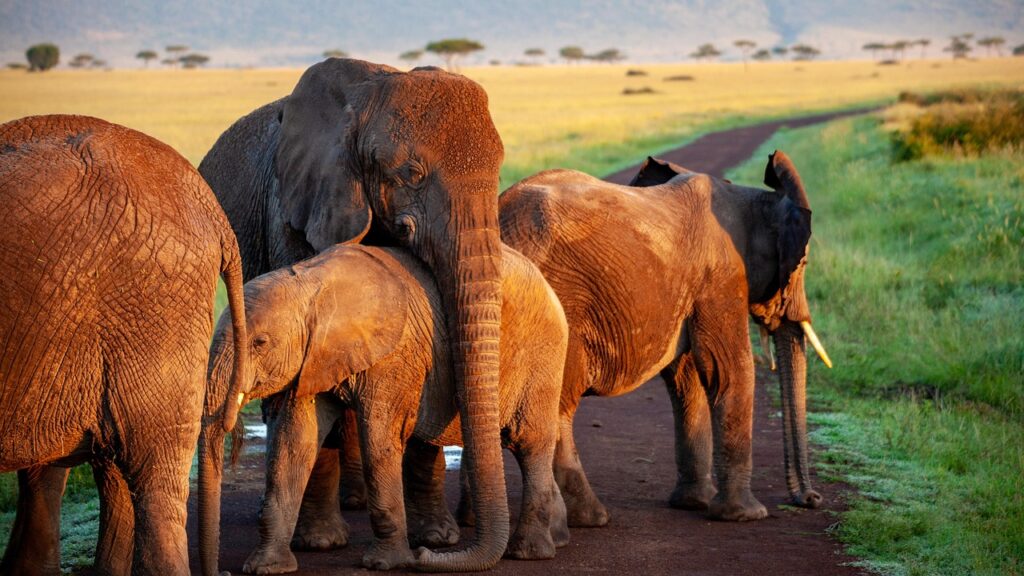
Have you ever stood at the edge of a forest at dusk, or looked into the flames of a campfire, and felt something stir inside you that went far deeper than simple appreciation? Like a quiet vibration calling you home to somewhere you’ve never actually been? It’s a strange, almost unsettling feeling, and yet so many people describe it with startling similarity, across cultures, across continents, across generations.
The idea that we carry whispers of our ancient past isn’t just poetic fantasy. Science tells us that the modern human body evolved over millions of years, and the instincts passed down by human ancestors often conflict with the reality of modern life. Honestly, that disconnect might be the very thing making you feel like you don’t quite belong to this era. So if you’ve ever wondered whether something ancient is woven into the very fabric of who you are, keep reading. What you find might surprise you.
You Feel an Overwhelming Pull Toward Wild, Untamed Nature

Let’s be real, there’s a massive difference between enjoying a park on a Sunday afternoon and actually feeling like the wilderness is where you truly belong. If open plains, dense forests, and ancient rock formations don’t just impress you but genuinely feel like relief, like taking off shoes you’ve been wearing all day, that’s worth paying attention to. You’re not just appreciating scenery. You’re recognizing something.
There’s a powerful scientific concept behind this. The Biophilia Hypothesis posits that human beings possess an inherent, genetically based tendency to connect with nature and other living systems, and that this deep-seated attraction to life is not merely a learned preference or a cultural artifact, but rather a crucial evolutionary adaptation. It’s hard to say for sure where preference ends and prehistoric memory begins, but in each human being three fundamental experiences are probably present and settled: the wild Nature of the Paleolithic, the domestic Nature of the Neolithic, and the absent Nature of the Urban environment. If the wild one feels the loudest in you, that might tell you something profound.
You Experience Recurring Dreams Set in Ancient or Unfamiliar Worlds
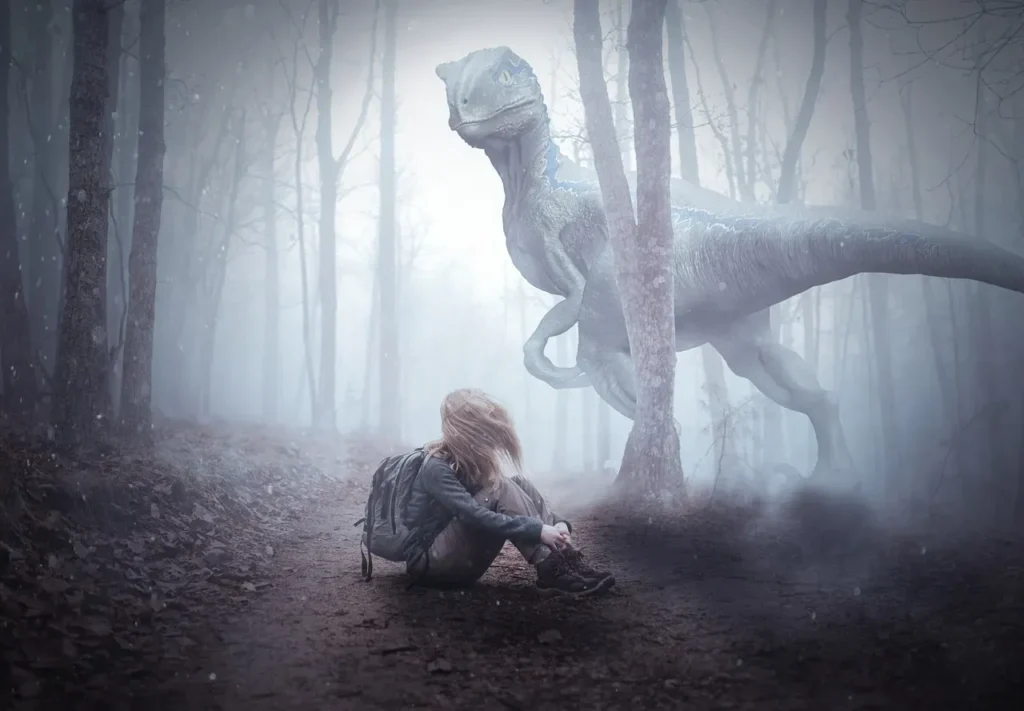
Dreaming is one of the few places where your rational mind steps aside and something older takes the wheel. If you regularly find yourself navigating ancient landscapes in your sleep, perhaps hunting under a sky full of stars, walking barefoot across red earth, or standing at the mouth of a cave you somehow know like home, you shouldn’t dismiss that. Dreams that transport you to unfamiliar places or different lives might offer glimpses into deep memory, because when we sleep, the barriers between our conscious and subconscious minds lower, allowing hidden memories to surface. If you frequently dream about specific time periods or locations you’ve never experienced, it might be your soul accessing something far older.
Pay close attention to the emotional quality of those dreams, not just the visuals. A sense of familiarity or belonging in otherwise strange settings can be a significant indicator. Think about it this way: if you dreamed about a city you’d never been to and woke up homesick for it, wouldn’t you find that strange? That’s exactly the kind of emotional data worth sitting with. Recurring themes, imagery, or landscapes in your dreams that feel deeply symbolic or portentous could be fragmented memories leaking through from past existences.
You Have Instinctive Survival Skills You Never Actually Learned
Here’s the thing, some people just know things they have no logical reason to know. You might read animal tracks as if it’s second nature, navigate by the stars without ever taking a course, or know instinctively where to find water in an unfamiliar landscape. These aren’t random personality quirks. Talents or abilities that come naturally without much practice or formal training are among the clearest signs of something carried from beyond this lifetime. When a skill feels like remembering rather than learning, that’s a very different experience.
There is deep evolutionary science supporting this, too. In our core neural circuits survive our basal drives, and over time, thanks to the brain’s plasticity, it has added a neurobiological scaffolding on top of our animal drives, allowing for the emergence of traits such as creativeness, cognitive expansion, artistic expression, progressive toolmaking, and rich verbal communication. The ancient wiring doesn’t disappear. These traits did not deactivate or suppress those ancient drives and only succeeded in diverting their expression or repressing them temporarily. That ancient wiring is still humming underneath the surface in you.
You Feel Deeply Out of Place in Modern, Urban Life

If skyscrapers make you feel claustrophobic, if traffic and screens and constant connectivity feel not just tiring but almost physically wrong, you’re not simply an introvert or a minimalist. You might be someone whose inner compass is still pointing at a world that no longer quite exists. If you often feel out of place, as though you don’t quite fit in, this feeling could suggest something deeper. Many who carry a strong prehistoric connection describe feeling disconnected from modern life, yearning for a simpler time or a different way of living.
This feeling is more than nostalgia. Because evolutionary change is a slow process, much of that preinstalled software is designed for life on the African savanna rather than the post-industrial world. You’re essentially a piece of ancient hardware running in a world that has updated its software far faster than your biology can follow. Although our environment has changed dramatically since prehistoric times, the same caveman brain still drives many of our instincts today, and although it was designed to keep us alive, it can cause unnecessary stress and anxiety in modern life. The friction you feel isn’t a flaw. It might actually be a sign of deep ancestral authenticity.
You’re Inexplicably Drawn to Specific Prehistoric Cultures or Time Periods
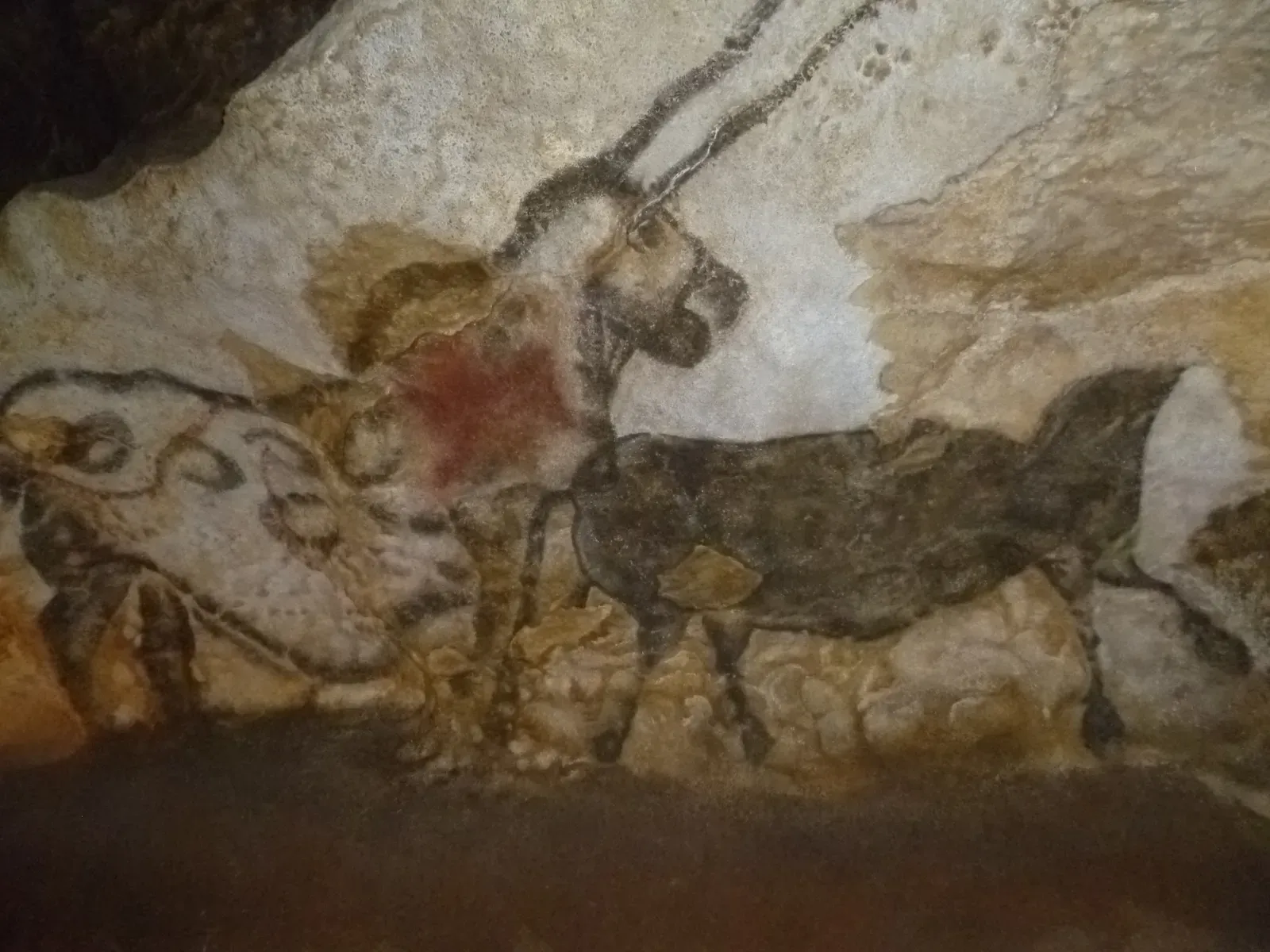
Maybe it’s the Paleolithic cave paintings of Lascaux that make your throat tighten with something close to recognition. Or perhaps it’s the Neolithic megaliths, the ancient Aboriginal songlines, or the rhythmic tools of early hunter-gatherers that make you feel a pull you can’t explain to anyone else. Feeling a deep connection to a specific historical time, place, or culture, without having any present-life connection, can be a clue of deep ancestral memory. That attraction often comes loaded with inexplicable emotion.
This attraction often feels like a homecoming, as if you resonate with the customs and values of a culture vastly different from your own. You may find yourself drawn to specific foods, music, or traditional practices, or even daydreaming about living in a historical time. I think what makes this sign particularly compelling is that it rarely feels like academic interest. It feels personal, like reading your own biography written in a language you’ve forgotten but your heart still understands. An inexplicable attraction to a culture, era, or subject disconnected from your current life experience may be a calling from the past.
You Experience Powerful, Unexplained Physical and Emotional Responses

Standing at the edge of a cliff and feeling both terror and a strange, ancient pride. Hearing the crack of a fire and relaxing before your brain even registers what the sound is. Feeling rage or grief that seems older than your own lifetime. One of the clearest signs is having very visceral, emotionally charged reactions or affinities to certain people, places, or things that you can’t rationally explain. These responses are different from ordinary emotional reactions. They arrive like echoes rather than originals.
Your body, frankly, holds a kind of memory your mind cannot access consciously. Like in pre-historic times, the hormones produced through today’s stress-generated fight-or-flight response prepare us to confront the enemy or flee for survival, just as ancient creatures did when faced with their predators. That’s not metaphor, that’s actual biology. These responses are the result of evolution in a world in which humans were constantly vulnerable to predators, poisonous plants, and natural phenomena. Fear was a fundamental connection with nature that enabled survival, and as a result, humans needed to maintain a close relationship with their environment. When your body responds to something ancient before your rational mind can even catch up, you’re touching prehistory in real time.
You Possess a Deep, Almost Sacred Relationship With Fire, Water, and Earth
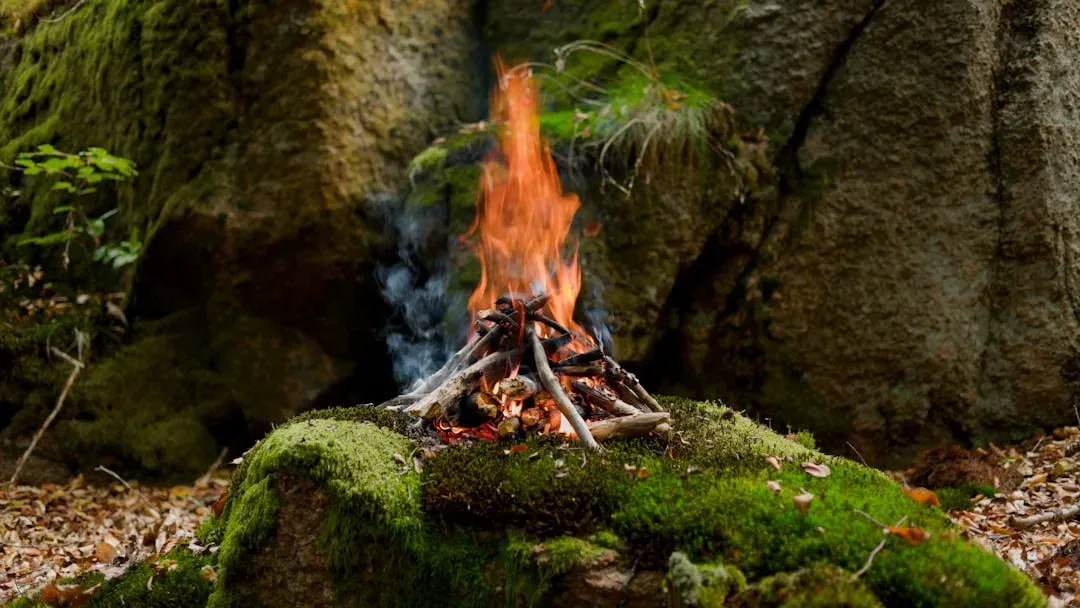
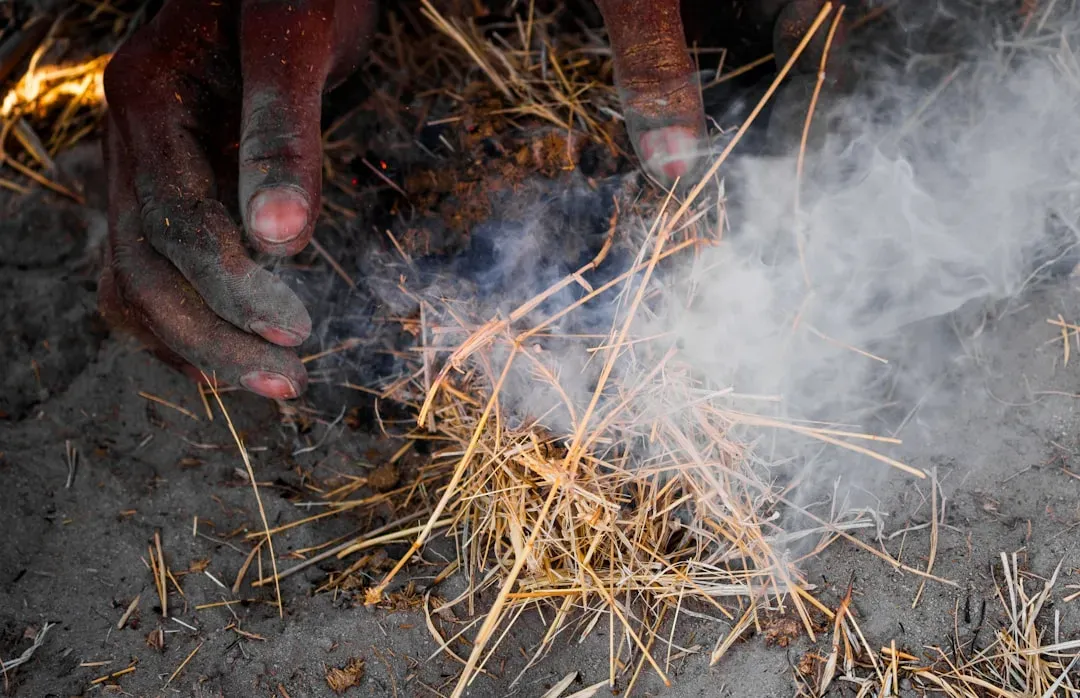
Fire is not just warm. Water is not just wet. Earth is not just dirt. For some people, these elemental forces carry an almost unbearable weight of meaning, a reverence that goes way beyond what any modern education could have instilled. If lighting a fire or sitting by a river feels more like ritual than recreation to you, pay close attention to that. The pervasiveness of spiritual reverence for animals and nature in human cultures worldwide is evidence of biophilia, and such spiritual experience and widespread affiliations with natural metaphors appear to be rooted in the evolutionary history of the human species, originating in eras when people lived in much closer contact with nature.
For the vast majority of human history, our ancestors lived in direct, intimate contact with the natural world. Their survival depended critically on understanding, interacting with, and often manipulating their environment – finding food, shelter, recognizing dangers, and using plants for medicine. Elements like fire and water weren’t just utilities to prehistoric humans. They were life itself. Over time, early humans began to gather at hearths and shelters to eat and socialize. If those same primal gathering places still call to something deep in your chest, you might be answering a very old invitation.
You Carry an Innate Drive Toward Community, Ritual, and Collective Memory

You’re not just someone who enjoys being around people. You feel a need for deep, tribal belonging, for shared rituals, oral storytelling, ceremonies that mark time and passage, and for belonging to a group defined by mutual survival rather than casual acquaintance. This is different from being sociable. It’s something older and more urgent. Recent archaeological discoveries suggest that human organization on a scale larger than small bands predates agriculture by tens of thousands of years. The peer instinct, an adaptation for copying the learned responses of others, enabled early humans to engage in coordinated activities and develop rich cultures, and this instinct allows us to internalize the codes for each cultural community we belong to.
From almost the very start of humanity, we have been tribal animals. That fact runs so deep that no amount of urban individuality has fully erased it. Modern behavior can be recognized by creative and innovative culture, language, art, religious beliefs, and complex technologies. Yet beneath all of that layering, the hunger for something more primal persists in certain people with remarkable intensity. If you feel at your most alive around a fire with people you trust, sharing stories and marking life’s passages together, that’s not a personality type. That’s a prehistoric echo ringing clear and strong inside you.
Conclusion: The Ancient Thread That Runs Through You
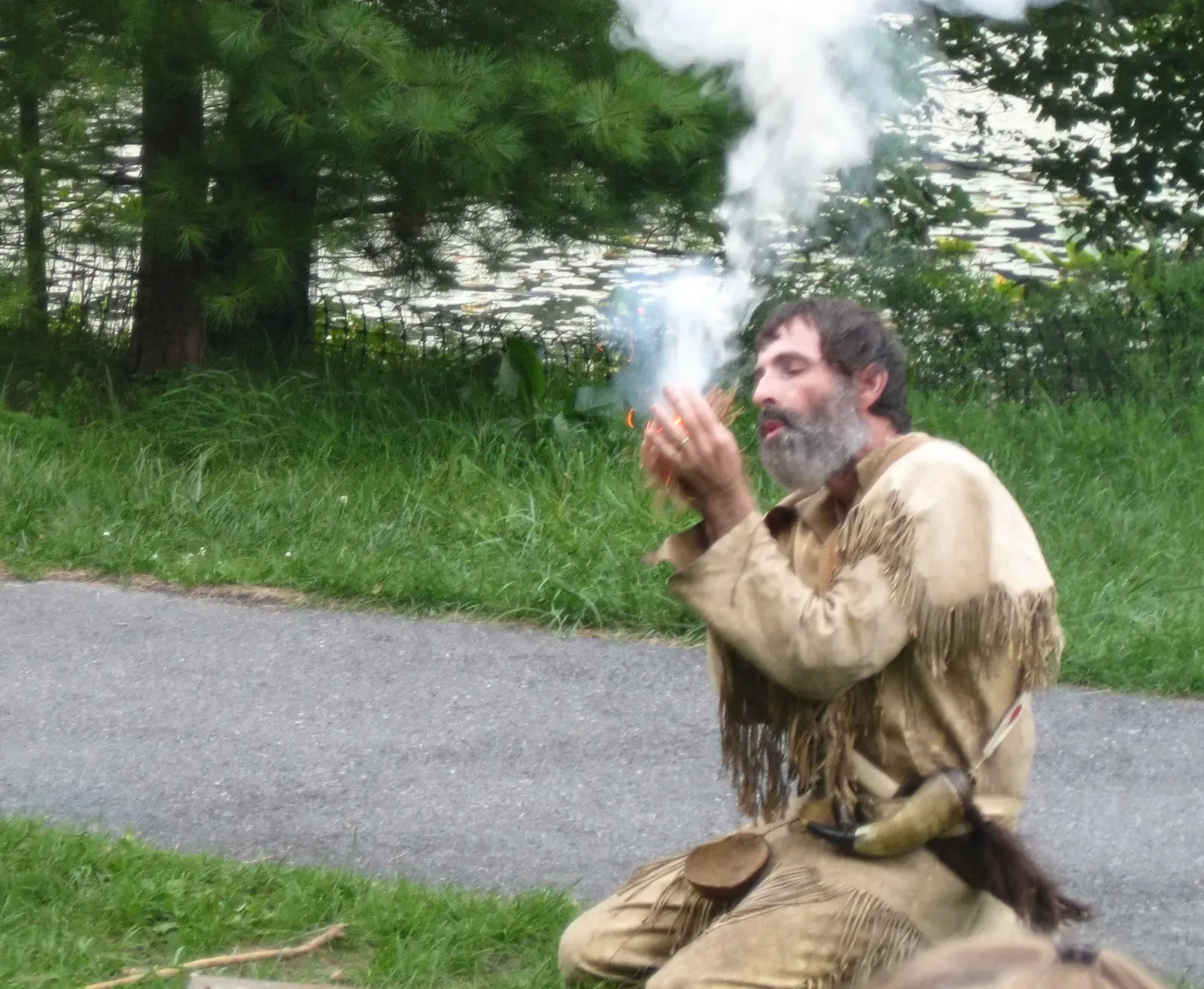
What we’re really talking about here is a kind of layered identity, one where your modern self exists like a surface on top of something far older, far wilder, and far more enduring. The eight signs explored in this article aren’t quirks or coincidences. They’re data points, clues pointing back to something real about who you are at a cellular and spiritual level.
When you allow yourself to explore the possibility that your soul carries older experiences, these signs can offer profound insights into your identity and place in the universe. Recognizing these experiences doesn’t require you to fully embrace any single belief system; instead, view them as invitations to explore deeper aspects of your own existence. The Stone Age didn’t just shape the bones of our ancestors. It shaped the instincts, the longings, and the quiet recognitions that still live inside you today.
The real question isn’t whether you have a connection to prehistoric eras. Most likely, you do. The real question is just how loud those echoes are in you. Did any of these signs feel startlingly familiar? Tell us in the comments which one resonated with you the most.