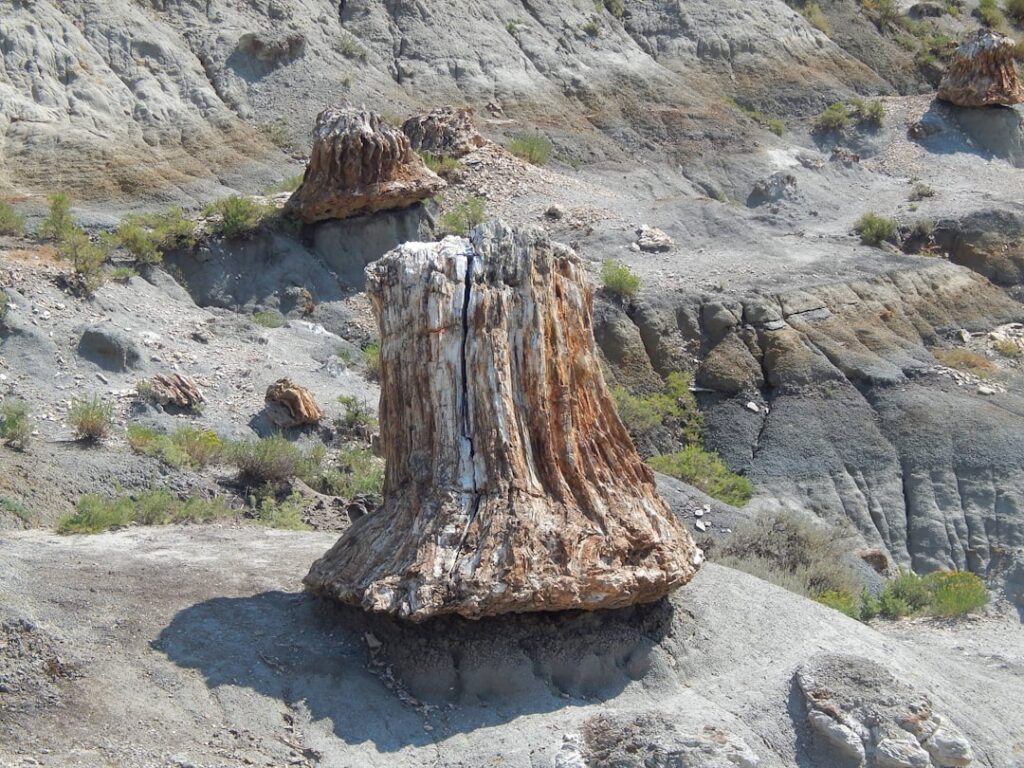
Security analysts often fixate on armed conflicts, economic disruptions, and cyber threats, yet the steady unraveling of Earth’s ecosystems presents a far more insidious challenge to international stability.
Critical Thresholds Nearing Breach
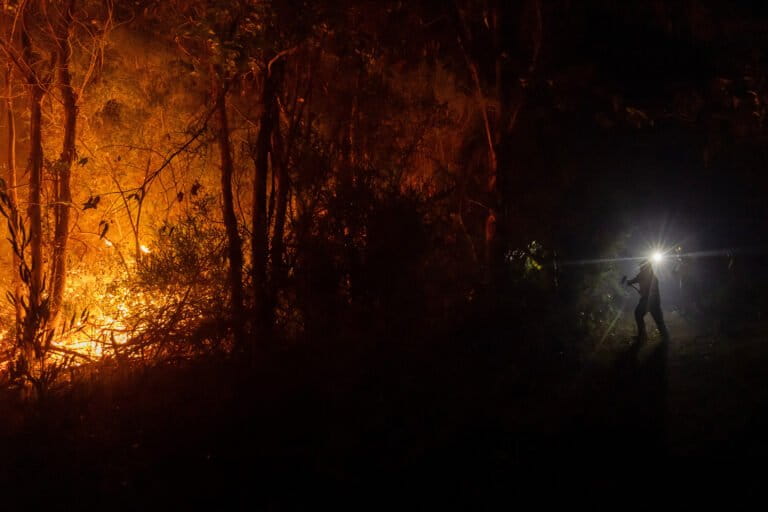
Critical Thresholds Nearing Breach (Image Credits: Imgs.mongabay.com)
Researchers have identified several key tipping points where ecosystems could shift abruptly into new, degraded states. Warm-water coral reefs, for instance, faced thermal stress at just 1.4 degrees Celsius of warming, leading to widespread dieback that already imperils fisheries and coastal protections for millions.
The Amazon rainforest edges closer to a savanna-like transformation after 20-25% deforestation, a threshold now approached at 17% loss, which would unleash massive carbon emissions and disrupt global rainfall patterns. Similarly, the Atlantic Meridional Overturning Circulation risks slowdown or collapse below 2 degrees Celsius, potentially chilling Europe while intensifying storms elsewhere. Boreal forests and polar ice sheets also loom as vulnerable, with some collapses projected as early as the 2030s.
Cascading Security Consequences
These biophysical shifts trigger chains of events that amplify geopolitical tensions. Crop failures and fisheries declines spark food price spikes, fueling inflation and political unrest in import-dependent nations.
A recent UK government assessment highlighted how ecosystem failures could drive mass migration, with a mere 1% rise in food insecurity prompting nearly 2% more displacement. Heightened competition over water and arable land exacerbates border disputes and internal conflicts, while biodiversity loss heightens pandemic risks through zoonotic spillovers. Organized crime groups exploit the chaos, trafficking people and monopolizing scarce resources.
- Geopolitical instability from resource wars.
- Economic shocks, including supply chain breakdowns.
- Migration surges straining borders and social cohesion.
- Weakened state legitimacy amid repeated disasters.
- Increased terrorism opportunities in ungoverned spaces.
Blind Spots in Risk Assessment
Traditional models fail to capture these non-linear threats, projecting smooth economic drags rather than sudden regime shifts. The World Economic Forum’s 2026 Global Risks Report ranked four of the top five long-term dangers as climate and ecosystem-related, including extreme weather and biodiversity loss.
Six of nine planetary boundaries now stand transgressed, from biosphere integrity to novel entities like plastics, signaling humanity’s exit from safe operating space. Wildlife populations plummeted 73% since 1970, with freshwater species down 84%, underscoring the scale of degradation. Such oversights leave policymakers unprepared, as seen in underestimations of GDP losses that could reach 50% by 2070-2090 under worst-case scenarios.
Strategies for Mitigation and Adaptation
Nations can avert catastrophe by prioritizing nature-based solutions alongside emission reductions. Regenerative agriculture and restoration of forests, wetlands, and mangroves offer cost-effective buffers against collapse.
The Kunming-Montreal Global Biodiversity Framework sets ambitious targets, such as protecting 30% of land and oceans by 2030, while halving emissions by decade’s end aligns with limiting warming to 1.5 degrees Celsius. Investments in resilient food systems, including reduced waste and alternative proteins, bolster security for import-reliant countries like the UK, which sources 40% of its food abroad.
Key Takeaways
- Act before 2030 to safeguard tipping elements like corals and rainforests.
- Embed ecosystem risks in national security planning.
- Pursue rapid clean energy transitions for dual climate and stability benefits.
Ecosystem collapse demands urgent reframing as a core security imperative, far outweighing isolated conflicts in scope and permanence. Protecting nature now averts costlier crises later – what steps should leaders take next? Share your views in the comments.