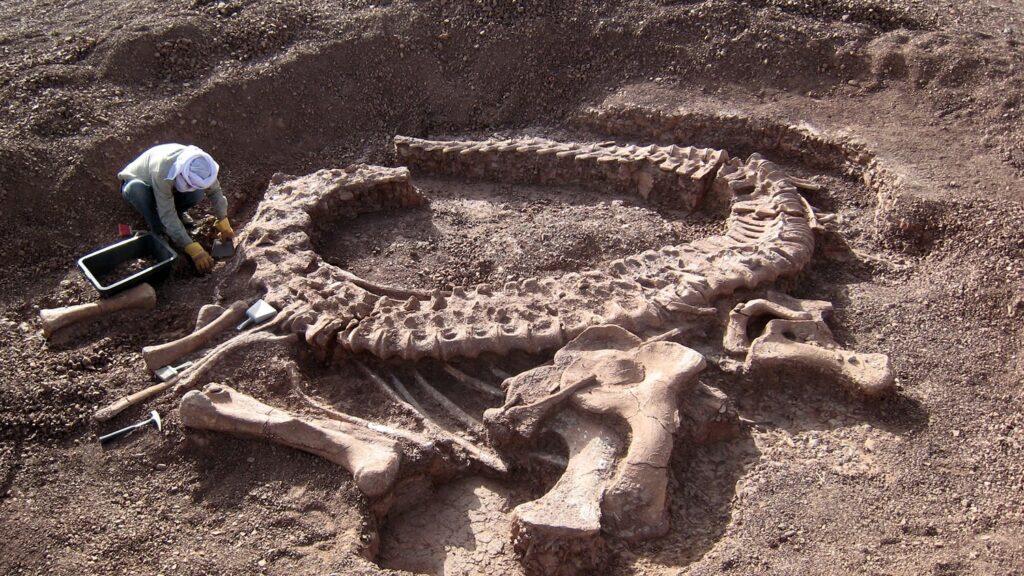
Edmontosaurus, one of the most well-documented dinosaurs in paleontological history, has fascinated scientists for generations due to its remarkable preservation in the fossil record. This duck-billed dinosaur, or hadrosaur, roamed North America during the Late Cretaceous period and left behind not just skeletal remains but also extraordinarily rare “mummified” specimens with preserved skin impressions. These exceptional fossils have provided unprecedented insights into the appearance, lifestyle, and biology of these ancient creatures. From their massive size to their sophisticated chewing mechanisms, Edmontosaurus represents one of paleontology’s most complete windows into dinosaur life approximately 70 million years ago.
Taxonomic Classification and Discovery History
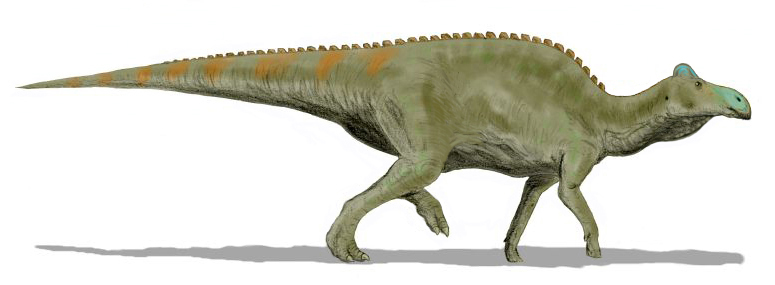
Edmontosaurus belongs to the family Hadrosauridae, commonly known as duck-billed dinosaurs, within the larger ornithischian dinosaur group. The genus was first named in 1917 by Lawrence Lambe based on specimens found near the Red Deer River in Alberta, Canada, though related fossils had been discovered earlier under different names. Two main species are currently recognized: Edmontosaurus regalis and Edmontosaurus annectens, with ongoing debates about possible additional species. The genus name honors the Edmonton Formation where many specimens were found, while the species names reflect either the “royal” size of these animals (regalis) or their “connected” relationship to other hadrosaurs (annectens). Early discoveries in the late 19th and early 20th centuries set off what became known as the “Bone Wars,” with paleontologists racing to collect and describe these impressive dinosaurs.
Physical Characteristics and Size
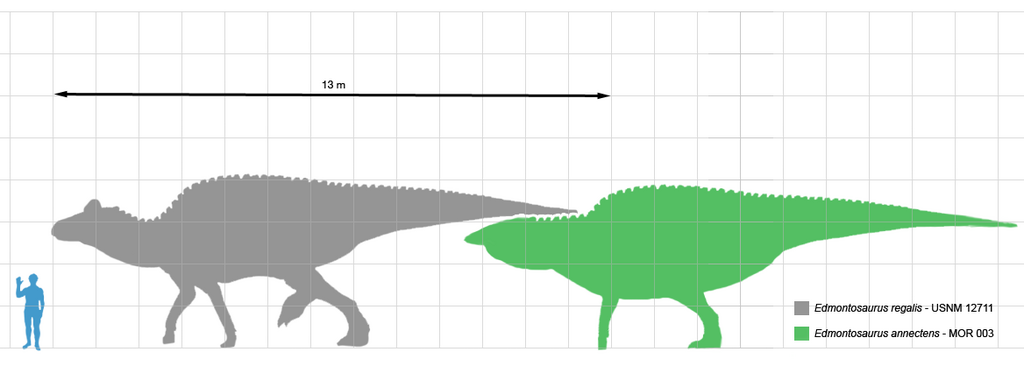
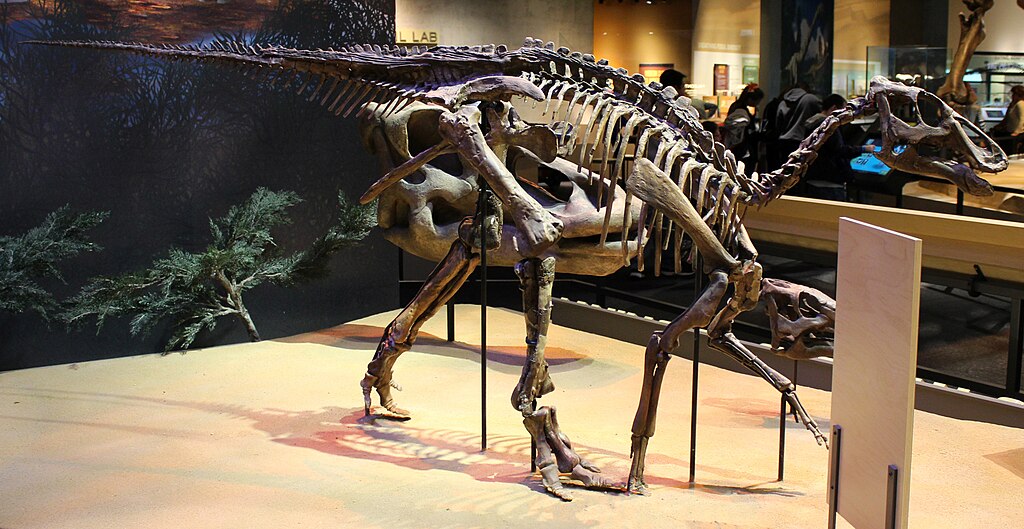
Edmontosaurus was among the largest hadrosaurs, reaching impressive dimensions that made it one of the dominant herbivores of its ecosystem. Adult specimens typically measured between 12 to 13 meters (39 to 43 feet) in length, with some individuals potentially growing even larger. Their weight estimates range from 3 to 4 metric tons, comparable to a modern elephant. The dinosaur’s most distinctive feature was its flattened, duck-like bill that broadened toward the front, perfectly adapted for cropping vegetation. Unlike some other hadrosaurs, Edmontosaurus lacked an elaborate crest on its head, instead having a relatively flat skull profile with expanded nasal passages inside. Their powerful hind limbs were longer than their forelimbs, suggesting they could move on all fours but likely ran on their hind legs when needing to move quickly. The tail was long and stiffened by ossified tendons, helping with balance during bipedal locomotion.
The “Mummified” Fossils Phenomenon

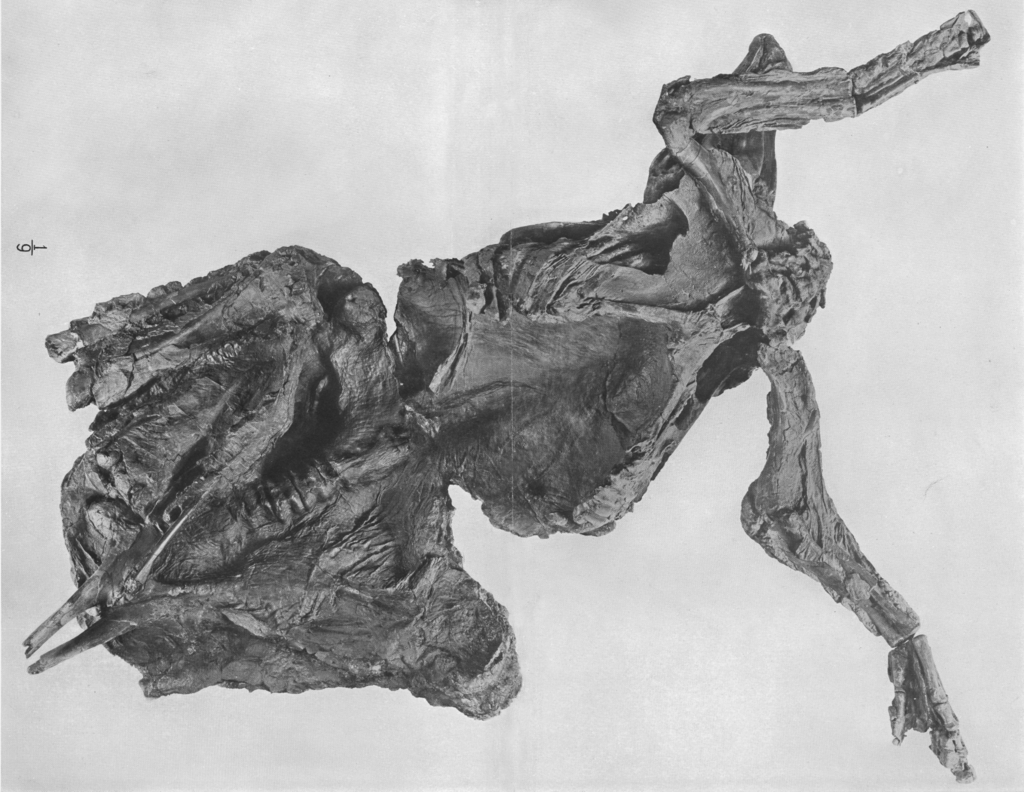
The most remarkable aspect of Edmontosaurus in the fossil record is the preservation of several “mummified” specimens that include impressions of skin and soft tissues. These rare fossils formed under exceptional circumstances where the dinosaur’s remains were rapidly buried in fine sediment before significant decomposition could occur. The most famous of these specimens is the “Edmontosaurus mummy” discovered in Wyoming in 1908 by fossil collector Charles H. Sternberg and his sons. This specimen preserved detailed skin impressions over much of the body, showing a complex pattern of scales that varied in size and arrangement depending on their location. Unlike actual mummies from Egypt, these dinosaur “mummies” don’t contain preserved soft tissue but rather detailed impressions that recorded the animal’s external features. The preservation of these skin impressions has been crucial for understanding aspects of hadrosaur biology that bones alone could never reveal, including their actual appearance in life.
Skin Patterns and External Appearance

The remarkably preserved skin impressions from mummified Edmontosaurus specimens have revealed fascinating details about this dinosaur’s external appearance. The skin was covered in tubercles (small, bumpy scales) that varied in size and arrangement across different body regions. Larger, polygonal scales dominated areas along the flanks and tail, while smaller scales covered more flexible regions like the joints. Particularly interesting are the discoveries of larger feature scales arranged in rosette patterns across parts of the body, creating a distinctive pebbly texture. Unlike some artistic depictions, the skin impressions show no evidence of dorsal spines or frills, suggesting a relatively smooth-backed appearance. The skin texture likely served multiple purposes, including protection, thermoregulation, and possibly species recognition. These findings have dramatically revised how artists and scientists visualize these animals, moving away from the smooth-skinned depictions of early paleoart to more accurate reconstructions showing the complex scalation patterns.
Habitat and Geographic Distribution

Edmontosaurus had a remarkably wide geographic range across Late Cretaceous North America, with fossils discovered from Alaska to Colorado and from California to New Jersey. This extensive distribution makes it one of the most widespread dinosaur genera known from the time period. The environments these dinosaurs inhabited were primarily coastal plains and river deltas, areas that would later form the Hell Creek, Lance, and Horseshoe Canyon formations. These were lush, warm wetlands with abundant vegetation, including conifers, ferns, and flowering plants that would have provided ample food. Edmontosaurus appears to have been highly adaptable, able to thrive in various climates, including the relatively warm temperate regions of what is now the American Midwest and the cooler conditions of ancient Arctic Alaska. Their wide distribution suggests they may have migrated seasonally, following food sources or avoiding harsh weather, though this remains an active area of research among paleontologists.
Feeding Adaptations and Diet

Edmontosaurus possessed one of the most specialized feeding apparatuses among dinosaurs, perfectly adapted for its herbivorous lifestyle. Its broad, duck-like bill contained hundreds of teeth arranged in dental batteries—complex structures with multiple rows of replacement teeth constantly growing as older teeth wore down. These teeth formed an efficient grinding surface that could process tough plant material with remarkable efficiency. Microscopic wear patterns on fossilized teeth suggest Edmontosaurus fed primarily on fibrous vegetation, likely including conifers, cycads, and other tough plants that dominated Late Cretaceous forests. The flexibility of its skull, particularly at the joint between the upper jaw and skull (the pleurokinetic joint), allowed for complex chewing motions that maximized food processing. Studies of coprolites (fossilized dung) associated with hadrosaurs have revealed particles of various plant materials, confirming their plant-based diet. The combination of a broad bill for cropping vegetation and sophisticated dental batteries for processing it made Edmontosaurus an extremely successful herbivore in its ecosystem.
Social Behavior and Herd Structure
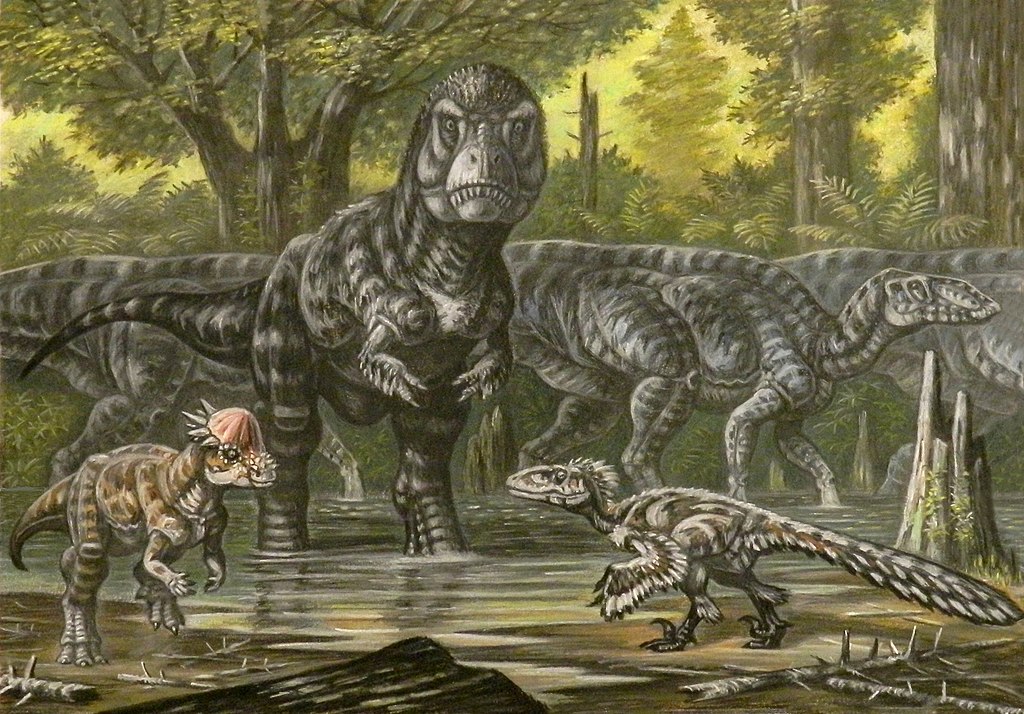
Evidence from multiple bone beds containing numerous Edmontosaurus individuals suggests these dinosaurs were highly social and likely lived in herds for much of their lives. These mass death assemblages, where dozens or even hundreds of individuals were preserved together, provide compelling evidence for gregarious behavior. Age distribution analysis of these bone beds indicates that herds may have contained mixed age groups, including juveniles, subadults, and mature individuals, suggesting family groups or structured social units. Living in herds would have provided significant advantages, including protection from predators like Tyrannosaurus rex, which is known to have preyed upon Edmontosaurus based on bite marks found on some specimens. Social behavior may have also facilitated more efficient foraging and possibly cooperative care of young. Growth ring analysis of bones indicates that young Edmontosaurus grew rapidly, reaching adult size within approximately 10 years, suggesting a life history strategy that may have involved complex parental care early in life, followed by integration into the larger herd structure.
Growth Patterns and Ontogeny
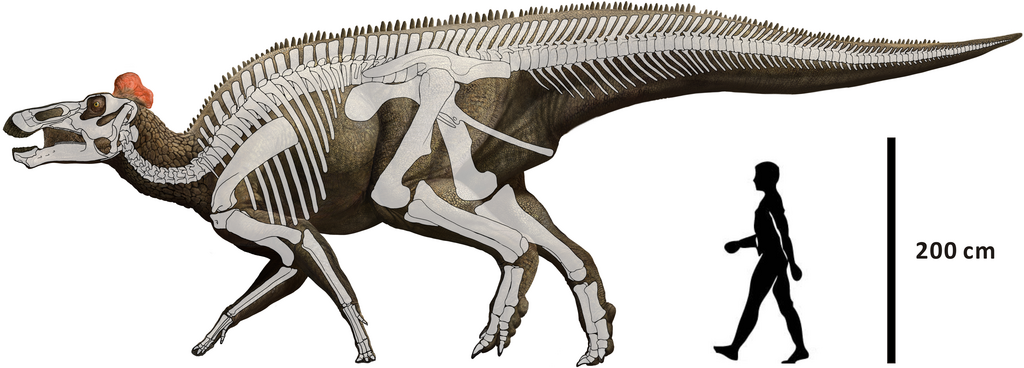
The study of Edmontosaurus fossils from various growth stages has provided insights into how these dinosaurs developed from hatchlings to massive adults. Histological examinations of bone microstructure reveal well-defined growth rings, similar to tree rings, indicating seasonal variations in growth rate. Young Edmontosaurus individuals grew extraordinarily rapidly during their first few years of life, potentially increasing their body mass by more than 500 kilograms annually during peak growth phases. This rapid growth likely represented an adaptation to reach a size where they would be less vulnerable to predation. Interestingly, juvenile Edmontosaurus had proportionally shorter faces and larger eyes than adults, with the characteristic duck-bill developing more prominently as they matured. The dental batteries also became increasingly complex with age, with adult specimens having the most sophisticated tooth arrangements. Some researchers have suggested that different growth stages may have occupied different ecological niches, with juveniles potentially feeding on softer vegetation than adults, though this hypothesis requires further investigation.
Predators and Survival Strategies

Despite their impressive size, Edmontosaurus faced significant predation pressure from the apex predators of the Late Cretaceous, particularly Tyrannosaurus rex. Direct evidence of this predator-prey relationship comes from Edmontosaurus fossils bearing healed bite marks matching Tyrannosaurus teeth, indicating some individuals survived attacks. One particularly famous specimen, nicknamed “Dakota”, shows what appears to be T. rex bite marks along with evidence of healing, suggesting the animal escaped and lived for some time afterward. Without prominent defensive structures like horns or armor, Edmontosaurus likely relied primarily on its size, herd behavior, and possibly speed to avoid predation. Their powerful hind limbs suggest they could run bipedally when threatened, potentially reaching speeds that would make pursuit costly for large predators. Their excellent vision, indicated by large eye sockets, would have helped detect threats early. The high proportion of juvenile remains in some fossil assemblages suggests younger individuals were particularly vulnerable, possibly explaining why rapid growth to adult size was so important for survival.
Locomotion and Movement Capabilities
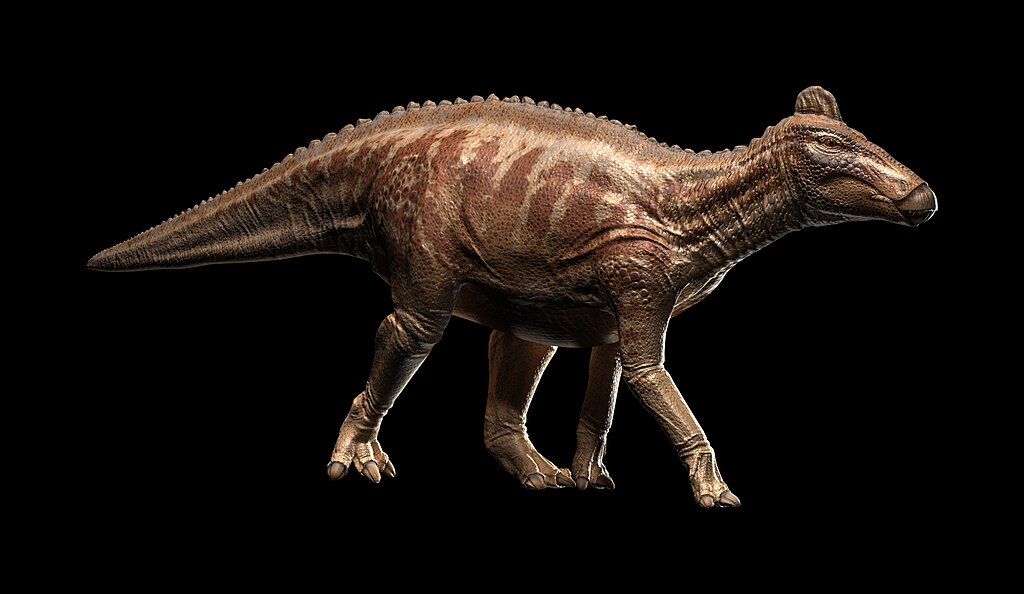
Edmontosaurus exhibited a fascinating combination of locomotor abilities, being capable of both quadrupedal (four-legged) and bipedal (two-legged) movement depending on the situation. Anatomical studies indicate their forelimbs were well-developed but shorter than their powerful hind limbs, suggesting a primary adaptation for quadrupedal walking during regular activities like feeding and migration. The hands had hoofed digits, well-suited for bearing weight during quadrupedal stance. When greater speed was required, perhaps to escape predators, Edmontosaurus could rise onto its hind legs and run bipedally, using its heavy tail as a counterbalance. Trackway evidence from hadrosaurid footprints suggests these dinosaurs could potentially reach speeds of 20-40 kilometers per hour during bipedal running. The vertebral column, particularly in the hip and tail region, contained stiffening structures called ossified tendons that would have provided stability during high-speed locomotion. This locomotor flexibility likely contributed significantly to the success and wide geographic distribution of Edmontosaurus across Late Cretaceous North America.
Environmental Adaptations and Climate Tolerance
The remarkably wide geographic range of Edmontosaurus, stretching from ancient Arctic Alaska to subtropical regions farther south, indicates an exceptional ability to adapt to different climatic conditions. Specimens from the Prince Creek Formation in Alaska lived in a polar environment that, while warmer than today’s Arctic, still experienced months of winter darkness and cool temperatures. These northern populations show subtle anatomical differences from their southern counterparts, possibly representing adaptations to their environment. Some paleontologists have suggested these dinosaurs might have employed strategies similar to modern caribou, either migrating seasonally to avoid the harshest conditions or developing physiological adaptations to survive the polar winters. The preserved skin impressions provide no evidence of insulating feathers or heavy fat deposits, raising questions about how these dinosaurs regulated their body temperature in cooler environments. Their large body size would have provided some thermal inertia, potentially helping maintain consistent internal temperatures despite environmental fluctuations, while their sophisticated nasal passages may have played a role in conserving heat and moisture during respiration.
Extinction Context and Late Cretaceous Ecosystem

Edmontosaurus holds the distinction of being among the last non-avian dinosaurs to exist before the Cretaceous-Paleogene extinction event approximately 66 million years ago. Fossils from the Hell Creek Formation place these animals in ecosystems that existed just before the asteroid impact that ended the Mesozoic Era. As a dominant herbivore, Edmontosaurus played a crucial ecological role in these terminal Cretaceous environments, likely serving as the primary consumer of plant material and a key food source for large predators like Tyrannosaurus. The Late Cretaceous ecosystems in which Edmontosaurus lived were remarkably diverse, featuring a complex community of dinosaurs, pterosaurs, early mammals, and flowering plants that had risen to dominance. Environmental conditions were changing during this time, with cooling temperatures and dropping sea levels potentially creating additional stresses on dinosaur populations even before the asteroid impact. Despite these challenges, Edmontosaurus appears to have remained abundant until the very end of the Cretaceous, with fossils found in the uppermost layers of Cretaceous rock, mere centimeters below the boundary layer that marks the extinction event.
Scientific Significance and Ongoing Research
The exceptional preservation and abundance of Edmontosaurus fossils have made this genus one of the most important windows into dinosaur biology and Late Cretaceous ecosystems. Current research continues to yield new insights, with advanced technologies providing fresh perspectives on these ancient animals. CT scanning of skull specimens has revealed previously unknown details about brain structure and sensory capabilities, suggesting Edmontosaurus had well-developed senses of smell and vision. Isotopic analysis of tooth enamel is helping reconstruct seasonal patterns in diet and water consumption, potentially revealing migration patterns. New finds continue to emerge, including a 2013 discovery suggesting some Edmontosaurus may have possessed a soft-tissue crest, challenging previous reconstructions. Biomechanical modeling of their chewing mechanics has demonstrated that these dinosaurs had among the most efficient plant-processing systems known from the dinosaur world. The continuing investigation of bone microstructure promises to reveal more about growth rates and life history, while ancient DNA recovery, though challenging, remains a tantalizing possibility for future research. Edmontosaurus thus remains at the forefront of paleontological investigation, continuing to illuminate the biology and ecology of dinosaurs even after more than a century of scientific study.
Conclusion
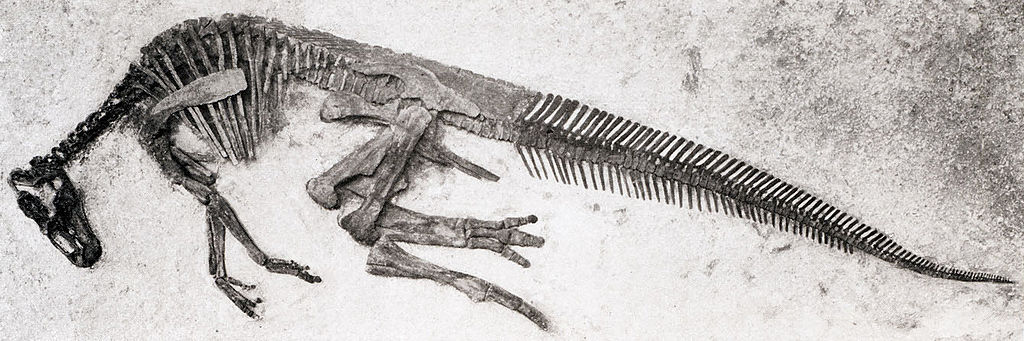
Edmontosaurus represents one of paleontology’s greatest success stories—a dinosaur known not just from scattered bones but from numerous complete skeletons and even “mummified” specimens with preserved skin impressions. This remarkable fossil record has allowed scientists to reconstruct this animal’s appearance, lifestyle, and ecology with unusual confidence. From its sophisticated chewing apparatus to its adaptable lifestyle across diverse environments, Edmontosaurus showcases the remarkable evolutionary adaptations that made hadrosaurs among the most successful dinosaur groups of the Late Cretaceous. As research techniques continue to advance, these well-preserved fossils will undoubtedly yield even more insights into dinosaur biology and the ancient ecosystems of North America just before the great extinction that ended the Age of Dinosaurs.