
Have you ever wondered what truly separates us from becoming isolated islands of individual experience? You walk past a stranger who’s visibly upset, and something inside you resonates. Your chest tightens slightly. You feel pulled toward understanding. That invisible thread connecting your emotional world to theirs is empathy, and it might just be the most powerful tool we possess as social beings. In a world that often highlights our differences – cultural, linguistic, ideological – empathy remains the quiet force that allows us to step across divides and genuinely see one another. Let’s explore how this remarkable capacity shapes our relationships, our communities, and our very humanity.
The Science Behind Our Shared Emotional Language

Your brain is far more connected to the people around you than you might realize. Evidence suggests that mirror neurons are strongly associated with human empathy, creating a neural foundation for our ability to understand others. When you watch someone reach for a cup of coffee, specialized cells in your brain fire as if you were performing that action yourself.
Empathy – the ability to recognize, understand, and respond to others’ emotions – is fundamental to human development and mental health, unfolding across the lifespan, shaped by a complex interplay of biological maturation, social learning, and cultural context. Think of it as your brain running a continuous simulation of the world around you, constantly trying to predict and understand what others are experiencing. This isn’t just fascinating neuroscience – it’s the biological machinery that makes meaningful connection possible.
Empathy Isn’t One Size Fits All
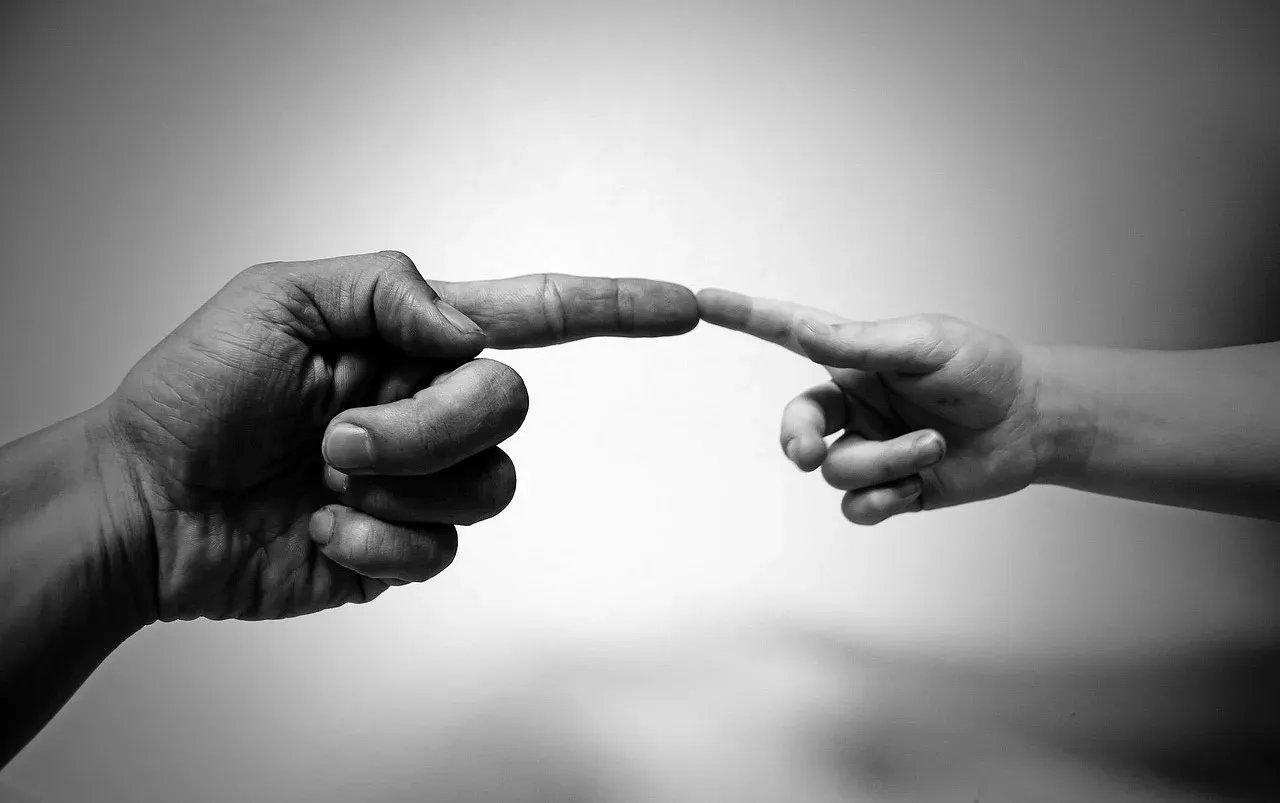
Here’s something most people don’t consider: the way you express and experience empathy is deeply influenced by where you come from. Empathy is both a historically- and culturally-situated notion, and we cannot assume that “one empathy fits all”. What feels like appropriate compassionate behavior in one culture might be interpreted entirely differently in another.
Consider direct eye contact during someone’s distress. In some cultures, it signals deep care and attention. In others, it might be seen as intrusive or disrespectful. Research shows that empathy activates neural pathways related to emotional and cognitive understanding, and these mechanisms are universal, but how empathy manifests differ across cultures – shaped by social norms and values. Understanding this cultural dimension doesn’t diminish empathy’s power – it actually expands it, challenging you to become more flexible and thoughtful in how you connect with others.
The Perception Gap That’s Keeping Us Lonely

Let’s be real: you probably underestimate how much the people around you actually care. Students who perceived their peers as more empathic reported better psychological well-being and more friends, but researchers uncovered an “empathy perception gap” in which students consistently viewed their peers as less empathic and caring than those other students saw themselves. This misperception creates a vicious cycle.
When you believe others don’t care, you withdraw. Your withdrawal makes you seem less approachable, which reinforces others’ hesitation to reach out. Correcting students’ misperceptions about how much their peers care disrupted the cycle and helped them connect with one another. The surprising takeaway? People around you are likely far more empathetic than you give them credit for, and recognizing this simple truth can transform your social world.
Learning to Feel What You Haven’t Felt Before

Empathy isn’t fixed – you can actually strengthen it through practice and exposure. USC psychologists show that empathy can be conditioned through emotional rewards, revealing that your brain learns to associate others’ happiness with positive feelings. It’s a social twist on classical conditioning.
These findings could help explain why empathy often grows in cooperative environments – like classrooms, families or teams – where one person’s success often benefits everyone, while in more competitive settings, where someone else’s gain means your loss, those emotional bonds may be harder to form. This has profound implications. If you want to become more empathetic, surround yourself with contexts where collaboration trumps competition. Join groups where collective success matters. Engage in activities where helping others directly or indirectly benefits you too.
Building Bridges Across Cultural Divides
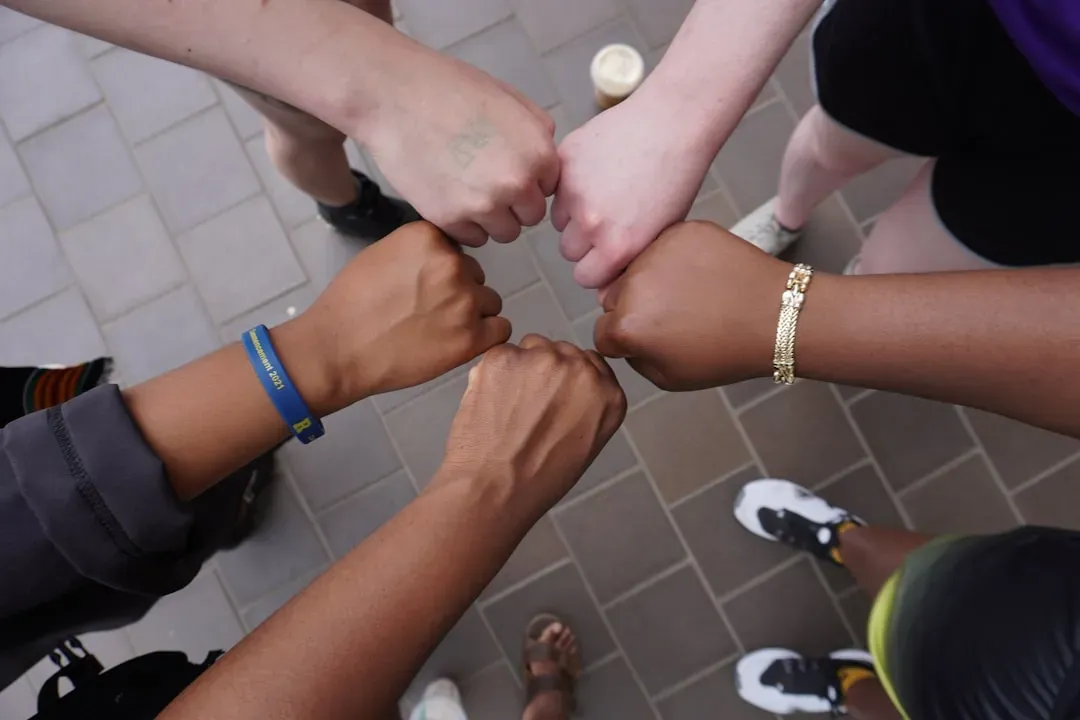
In the diverse and interconnected global community of leaders, empathy helps bridge cultural gaps by fostering a deeper understanding of diverse perspectives. When you encounter someone whose background differs vastly from yours, empathy becomes your most valuable tool for connection. It’s not about erasing differences but about appreciating them while finding common ground.
Without empathy, differing perspectives can lead to frustration or misinterpretation; with empathy, however, you can appreciate the cultural context behind these behaviors and adapt your communication style to create mutual understanding, helping to counteract unconscious biases and stereotypes. I know it sounds challenging, especially when language barriers or unfamiliar customs create friction. Yet the effort pays dividends – not just in business or diplomacy, but in your everyday interactions in increasingly diverse communities.
From Understanding to Action

Empathy was once considered too soft and squishy for the world of work, but decades of research have shattered that myth; empathy includes three pieces: sharing others’ experiences, trying to understand their version of the world, and caring for their well-being. These aren’t just feel-good concepts – they’re practical skills that drive real outcomes.
When people express empathy, they build deeper, more nourishing relationships, and when they receive it, their trust, morale, and happiness rise. Think about your own workplace or community groups. The leaders who genuinely understand and respond to others’ needs create environments where people thrive. That’s not sentimentality – that’s strategic human connection that yields measurable benefits.
The Cost of Avoiding Empathy

Here’s an uncomfortable truth: sometimes you actively avoid empathy because it feels costly. Previous research has found that people often avoid empathizing when perceived as costly, with studies investigating whether the choice to empathize differs between a group or an individual. When you anticipate that feeling someone else’s pain will overwhelm you or require action you’re not ready to take, you might unconsciously shut down that empathetic response.
This avoidance has consequences. It creates distance in relationships and can perpetuate cycles of misunderstanding. The key is recognizing when you’re doing this and gently challenging yourself to lean in rather than pull back. Yes, empathy can be emotionally demanding, but the alternative – isolation and disconnection – exacts its own heavy toll.
Practical Steps to Expand Your Empathetic Range
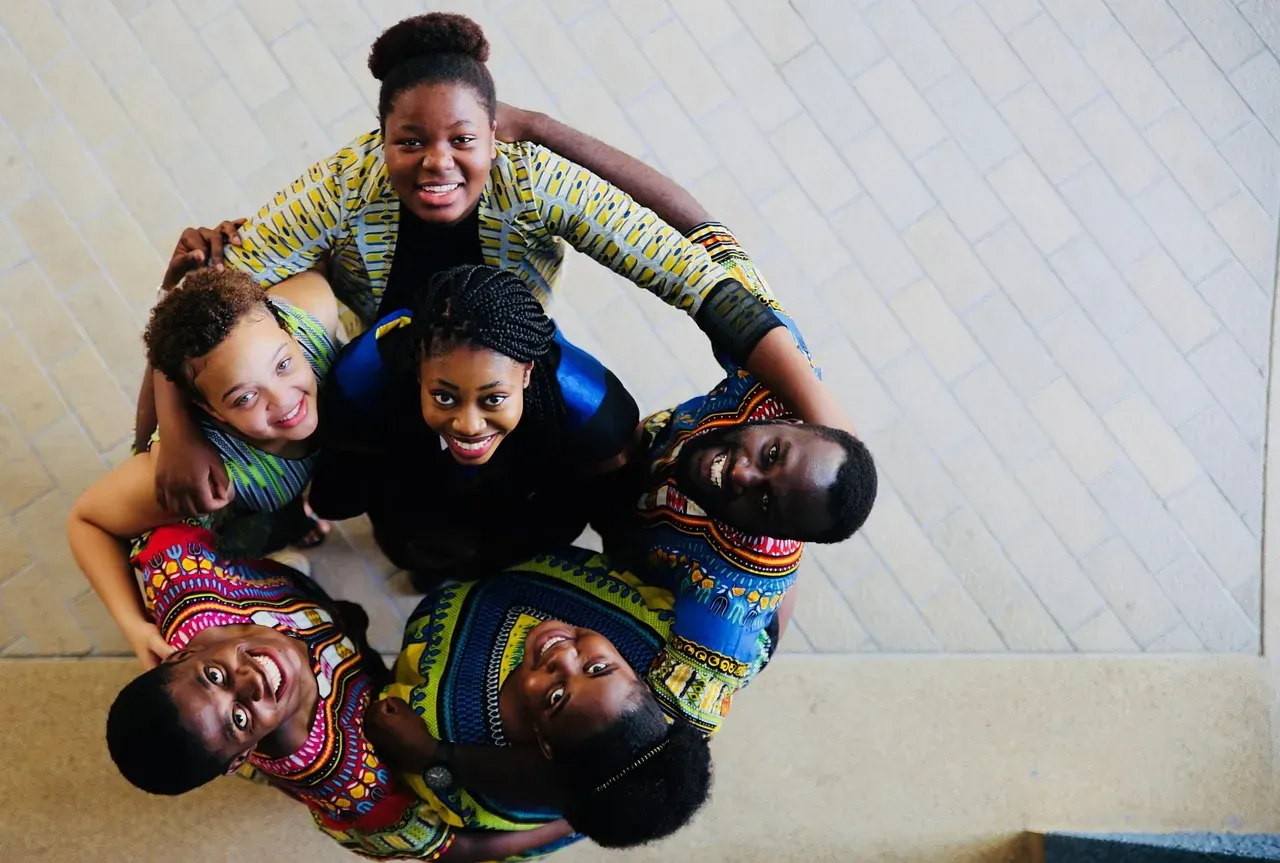
Traveling, studying abroad, and attending cultural festivals provides firsthand exposure to new ways of life, and immersing oneself in unfamiliar environments promotes curiosity and breaks down stereotypes. You don’t need a passport to start expanding your empathy, though. Read books from authors whose experiences differ from yours. Watch documentaries about communities you know little about.
Perspective-taking, the cognitive aspect of empathy, involves consciously trying to understand another person’s viewpoint; in cross-cultural contexts, this requires a willingness to challenge your own assumptions and biases, recognizing that your own cultural norms are not universal and that other cultures may have equally valid ways of seeing the world. Start small – have a conversation with someone whose political views differ from yours, not to debate, but to understand. The discomfort you feel is actually growth happening.
Teaching the Next Generation to Connect
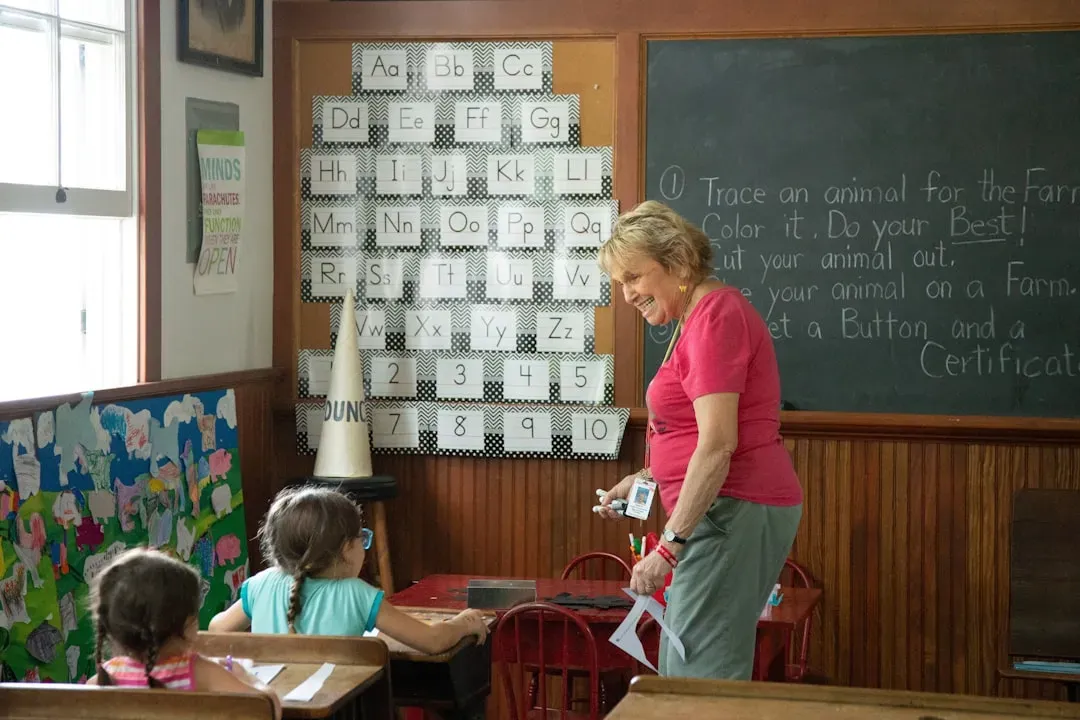
Cultural empathy goes beyond basic tolerance, encouraging a deep-rooted appreciation and respect for diverse perspectives, equipping students with the ability to comprehend and identify with the feelings, thoughts, and attitudes of those from different backgrounds. If you’re a parent, teacher, or mentor, you have tremendous power to shape how young people relate to others.
Interactive reading contexts can foster the emergence of instances of interpersonal and literary empathy, with works chosen for containing experiences of children that are different from the experiences of most participating children, allowing the emergence of instances of empathy. Expose children to diverse stories. Let them engage with characters facing challenges they’ve never encountered. Create spaces where questions about difference are welcomed, not shut down. These small acts lay the foundation for a more connected generation.
Empathy as Our Collective Future
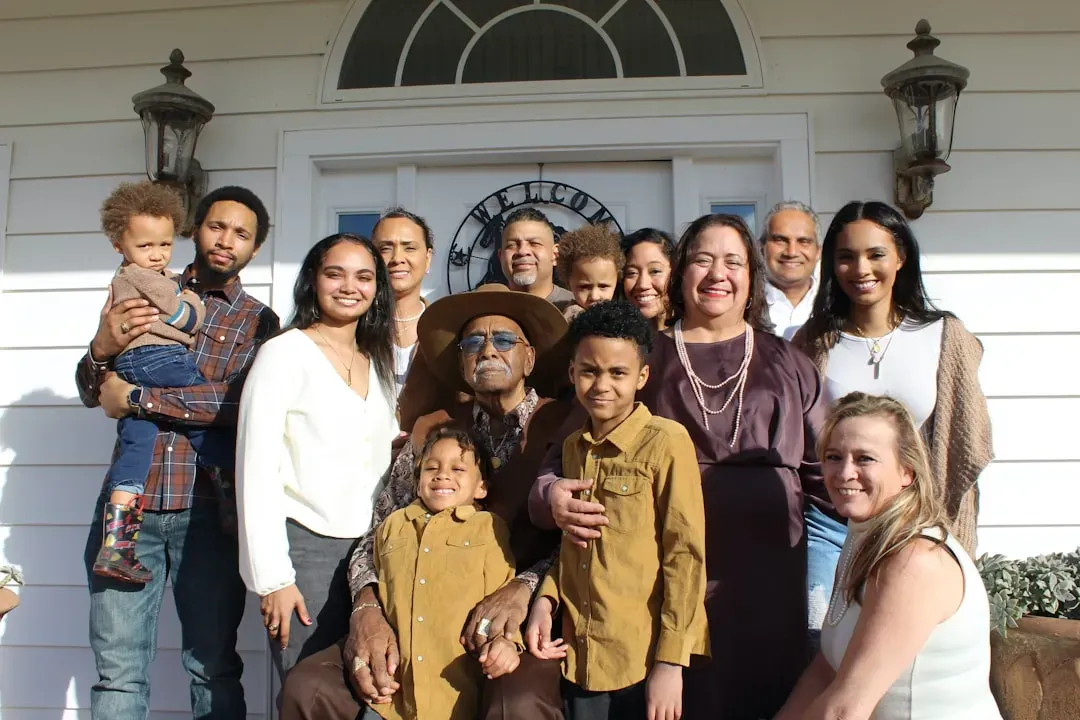
When empathy becomes a cornerstone of cross-cultural interactions, its impact extends far beyond relationships; empathy fosters global citizenship, encouraging people to take action on issues like climate change, human rights, and social justice with an understanding of diverse perspectives, and enhances innovation by bringing together varied ideas and approaches. The challenges facing our world – climate change, political polarization, social inequality – cannot be solved by any one group acting alone.
They require the kind of collective action that only becomes possible when we genuinely understand and care about experiences beyond our own. Empathy reduces polarization; in a climate where cultural misunderstandings often escalate into conflicts, empathy offers a pathway to dialogue and reconciliation, and by prioritizing shared humanity over differences, we can create a more inclusive and compassionate world. This isn’t naive optimism – it’s a practical recognition that our fates are intertwined.
Conclusion

Empathy remains one of humanity’s most underappreciated superpowers. It’s the invisible architecture supporting every meaningful relationship you’ve ever had, every successful collaboration, every moment of genuine human connection. While the neural mechanisms are fascinating and the cultural variations important to understand, what matters most is your willingness to practice it daily. Start noticing when you feel that pull toward understanding someone else’s experience. Don’t dismiss it or rationalize it away.
Lean into those moments of recognition when you see yourself reflected in another person’s struggles or joys. The bridge of empathy connects us across every conceivable divide – age, culture, language, belief. In building and maintaining these bridges, we don’t just create better relationships; we construct a world where understanding triumphs over alienation, where curiosity replaces judgment, and where our shared humanity becomes impossible to ignore. What moment of empathy will you honor today?