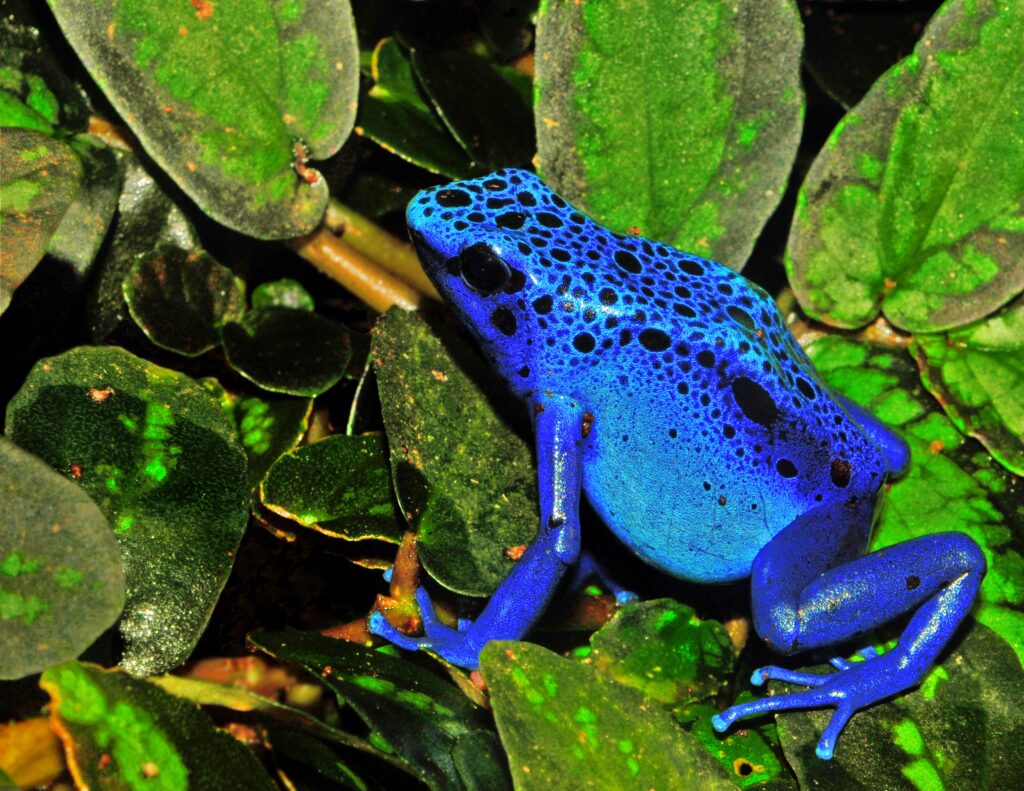
Brazil’s Juruá River Basin – Researchers stumbled upon a captivating new species of poison dart frog during expeditions in 2023. This tiny amphibian, hidden among the leaves of wild banana plants, revealed itself through its striking colors and delicate form. Scientists formally described it last year, highlighting its otherworldly allure in a world where amphibian discoveries grow rarer.
A Puzzling Call Leads to Breakthrough
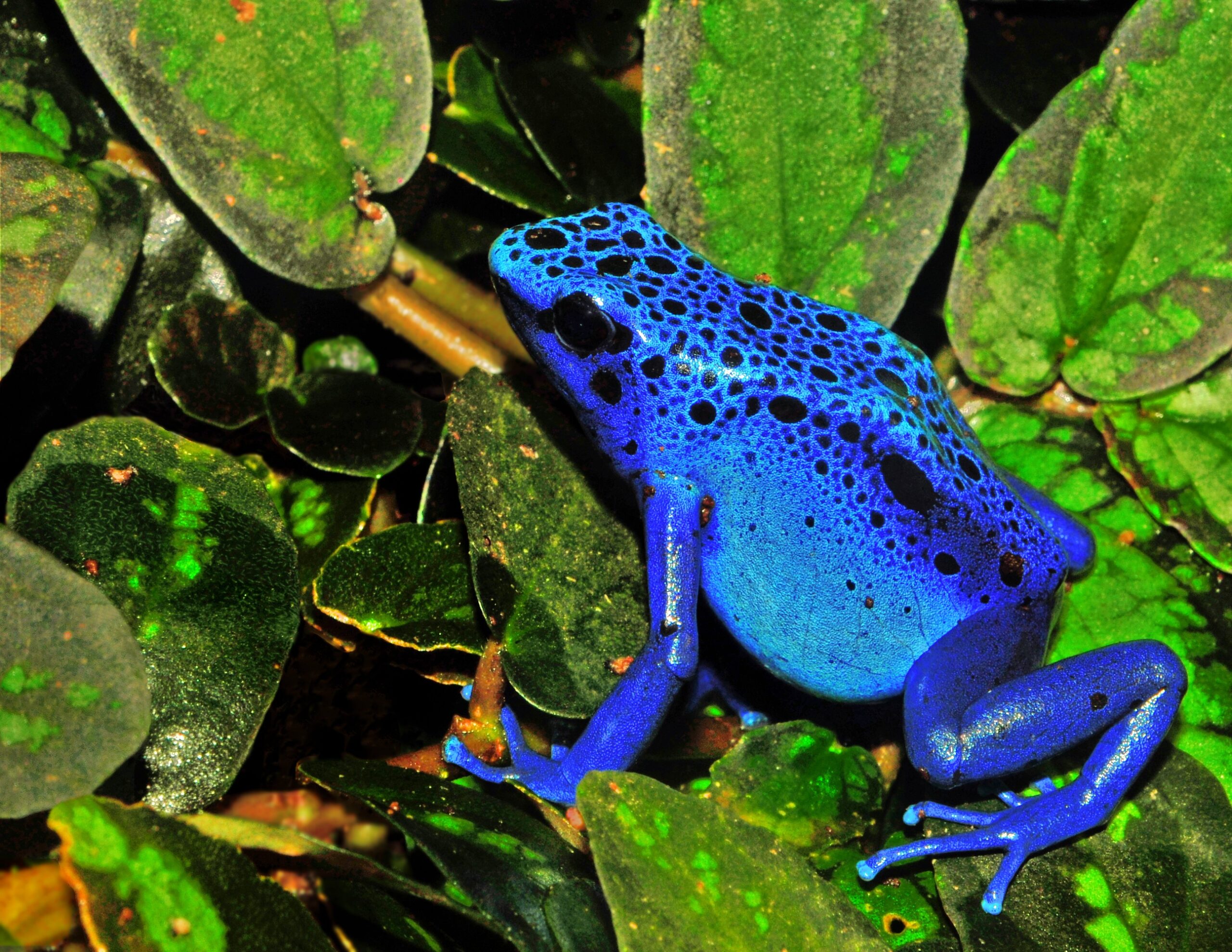
A Puzzling Call Leads to Breakthrough (Image Credits: Upload.wikimedia.org)
Expedition teams traversed the open ombrophilous forests near the Juruá River when an unusual cricket-like sound caught their attention. Led by researchers from Brazil’s National Institute for Amazonian Research (INPA), the group investigated and located the source: clusters of these minuscule frogs. The find marked the first new Ranitomeya species in over a decade, underscoring the basin’s untapped biodiversity.
Collections occurred between 2023 and 2024 as part of RAPELD surveys, long-term ecological assessments designed to catalog remote areas. Genetic analysis placed the frog within the Ranitomeya vanzolinii clade, distinct from close relatives like R. cyanovittata. Delimitation methods, including ASAP and GMYC, confirmed its unique status. Authors published their findings in PLOS One in May 2025.
Striking Colors and Petite Stature Define the Species
Ranitomeya aetherea measures just 14 to 17 millimeters in snout-vent length, comparable to a paperclip. Males range from 15.2 to 17.0 mm, while females span 14.4 to 16.9 mm. Its dorsum features a reddish-brown base accented by three parallel light sky-blue stripes – one middorsal and two dorsolateral. Metallic copper limbs bear reddish-brown spots, adding to its shimmering appeal.
The venter displays bright blue hues dotted with dark reddish-brown spots, and the belly forms a distinctive ring-shaped granular region. Toes lack prominent lateral fringes, a subtle morphological trait. In life, these colors serve as aposematic warnings, signaling toxicity to predators. The species name “aetherea” captures this enchantment, evoking a sense of delicacy from another world.
- Size: 14–17 mm SVL
- Dorsal coloration: Reddish-brown with sky-blue stripes
- Limbs: Copper metallic with spots
- Venter: Light blue with dark spots
- Skin texture: Smooth to shagreen dorsally; granular ventrally
- Call: Cricket-like, 16–35 notes, 490–1,005 ms duration
Life in the Leafy Canopy
These frogs thrive in association with Phenakospermum guyannense, wild banana plants whose leaf axils form vital phytotelmata – small water pools for tadpole development. Adults lay eggs in these refuges, where prolonged reproduction ensures offspring survival. The species remains diurnal, peaking in activity at dawn and late afternoon, though rain extends their day.
Tadpoles exhibit light sky-blue dorsal stripes in later stages, with tooth rows configured as P1 = P2 > P3. They coexist with species like R. cf. toraro in the understory. Lead researcher Alexander Tamanini Mônico noted the frogs’ mild toxicity for humans: “We know it’s poisonous to those that try to prey on it. But for us it’s fine, we’re able to handle them with our bare hands. We just need to be careful about any cuts.”
Conservation in a Fragile Paradise
Currently known from a single site on the Juruá River’s left bank, R. aetherea benefits from an intact habitat free of deforestation or fires. This remoteness offers natural protection, unlike the 40% of amphibian species facing extinction globally. Yet experts warn of emerging risks.
Biopiracy poses the greatest immediate danger, as collectors target rare beauties for the pet trade. Climate change looms larger, potentially disrupting the delicate phytotelmata ecosystems. Ongoing monitoring through RAPELD modules will track these threats. The discovery reaffirms the need for sustained exploration in understudied regions.
| Threat | Status | Potential Impact |
|---|---|---|
| Deforestation | Low | Habitat intact |
| Biopiracy | High | Illegal collection |
| Climate Change | Emerging | Altered breeding sites |
Key Takeaways
- Ranitomeya aetherea represents a rare new addition to the Ranitomeya genus after a decade-long gap.
- Its ethereal appearance stems from blue stripes on reddish-brown skin and copper legs.
- Protected by remoteness but vulnerable to biopiracy and warming trends.
This ethereal frog reminds us of the Amazon’s enduring secrets and the urgency to safeguard them. What steps should we prioritize to protect such hidden gems? Tell us in the comments.