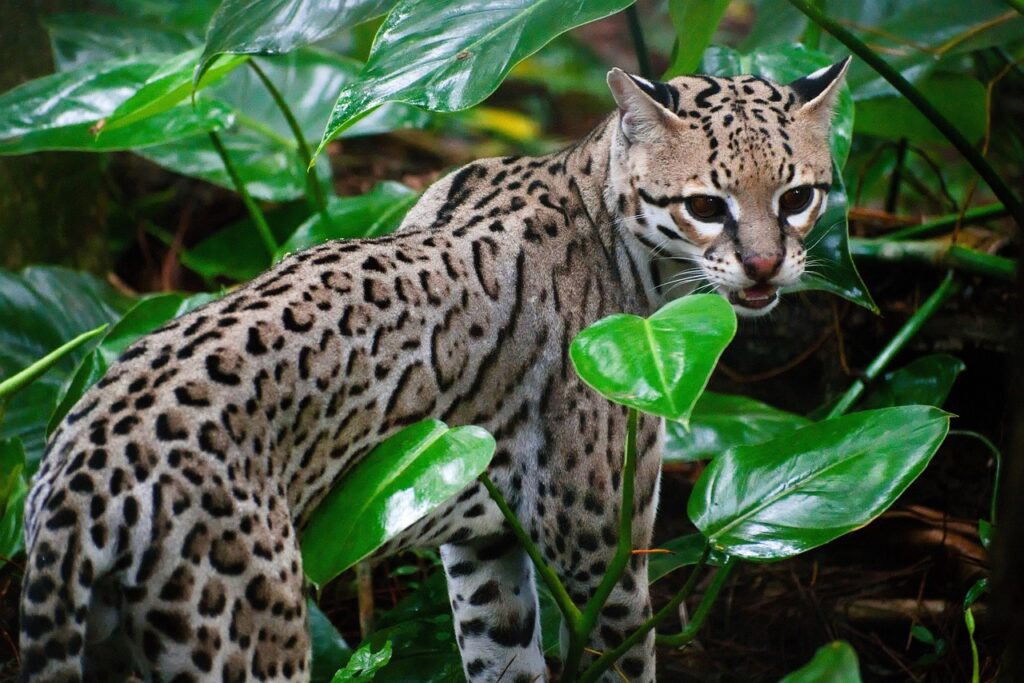
Cozumel Island, Mexico – Camera traps captured a startling image in 2016: an ocelot prowling through the underbrush, a species long absent from this Caribbean paradise. Researchers who had monitored the island’s wildlife for years expressed initial surprise at the sighting of the medium-sized wildcat, classified as endangered in Mexico. The discovery soon raised alarms, as the predator’s arrival posed risks to Cozumel’s endemic animals unaccustomed to such threats.
A Shocking First Sighting After Decades of Surveillance
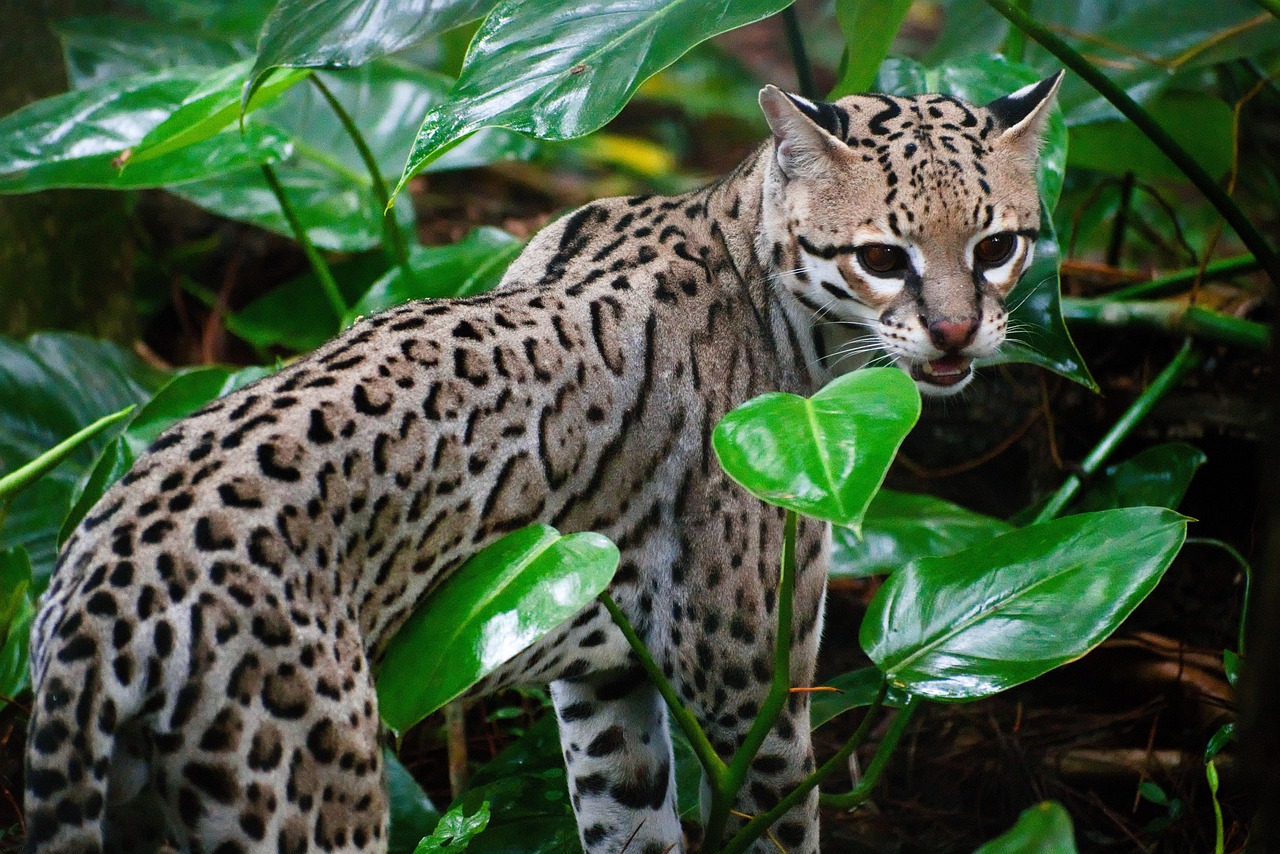
A Shocking First Sighting After Decades of Surveillance (Image Credits: Pixabay)
Long-term studies dating back to 1994 had employed camera traps, line transects, and road surveys across Cozumel’s diverse habitats, yet no ocelot appeared until 2016. Luis-Bernardo Vázquez, who leads a research team at the Urban Ecology Lab of El Colegio de la Frontera Sur-SLCL, confirmed the absence of prior records. “Before 2016 we never detected any ocelot in the island,” he stated. The sudden documentation marked a pivotal shift in the island’s ecological narrative.
This lone ocelot triggered concerns about potential population establishment. Experts noted the island’s suitable habitats and lack of competing predators, which could favor the intruder’s survival and reproduction. Vázquez’s team continues intensive monitoring to track any further incursions. The event underscores vulnerabilities in island ecosystems to novel introductions.
The Ocelot’s Dual Identity: Prized Yet Perilous
Ocelots, scientifically known as Leopardus pardalis, range from Texas to Uruguay but face declines due to habitat loss and other pressures. In the United States and Mexico, the species holds endangered status, prompting conservation efforts on the mainland. On Cozumel, however, the cat embodies an ironic threat, transforming from a rarity to a potential invasive force.
David Will of Island Conservation highlighted this paradox. “A species can be endangered in one place and ecologically damaging in another,” he told Mongabay. “Cozumel’s ocelot shows how conservation isn’t just about species, it’s about values.” Such conflicts challenge traditional protection strategies, forcing tough decisions on isolated habitats.
Threats to Cozumel’s Unique Biodiversity Hotspot
Cozumel harbors a wealth of endemic species evolved without formidable predators like the ocelot. Small mammals and birds now face heightened predation risks from this agile hunter. Vázquez warned that new carnivores disrupt the island’s delicate balance, historically low in top predators.
- Cozumel white-footed mouse (Peromyscus leucopus cozumelae)
- Cozumel harvest mouse (Reithrodontomys spectabilis)
- Cozumel rice rat (Oryzomys couesi cozumelae)
- Dwarf peccary (Dicotyles tajacu nanus)
- Cozumel curassow (Crax rubra griscomi)
Compounding the issue, margays (Leopardus wiedii) and boa constrictors (Boa constrictor) have already formed breeding populations on the island. These established invasives amplify pressures on native fauna. Researchers urge prevention of additional ocelot arrivals to avert cascading effects.
Human Actions Fuel the Intrusion
Investigators suspect human mediation brought the ocelot to Cozumel. Vázquez proposed it escaped or was released from captivity, a common issue in southern Mexico where wild felids serve as illegal pets or tourist attractions. No natural colonization pathway exists for the mainland species to reach the isolated island.
Recent analyses, including a 2025 study by Alfredo D. Cuarón and colleagues, frame this as a “conservation paradox.” The paper calls for genetic assessments, stricter import controls, and public awareness campaigns. Enhanced surveillance remains crucial to detect and manage any breeding attempts early.
Key Takeaways
- Only one ocelot confirmed since 2016, but risks persist for population growth.
- Island endemics lack defenses against introduced predators.
- Monitoring and prevention are essential to safeguard Cozumel’s biodiversity.
The ocelot’s arrival on Cozumel exemplifies how global conservation must navigate competing priorities amid human influences. Protecting island treasures demands vigilance and balanced policies. What steps should communities take to address such ecological dilemmas? Share your thoughts in the comments.