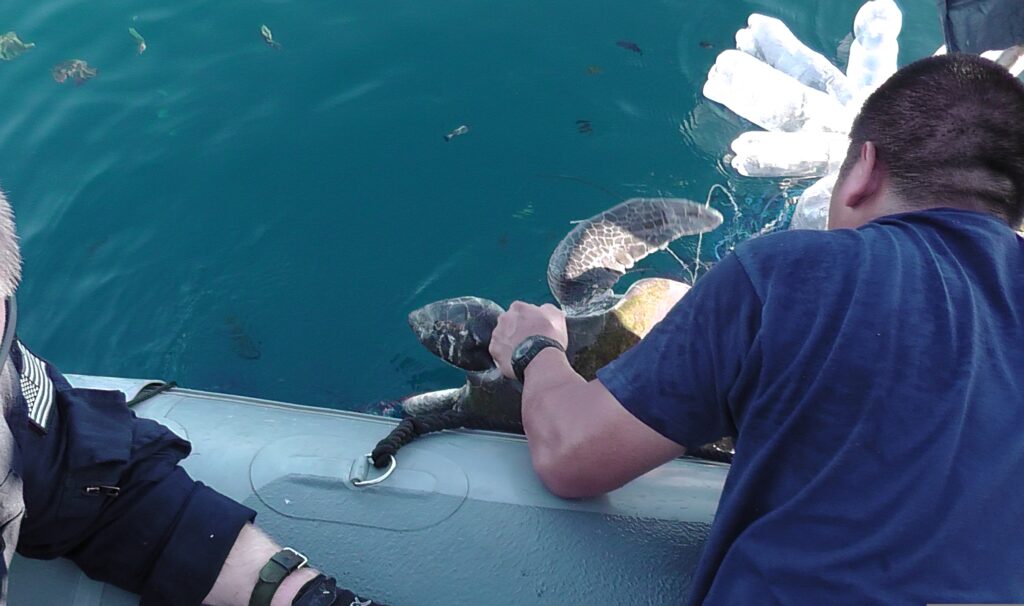
Governments around the world designated expansive marine protected areas and committed to conserving 30% of the ocean by 2030. Reassuring maps portray large swaths of blue denoting safeguarded waters. In practice, however, industrial trawlers continued to operate in forbidden zones, and longline vessels deployed gear perilously close to sensitive ecosystems. This disconnect revealed a fundamental enforcement gap that undermined conservation efforts.
Promising Commitments, Persistent Violations
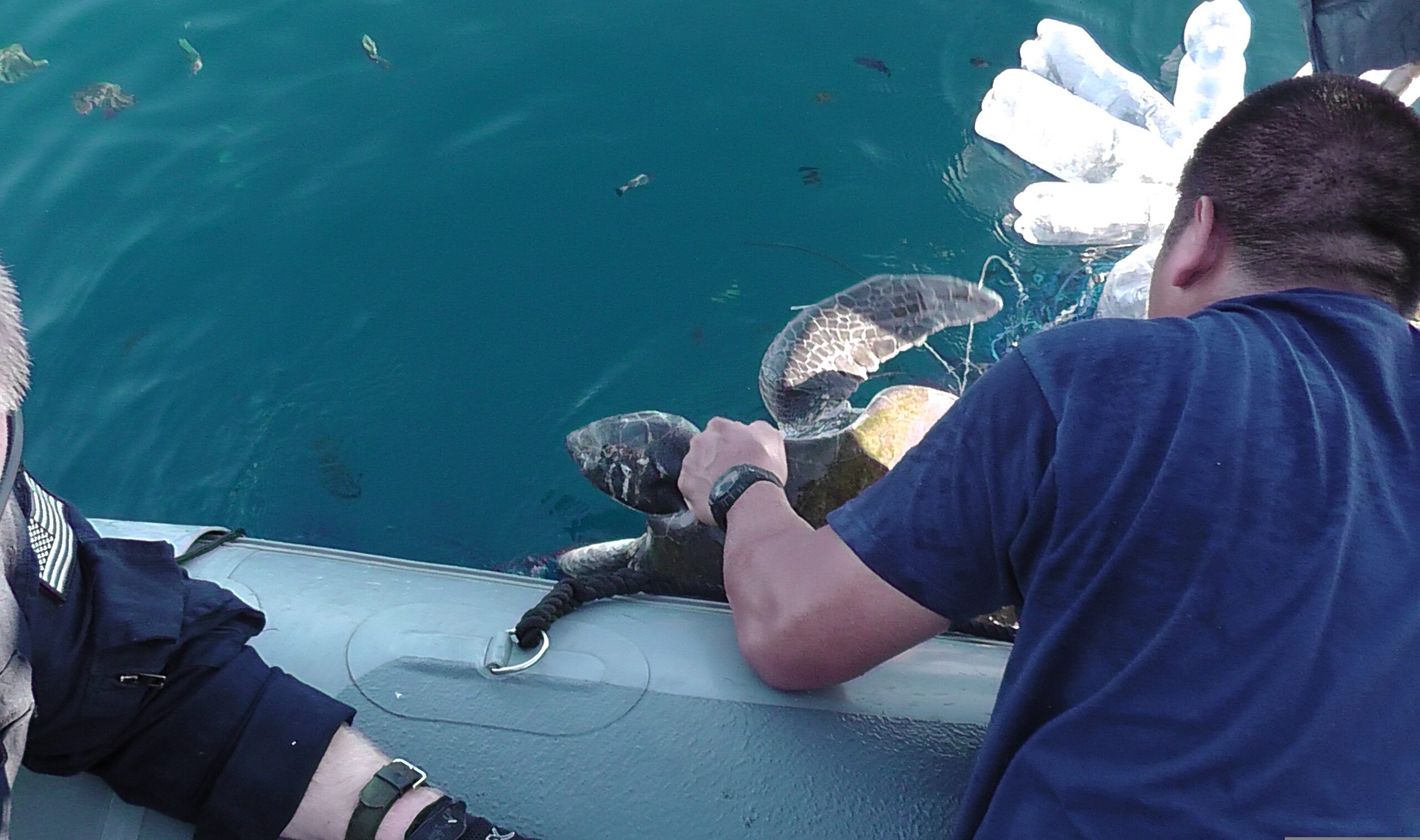
Promising Commitments, Persistent Violations (Image Credits: Upload.wikimedia.org)
Leaders embraced marine protected areas as a straightforward path to environmental leadership. These zones promised biodiversity recovery and sustainable fisheries with minimal upfront investment. Yet compliance hinged not on boundaries drawn but on active oversight, which many regions lacked. Studies showed that reserves backed by monitoring yielded fish population rebounds in mere years, while paper-only protections offered scant benefits.
Currently, about 8.6% of the ocean fell under some form of protection, primarily through MPAs. Only 2.7% qualified as effectively managed, complete with regulations and enforcement to curb harmful practices like bottom trawling. Projections indicated that without accelerated action, coverage might reach just 10% by 2030. High seas protections lagged even further at 1.5%.
Patrolling Vast Waters Proves Daunting
Enforcing rules across remote oceans demanded resources few nations possessed. Patrol boats cost a fortune to deploy and maintain, while legal proceedings stretched over months or years. Fisheries departments, often underfunded, confronted tough choices between proclaiming new sanctuaries for acclaim or policing current ones against influential local fleets.
Political pressures compounded the issue. Domestic fishing industries wielded economic clout, deterring aggressive action. Meanwhile, vessels employed tactics like disabling transponders to evade detection, leaving authorities to comb endless expanses. Small wooden boats frequently slipped past satellite scrutiny altogether.
Technology Transforms the Monitoring Landscape
Satellites and data analytics offered a cost-effective alternative to constant sea patrols. Automatic Identification System transponders tracked vessel positions in real time, while imagery spotted ships going dark. Machine learning sifted through movement patterns to flag probable fishing incursions.
Platforms like Global Fishing Watch made this data public, empowering watchdogs to spotlight infractions. Such visibility shifted the dynamics, as fishers weighed the risk of exposure. Strict MPAs demonstrated particular success, with satellite analysis revealing minimal illegal activity where bans proved ironclad.
- AIS for continuous vessel tracking.
- Satellite imagery to detect AIS-off vessels.
- AI algorithms identifying fishing behaviors via speed and turns.
- Public dashboards for transparency and accountability.
Real-World Wins Through Innovative Strategies
Indonesia mounted a high-impact campaign in the mid-2010s, merging satellite data with vessel monitors and bold prosecutions. Officials sank captured foreign boats in spectacles that broadcast deterrence worldwide. Illegal incursions dropped, and local stocks began rebounding.
Palau, constrained by its navy size, collaborated with NGOs for remote surveillance. Suspicious tracks triggered port checks upon arrival. Spain’s Vigo and South Korea’s Busan ports enforced via inspections under international agreements, blocking shady operators from unloading. These models proved enforcement need not rely solely on ocean chases.
Funding and Willpower Define the Future
A $14.6 billion annual shortfall hampered management, including enforcement. Repurposing harmful fishing subsidies or tourism levies could bridge much of it. High seas protections awaited treaty ratifications and sustained budgets.
Success demanded blending tech with human resolve: trained analysts, swift courts, and unwavering politics. Where monitoring instilled credible threat, behaviors shifted – even sporadically.
Key Takeaways
- Effective protection requires enforcement over mere designation.
- Technology slashes costs but demands skilled implementation.
- Port controls and transparency amplify sea-based efforts.
Ocean recovery turned on translating maps into monitored realities. Governments must fund the unglamorous work of oversight to honor 30×30 pledges. What steps should nations take next to secure the seas? Share your thoughts in the comments.