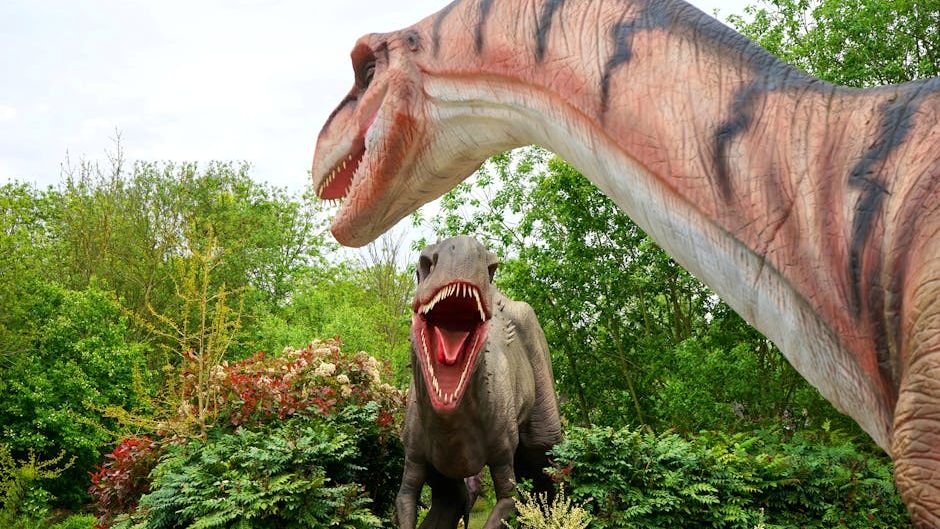
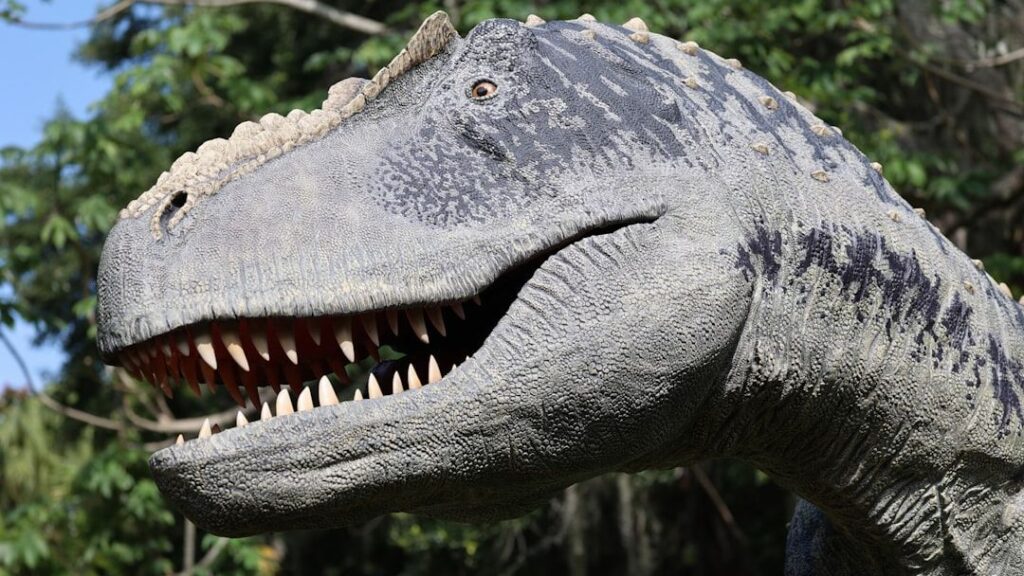
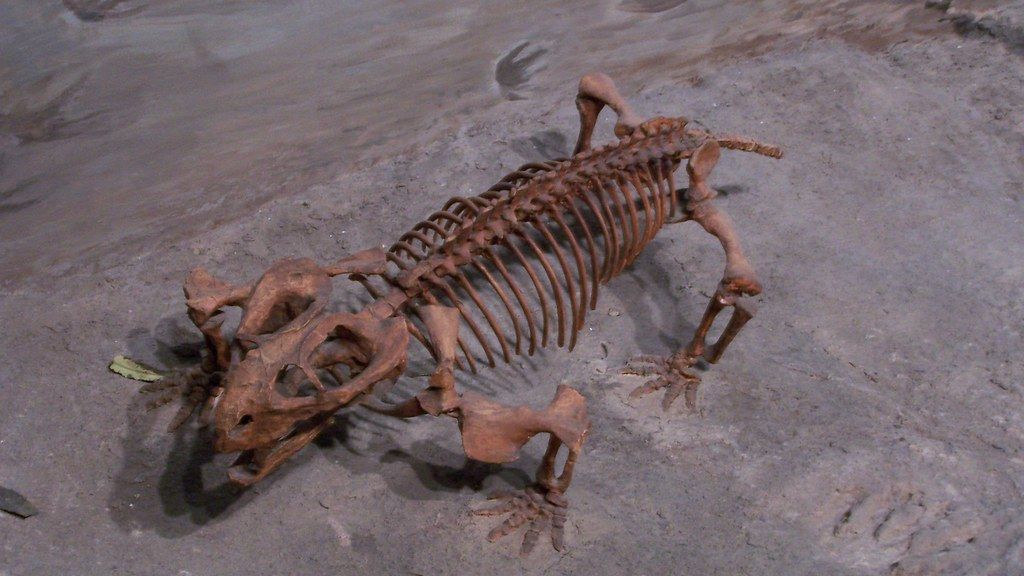
Stunning 150-Million-Year-Old Stegosaur Skull Rewrites Dinosaur Evolution – Image for illustrative purposes only (Image credits: Pexels)
Teruel, Spain – Paleontologists have recovered the most complete stegosaur skull ever found on the continent, a partial cranium that survived 150 million years in the rocks of the Villar del Arzobispo Formation. The specimen, identified as belonging to Dacentrurus armatus, was unearthed at the Están de Colón site near Riodeva and stands out for preserving delicate structures that usually disintegrate long before fossilization. Researchers from the Fundación Conjunto Paleontológico de Teruel-Dinópolis published their analysis in the journal Vertebrate Zoology, highlighting how the find fills critical gaps in understanding one of Europe’s most recognizable Jurassic dinosaurs.
Why Stegosaur Skulls Are So Rare
Stegosaur skulls rank among the most fragile parts of any dinosaur skeleton. Their thin bones and complex sutures make them prone to destruction by erosion, scavenging, or simple geological pressure over deep time. Until now, European stegosaur material consisted mostly of isolated plates, vertebrae, and limb bones, leaving the head almost entirely unknown. The new specimen changes that picture by retaining the rear half of the skull roof, both eye-socket regions, and fine internal bone details that had never been documented in this group from the continent.
What the Fossil Reveals About Anatomy
Close examination shows a robust skull roof and well-defined orbital margins that suggest Dacentrurus possessed a relatively broad head compared with some later stegosaurs. The preserved bone surfaces also carry subtle vascular impressions that may relate to blood supply for the animal’s distinctive back plates. Associated vertebrae found at the same quarry indicate the individual reached a substantial size, consistent with earlier estimates that placed Dacentrurus among the larger European stegosaurs of the Late Jurassic.
The site yielded more than two hundred additional bones representing at least two animals – one juvenile and one adult – creating a rare mixed-age assemblage. Such groupings help paleontologists reconstruct growth patterns and social behavior that isolated skeletons cannot address.
Implications for Jurassic Evolution
The new skull supports a revised view of how plated dinosaurs diversified across Europe during the Late Jurassic. Previous reconstructions relied heavily on North American taxa such as Stegosaurus, but the Spanish specimen displays distinct proportions in the skull roof and temporal region that point to separate evolutionary trajectories on either side of the proto-Atlantic. Researchers propose that Dacentrurus represents an earlier branch whose skull morphology bridges more primitive stegosaurs and the more derived forms that appeared later in the period.
These anatomical details also refine estimates of bite force and feeding mechanics. The preserved jaw joint and tooth-bearing regions suggest a cropping strategy suited to low-growing vegetation, aligning with the animal’s overall body plan of heavy armor and upright plates.
Next Steps for Research
Further preparation and CT scanning of the specimen are expected to reveal internal braincase features and possible sensory adaptations. The quarry itself remains under active study, with additional fieldwork planned to recover more associated material. Each new element adds context to a dinosaur that once roamed the floodplains of what is now eastern Spain.
The discovery underscores how targeted exploration in under-sampled European formations continues to reshape long-standing narratives about dinosaur diversity. As preparation work advances, the Riodeva skull is poised to become a reference point for future comparisons across stegosaur lineages worldwide.