Dinosaurs have fascinated us for well over a century. You probably grew up thinking of them as slow, lumbering, cold-blooded giants that trudged through a swampy Mesozoic world. Hollywood cemented that image, textbooks reinforced it, and most of us never questioned it. Honestly, it is hard to blame anyone. The old picture seemed logical enough.
Here is the thing though. Science has been quietly dismantling nearly every major assumption we had about how dinosaurs grew, how fast they reached maturity, and what was really going on beneath those massive bones. The revelations coming from modern paleontology are so dramatic that they don’t just tweak the old story – they completely rewrite it. Be ready to be surprised by what you’re about to discover.
Your Mental Picture of Dinosaur Growth Is Outdated
If you imagine a dinosaur growing the way a crocodile or lizard does – slowly, steadily, without much urgency – you are working from a model that science has largely moved past. Paleohistology has produced a major shift in the scientific perception of non-avian dinosaurs, moving them away from the image of “sluggish” reptiles toward a portrait of fast-growing animals with relatively high metabolic rates. That is a dramatic reversal of the old narrative, and it happened because researchers stopped guessing and started reading bones like books.
Paleontologists have found means to assess dinosaur life-history parameters such as growth rates and longevity through osteohistology, which is the study of bone microstructure. Think of it like reading tree rings, except these rings are locked inside fossil bones from creatures that roamed the earth over sixty million years ago. Surprisingly, the findings suggest that dinosaur growth, including that in the earliest birds, was unique and not precisely the same as that in living reptiles, birds, or mammals. That uniqueness is what makes all of this so electrifying.
Bone Rings Tell a Story You Were Never Taught
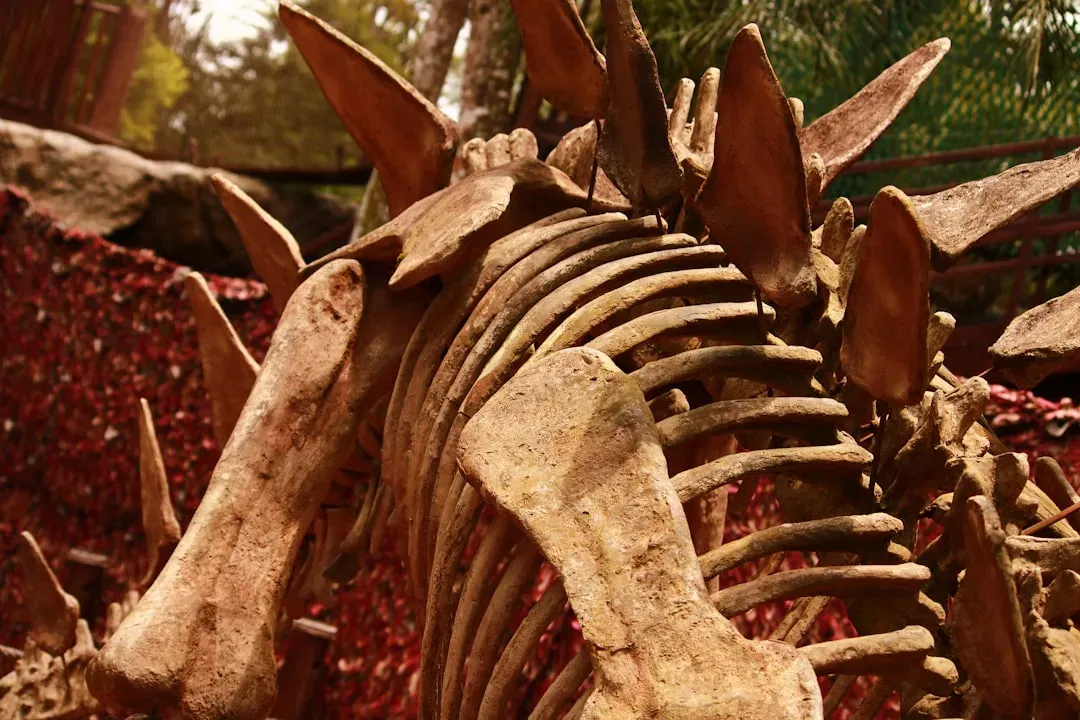
For decades, scientists have been counting annual growth rings – similar to tree rings – inside fossilized leg bones of dinosaurs to estimate how old the giants were when they died and how quickly they grew to adulthood. It sounds almost poetic, doesn’t it? A creature that died over sixty-six million years ago still carries a record of every year it lived, etched right into its skeleton. Total counts of growth lines are the most common method by which paleohistologists age dinosaurs, and these tree-ring-like growth lines appear as thin, circumferentially oriented, avascular regions in thin-sectioned bones.
Advanced analysis uses statistical algorithms and examines slices of bone under a special kind of light, which reveals hidden growth rings not counted in previous studies. This is where modern technology is genuinely changing everything. Scientists are not just counting the obvious rings anymore – they are discovering hidden ones that earlier researchers completely missed. The discovery that circularly polarized and cross-polarized light reveal a new kind of dinosaur growth ring helps to resolve longstanding problems reconciling the growth of some specimens.
T. Rex Took Far Longer to Grow Up Than Anyone Thought
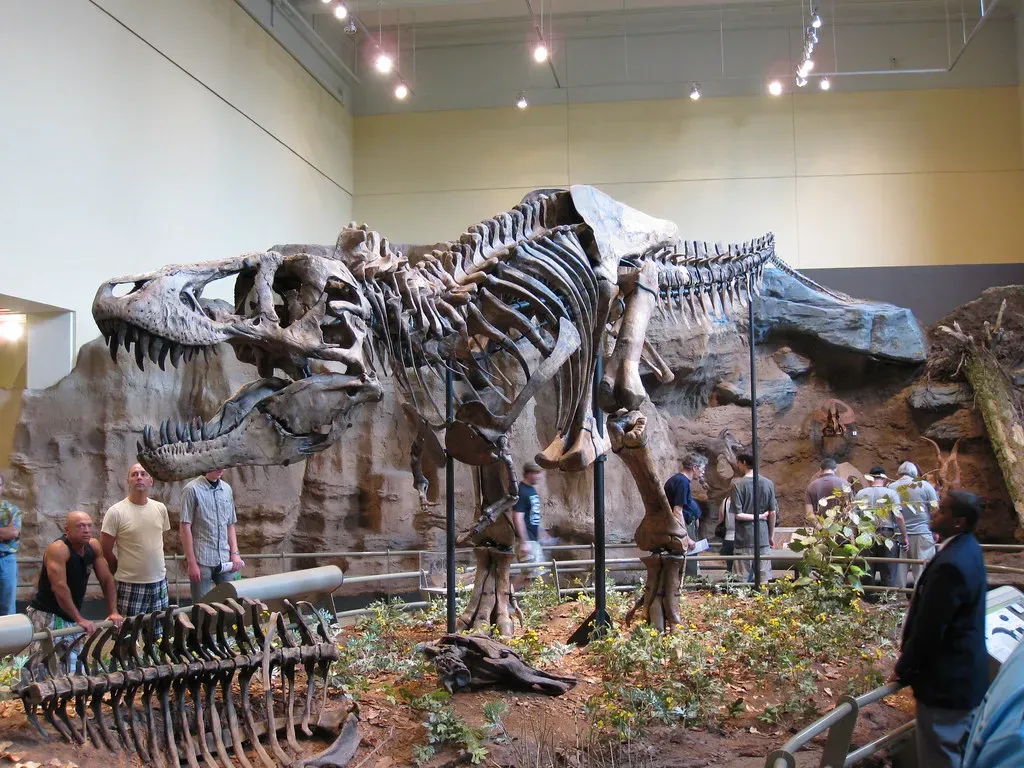
You probably learned that T. rex reached its terrifying full size in roughly two decades. That picture needs a serious update. The best estimates from previous studies were that T. rex typically stopped growing at around age 25, but an extensive new study of 17 tyrannosaur specimens, ranging from early juveniles to massive adults, now concludes that the king of carnivores took 40 years to reach its full-grown size of around eight tons. That is not a small correction – that is adding fifteen entire years to the life story of the most famous predator that ever walked the earth.
Advanced analysis of 17 specimens revealed a slower, more prolonged growth phase and identified hidden growth rings, with findings also suggesting some specimens may represent different species, highlighting greater diversity within the Tyrannosaurus group. Let that sink in for a moment. What you thought were young T. rexes may actually have been entirely different species, and what you thought was its full adult life span was only part of the picture. In addition to extending the growth phase of Tyrannosaurus by 15 years, results suggest that some of the specimens may not be T. rex at all, but rather members of other species or different for some other reason.
The Earliest Dinosaurs Did Not Grow the Way You’d Expect
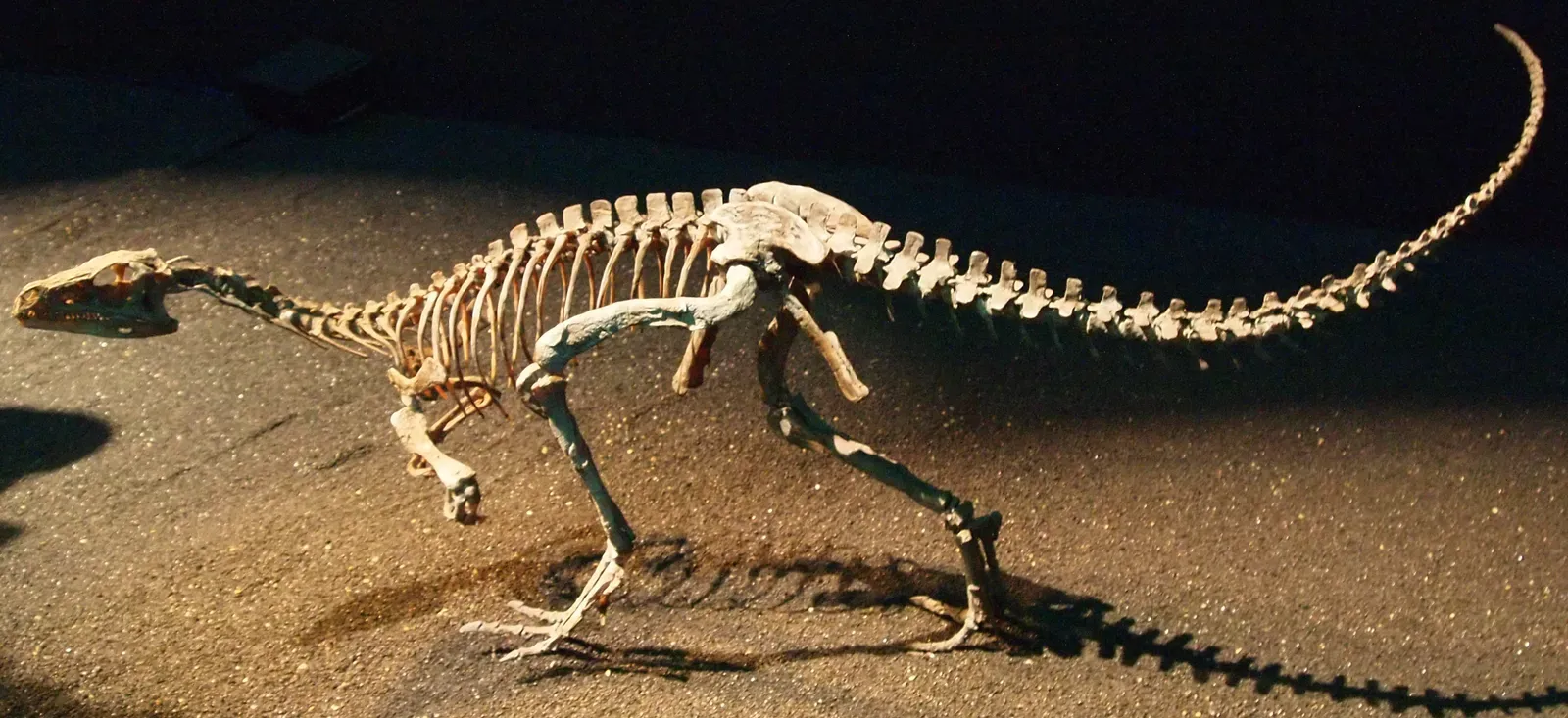
Here is something that will genuinely challenge what you assumed about dinosaur evolutionary advantage. One feature that is often thought to set dinosaurs apart is their rapid growth rate. But when researchers looked at the very oldest dinosaurs – the ones that existed at the very dawn of the dinosaur age – the story got much more complicated. The earliest dinosaurs had rapid growth rates, but so did many of the other animals living alongside them, according to a groundbreaking study published in the open-access journal PLOS ONE.
When dinosaurs first evolved, they were far from the most numerous, most diverse, or most specialized in their world, and that world was ruled by different groups of reptiles, many of which are more closely related to living crocodiles than to dinosaurs. So the idea that early dinosaurs had some kind of exclusive fast-growth superpower that instantly set them apart? Not quite accurate. Early dinosaurs known from the Ischigualasto Formation grew at least as quickly as sauropodomorph and theropod dinosaurs from the later Mesozoic, and their elevated growth rates did not set them apart from other amniotes living at the same time.
Not All Dinosaurs Grew at the Same Speed
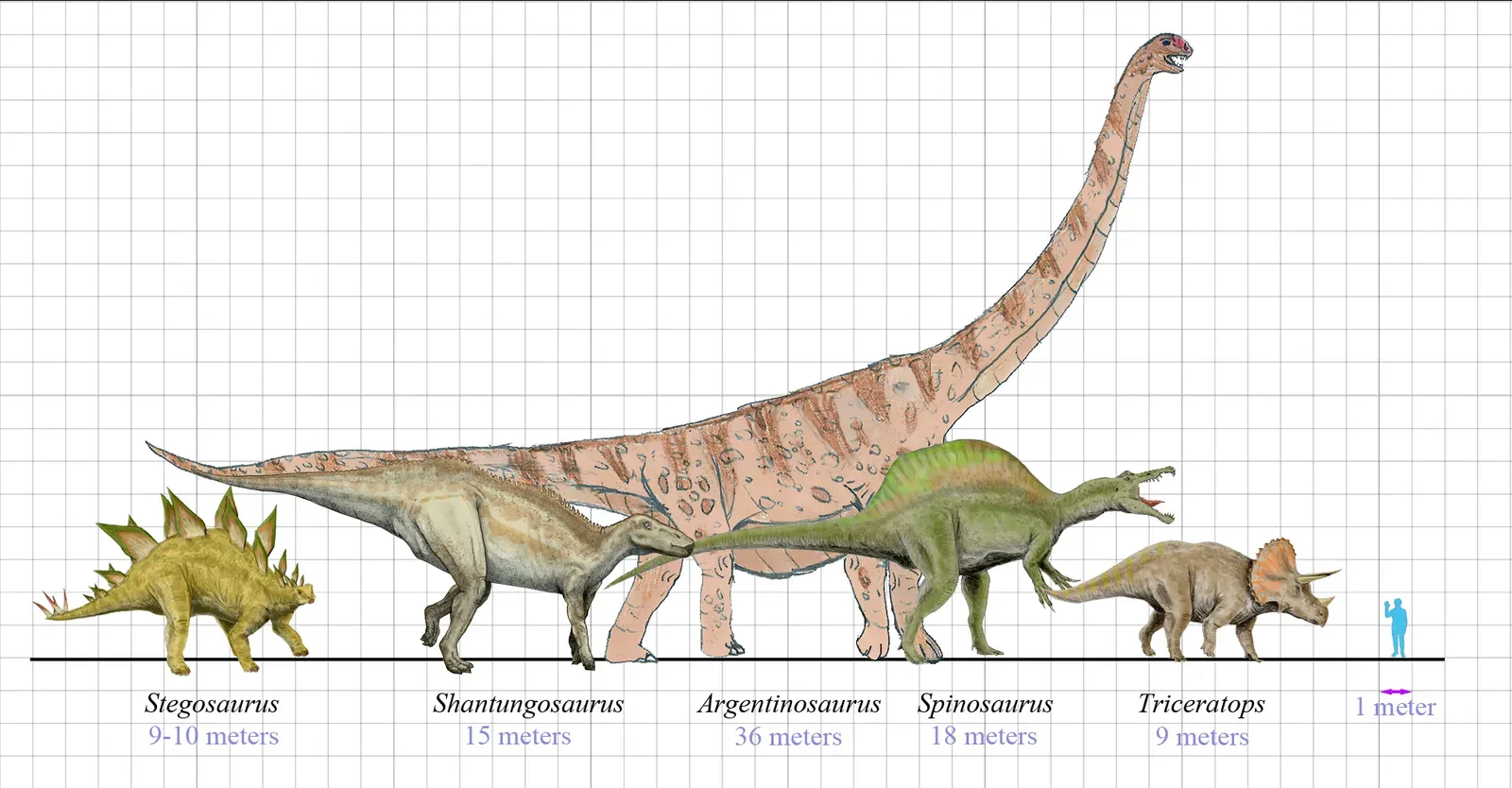
You might be tempted to lump all dinosaurs into one growth category, but that would be a mistake. The variation is honestly staggering. Quantitative analysis indicates that small-sized dinosaurs such as Yinlong, Psittacosaurus, Dysalotosaurus, and Troodon had maximum growth rates higher than those of extant squamates and crocodiles but lower than those of extant mammals and large dinosaurs. So the small ones grew faster than modern lizards but nowhere near as fast as the giants. Size, it turns out, was an enormous driver.
This suggests that body size plays a more important role in growth rate than other factors such as phylogenetic position and diet among non-avian dinosaurs. Think of it like this: the bigger the destination, the faster the journey needed to be. Differences in bone histology of various dinosaurs suggest that Stegosaurus grew more slowly and possibly had a lower metabolic rate than other dinosaurs of its size. Even within a single ecosystem, the growth strategies could be wildly different from one species to the next.
Sauropods: The Growth Rate Champions of All Time
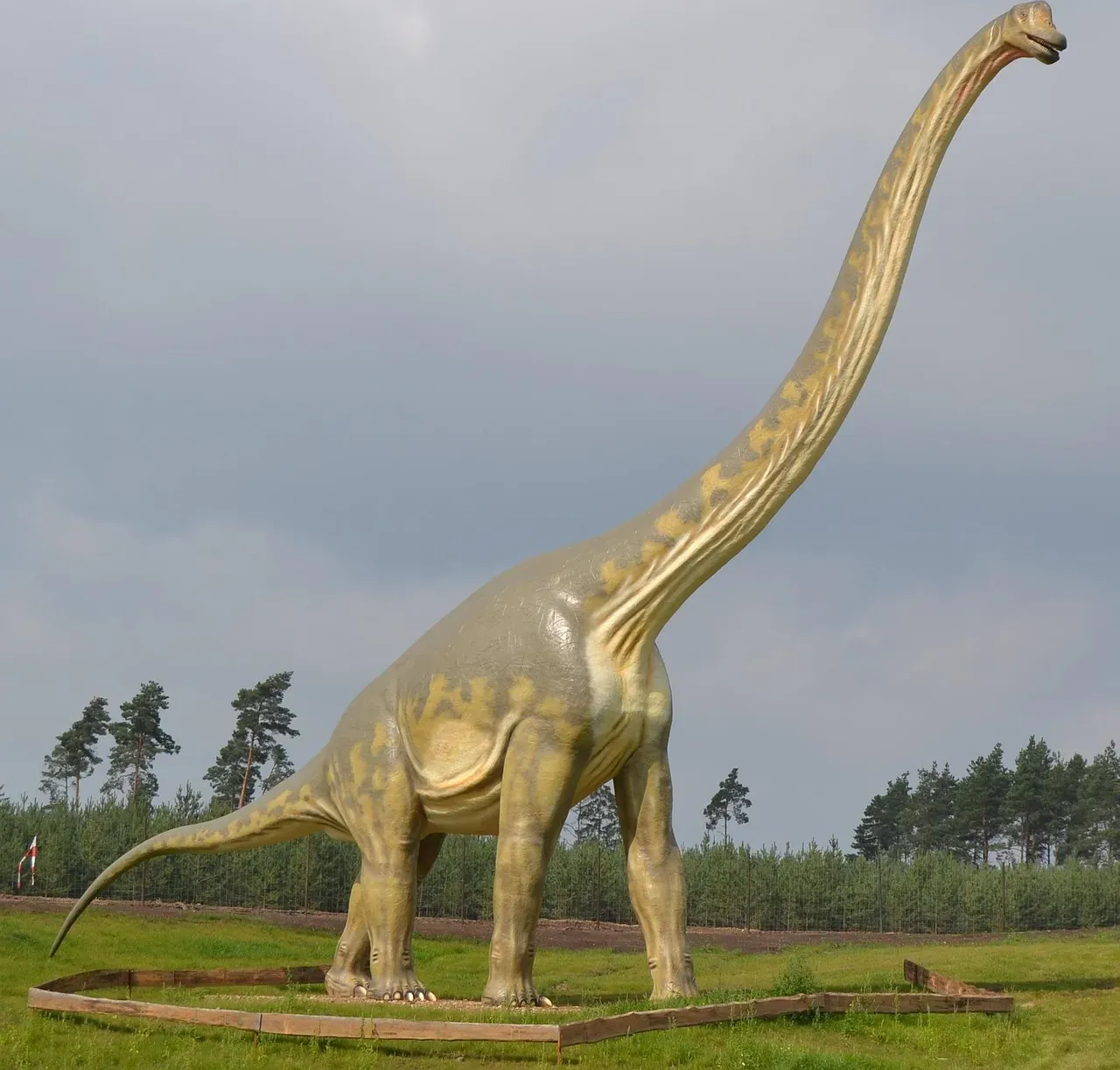
Let’s be real for a second. No conversation about dinosaur growth is complete without talking about sauropods, those long-necked giants that are, without question, the most extreme growth story in the history of vertebrate life. Gigantic, four-legged, long-necked, plant-eating sauropod dinosaurs of the Jurassic and Cretaceous periods, such as Brachiosaurus, were the largest animals to ever walk the Earth, weighing up to 70 tonnes, equivalent to 12 African elephants. Now consider that they started life inside an egg smaller than a football.
Sauropods emerged from eggs smaller than a soccer ball and grew at astonishing rates of up to roughly 5 kilograms per day. That is almost incomprehensible. The oldest sauropods were already very large and show the same long-bone histology – laminar fibro-lamellar bone lacking growth marks – as the well-known Jurassic sauropods, and this bone histology is unequivocal evidence for very fast growth. Their bones essentially never paused to leave a ring. They were just relentlessly, constantly building mass in a way that has no parallel in the animal kingdom today.
Warm Blood, Cold Blood, or Something Else Entirely?
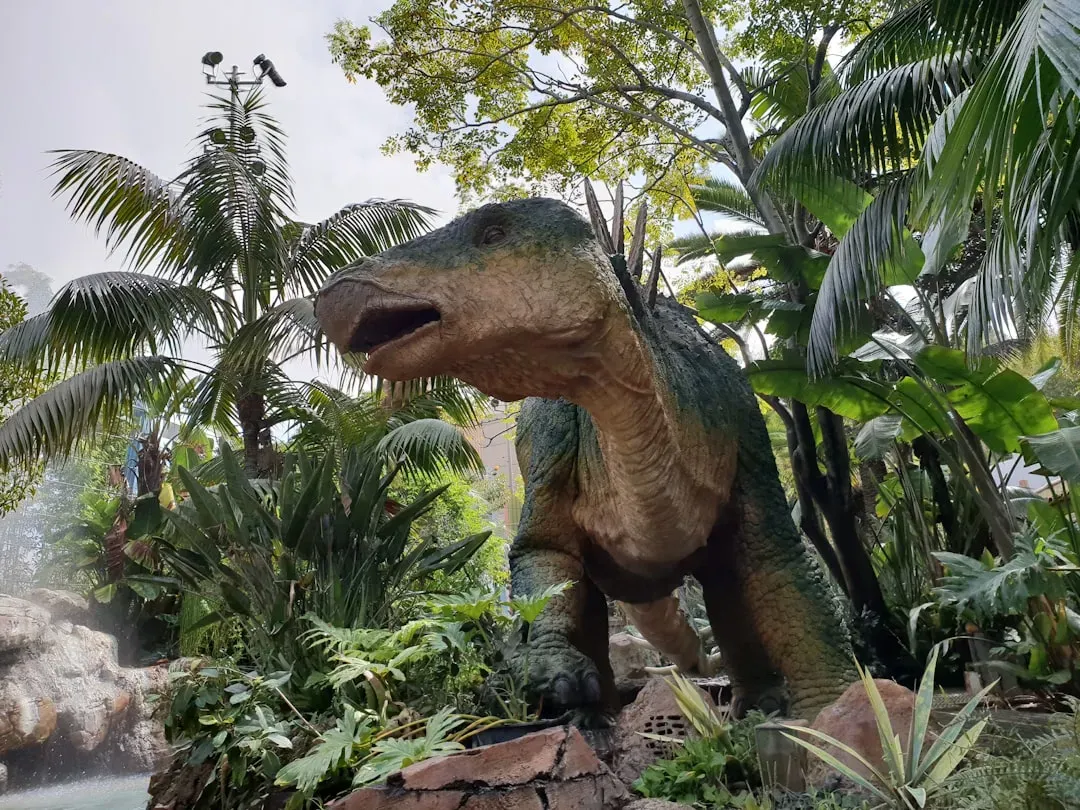
Here is where things get genuinely fascinating – and a little contentious. The warm-versus-cold-blooded debate in dinosaurs has been one of the longest-running arguments in paleontology, and science has finally started delivering real answers. The lizard-hipped dinosaurs, including theropods and the sauropods like Velociraptor, T. rex, and Brachiosaurus, were warm- or even hot-blooded, and researchers were surprised to find that some of these dinosaurs had metabolic rates comparable to modern birds, much higher than mammals. Birds comparable. Not just warm-blooded – supercharged.
The ornithischians, which include Triceratops and duck-billed Hadrosaurus, lost their fast metabolism over time and became cold-blooded species. So you have two groups of dinosaurs living side by side, one group running on a furnace and one group running on much lower energy. While the evidence for warm-blooded dinosaur physiology is strong, the debate continues, and some researchers argue that certain dinosaur species may have been partially endothermic or exhibited a mix of ectothermic and endothermic traits. It’s hard to say for sure where the full story ends, but the metabolic picture is far more nuanced than your old textbook ever let on.
Sexual Maturity Timelines Were Not What Scientists Expected
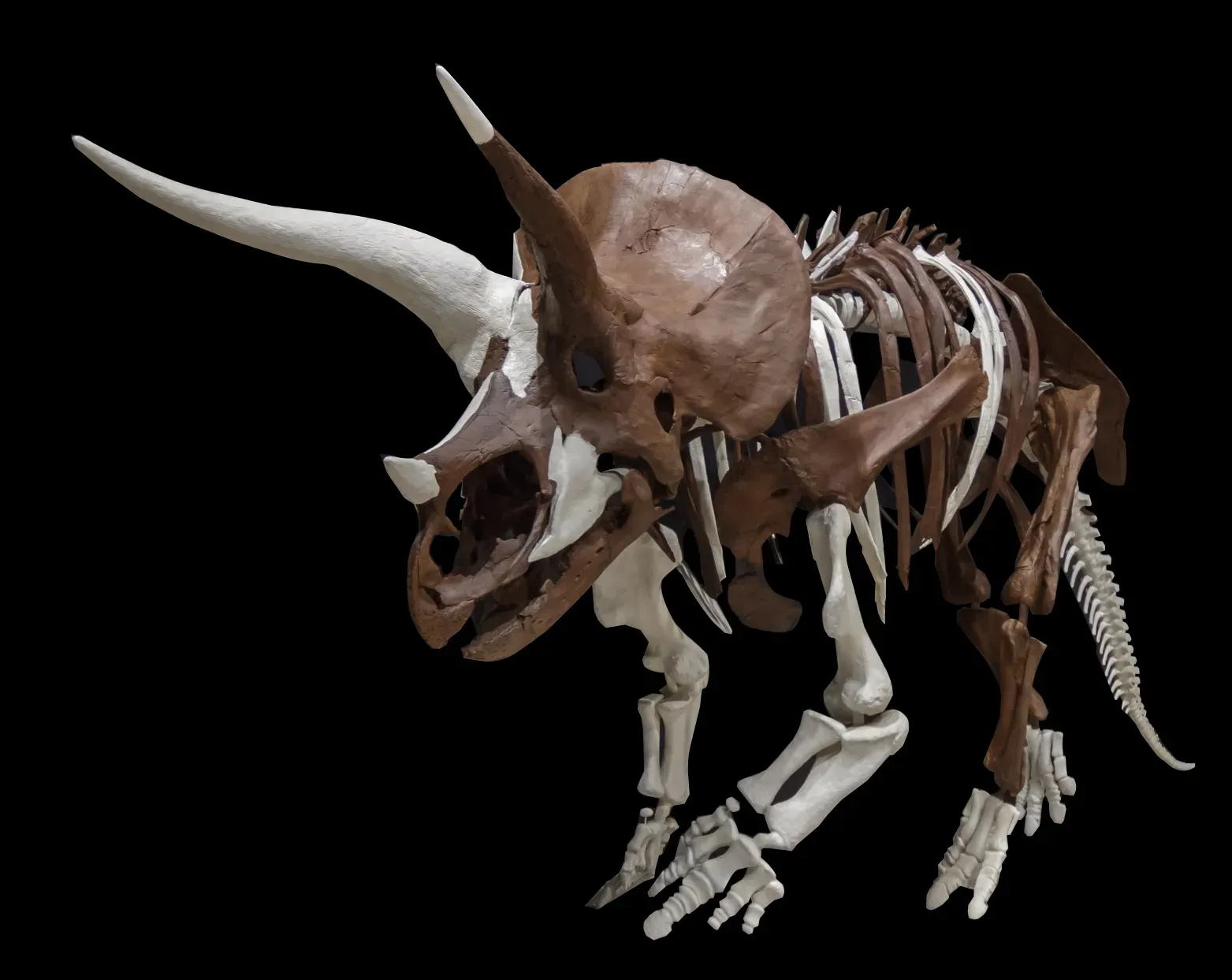
When did a dinosaur officially become an adult? The answer is both more complex and more interesting than anyone initially predicted. A study on the bone histology of Yinlong downsi reported evidence indicating that it reached sexual maturity earlier than Psittacosaurus but later than ceratopsids, and showed evidence of growth rates higher than those of extant squamates and crocodiles but lower than those of large-sized dinosaurs and extant mammals and birds. Basically, every species seems to have had its own unique timeline for when it transitioned from juvenile to reproductive adult.
Histological evidence of high growth rates in young T. rex, comparable to those of mammals and birds, may support the hypothesis of a high metabolism, and growth curves indicate that, as in mammals and birds, T. rex growth was limited mostly to immature animals, rather than the indeterminate growth seen in most other vertebrates. That matters enormously. It means T. rex was not just continuously growing like a fish or a crocodile – it had a defined growth window, grew hard and fast during youth, and then essentially stopped. This may indicate that sexual maturity began earlier during the evolution of ceratopsians, and that the giant size of ceratopsids was acquired by accelerating growth rates.
Modern Technology Is Still Rewriting the Rules
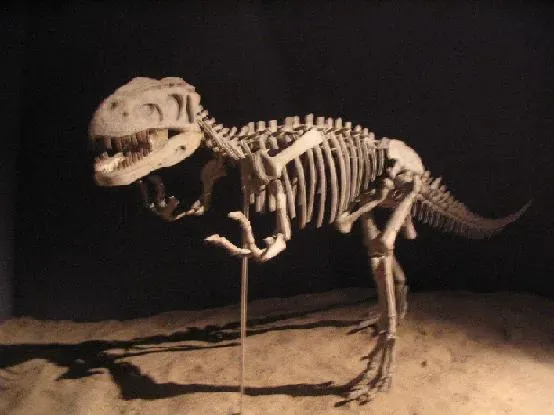
Perhaps the most exciting part of all of this is that we are nowhere near finished discovering the truth. A golden era in dinosaur science is driving the current fascination with dinosaurs, and around 1,400 dinosaur species are now known from more than 90 countries, with the rate of discovery accelerating in the last two decades. More species means more data, and more data means more opportunities to overturn whatever assumptions remain standing. The year 2025 alone saw the discovery of 44 new dinosaur species, nearly one a week.
The Carnian, Triassic-Jurassic boundary and Middle Jurassic time intervals, and new finds in Gondwana, especially Africa and India, offer the best opportunities to make major new discoveries that could fundamentally change our understanding of dinosaur evolution, and the application of remote sensing, drone imaging, three-dimensional scanning, artificial intelligence, and machine-learning could revolutionize the field in the future. When you combine cutting-edge scanning techniques with the hidden growth rings being uncovered by polarized light analysis, the pace of discovery becomes genuinely breathtaking. As new dinosaurs continue to be discovered and gaps in the evolutionary tree get filled in, tracking the features of fast growth through the dinosaur family tree will help us understand the relationships between growth and other features that paved the way for dinosaurs to rise to dominance.
Conclusion: The Bones Had More to Say All Along
What’s remarkable about all of this is not just the individual discoveries – it’s the realization that the bones were always there, waiting for us to ask the right questions and develop the tools to hear the answers. Every slice of fossil bone examined under polarized light, every growth ring counted with statistical precision, every new species pulled out of Argentine or Chinese rock – all of it is giving us a picture of dinosaurs that is richer, stranger, and more alive than anything we had before.
You grew up thinking dinosaurs were simple. Slow growers, cold-blooded giants, straightforward in their biology. The truth is that they were wildly diverse in how they lived, how fast they grew, and how hot their blood ran. Some sprinted through childhood in a matter of years. Others, like T. rex, quietly added hidden growth rings for four full decades. The old story was neat and tidy. The real story is messier, and infinitely more fascinating.
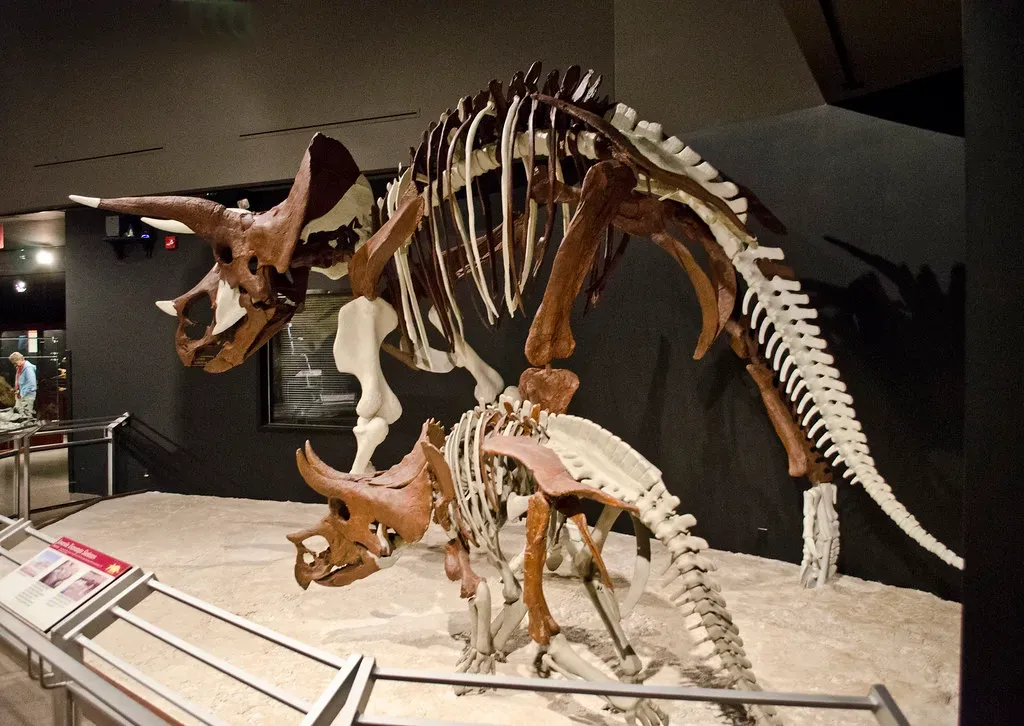
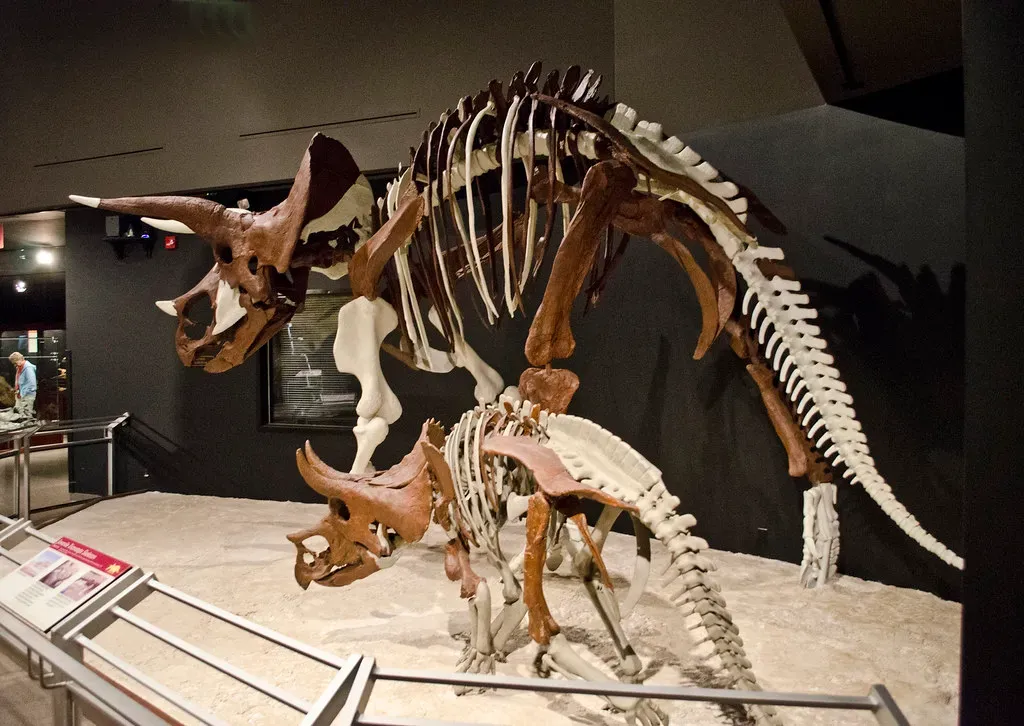
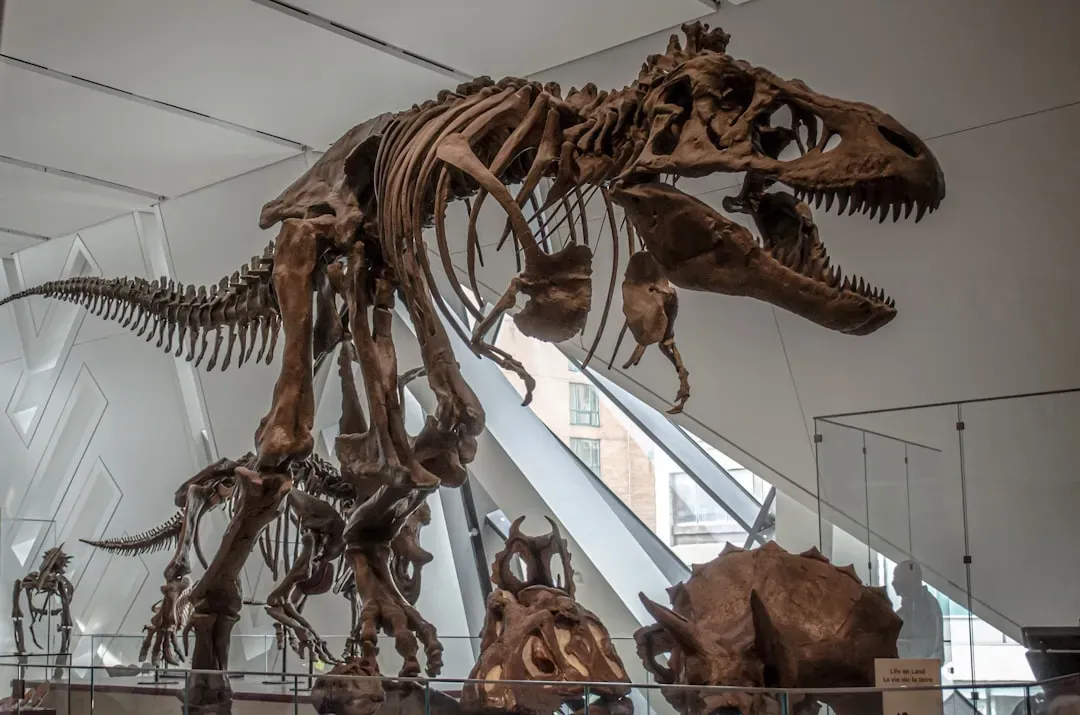
The next time you stand in front of a dinosaur skeleton in a museum, remember: you are not looking at a slow, cold, ancient reptile. You might be looking at something that grew faster than almost anything alive today, burned energy like a furnace, and took far longer to reach adulthood than anyone ever guessed. Does that change the way you see them? It should.