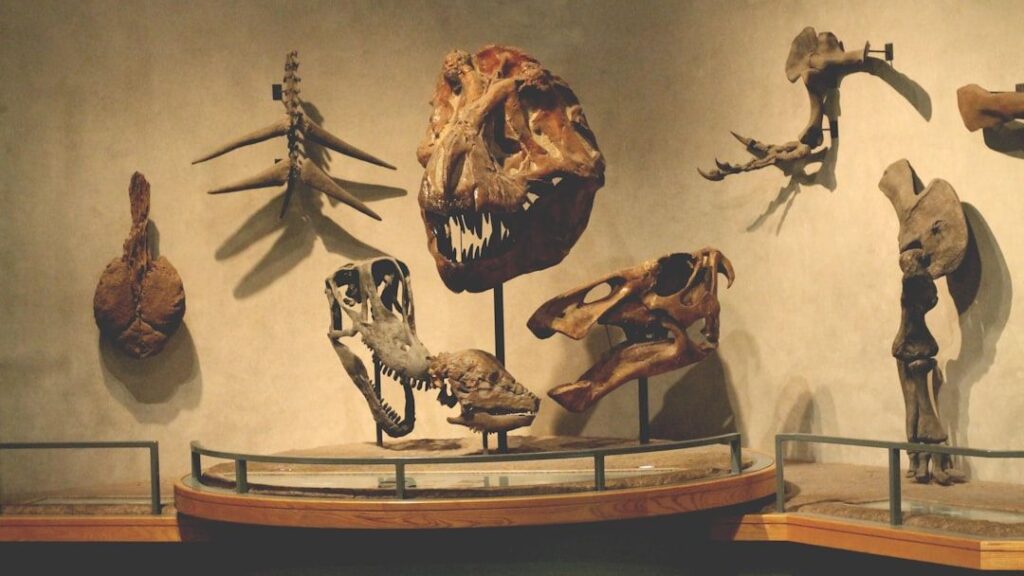
You probably think you know the story of dinosaurs in North America. Giant beasts roaming ancient landscapes, eventually discovered by pioneering paleontologists in the late 1800s. Simple enough, right? Well, here’s the thing: that narrative barely scratches the surface.
Recent discoveries are flipping decades of established science upside down. The timeline you memorized in school? It’s shifting by millions of years. Those neat categories of when and where dinosaurs evolved? Turns out they’re far messier than anyone imagined. Let’s dive into what you really should know about early American dinosaurs.
The True First American Dinosaurs Were Much Older Than We Thought
For years, textbooks confidently declared that Joseph Leidy described the first American dinosaurs in 1856 from teeth discovered in Montana’s Judith River region. That felt like solid ground to stand on. Yet the reality is far more complicated.
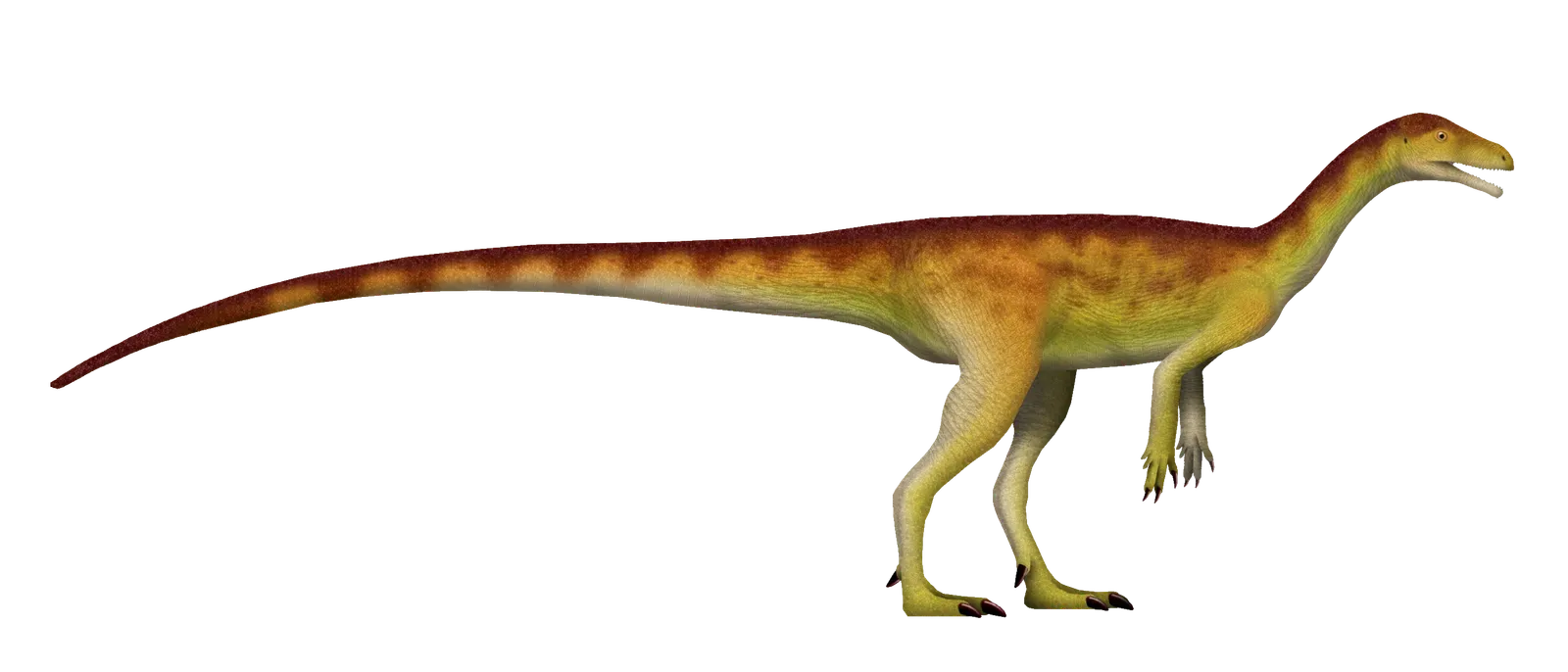
A newly described dinosaur named Ahvaytum bahndooiveche challenges that narrative, with fossils estimated to be around 230 million years old. This chicken-sized creature with a long tail just became North America’s oldest known dinosaur. What’s truly shocking is that the dinosaur was present in the northern hemisphere around 230 million years ago, obliterating previous assumptions.
Even before formal dinosaur bones were recognized, evidence existed that we completely overlooked. Reverend Edward Hitchcock described dinosaur trackways from Connecticut River Valley sandstone, with footprints first noticed in 1802 by a boy named Pliny Moody. We literally walked past dinosaur evidence for decades without realizing what we were seeing.
The Southern Origin Story Was Only Half Right
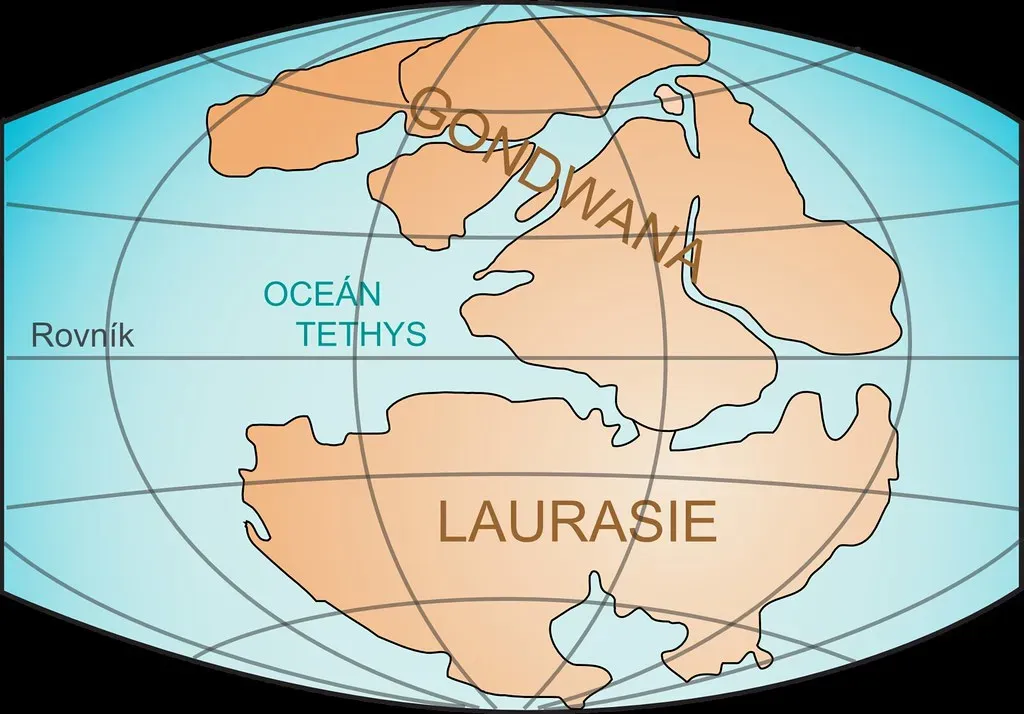
You’ve probably heard the mainstream theory: dinosaurs originated in the southern supercontinent Gondwana, then spread north millions of years later. It sounded logical, mostly because the fossil evidence seemed to support it.
Honestly, that story is falling apart. The mainstream view held that dinosaurs emerged on Gondwana millions of years before spreading to Laurasia, but new evidence shows the reptiles were present in the northern hemisphere millions of years earlier than previously known. The discovery in Wyoming fundamentally rewrites when dinosaurs inhabited different parts of the ancient world.
Older tracks in the same region suggest that dinosaur-like creatures were present even earlier, challenging previous beliefs that dinosaurs originated solely in the Southern Hemisphere before spreading northward. The neat, linear migration story? It never happened that way. Dinosaurs were everywhere much earlier than scientists believed possible.
Early American Dinosaurs Started Ridiculously Small
Think massive, thundering beasts when you hear “dinosaur”? That image dominated popular imagination for generations. The earliest American dinosaurs tell a completely different story.
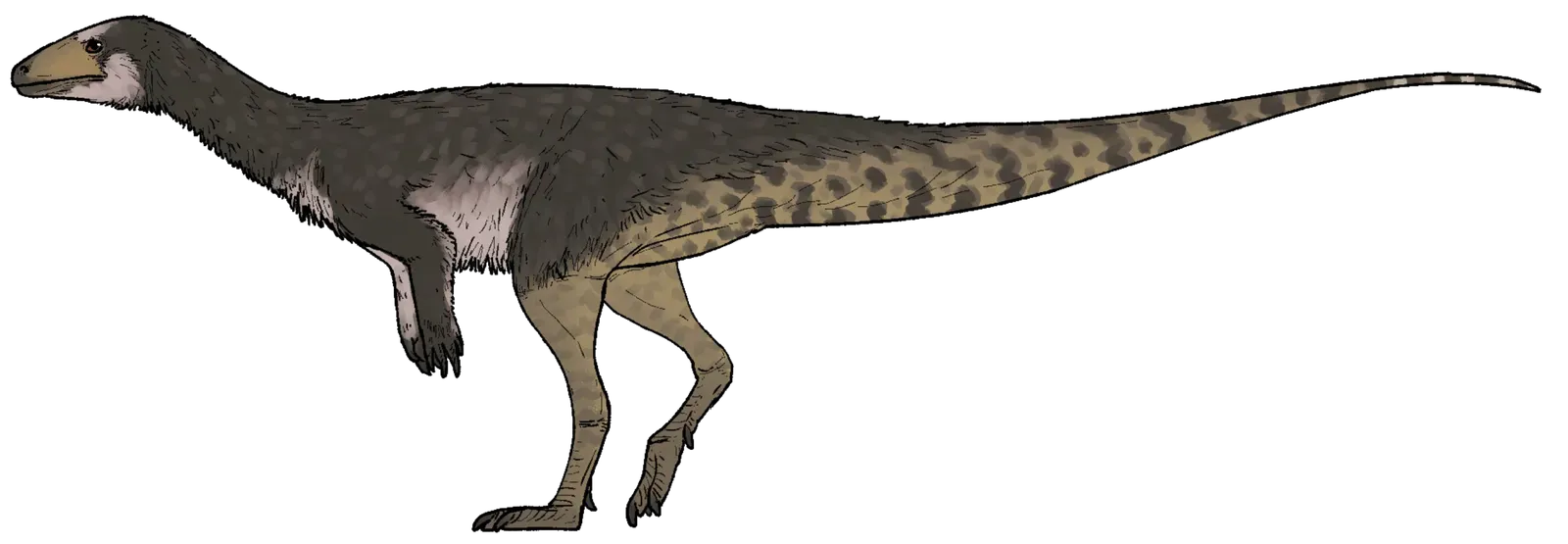
Ahvaytum bahndooiveche was basically the size of a chicken but with a really long tail. Let that sink in for a moment. The type specimen stood a little over one foot tall and was around three feet long from head to tail. These weren’t the giants we associate with the word “dinosaur” at all.
Early dinosaurs were mostly small, lightly built two-legged carnivores, including animals such as Coelophysis and its close relatives. The age of giants came much later. Early American dinosaurs were scrappy little survivors navigating a world dominated by completely different reptiles.
Climate Change Millions of Years Ago Made American Dinosaurs Possible
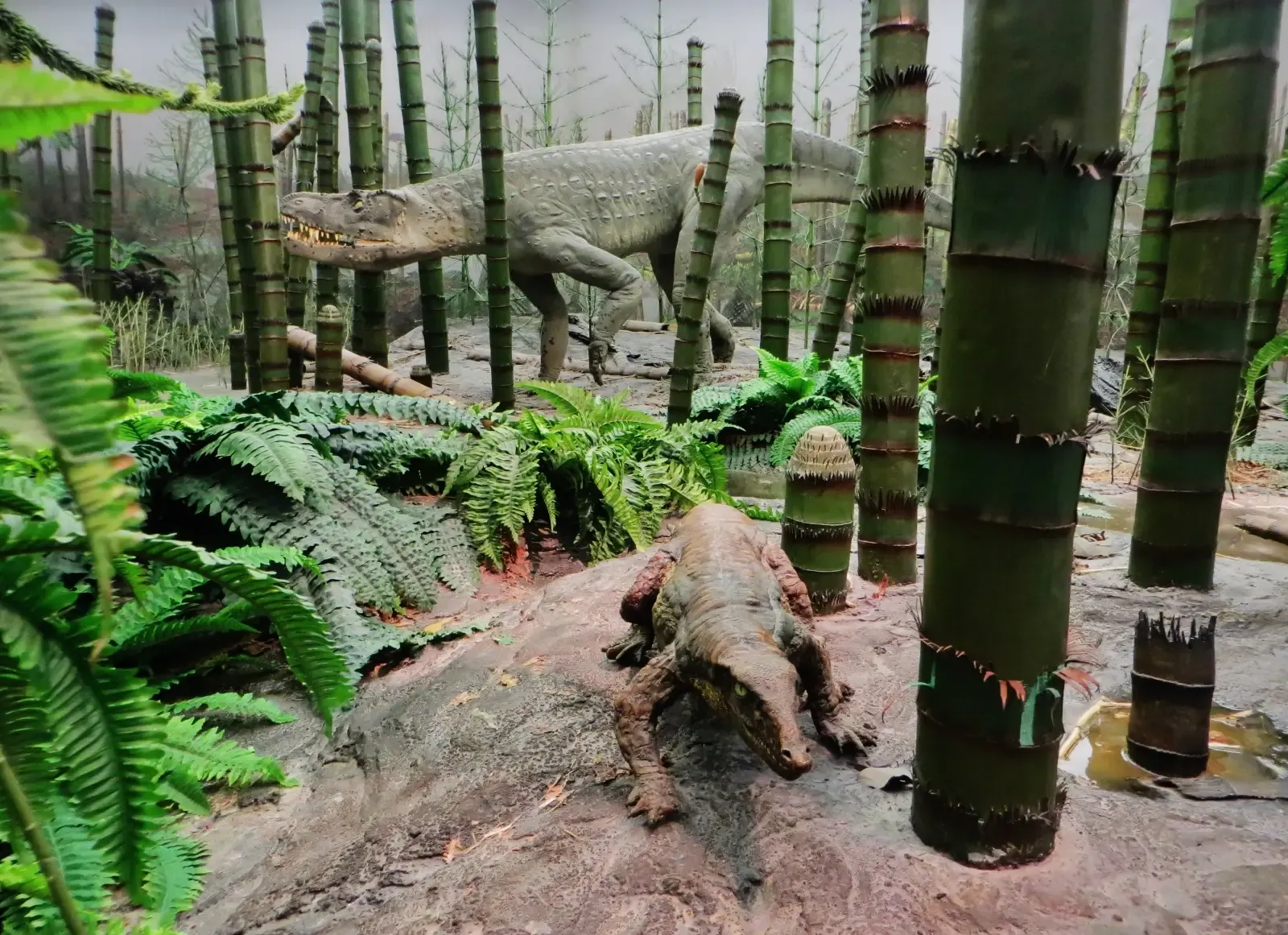
Here’s where things get really interesting. The appearance of early dinosaurs in North America wasn’t random luck. A massive climate shift literally transformed the landscape, creating opportunities that didn’t exist before.
The climate during the Carnian pluvial episode, lasting from about 234 to 232 million years ago, was much wetter than it had been previously, transforming large, hot stretches of desert into more hospitable habitats for early dinosaurs. Suddenly, inhospitable wastelands became lush environments where small dinosaurs could thrive.
Ahvaytum bahndooiveche lived during or soon after this period of immense climatic change that has previously been connected to an early period of diversification of dinosaur species. Without this dramatic environmental shift, the entire trajectory of dinosaur evolution in North America might have been completely different. Climate wasn’t just background noise; it was the main character.
The East Coast Dinosaur Record Is Frustratingly Incomplete
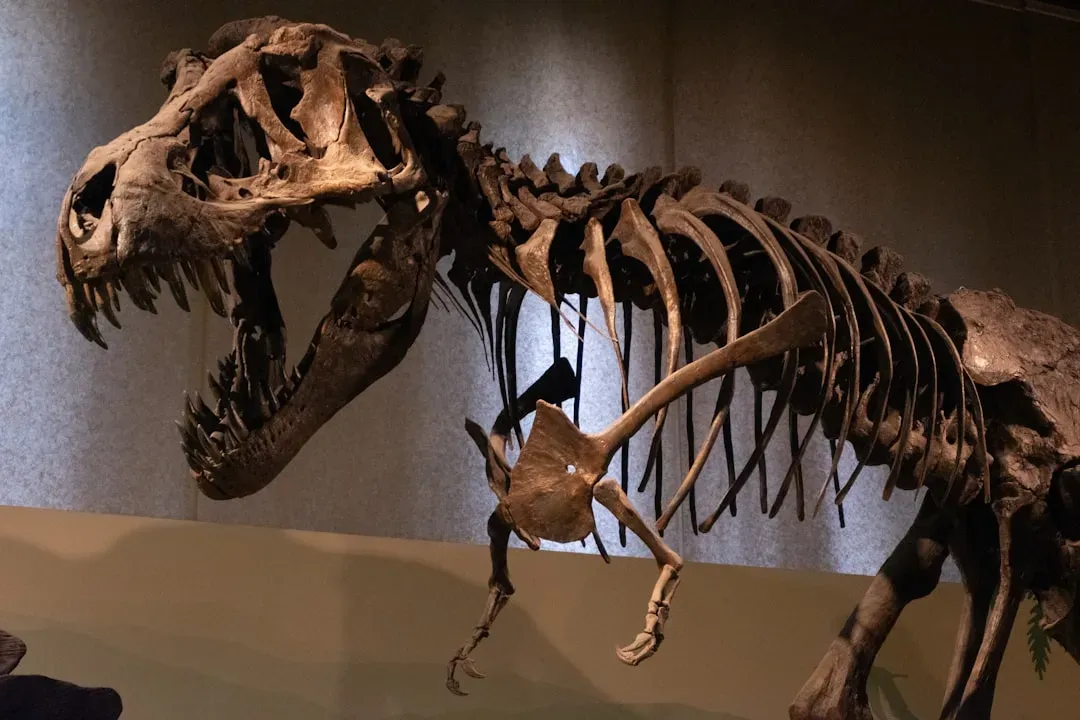
If you grew up on the East Coast, you might feel cheated by how few dinosaurs are associated with your region. There’s a genuine reason for that frustration.
From elusive Triassic footprints in the Mid-Atlantic to fragmented Early Jurassic bones and prints in Nova Scotia and New England, Eastern North America has never cooperated in giving up its dinosaur secrets, and the Eastern dinosaur record of the late Jurassic does not exist. That’s not exaggeration. We literally have zero Late Jurassic dinosaur fossils from the East.
One publication describes it best: Eastern North America is a “dark continent” of Late Cretaceous dinosaur paleontology. Western states got the Morrison Formation with its incredible fossil diversity. The East? Mostly isolated teeth and bone fragments. Geology and ancient geography conspired to hide Eastern dinosaurs from us almost entirely.
We Ignored Indigenous Knowledge About Fossils For Centuries
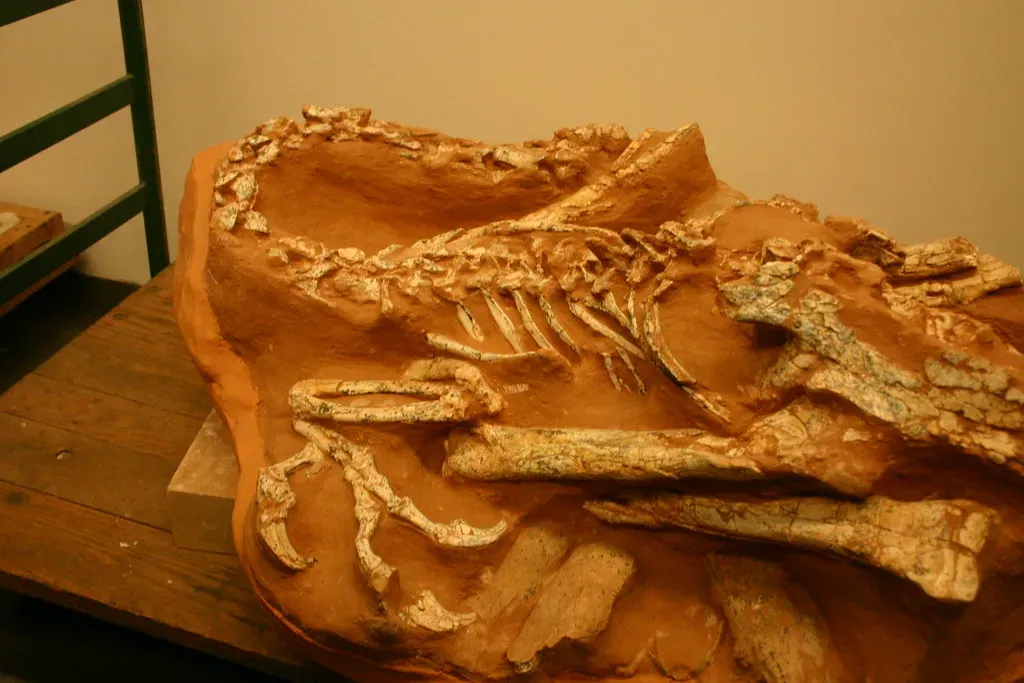
Long before European scientists started cataloging dinosaur bones, Indigenous peoples across North America encountered these fossils. Their interpretations were dismissed as mythology rather than recognized as legitimate observations.
The indigenous people of the United States interpreted the fossil record through a mythological lens, but Native American fossil legends often derived from observation and rational speculation based on fossil finds. They saw the bones, developed explanations, and passed down knowledge through generations.
The species name Ahvaytum bahndooiveche, meaning “long ago dinosaur,” honors the Indigenous people whose ancestral lands were home to the fossil site, reflecting a deeper respect for cultural heritage and integrating Indigenous language and perspectives into the scientific process. It took until the twenty-first century for paleontology to properly acknowledge and incorporate this perspective. Better late than never, I suppose.
The Morrison Formation Hid Secrets We’re Still Uncovering
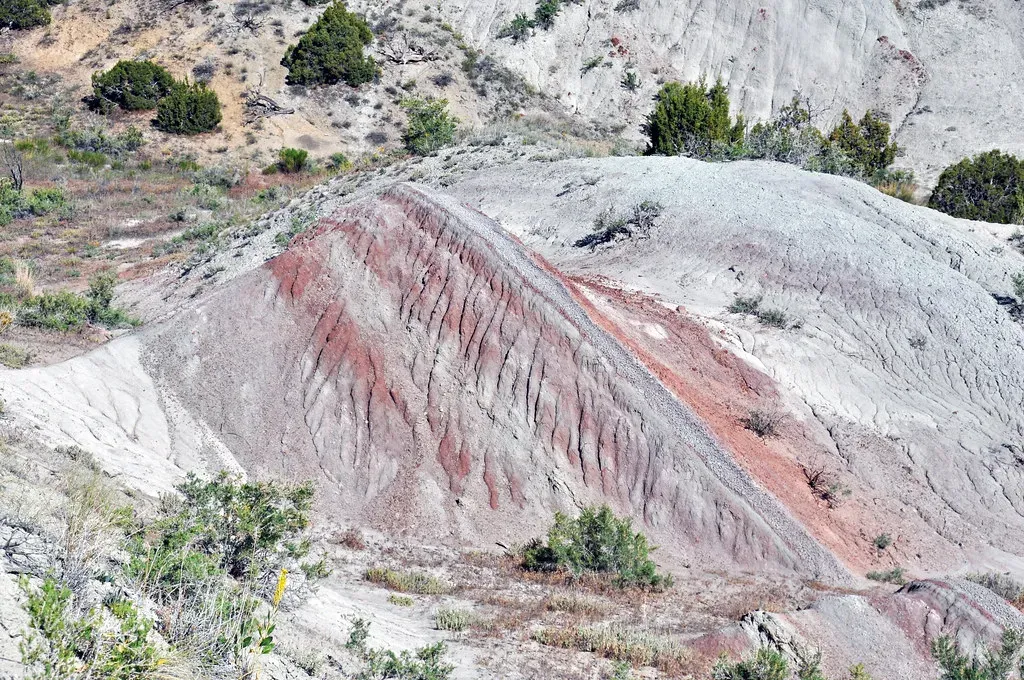
The Morrison Formation is legendary among paleontologists. The Late Jurassic Morrison Formation is found in several U.S. states, including Colorado, Utah, Wyoming, Montana, New Mexico, Oklahoma, South Dakota, and Texas, and is notable as being the most fertile single source of dinosaur fossils in the world. You’d think we’d have squeezed every secret from these rocks by now.
You’d be wrong. Recent research reveals that dinosaur populations appeared to be thriving at the end of the Jurassic before disappearing by the early Cretaceous, but evidence suggests this may have been an event that was local to North America. Famous dinosaurs like Stegosaurus and Diplodocus vanished from the landscape while continuing to exist elsewhere in the world.
Some think the climate might have changed and it just didn’t favor those dinosaurs anymore, while a mountain-building event at the end of the Jurassic caused uplift of the Morrison basin, which would have changed the climate and environments. We’re still piecing together why such a productive ecosystem collapsed so dramatically.
Everything Changed When Recent Technology Met Old Fossils
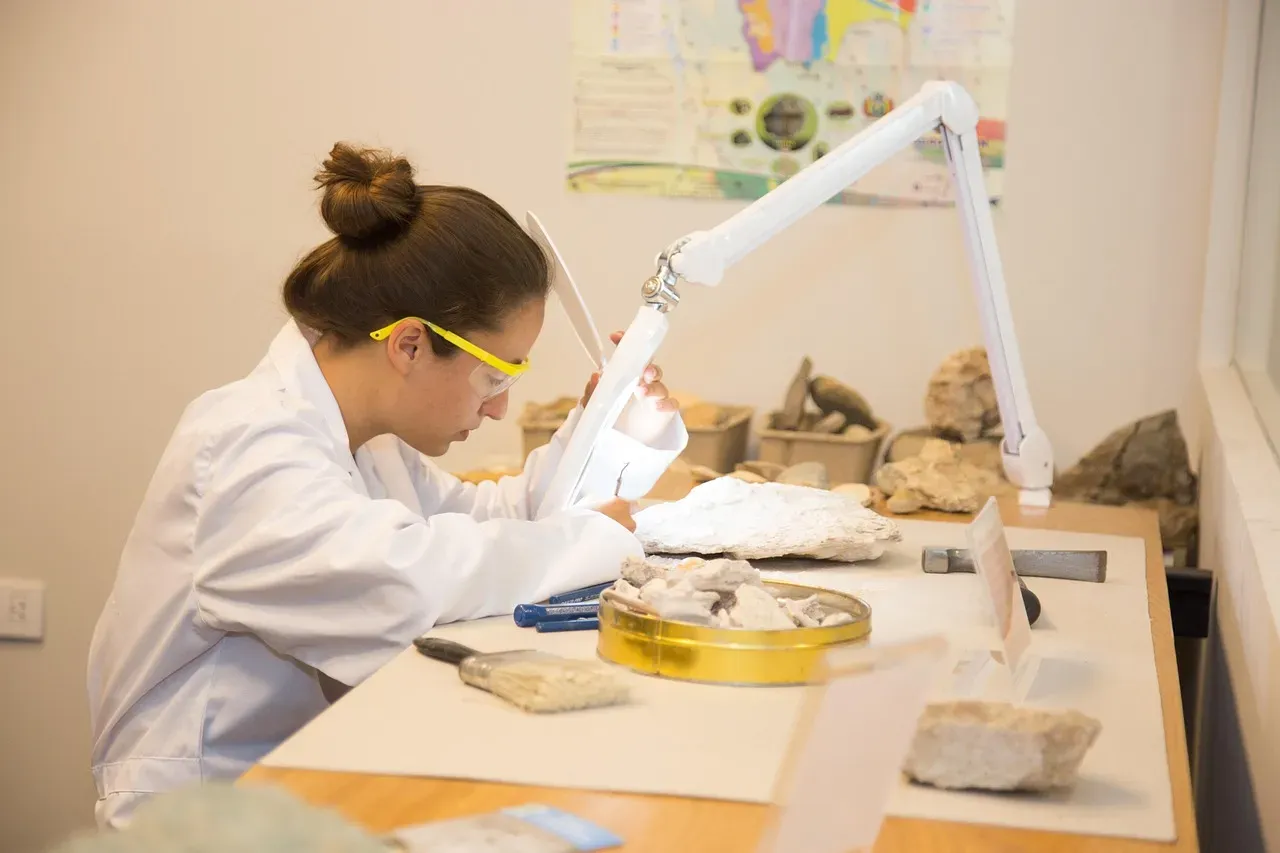
Museums worldwide hold thousands of fossil specimens collected decades or even centuries ago. Many sat in storage, partially studied or misidentified. Modern technology is revealing that we fundamentally misunderstood what we were looking at.
Since Nanotyrannus was first named in 1988, paleontologists argued whether medium-sized tyrannosaur fossils were juvenile T. rex or a unique predator, but an analysis found enough anatomical evidence to support that Nanotyrannus is different from T. rex, including fewer tail vertebrae and more teeth. One specimen completely overturned decades of assumptions about tyrannosaur growth and diversity.
For decades, paleontologists used Nanotyrannus fossils to model T. rex growth and behavior, but new evidence reveals those studies were based on two entirely different animals. Imagine building your entire understanding of something on a fundamental mistake. That’s where we’ve been. What else have we gotten wrong?
Conclusion: The Story Keeps Getting Rewritten
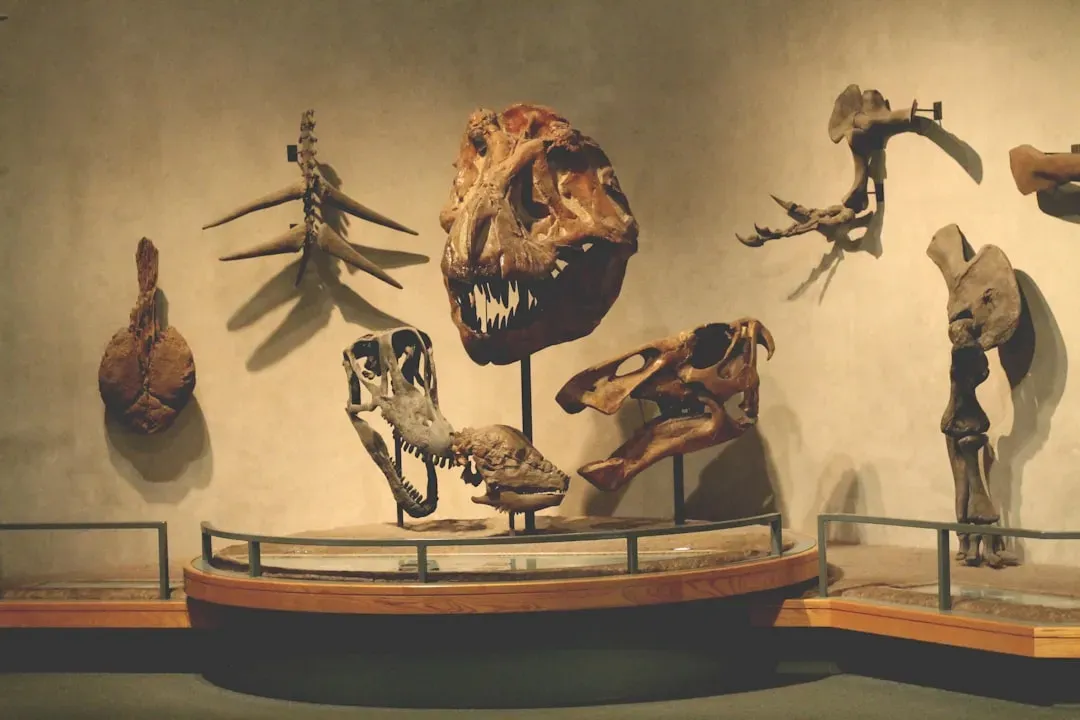
If there’s one takeaway from all this, it’s that the dinosaur story is far from finished. Every new discovery doesn’t just add details; it fundamentally challenges what we thought we knew. The timeline keeps shifting backward. Geographic ranges expand in unexpected directions. Species we thought were juveniles turn out to be distinct animals.
The ideas we’ve held for so long were supported by the fragmented evidence we had, but they weren’t quite right. That fragmented evidence is slowly becoming more complete, revealing a far more complex and fascinating picture than anyone imagined. Early American dinosaurs were smaller, older, more geographically diverse, and more climatically sensitive than textbooks suggested.
The incomplete education you received wasn’t necessarily wrong when it was taught. It was simply the best understanding available at that moment. Science isn’t about having all the answers; it’s about constantly refining our questions. Next time someone tells you they know the full story of American dinosaurs, remember: we’re still figuring it out, one fossil at a time. What do you think will be the next big discovery that changes everything again?