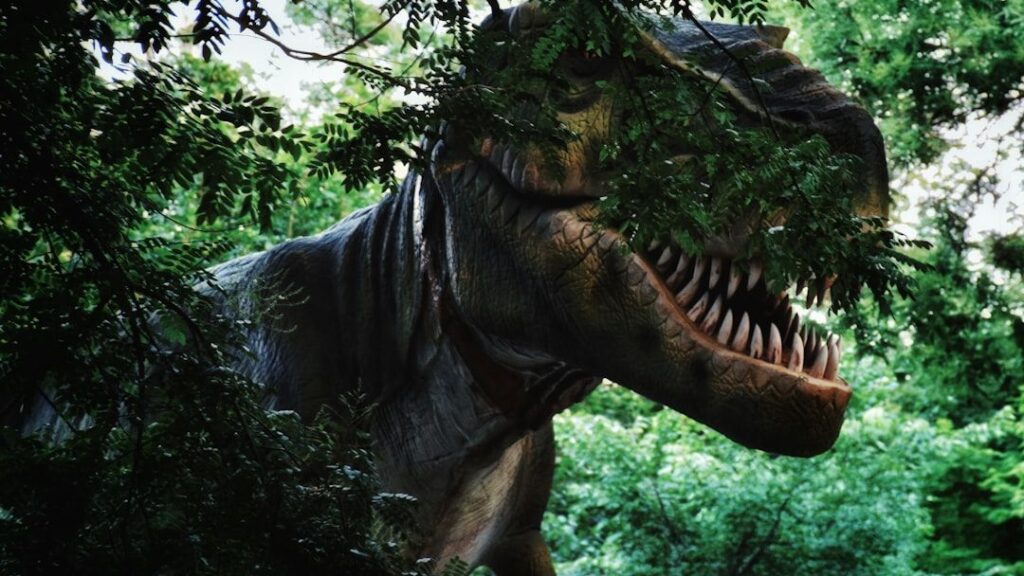
Have you ever imagined a Tyrannosaurus rex prowling through ancient forests with the same relentless energy as a modern wolf? For decades, we pictured dinosaurs as sluggish, lumbering reptiles dragging their tails through swampy terrain. That image is rapidly crumbling.
Recent scientific discoveries are rewriting what we thought we knew about these prehistoric giants, and the findings are nothing short of astonishing. The idea that some dinosaurs maintained constant body temperatures and hunted with fierce determination is gaining serious traction among paleontologists today.
Breaking Down the Warm-Blooded Mystery
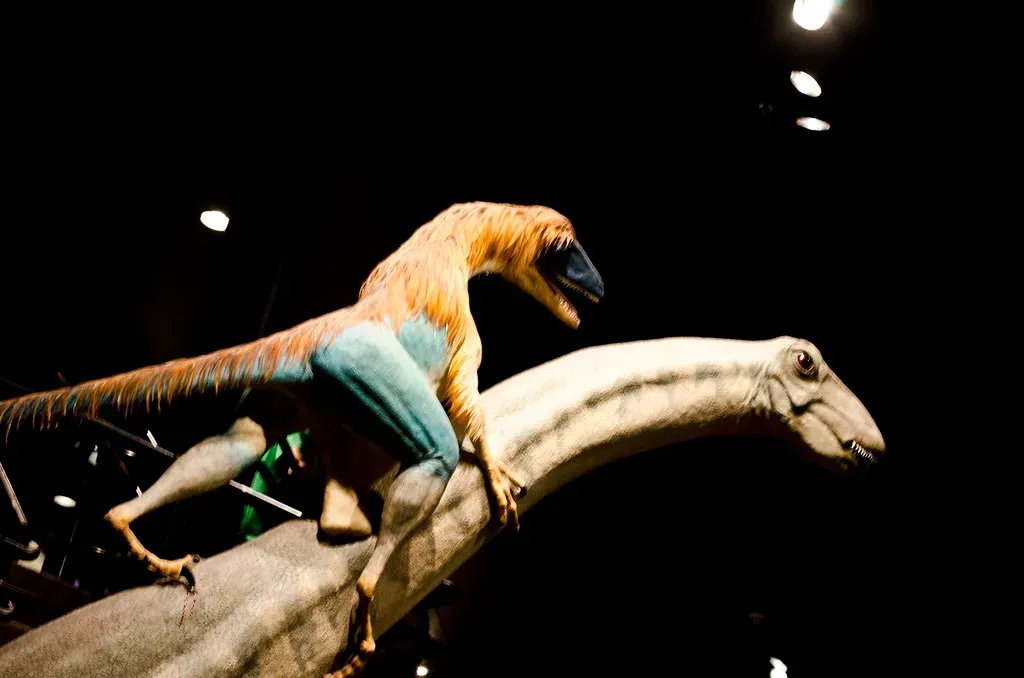
Animals with a high metabolic rate are endothermic, or warm-blooded, meaning they burn calories to maintain body temperature and stay active. Many dinosaurs were likely warm-blooded with high metabolic rates that resembled those of modern birds, comparing samples from more than 50 vertebrate species revealed surprising patterns. Think about it this way: your dog needs to eat regularly to fuel its internal furnace, while a lizard can go weeks without food by simply basking in sunshine.
The difference isn’t just academic. Cold-blooded dinosaurs would not have had the required muscular power to prey on other animals and dominate over mammals throughout the Mesozoic period. The implications are staggering when you consider how these creatures ruled Earth for over 150 million years.
The Bone Chemistry Revolution
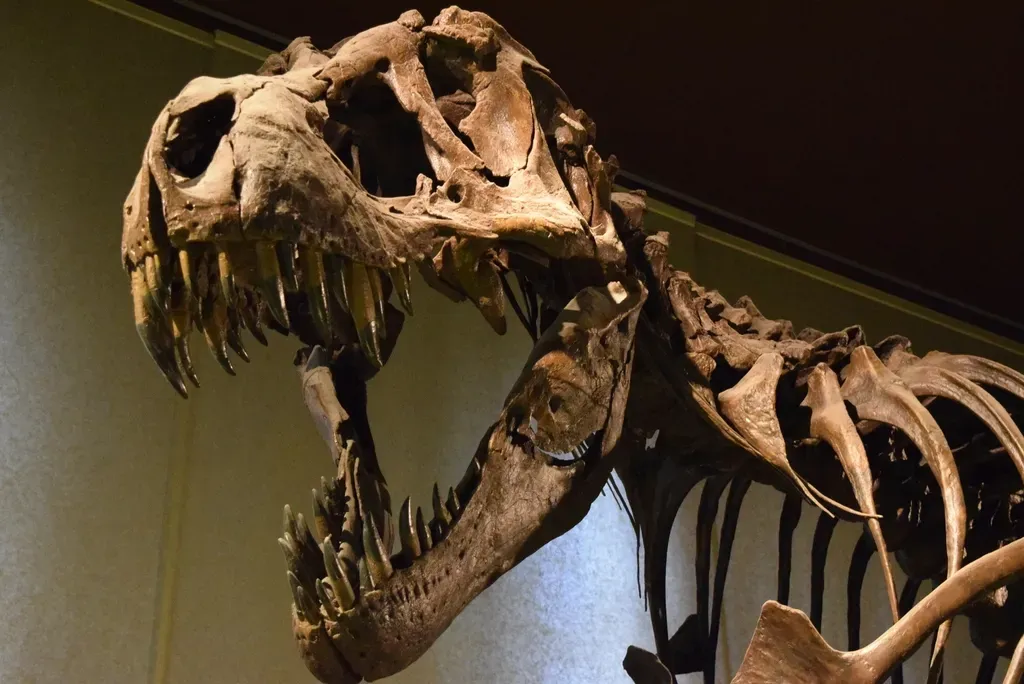
Imaging the bones with infrared spectroscopy, scientists found an abundance of molecules produced as waste during oxygen inhalation. This technique is genuinely revolutionary. Laser microspectroscopy captures signals of molecular metabolic stress markers in modern and fossil bones responding to the laser light without destroying precious specimens.
Let’s be real, this is pretty incredible stuff. The molecules are a sure sign of a high-powered metabolism, which warm-blooded animals use to keep their body temperatures constant. Scientists can essentially read the metabolic signature left behind in bones that are millions of years old, like discovering a chemical fingerprint frozen in time.
When Dinosaurs Moved to Colder Climates
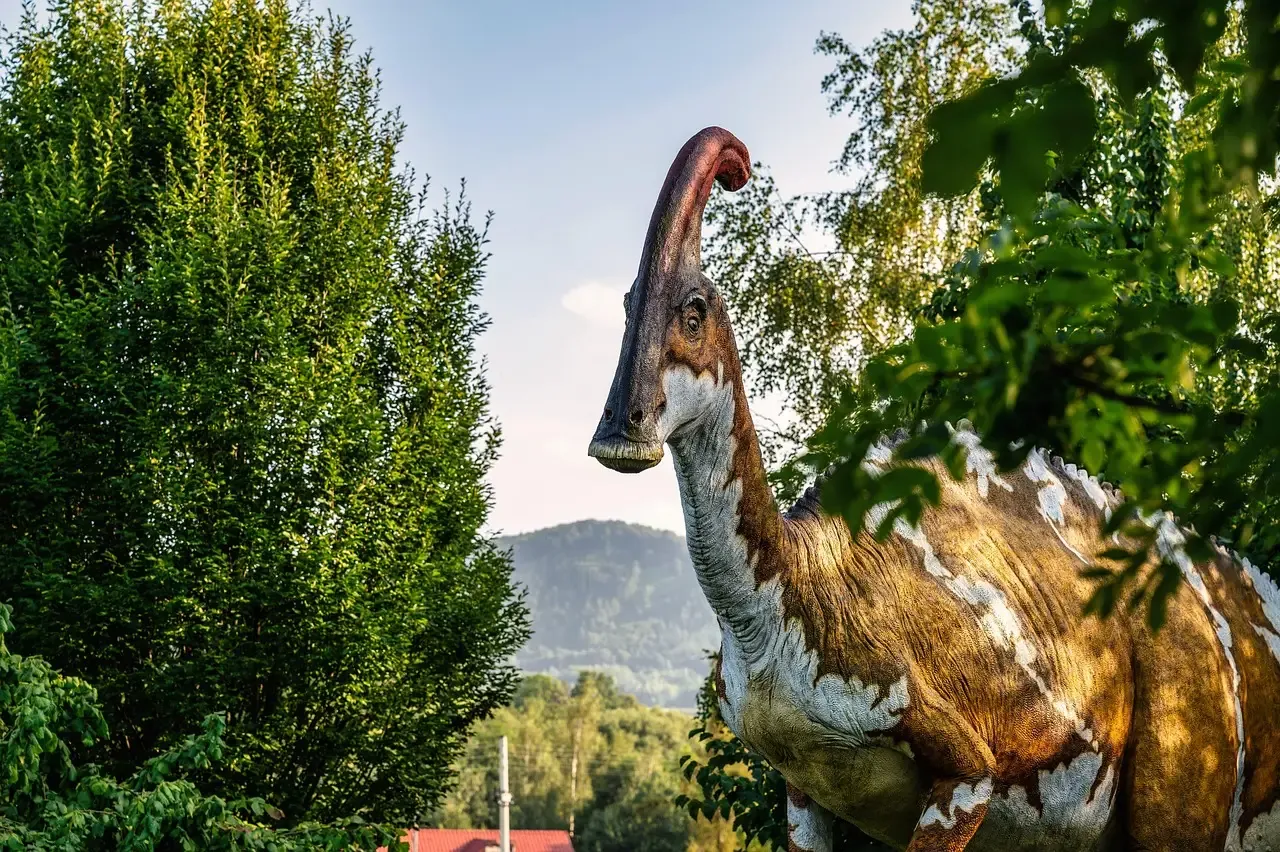
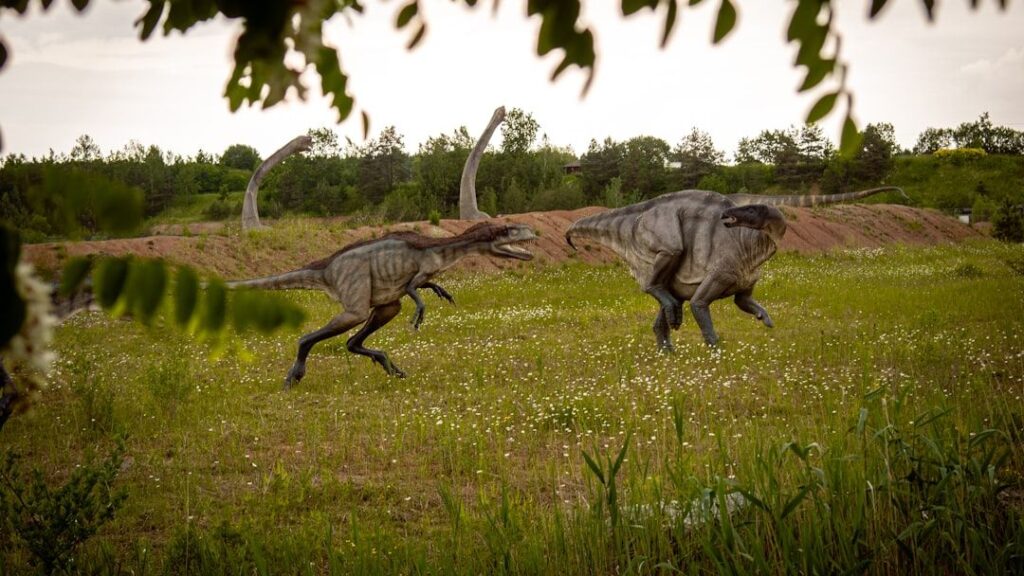
Here’s where things get really interesting. Theropods and ornithischians lived in wide-ranging climates, and during the early Jurassic, these two groups migrated to colder areas, suggesting they had developed the ability to generate their own heat. Imagine a Velociraptor thriving in chilly environments where modern reptiles would simply freeze.
Two of the three main groupings of dinosaurs moved to colder climates during the Early Jurassic, suggesting they may have developed endothermy at this pivotal moment roughly 180 million years ago. It’s hard to say for sure what triggered this evolutionary leap, but environmental pressures likely played a crucial role. The sauropods, those massive long-necked giants, stayed in warmer regions, hinting they may have relied on different strategies entirely.
Not All Dinosaurs Were Created Equal
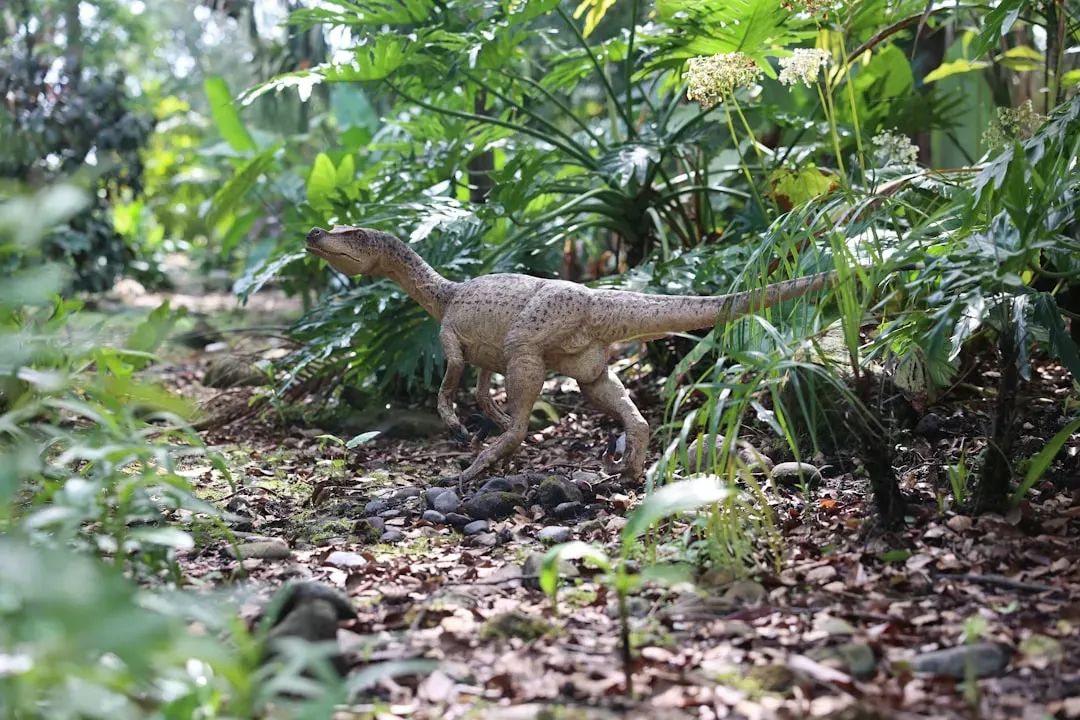
The bird-hipped dinosaurs, like Triceratops and Stegosaurus, had low metabolic rates comparable to those of cold-blooded modern animals. This creates a fascinating paradox within the dinosaur family tree. The lizard-hipped dinosaurs, including theropods and the sauropods, were warm- or even hot-blooded, showing that metabolism varied dramatically across different groups.
Some of these dinosaurs weren’t just warm-blooded, they had metabolic rates comparable to modern birds, much higher than mammals. That means certain predatory dinosaurs were running hotter than you or I do right now. The diversity is honestly mind-blowing when you think about the different ecological niches these animals filled.
Feathers as Thermal Insulation
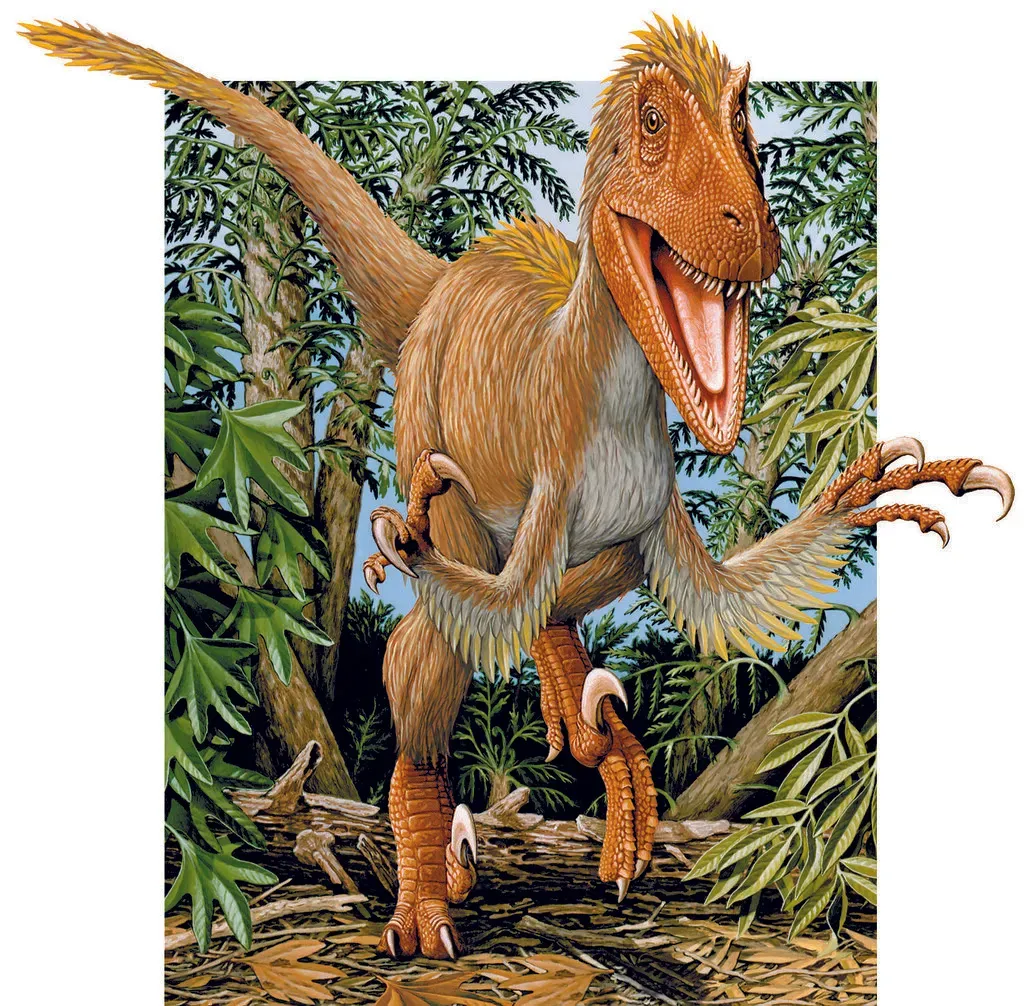
Many theropod dinosaur species had feathers, including Shuvuuia, Sinosauropteryx and Dilong, and these have been interpreted as insulation and therefore evidence of warm-bloodedness. Feathers weren’t just for flight or display. They served as nature’s down jacket for creatures that needed to conserve metabolically generated heat.
The discovery changed everything we thought about dinosaur appearance. Picture a fearsome predator covered in a coat of primitive feathers, stalking through ancient forests with the efficiency of a warm-blooded hunter. Some known to have had feathers or proto-feathers, insulating internal heat, which would have been essential for maintaining elevated body temperatures in variable climates.
The Hunting Advantage
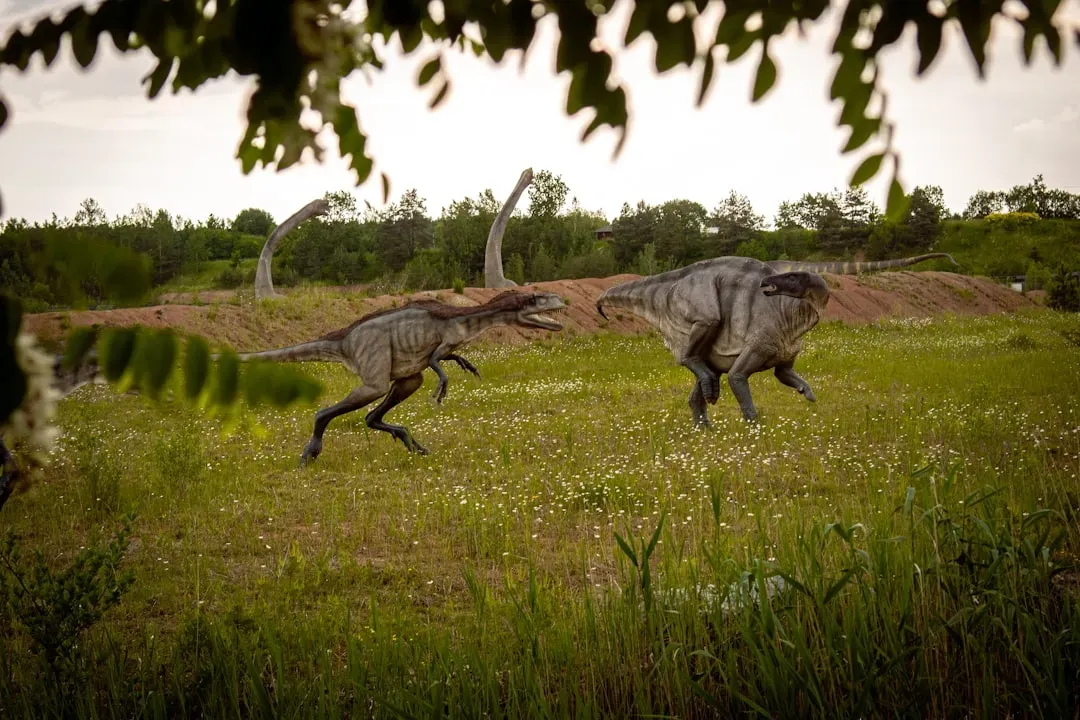
Hot-blooded dinosaurs would have been more active and would have needed to eat a lot, fundamentally changing how we understand predator-prey dynamics in ancient ecosystems. A warm-blooded hunter doesn’t need to wait for the sun to warm its muscles before pursuit. It can strike at dawn, during storms, or in cooler seasons when cold-blooded prey becomes sluggish.
Think about the relentless pursuit strategies available to a creature with constant energy reserves. Endotherms are equally active in all types of weather, and can fill niches that ectotherms can’t, such as high-latitude living, endurance hunting, or flying. This would have given certain dinosaurs an overwhelming competitive advantage, though it came at a steep cost in required food intake.
Growth Rates Tell the Story
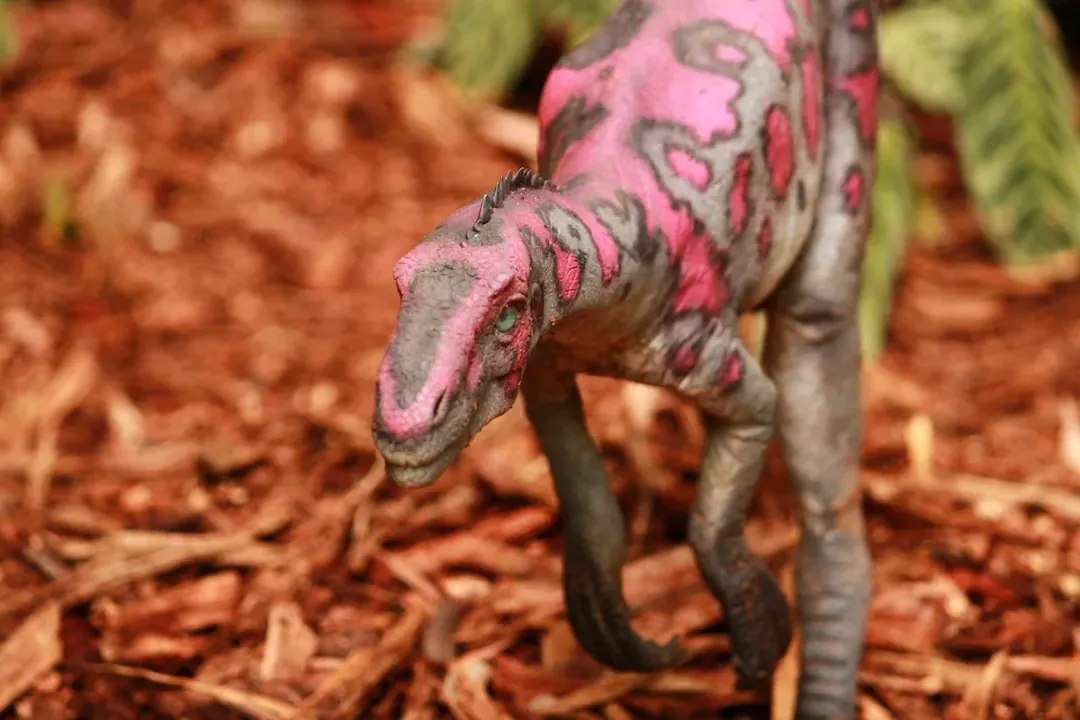
Dinosaurs stopped growing when they reached the typical adult size of their species, while mature reptiles continued to grow slowly if they had enough food. This determinate growth pattern mirrors what we see in mammals and birds today. Many early dinosaurs had a metabolic rate comparable to that of modern birds, which explains their rapid growth to enormous sizes.
Armand de Ricqlès discovered Haversian canals in dinosaur bones, common in warm-blooded animals and associated with fast growth and an active life style. The bone microstructure doesn’t lie. These creatures were building and remodeling their skeletons at rates that demand serious metabolic firepower, something you simply don’t see in typical reptiles.
Rethinking the Extinction Story
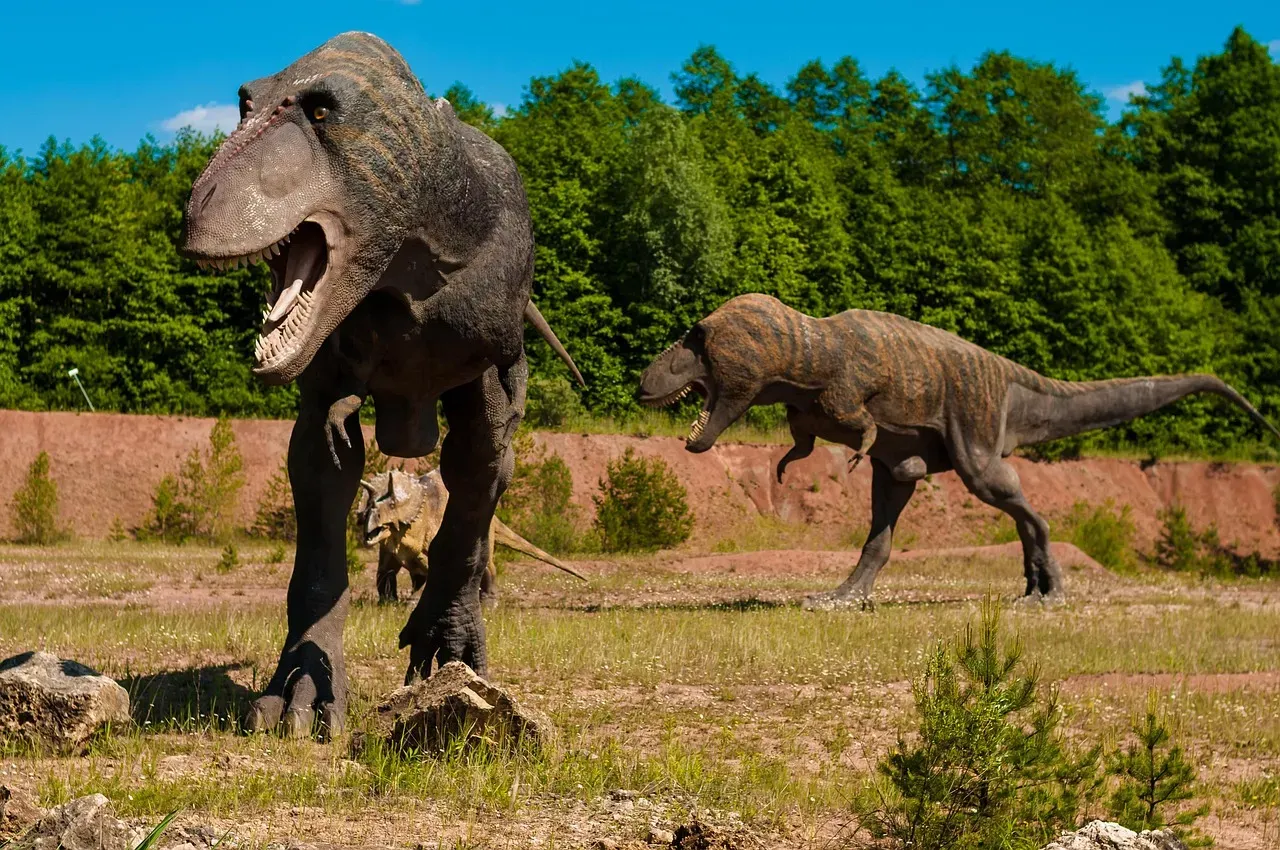
Past hypotheses suggested dinos couldn’t survive fallout from the asteroid that hit Earth 66 million years ago because of their low metabolism. The new evidence challenges that comfortable narrative. Evidence that many Late Cretaceous dinosaurs had high metabolic rates hints that other traits such as body size were probably key to the survivors’ success rather than metabolism alone.
Why did birds survive when their warm-blooded dinosaur cousins perished? The answer might lie in flexibility, size, and adaptability rather than metabolic strategy. It’s a humbling reminder that even being warm-blooded doesn’t guarantee survival when your entire world is literally burning.
The evidence continues mounting that dinosaurs were far more complex and varied than the slow, cold-blooded monsters of outdated textbooks. From bone chemistry to geographic distribution, from feather impressions to growth patterns, multiple lines of research point toward the same stunning conclusion: many dinosaurs were dynamic, warm-blooded hunters that dominated their ecosystems through sheer metabolic power. The prehistoric world was filled with creatures as energetic and relentless as the predators we know today. Did you expect dinosaurs to have more in common with a hawk than a crocodile? What other surprises might still be hidden in ancient bones waiting for the right technology to reveal their secrets?