There are few places on this planet where you can stand at the edge of something and genuinely feel the weight of deep time pressing against your chest. The Grand Canyon does that to you. It doesn’t just impress – it humbles. You’re staring not just at rock and shadow and color, but at a story nearly two billion years in the making, written in stone, layer by layer, one age at a time.
You don’t need a geology degree to feel the canyon’s pull. What you do need is curiosity – the kind that asks, “What exactly am I looking at?” The answers are extraordinary, and some of them will genuinely surprise you. Let’s dive in.
Earth’s Greatest Open-Air Geology Book
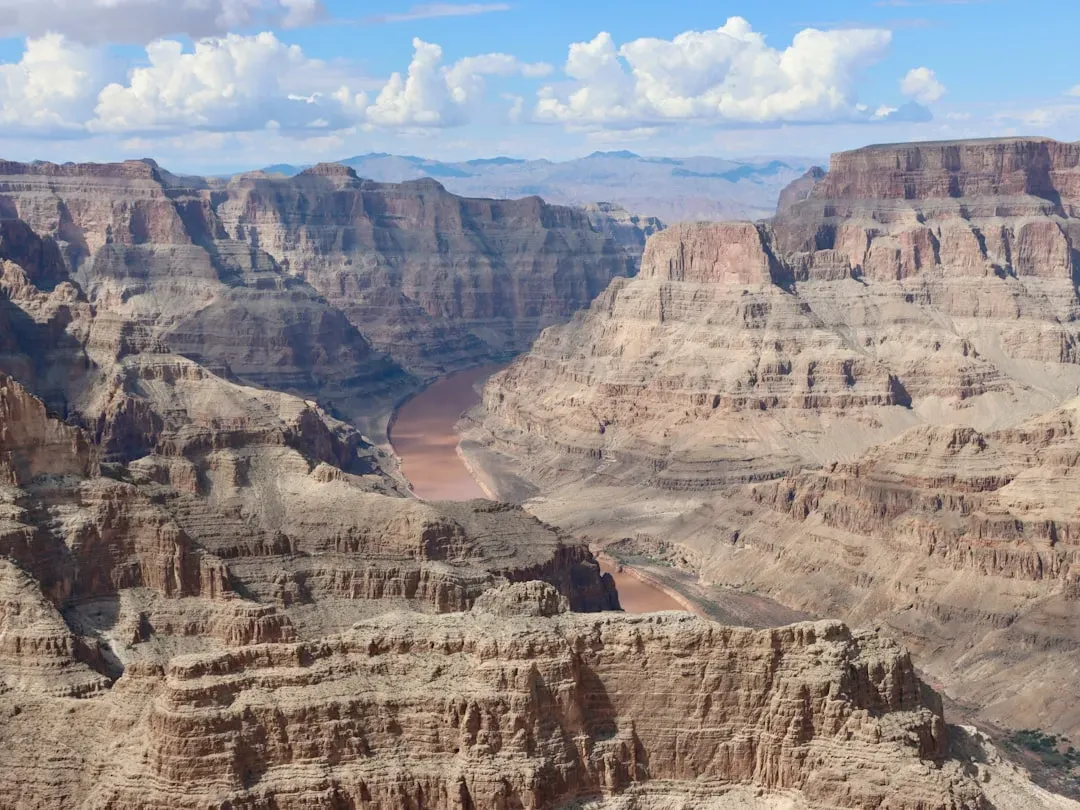
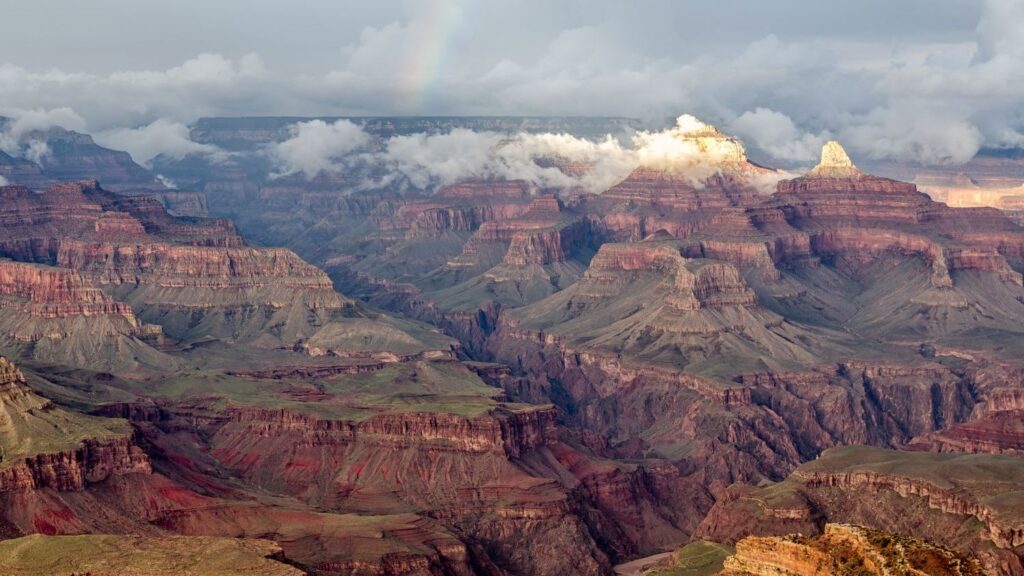
When you peer over the rim of the Grand Canyon for the first time, you’re doing something no textbook can replicate. The Grand Canyon tells one of the world’s greatest geologic stories, and its distinctive features allow researchers to piece together the history of this unique location – one of America’s treasures and a UNESCO World Heritage Site. Think of it as a library, but the pages are made of sandstone, limestone, and ancient schist instead of paper.
Stratigraphy, the study of rock layering, reveals a wealth of information about what Earth was like when each layer formed. In the Grand Canyon, there are clear horizontal layers of different rocks that provide information about where, when, and how they were deposited, long before the canyon was even carved. Honestly, it’s the kind of thing that makes you stop mid-sentence and just stare.
The Vishnu Basement Rocks: Earth’s Ancient Foundation
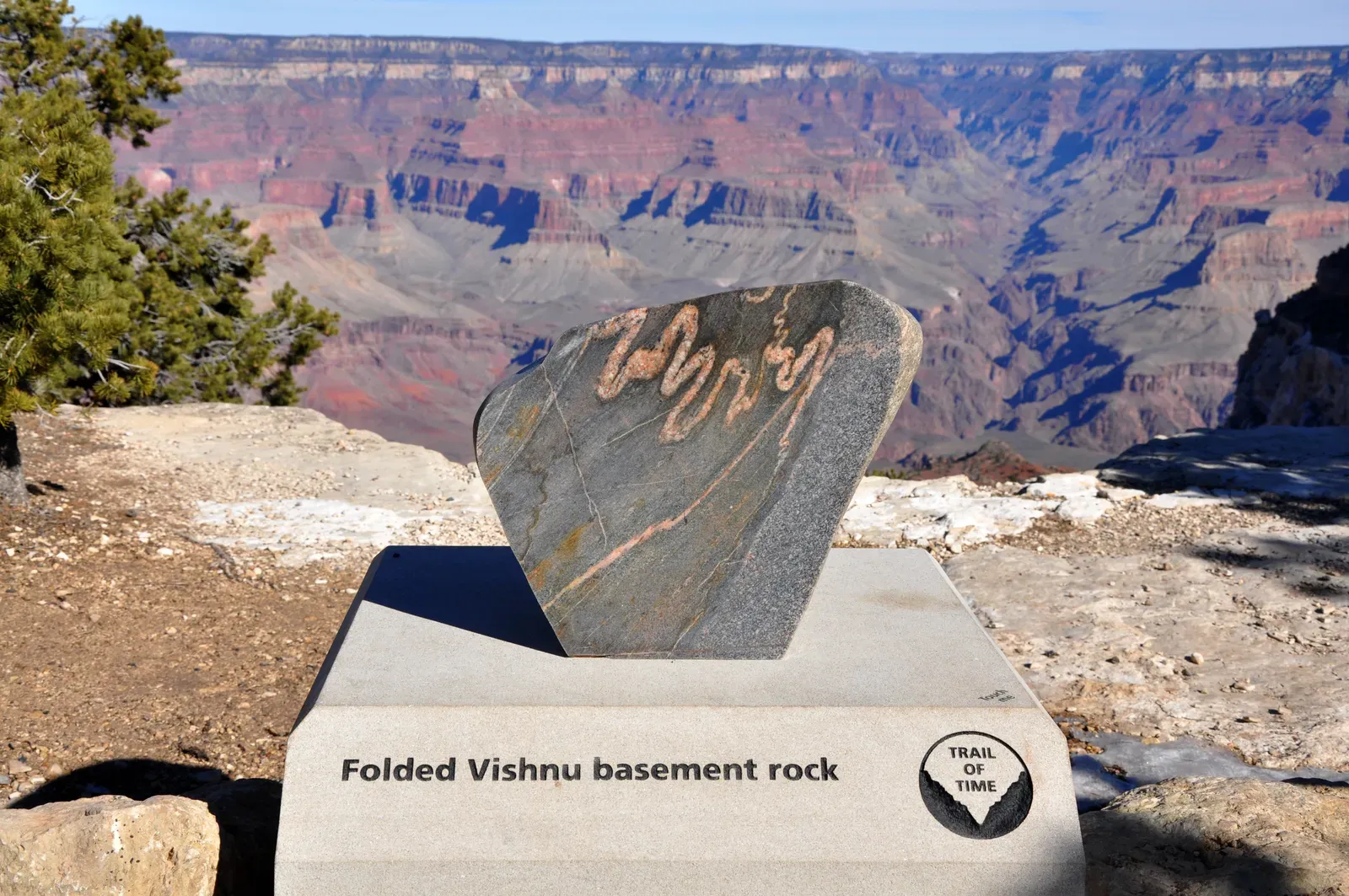
At the very bottom of the canyon lies something almost incomprehensibly old. The name given to this rock set is the Vishnu Basement Rocks. Primarily schist (metamorphic) with granite (igneous), these rocks have visible crystals and are about 1.7 billion years old, from an era early in Earth history known as the Proterozoic. To put that into perspective, those rocks formed when the only life on Earth was microbial.
The Grand Canyon’s story began nearly 2 billion years ago, when two plates of Earth’s crust collided. As they came together, rows of volcanic islands smashed together and merged. Under extreme heat and pressure, their rocks transformed into the dark-colored “basement” rocks seen near the bottom of the canyon today – including 1.84-billion-year-old rocks called the Elves Chasm gneiss, the oldest known in the canyon. You’re essentially looking at the roots of an ancient mountain range every time you glance at the canyon floor.
The Three Rock Sets: A Story in Three Acts
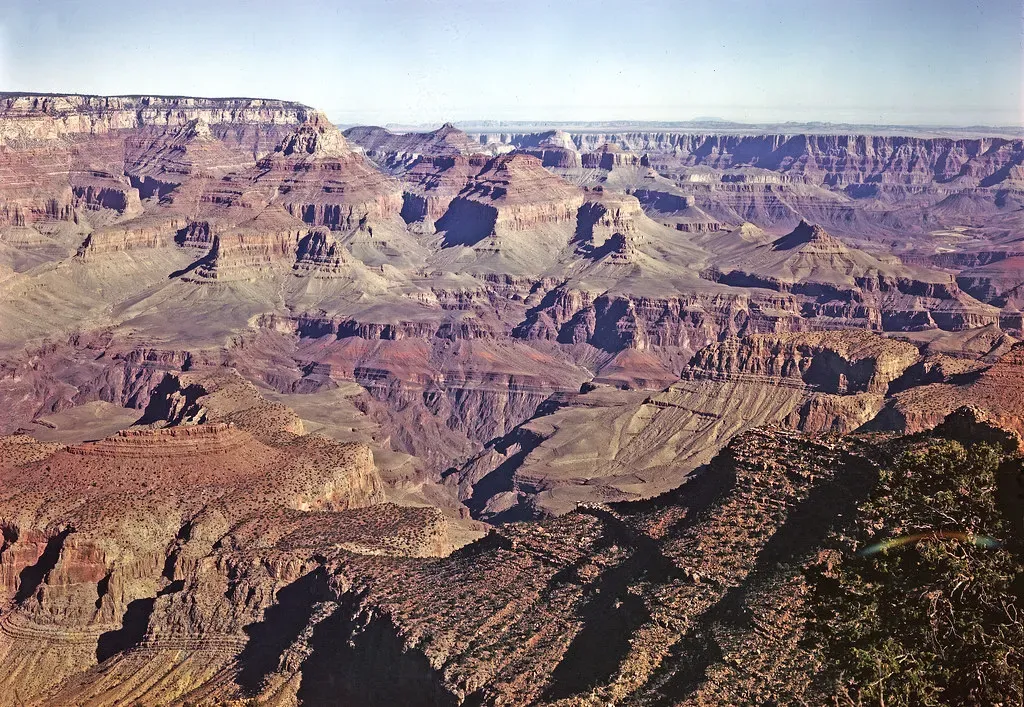
If you want to understand what you’re seeing when you look at those canyon walls, it helps to know that geologists organize the canyon’s rocks into three main groups. Beginning with John Wesley Powell, the geologist who led the pioneering river expedition through Grand Canyon in 1869, geologists have recognized three main packages of rocks exposed in the Grand Canyon: the Vishnu Basement Rocks, the Grand Canyon Supergroup (tilted, mostly sedimentary rocks), and the Layered Paleozoic Rocks (the flat-lying strata in the upper two-thirds of the canyon).
The nearly 40 major sedimentary rock layers exposed in the Grand Canyon range in age from about 200 million to nearly 2 billion years old. Most were deposited in warm, shallow seas and near ancient, long-gone sea shores in western North America. It’s a bit like realizing the dry desert you’re standing in was once an ocean floor – which is both thrilling and strange to wrap your head around.
The Great Unconformity: A Missing Chapter in Time
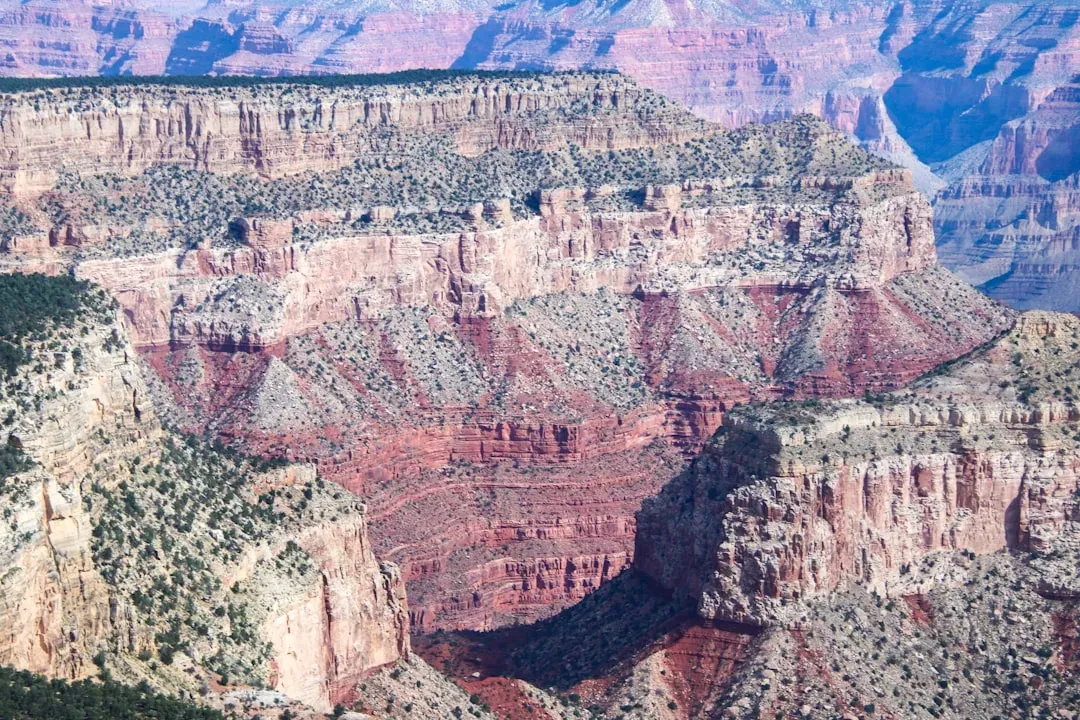
Here’s the thing – not every chapter of Earth’s history survived. One of the most jaw-dropping features of the Grand Canyon is a geological puzzle called the Great Unconformity. The Grand Canyon offers one of the most visible examples of a worldwide geological phenomenon known as the Great Unconformity, in which 250-million-year-old rock strata lie back-to-back with 1.2-billion-year-old rocks. What happened during the hundreds of millions of years between remains largely a mystery.
The length of time represented by the Great Unconformity varies along its length – in some parts of the Grand Canyon, a period of 175 million years is “missing” between the Cambrian Tonto Group sandstones and the Grand Canyon Supergroup. In other places, there is a gap of over 1.2 billion years where the 550-million-year-old Tapeats Sandstone rests on 1.7-billion-year-old basement rock. Scientists are still actively working to understand what forces erased so much geological time in one spot.
The Colorado River: Nature’s Most Patient Sculptor
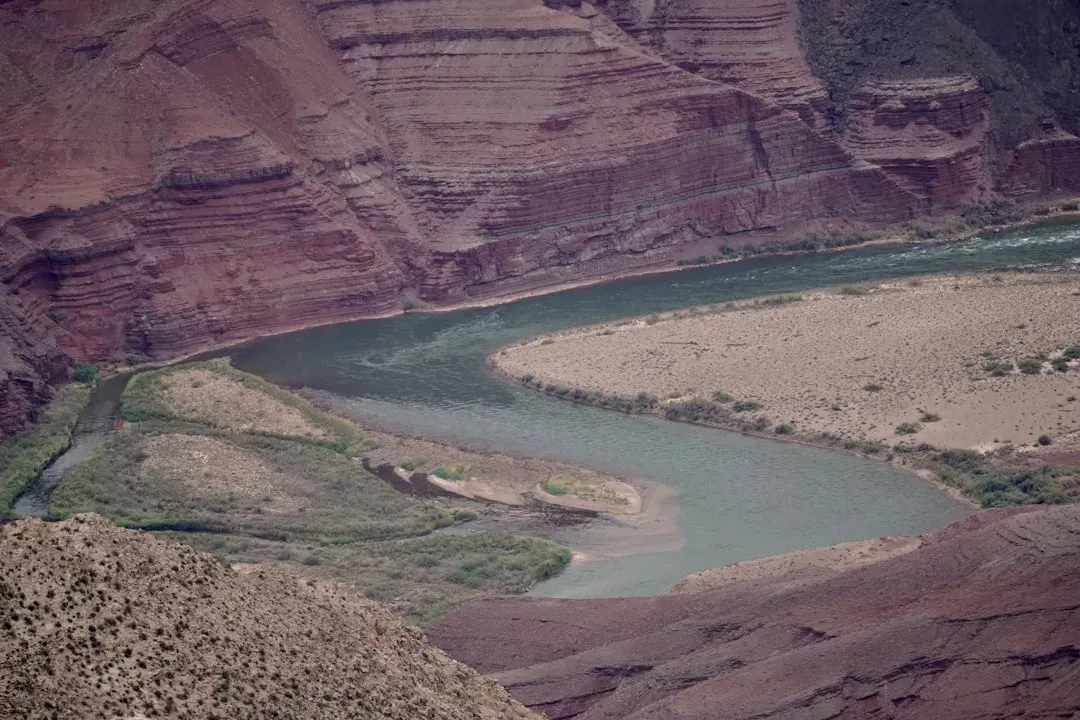
You might think a canyon this grand must have taken forever to form. Surprisingly, the canyon itself is relatively young – even if the rocks inside it are ancient. Scientists estimate that the Grand Canyon began forming around 5 to 6 million years ago when the Colorado River started carving through the rock. That’s geologically recent, like a blink compared to the age of the rocks it exposes.
Over roughly six million years, this powerful river carved deep into the Earth’s crust, carrying sand and gravel that acted like sandpaper, slowly eroding and exposing layers of rock that reveal nearly two billion years of geological history. Think of the Colorado River as a sculptor who never stops working – even today, the canyon is still actively changing with every rush of water, every freeze-thaw cycle, every flash flood tearing through a side canyon.
Tectonic Uplift and the Making of the Colorado Plateau
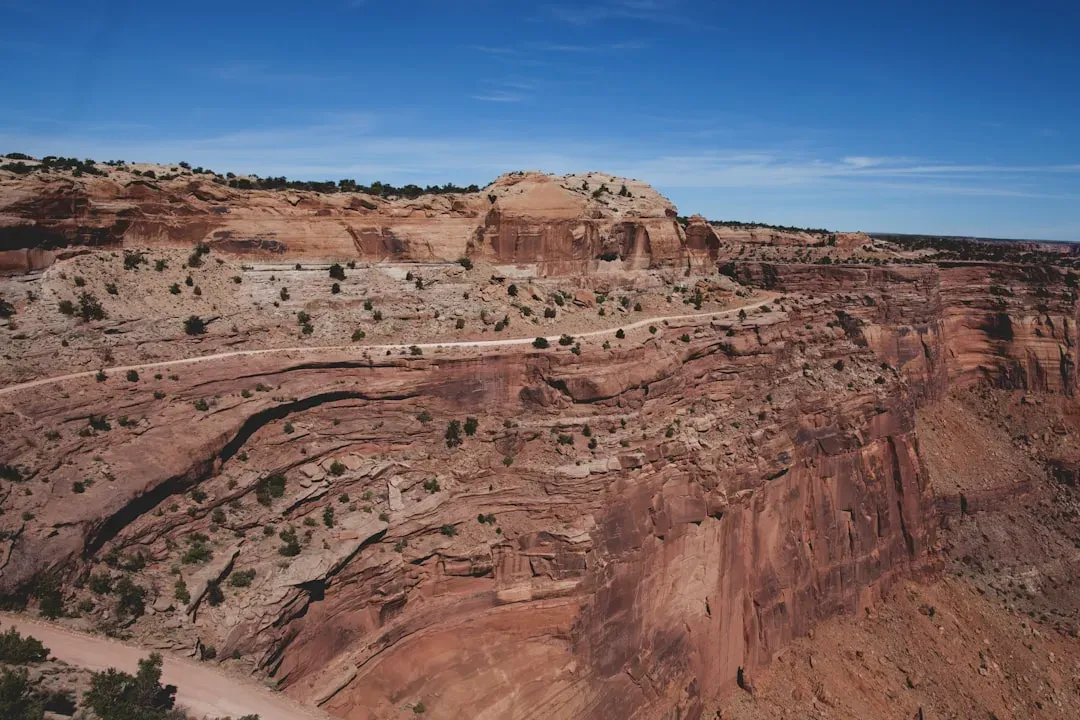
A river alone can’t carve something this deep. You need elevation. You need the land itself to rise. Uplift of the region started about 75 million years ago during the Laramide orogeny, a mountain-building event that is largely responsible for creating the Rocky Mountains to the east. In total, the Colorado Plateau was uplifted an estimated 2 miles. That’s an enormous push skyward – enough to supercharge the river’s cutting power.
After all the rocks were deposited, there was a period of uplift where plate tectonics literally forced a section of the Earth upward, setting the stage for canyon formation. It provided a high enough elevation that water could flow downward, cutting through the rock as it went. This incredible formation was carved over millions of years by the Colorado River. It’s a perfect geological partnership: ancient rock, a rising plateau, and a relentless river.
Ancient Seas and Desert Dunes: What the Layers Remember
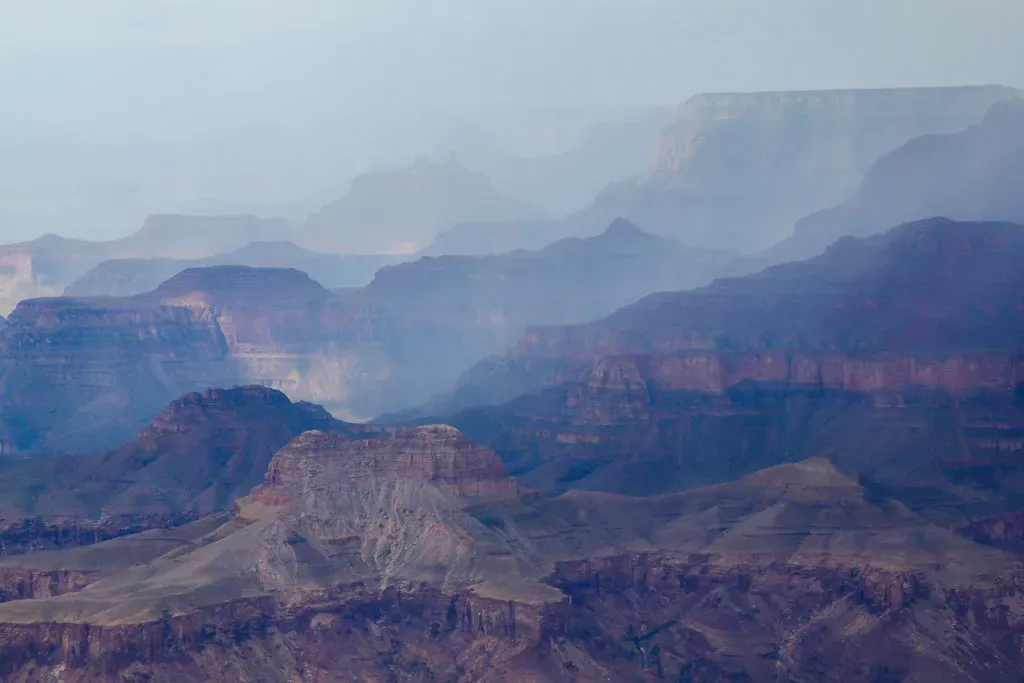
One of the most mind-bending realizations about the Grand Canyon is that the landscape of Arizona was radically different in the past – not once, but many times over. The different layers of rock tell a story about what the area was like in the past. Some layers were formed when the region was covered by shallow seas, while others were created when the land was a vast desert. The walls of the canyon are essentially a time-lapse of Earth’s climate and geography.
One of the highest, and therefore youngest, formations seen in the Grand Canyon area is the Kaibab Limestone. It was laid down in latest early Permian time, about 270 million years ago, by an advancing warm, shallow sea. Shark teeth have been found in this formation, as well as abundant fossils of marine invertebrates such as brachiopods, corals, mollusks, sea lilies, and worms. You’re literally standing on the floor of an ancient ocean every time you walk the South Rim.
The Canyon’s Fossil Record: Life Through Deep Time
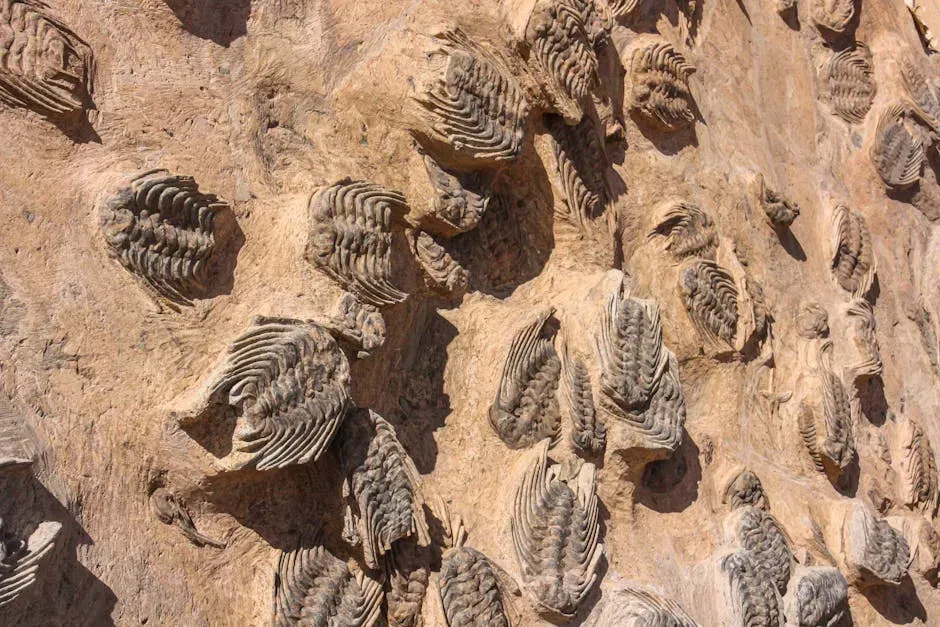
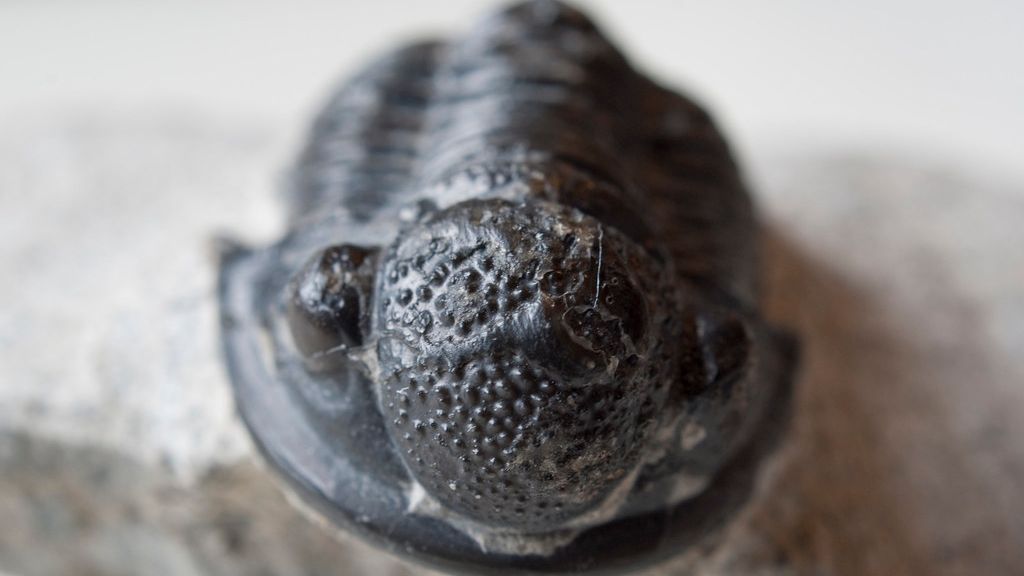
The Grand Canyon isn’t just a geological wonder – it’s a biological archive. Grand Canyon National Park has a long and diverse fossil record that provides an excellent example of how life has changed through evolution across the expanses of time. The park contains fossiliferous sedimentary rocks that range in age from the Proterozoic through the Paleozoic and into the Triassic, as well as much younger fossiliferous cave deposits from the last 50,000 years.
Recently, something genuinely exciting was uncovered in the canyon’s walls. Scientists uncovered an extraordinary collection of half-a-billion-year-old fossils in the Grand Canyon, Arizona. The discovery includes exquisitely preserved remains of ancient animals such as rock-scraping molluscs, filter-feeding crustaceans, and toothed worms. The fossils date back to a key moment in evolutionary history known as the Cambrian explosion, when most major animal groups first appeared. I think this is one of the most exciting scientific discoveries of the past few years – and it happened right there in canyon country.
The Canyon as a Living Ecosystem: From Rim to River
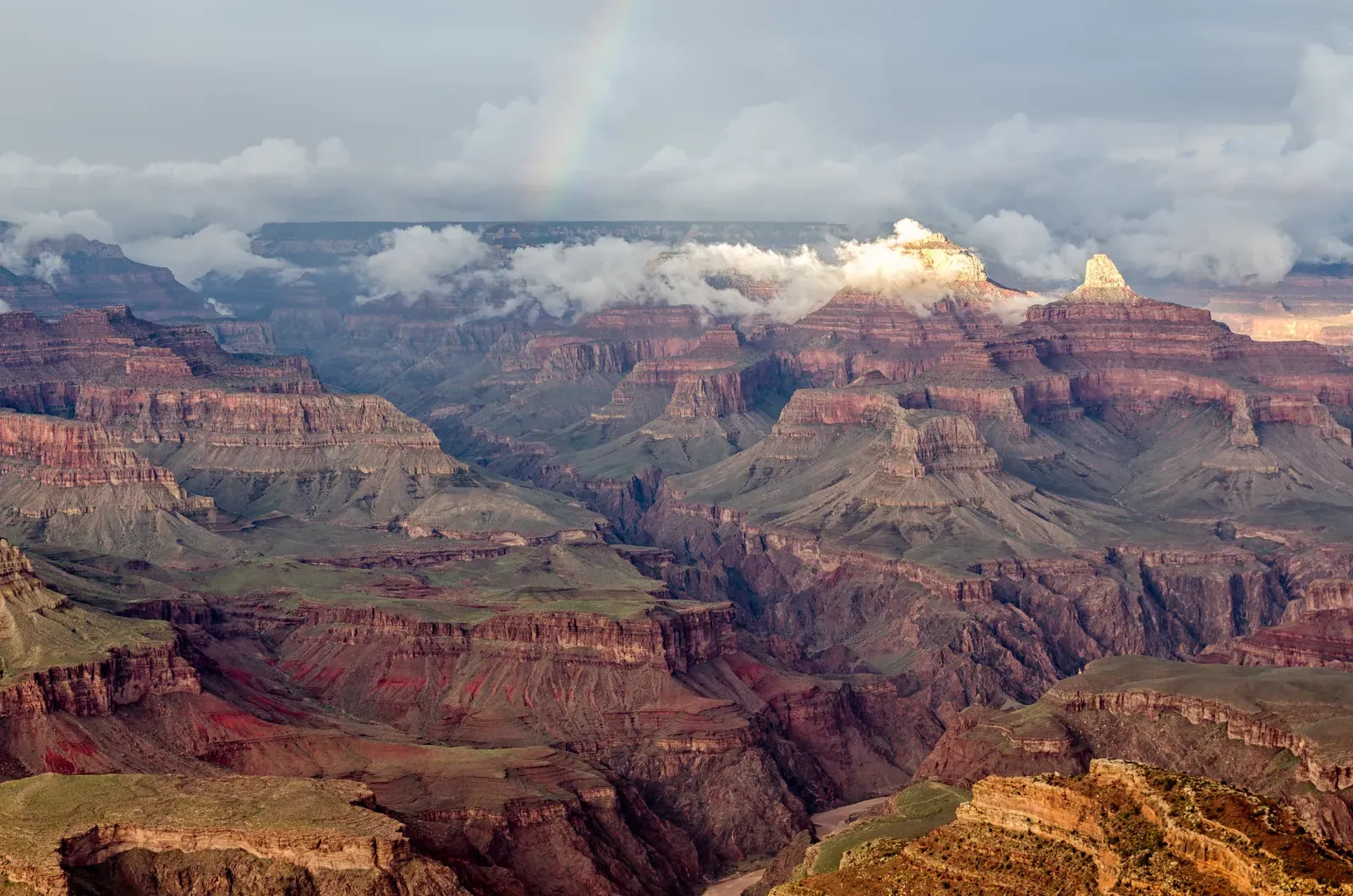
Most people think of the Grand Canyon as bare rock and ancient silence. In reality, it buzzes with life. The extreme range of elevation in the Grand Canyon creates a variety of distinct ecosystems. Life here comes in many forms, from aquatic to desert to forest ecosystems. The great variation in elevation and the movement of the river foster a diversity of organisms in five major ecosystems: the mixed conifer forest, the ponderosa pine forest, the pinyon juniper woodland, the desert scrub, and the riparian ecosystem from highest to lowest elevation.
Its great biological diversity can be attributed to the presence of five of the seven life zones and three of the four desert types in North America. The five life zones represented are the Lower Sonoran, Upper Sonoran, Transition, Canadian, and Hudsonian. This is equivalent to traveling from Mexico to Canada. That’s not a metaphor – that’s a genuine ecological gradient packed into a single canyon. The diversity here is staggering for a place that, from the outside, can look like nothing but rock and heat.
Conclusion: Standing at the Edge of Everything
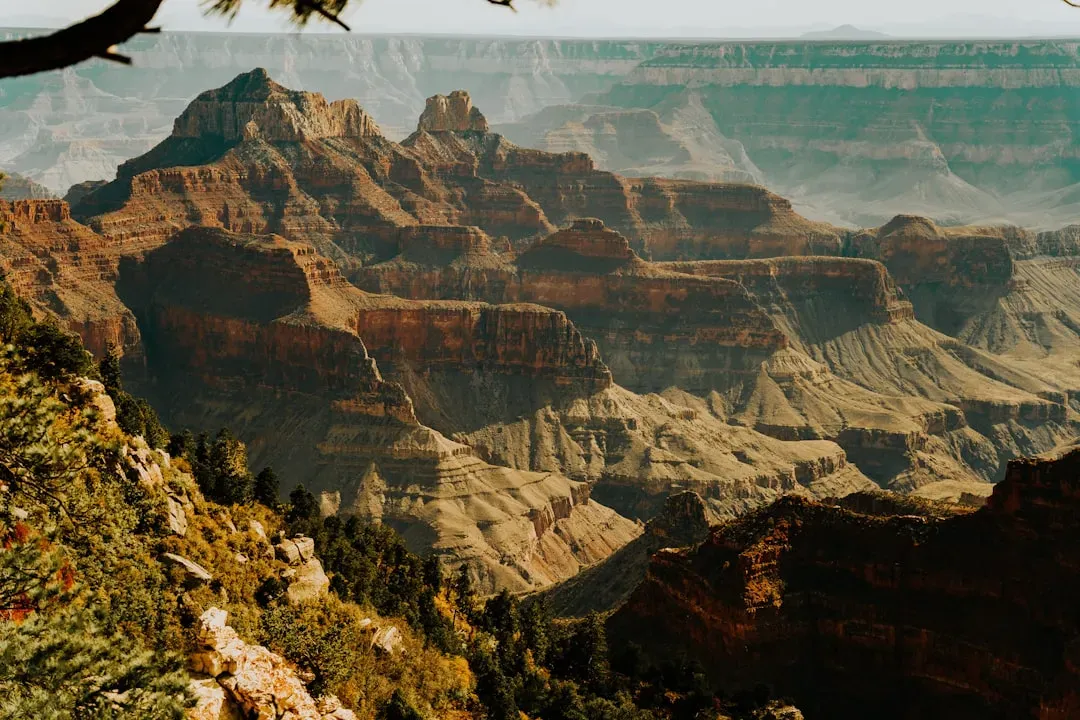
The Grand Canyon isn’t just a place you visit. It’s a place that visits you – long after you’ve left. Every layer of rock you look at is a page of Earth’s autobiography, written in sediment and pressure and time on a scale that makes human history feel like a footnote. The Colorado River cuts through an uplifted portion of the Colorado Plateau, giving those who travel through it the opportunity to get an up-close look at each rock layer they encounter – each deposited in a different geologic time. The oldest of these rocks are nearly 2 billion years old, meaning that in this one relatively small sliver of canyon, rocks representing roughly 40% of Earth’s history are exposed to human examination.
There’s something deeply moving about standing at the rim, knowing that the dark rocks at the bottom formed before complex life ever existed, and that the limestone beneath your feet was once a seabed teeming with ancient sharks. The canyon reminds you that change is not the exception in Earth’s story – it’s the whole point. Every visit rewards you with something new, something older, something harder to believe and yet unmistakably real. What would you have guessed, before reading this, was actually hiding in those canyon walls?