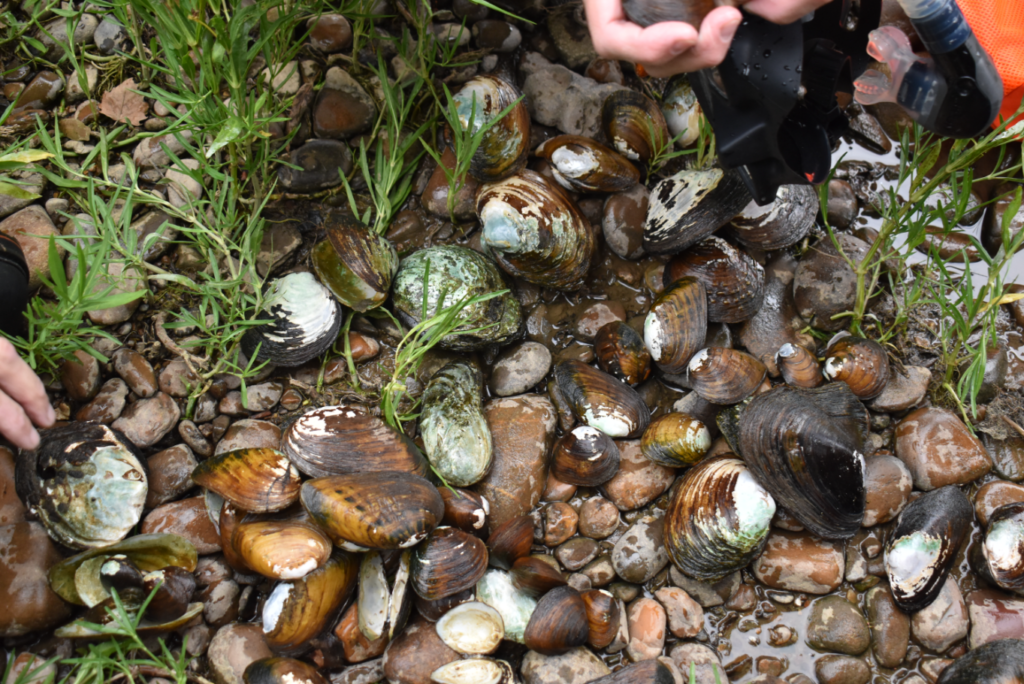
South-western Australia — Freshwater mussels perform essential roles in aquatic ecosystems, filtering vast amounts of water daily and signaling environmental health. Populations of Carter’s freshwater mussel, a vulnerable species unique to the region, have dwindled over the past 50 years due to habitat destruction, salinization, and drying rivers. Researchers recently demonstrated that artificial water bodies, including farm dams and drains, sustain viable populations of these bivalves, presenting a novel conservation avenue.
Densities in Artificial Sites Outpace Natural Rivers
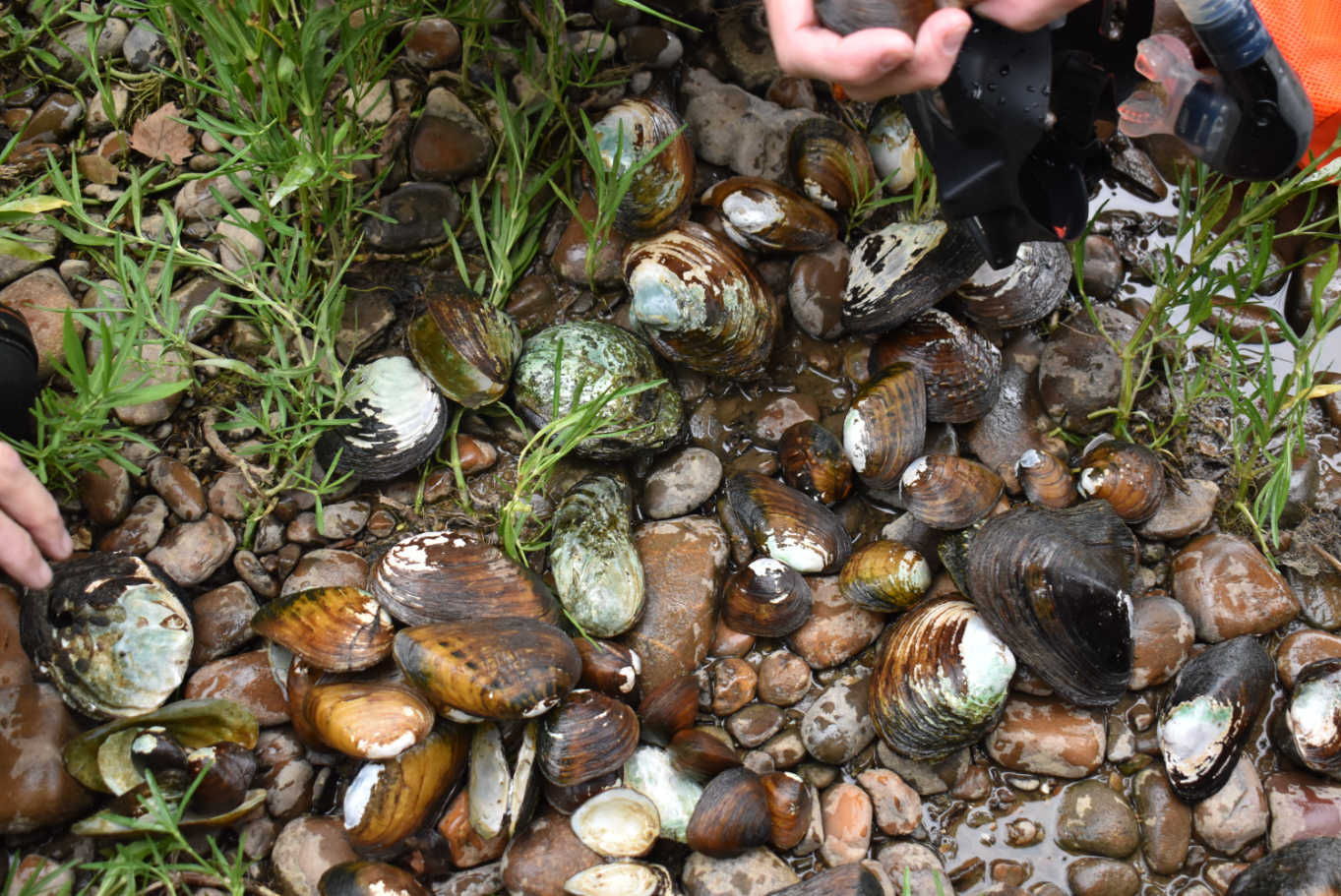
Densities in Artificial Sites Outpace Natural Rivers (Image Credits: Upload.wikimedia.org)
Scientists uncovered a striking pattern during surveys conducted from 2020 to 2024: artificial habitats hosted higher average mussel densities than their natural counterparts. Teams led by Jake Daviot at Murdoch University’s Harry Butler Institute examined 12 sites, recording 1,746 individuals of Westralunio carteri. Mean density stood at 38 mussels per square meter in farm dams, drainage canals, and mine lakes, compared to 16 per square meter in streams and rivers.
Three artificial dams exhibited abundances surpassing those in 14 natural riverine populations from prior studies. Mussels clustered similarly across both habitat types, suggesting comparable spatial distributions. These findings challenge assumptions about human-modified environments, revealing pockets of resilience for slow-growing, long-lived species.
Demographic Insights Reveal Recruitment Challenges
Population structures differed notably between sites. Artificial habitats contained a higher proportion of large adults, with 59 percent exceeding 60 millimeters in shell length, versus 30 percent in natural areas. Size ranges narrowed in man-made waters, spanning 23 to 85 millimeters, while natural sites displayed broader variation from 8 to 92 millimeters.
Recruitment, measured as the proportion of mussels under 54 millimeters, averaged 0.19 in artificial sites and 0.51 in natural ones. Yet five of six artificial locations showed evidence of juveniles from the past decade, and four outperformed any natural site in this metric. These patterns indicate ongoing colonization, likely aided by host fish that disperse parasitic larvae.
| Habitat Type | Mean Density (per m²) | Recruitment Index | Large Individuals (>60 mm) |
|---|---|---|---|
| Artificial | 38.0 | 0.19 | 59% |
| Natural | 16.1 | 0.51 | 30% |
Ecological Roles Underpin Conservation Value
Freshwater mussels earn their nickname as the “liver of rivers” through powerful filtration, removing algae, bacteria, heavy metals, and sequestering carbon. They also nourish fish and other wildlife. In south-western Australia, Westralunio carteri faces intensified pressures from development and climate shifts, which exacerbate stream drying and saltwater intrusion.
Artificial sites mimic viable refuges when substrates feature sand, silt, or clay, and shading persists. Daviot noted that host fish compatibility enables such adaptations, particularly for species with broad ranges. However, variability across sites underscores the need for targeted assessments.
- Filter algae and bacteria to clarify water.
- Absorb pollutants like heavy metals.
- Sequester carbon in shells and sediments.
- Provide food for aquatic predators.
- Indicate overall ecosystem health.
Balancing Opportunities with Management Risks
The study, published in Pacific Conservation Biology, positions artificial waters as “arks” to safeguard populations until natural rivers rebound. Daviot emphasized, “Our natural habitats are irreplaceable, but artificial waterbodies can buy these mussels precious time.”
Success hinges on stewardship; unmanaged sites risk becoming ecological traps with poor juvenile survival. Proactive measures, including pollution control and flow maintenance, could enhance their role. Nathan Johnson of the U.S. Geological Survey highlighted species-specific traits, like host fish versatility, as predictors of persistence in altered environments.
Daviot added, “Artificial waterbodies can give these mussels a lifeline, but only if we look after them and manage them correctly.”
Key Takeaways
- Artificial habitats often support denser mussel populations than natural ones, with some exceeding prior river benchmarks.
- Recent recruitment occurs in most studied dams and canals, though at lower rates overall.
- Proper management prevents these sites from turning into dead ends for vulnerable species.
While rivers form the bedrock of mussel survival, human-engineered waters emerge as timely allies in a changing landscape. Conservationists now eye these structures as bridges to recovery. What do you think about leveraging farm infrastructure for wildlife protection? Tell us in the comments.