Buea, Cameroon — Fishers along Cameroon’s coastline spent eight years snapping photos of their catches, unknowingly building a treasure trove of data on sharks and rays. This citizen science initiative bridged a vast knowledge gap in a nation with no specific protections for these marine species. Researchers transformed those everyday observations into a landmark study, revealing threats that demand immediate action.
Citizen Science Transforms Daily Catches into Data Goldmine
Citizen Science Transforms Daily Catches into Data Goldmine (Image Credits: Flickr)
Ojah Alfred, a 45-year-old fisher with two decades at sea, captured images of marine life using the Siren app. Launched in 2015 by Cameroonian marine biologist Aristide Takoukam Kamla, the app enabled offline recording of sightings complete with GPS coordinates and timestamps. More than 80 fishers across Cameroon’s three coastal regions contributed records from landing sites and at-sea encounters.
Alfred never targeted sharks, yet they often tangled in his nets. “I never imagined that the pictures I take every day of fish with the Sirens app would lead to the publication of this ‘big book’,” he said. Sites like Youpwè Fish Market in Douala, Kribi markets, and Down Beach in Limbe became hotspots for data collection. Cornelius John, a 31-year-old fisher from Kribi, noted that most rays landed were juveniles: “Most of them are usually very young.”
Landmark Study Documents 45 Species Under Siege
Between 2015 and 2023, the effort documented 7,097 specimens: 5,353 rays and 1,744 sharks across 45 species. Of these, 36 faced threats according to the IUCN, including 13 critically endangered ones. The study, published in December 2025 in Environmental Biology of Fishes, drew from Siren app data and 205 days of market surveys at 23 sites.
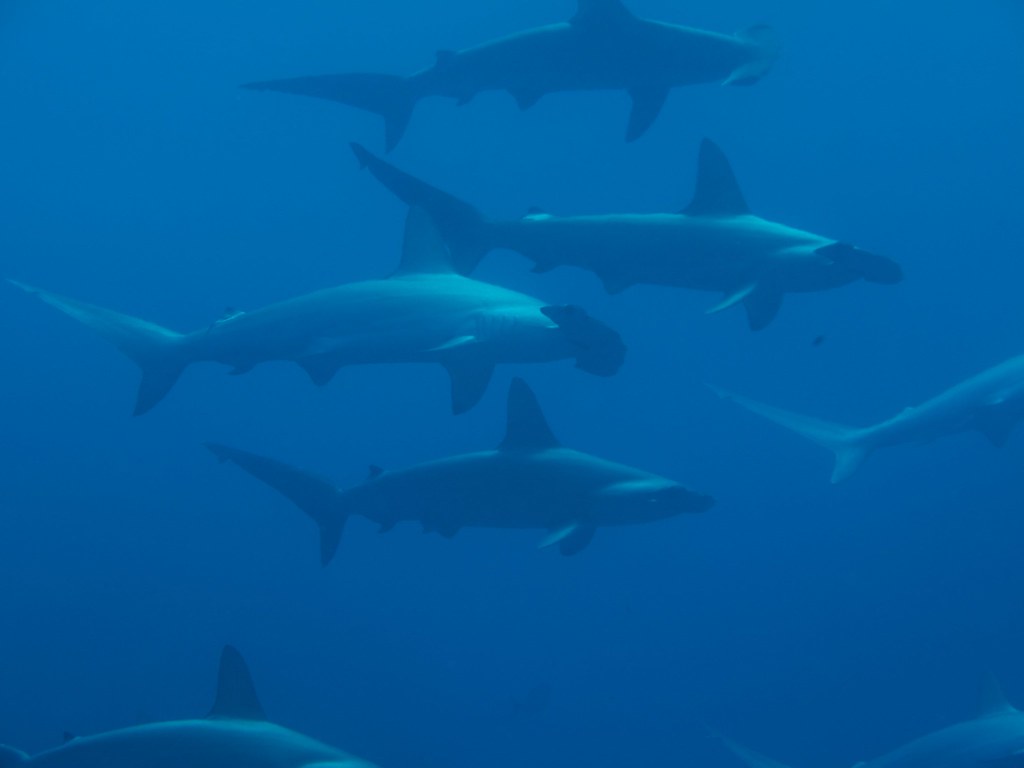
Lead researcher Ghofrane Labyedh, regional vice chair for Africa at the IUCN SSC Shark Specialist Group, emphasized the findings. Nearly 90% of caught individuals were juveniles, caught before they could reproduce. Frequent landings included the critically endangered blackchin guitarfish (Glaucostegus cemiculus) and scalloped hammerhead shark (Sphyrna lewini), the largest shark fishers encountered. Daisy stingrays (Dasyatis margarita) appeared commonly as bycatch.
| Specimen Type | Number Recorded |
|---|---|
| Rays | 5,353 |
| Sharks | 1,744 |
| Total | 7,097 |
Juveniles Dominate Catches, Signaling Ecosystem Alarm
Researchers complemented app data with market surveys to assess sex and maturity, as fishers focused on identifications. The predominance of young specimens raised red flags. “Catching individuals before they can reproduce significantly reduces a population’s ability to recover and sustain itself over time,” Labyedh explained. “If the trend continues, some species could disappear entirely.”
Sharks and rays serve as apex predators, regulating fish populations and maintaining marine balance. Their decline disrupts food webs and harms coastal fisheries. Industrial activities, like bottom trawling and tuna longlines, posed greater threats than artisanal fishing. Cameroon lacked species-specific laws, leaving migratory elasmobranchs vulnerable. Labyedh noted, “Most, if not all, of these species are migratory and do not recognize national borders.”
- Blackchin guitarfish: Critically endangered, now rare in landings.
- Scalloped hammerhead: Caught in groups via net entanglement.
- Daisy stingray: Common bycatch, mostly juveniles.
- Overall: 36 threatened species identified.
Charting a Course for Protection and Future Research
The study empowered fishers, turning them into scientists. Alfred reflected, “I now believe that I am a scientist.” He lamented vanished dolphins and hoped his work preserved marine life for future generations. Conservationists called for legal safeguards, industrial fishing limits, and enhanced marine protected areas.
Upcoming efforts include acoustic monitoring, environmental DNA analysis, and tagging to map nursery grounds and migrations. Regional collaboration emerged as essential. Fishers proved receptive to releasing juveniles, as these fetched low prices anyway.
Key Takeaways
- Citizen science via the Siren app documented Cameroon’s shark and ray diversity for the first time.
- Juvenile catches threaten population recovery for 45 species, 36 of which are IUCN-threatened.
- Industrial fishing overshadows artisanal impacts; urgent policy changes are needed.
This pioneering work demonstrated how local knowledge fills global gaps, offering hope for Cameroon’s seas. As sharks and rays dwindle, the data provides a blueprint for action. What steps should Cameroon take next to protect these vital species? Share your thoughts in the comments.