Vaupés, Colombia – The Vaupés River sustains the Indigenous Macaquiño community through its waters and fish, forging a profound bond with the surrounding Amazon forest.
River as Lifeline and Sacred Space
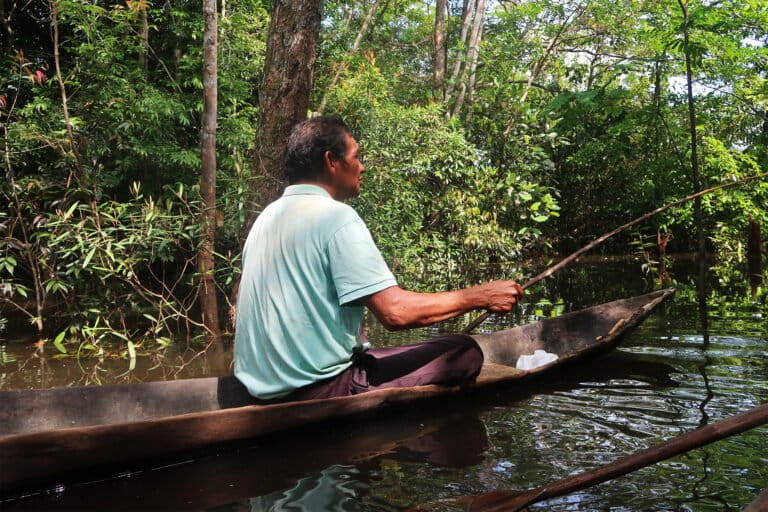
River as Lifeline and Sacred Space (Image Credits: Imgs.mongabay.com)
The Vaupés River and its lagoons provide essential water for drinking, bathing, and washing in daily life. Fish migrate and breed in these waters, forming the core of the community’s diet. Community members described the river as more than a resource; it anchors their cultural and spiritual identity.
Manuel Claudio Fernández, captain of Macaquiño, emphasized mutual dependence. “How do we coexist? By respecting the forest, the articulation of spirits, the water, the forest and us humans. We, the people, depend on water and the forest. And the forest and water also depend on us,” he stated. This respect guided past generations in harmonizing human needs with nature’s cycles.
Seasonal Cycles Shape Fishing Practices
Fishing methods adapted to rainy and dry seasons reflected the river’s fluctuations. During the dry period from November to February, low waters concentrated fish like tucunaré and ñacundá in reedbeds and lagoons. Fishers employed basic rods to target spawning grounds.
As rains swelled rivers by March, species such as guaracú and palometa migrated downstream through flooded forests. Traps and barriers captured these movements. Elders oversaw rituals, including prayers and diets, to ensure sustainable harvests. This calendar once prevented overexploitation, maintaining ecological balance.
Ancestral Tools Preserve Knowledge
Traditional implements like the matapí, or doriñÿ in Cubeo, crafted from palms such as patabá, yaripa, and inayá, funneled fish into traps. Variants included the larger ñapa doriñÿ for riverbanks and the spring-loaded dorido. The kakurí, or kobobÿ, formed reed fences during floods.
- Matapí: Palm-leaf covered upstream traps with entry funnels.
- Dorido: Bait-triggered mechanism lifts fish to surface.
- Kakurí: High reed walls guiding small fish to collectors.
- Barbasco: Controlled plant poison in dry season, supervised by sabedor.
These tools embodied wisdom passed orally. A sabedor directed barbasco use, limiting catches and invoking protections against excess.
Modern Pressures Erode Traditions
Longlines and mesh nets introduced declines in fish stocks and eroded expertise on species, sites, and cycles. Julian de Jesus Madrid Correa observed, “Here in the community, we’ve lost that respect… They go fishing out of economic need, for sustenance. They don’t respect it and they exploit it. In the past, they didn’t do that.” Stocks persisted but dwindled, elders reported.
Carlos Castañeda Hernández, regional director of the Corporation for Sustainable Development of the Northern and Eastern Amazon, warned of imbalance. Unregulated barbasco and outsider influences compounded risks. Pollution from nearby urban sewage and mining mercury further threatened the river’s health, impacting fishing yields.
Key Takeaways
- Traditional fishing synchronized with seasons ensured sustainability.
- Cultural rituals and tools fostered coexistence with nature.
- Modern gear and economic pressures risk ancestral knowledge and fish populations.
Fishers like Harold Ferreira Romero and Omar Salvador Fernández Chequemarca continue navigating sacred lagoons, embodying resilience amid change. Reviving elder teachings could safeguard this vital connection. What steps might preserve these traditions for future generations? Share your thoughts in the comments.