Florida Keys – The Florida Fish and Wildlife Conservation Commission finalized the addition of the Florida reef gecko to its state Threatened and Endangered Species List, signaling growing concerns for this diminutive lizard’s survival in coastal habitats.
Nocturnal Dweller Fades from Familiar Grounds
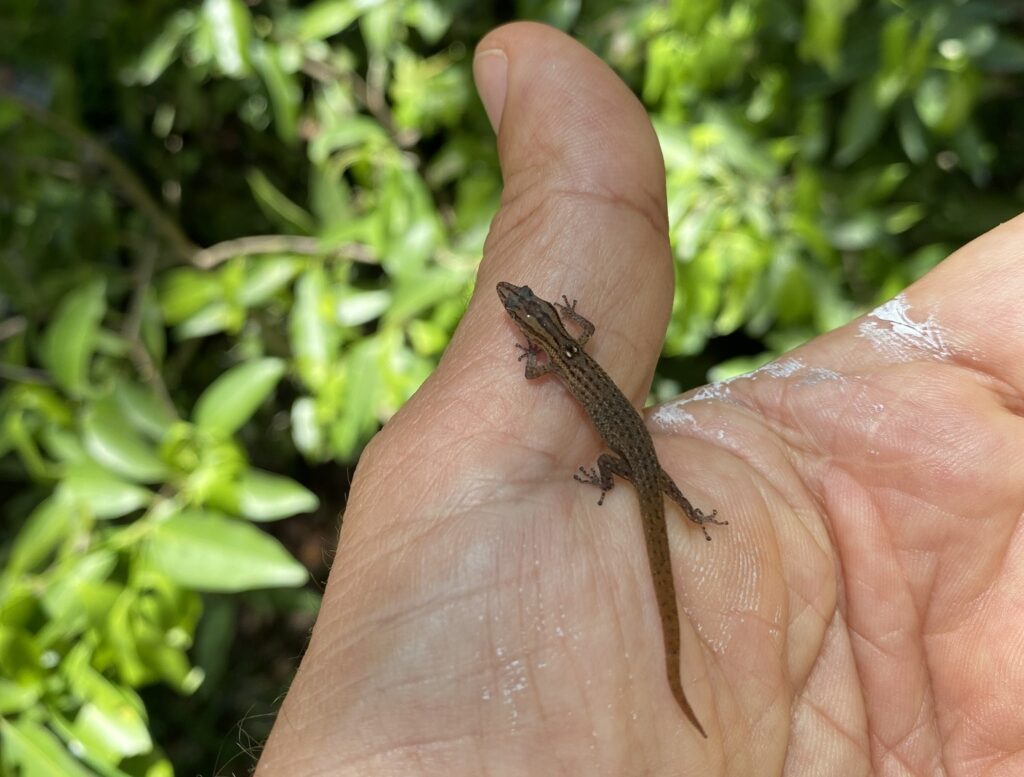
Nocturnal Dweller Fades from Familiar Grounds (image Credits: Wikimedia)
Recent surveys revealed the Florida reef gecko occupies only 60 percent of its historical sites, a stark indicator of decline for one of the nation’s smallest lizards. Measuring 2 to 2.5 inches long, this brown-speckled reptile blends seamlessly into its surroundings with greyish tones and darker scales. Its round, sticky toes allow it to scale trees, rocks, and even buildings effortlessly at night.
Active solely after dark, the gecko hunts insects and spiders using a long, adhesive tongue. Females lay single eggs – nearly a third of their body weight – in communal nests under debris like rotting logs or coconut husks. Researchers know little about its full life cycle, but its restricted range east of the Mississippi River marks it as Florida’s only native gecko species in that region.
Multiple Forces Erode Coastal Strongholds
Development and urbanization have chipped away at the moist, leaf-littered tropical hardwood hammocks, mangroves, pinelands, and even vacant lots where the gecko thrives. Sea level rise exacerbates the pressure, eroding shorelines and flooding habitats through storm overwash. Climate change projections position rising waters as a dominant future threat to these low-lying areas.
Invasive competitors further crowd the gecko out. Nonnative brown anoles, ashy anoles, and green iguanas vie for food and space, intensifying survival challenges. Reptile diseases add another layer of risk. The species profile lists these pressures clearly:
- Habitat loss from human expansion.
- Flooding and erosion tied to storms and tides.
- Competition with introduced reptiles.
- Emerging pathogen threats.
Coastal south Florida, including Broward, Miami-Dade, Monroe, and Palm Beach counties, bears the brunt of these combined impacts.
Years of Review Culminate in Action
The listing journey began in 2021 when the FWC received a petition to assess the gecko’s status. Biologists and experts conducted a Biological Status Review, confirming vulnerabilities from its limited range and anticipated declines. Commissioners endorsed the threatened designation in May 2024, shifting it to candidate status.
Final approval came during the February 2026 Tallahassee meeting. Alongside the listing, the commission greenlit a Species Action Plan, Species Conservation Measures and Permitting Guidelines, and revisions to the Imperiled Species Management Plan. These steps prohibit “take” – harassment, harm, capture, or collection – except under permits outlined in state rules.
Partners Gear Up for Habitat Safeguards
Conservation now emphasizes collaboration with local governments, landowners, researchers, and the public. Priorities include preserving and managing key habitats, tracking populations, and deepening knowledge of threats and biology. Public involvement ranges from curbing pollution to removing invasives from private properties.
Details appear in the official announcement from the FWC press release and species profile. The Wildlife Society also covered the development in a recent post: Florida lists reef geckos as ‘threatened’.
Key Takeaways
- The gecko persists in 60% of former sites amid rapid habitat changes.
- State protections ban unauthorized handling, paving way for recovery.
- Joint efforts target habitat restoration and invasive control for long-term viability.
This designation spotlights the fragility of Florida’s coastal biodiversity and the need for proactive stewardship. How can residents contribute to protecting these hidden inhabitants? Tell us in the comments.