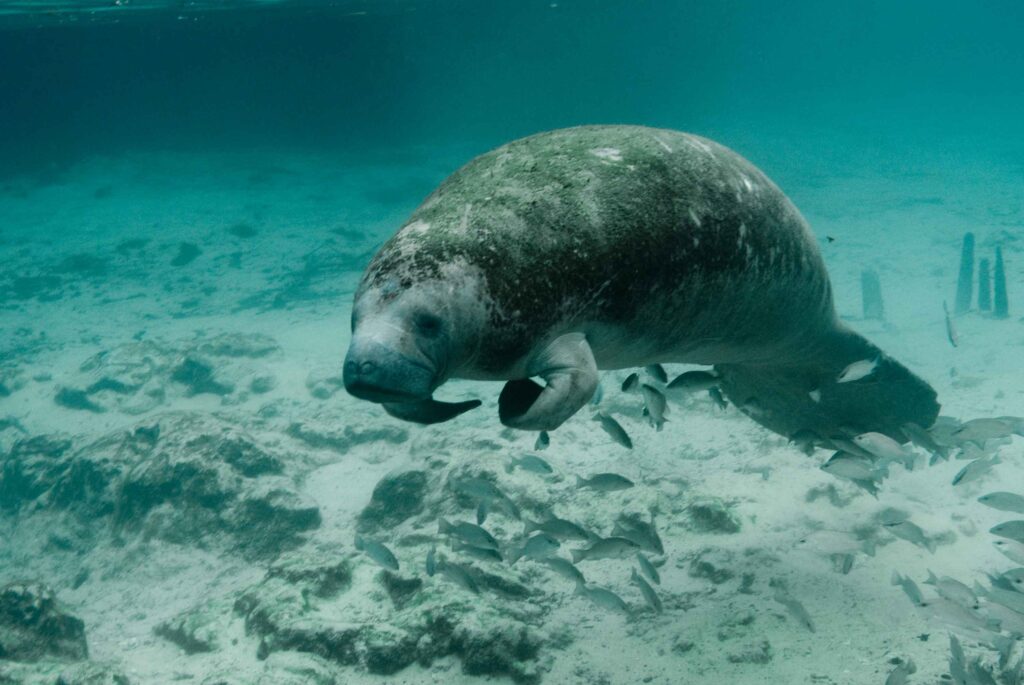
Florida – The Endangered Species Coalition and Save the Manatee Club marked Manatee Appreciation Day with a powerful reminder of the Florida manatee’s extraordinary recovery. Listed under the Endangered Species Act in 1973 when fewer than 1,000 individuals roamed U.S. waters, the population has climbed to more than 8,000 today. Conservation measures have driven this rebound, yet leaders warn that habitat threats persist. Their joint effort underscores the Act’s role in averting extinction while rallying public support for its future.
From the Brink: A Conservation Triumph Unfolds
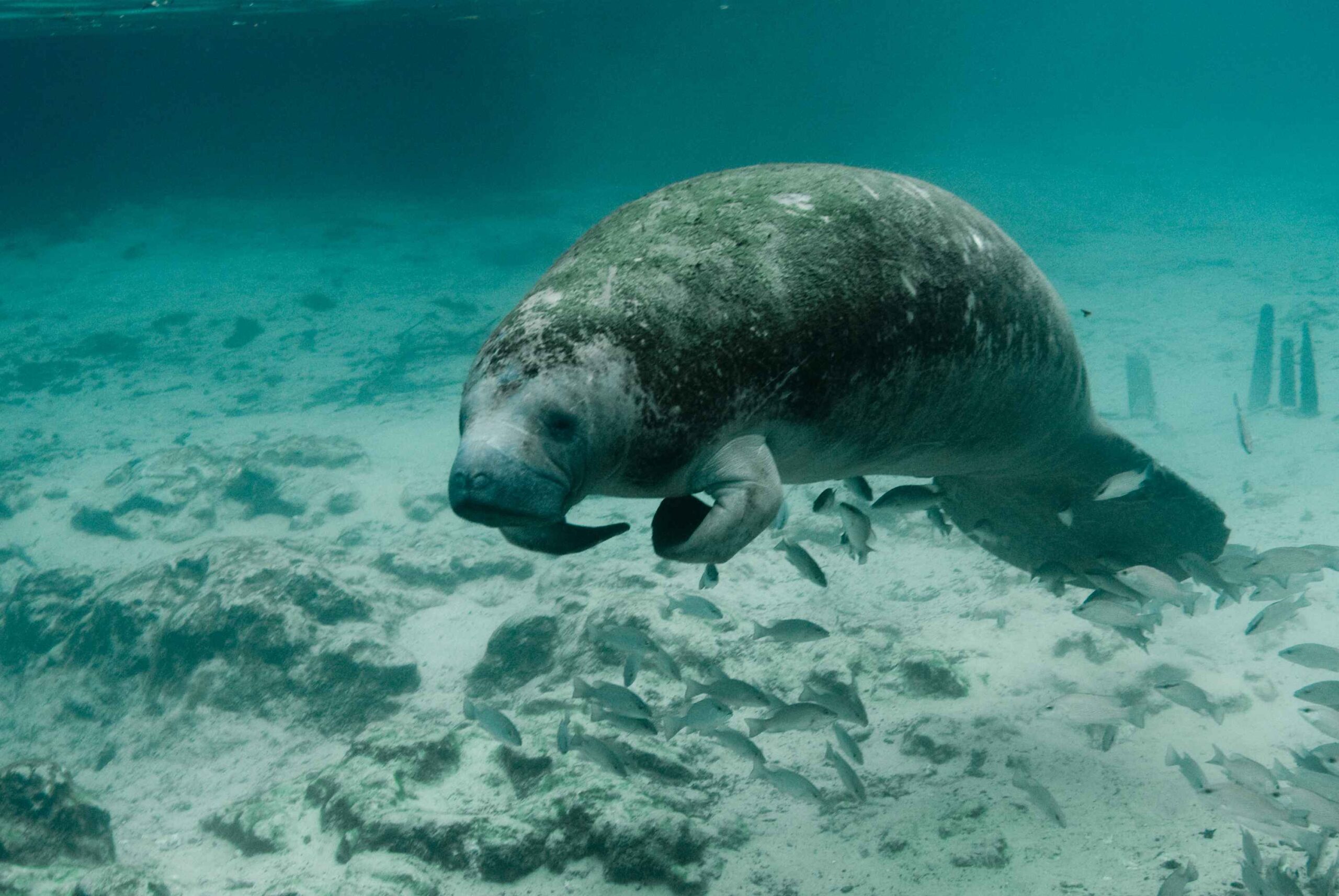
From the Brink: A Conservation Triumph Unfolds (Image Credits: Upload.wikimedia.org)
Manatees teetered on the edge of disappearance decades ago, but targeted protections turned the tide. The species, often called sea cows for their docile nature and herbivorous diet, received safeguards under the Endangered Species Act shortly after its passage. That legislation enabled habitat restoration, recovery plans, and restrictions on harmful activities, preventing the loss of over 99 percent of listed species.
These massive mammals, stretching 9.5 to 13.5 feet and weighing up to 3,500 pounds, now thrive in spots like Crystal River’s warm springs. Hundreds gather there each winter, drawn to the steady 72-degree waters. Their limited eyesight – effective only up to four feet – makes them vulnerable, yet no natural predators threaten them in the wild. Recent statewide surveys confirm a minimum count of 8,350, with estimates reaching higher.
Habitat Under Siege Despite Gains
Progress remains fragile as environmental pressures mount. Poor water quality and ocean warming have ravaged seagrass beds, the manatees’ primary food source. Degraded grazing areas disrupt feeding and migration, contributing to recent population dips in some regions.
Trash and debris compound the issues, entangling animals or fouling habitats. Human development further erodes essential waterways. Though reclassified from endangered to threatened, Florida manatees still require robust defenses. Federal reviews in early 2025 rejected stronger endangered status, citing overall stability but acknowledging risks.
| Era | Key Challenge | Impact |
|---|---|---|
| 1970s | Low numbers | <1,000 individuals |
| Today | Habitat loss | Seagrass decline, cold stress deaths |
Coalition and Club Unite for Advocacy
The Endangered Species Coalition leads campaigns to halt human-driven extinctions and restore habitats. Partnering with Save the Manatee Club, it mobilizes grassroots action nationwide. Their Manatee Appreciation Day message, observed on the last Wednesday in March, spotlights successes and perils alike.
Susan Holmes, executive director of the Endangered Species Coalition, emphasized the connection. “Manatees were one of the first animals protected under the Endangered Species Act in 1973, and their recovery is deeply connected to the Act,” she stated. “When they were first listed, there were fewer than 1000 manatees in the United States. Today, there are over 8,000 of these gentle giants.” The groups promote responsible ecotourism through certified operators, ensuring safe interactions without harassment.
Actions Every Advocate Can Take
Individuals hold power to sustain this progress. Public pressure counters proposed weakenings to the Endangered Species Act. Supporting clean water initiatives directly aids seagrass recovery.
- Visit endangered.org to learn more and stay informed.
- Join the Activist Network at actionnetwork.org for timely alerts.
- Choose certified ecotourism for wildlife encounters.
- Donate to fuel organizing efforts via secure links.
- Advocate locally against pollution and development threats.
- Report sightings or distress to authorities promptly.
Key Takeaways
- ESA protections grew manatee numbers from under 1,000 to over 8,000 since 1973.
- Seagrass loss from pollution and warming poses the biggest current risk.
- Grassroots action through coalitions ensures long-term survival.
The Florida manatee’s journey from obscurity to abundance proves what determined conservation achieves, but complacency invites reversal. As habitats evolve under climate strains, the Endangered Species Act stands as the bulwark against decline. What do you think about bolstering these protections? Tell us in the comments.