Florida – Researchers at Florida Atlantic University have introduced a patent-pending device using zinc and graphite that generates a subtle electric field to repel sharks from longline fishing hooks.
Bycatch Pushes Sharks Toward Extinction
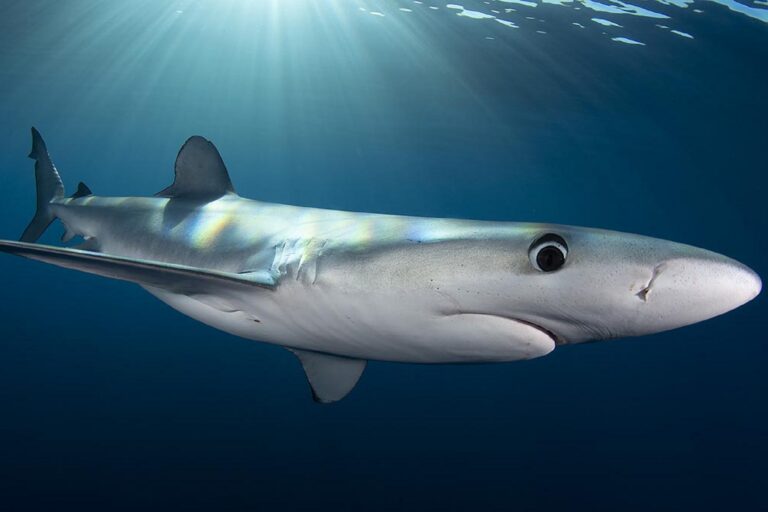
Bycatch Pushes Sharks Toward Extinction (Image Credits: Imgs.mongabay.com)
Commercial fisheries targeting tuna and swordfish often ensnare sharks unintentionally, contributing to the decline of more than 100 species worldwide. Millions of these animals suffer this fate each year, with many discarded dead due to their slow growth and reproduction rates. Longline gear, which stretches for miles underwater, exacerbates the problem in both coastal and open-ocean settings.
Efforts to mitigate bycatch have included magnets and rare-earth metals, but results proved inconsistent or impractical. The new approach targets sharks’ acute sensitivity to electric fields through organs called ampullae of Lorenzini, offering a fresh strategy without batteries or complex setups.
The Science Behind the Zinc-Graphite Shield
Zinc and graphite, when paired in seawater, trigger a galvanic reaction that produces a small electric field around the hook – roughly the size of a beach ball. This field mimics bioelectric signals that prompt sharks to avoid the area instinctively. Fishers attach brick-shaped blocks of the materials directly above baited hooks on longlines.
Unlike prior deterrents, this method relies on inexpensive, readily available components. Zinc already serves to prevent boat corrosion, making it familiar to commercial operators. The setup requires no power source and wears down gradually, allowing simple replacement.
Field Trials Deliver Strong Reductions
Trials off Florida’s coast targeted demersal sharks living near the seafloor. Hooks fitted with zinc-graphite blocks caught far fewer sharks than controls. In one setup, treated hooks snared 58 sharks compared to 155 on plastic placebos and 190 on untreated lines – a drop of 62% to 70%.
The device shone against common coastal species like Atlantic sharpnose (Rhizoprionodon terraenovae) and blacktip sharks (Carcharhinus limbatus). Target catches of tuna and swordfish held steady or increased slightly, preserving commercial value. Pelagic trials in the Gulf of Mexico captured too few sharks for firm conclusions, while Massachusetts tests showed no effect on piked dogfish.
| Treatment Type | Sharks Caught (Florida Demersal) | Reduction vs. Untreated |
|---|---|---|
| Zinc-Graphite | 58 | 69% |
| Plastic Control | 155 | 18% |
| Untreated | 190 | – |
Species Variations and Next Steps
Effectiveness appears tied to shark families. Carcharhinidae species, prevalent in many fisheries, responded well, unlike Squalidae dogfish. Stephen Kajiura, the study’s lead author and FAU professor, noted, “Sharks have an incredible ability to sense even the smallest electric fields, and our tests show that this new approach can be used to keep them away from baited hooks.”
Researchers now refine the prototype for easier deployment, collaborating with fishers from Florida to New Jersey. A patent application advances commercialization. Broader testing in pelagic fisheries could confirm scalability, potentially transforming global practices.
- Targets electrosensory organs unique to sharks and rays.
- Costs pennies per hook; no maintenance beyond zinc swaps.
- Preserves or boosts catches of high-value fish.
- Species-specific: Strong on requiem sharks, weaker on spiny dogfish.
Key Takeaways
- 62-70% fewer sharks on treated hooks in Florida trials.
- No harm to tuna, swordfish, or other targets.
- Patent-pending tech ready for fisher input and scaling.
This innovation stands to ease pressure on vulnerable shark populations while bolstering sustainable fishing yields. What steps should fisheries take next to adopt such tools? Share your thoughts in the comments.