West Palm Beach, Florida — Animal specialists from the Palm Beach Zoo devised a daring strategy that preserved the vision of a wild white rhino facing a deadly eye ailment in Zimbabwe.
A Critical Threat Emerges
A Critical Threat Emerges (Image Credits: Imgs.mongabay.com)
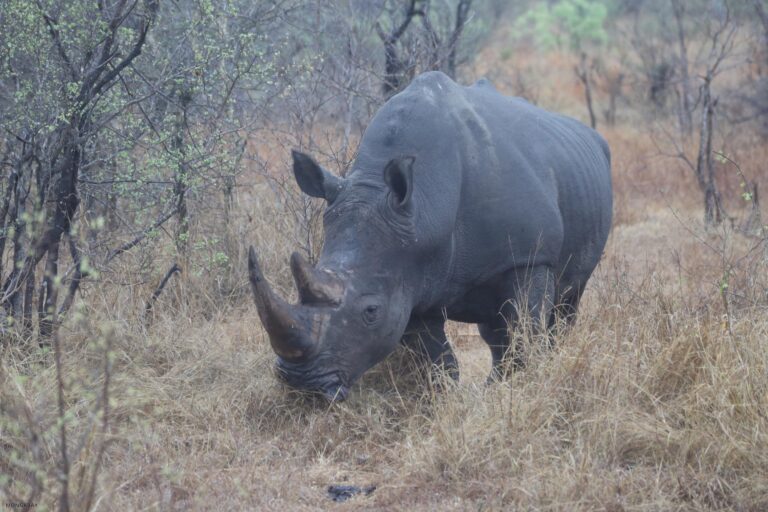
The male rhino named Thuza suffered from a severe parasitic infection that caused bleeding eyes and constant rubbing, threatening permanent blindness. Such a loss would have doomed the animal in the wild, where sight remains essential for survival. Mark Butcher, managing director of Imvelo Safari Lodges, spotted the issue during a conservation effort outside Hwange National Park.
Palm Beach Zoo CEO Margo McKnight learned of the crisis during her visit to the region last year. The incident unfolded amid the Community Rhino Conservation Initiative, a program reintroducing southern white rhinos to communal lands in Zimbabwe for the first time. With poaching and habitat loss endangering the species—listed as near threatened with roughly 16,000 individuals remaining—Thuza’s plight carried high stakes.
Lessons from the Zoo Inspire Innovation
Thad and Angi Lacinak, founders of Precision Behavior, collaborated with the Palm Beach Zoo & Conservation Society. They drew on techniques honed at the Florida facility, where captive animals learn to cooperate in their own medical care. This voluntary participation approach formed the basis for a field-adapted solution.
The team traveled to Zimbabwe in August 2025 to assist anti-poaching scouts from Imvelo Safari Lodges. “A blind rhino is a dead rhino,” Angi Lacinak explained, underscoring the urgency in a program with limited animals. Their goal centered on non-invasive treatment to avoid darting or full immobilization, which posed risks in the remote setting.
Step-by-Step Desensitization in Action
Daniel Terblanche, Imvelo security manager, initially viewed the chute concept as outlandish. The plan involved constructing a narrow enclosure to guide Thuza using his preferred foods. Once inside, handlers gradually introduced human proximity, touch, and water sprays to build tolerance.
Progress accelerated quickly. Within one week, the Lacinaks administered eyedrops directly while Thuza remained calm. The following week focused on empowering local staff. Here are the core steps of the process:
- Coax the rhino into the chute with treats.
- Desensitize to gentle touches around the head.
- Introduce water sprays mimicking drop application.
- Apply actual eyedrops during voluntary holds.
- Train guards for independent daily dosing.
Terblanche and his team mastered the routine, ensuring sustainability.
Lasting Impact on Conservation Efforts
Thuza’s eyes healed, and locals now deliver medication daily without incident. “They’re consistently getting the medications into his eyes every day,” Lacinak reported. The rhinos in the program thrive, bolstering confidence in the initiative’s future.
This cross-continental partnership highlights how zoo expertise can aid wild populations. Southern white rhinos face ongoing perils, yet successes like Thuza’s offer vital momentum. The episode reinforces the value of innovative, humane interventions in fragile ecosystems.
Key Takeaways
- A simple chute enabled eyedrop treatment for a wild rhino, avoiding risky sedation.
- Local training ensures ongoing care in Zimbabwe’s conservation zones.
- With 16,000 southern white rhinos left, each saved individual advances species recovery.[2]
Thuza’s story proves that bold ideas, even deemed ridiculous at first, can safeguard endangered wildlife and inspire global efforts. What do you think about these creative conservation tactics? Tell us in the comments.