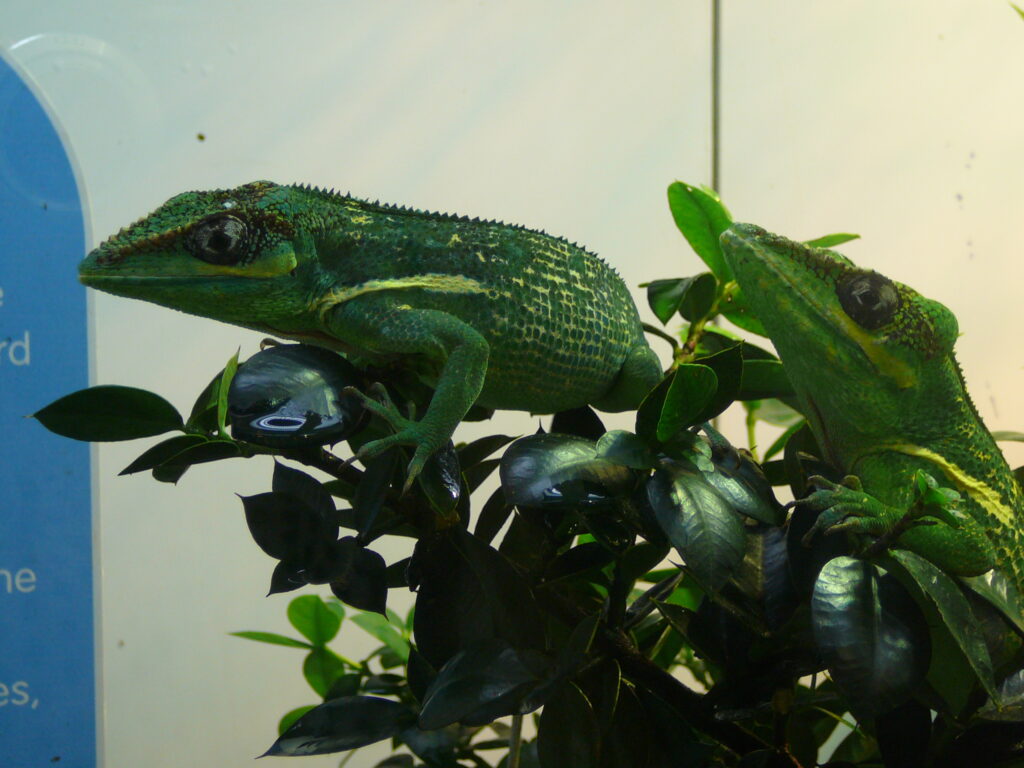
Florida – Thriving populations of knight anoles, striking lizards native to Cuba, owe much of their expansion across the state to human development in towns and cities.
Knight Anoles Claim Urban Territories
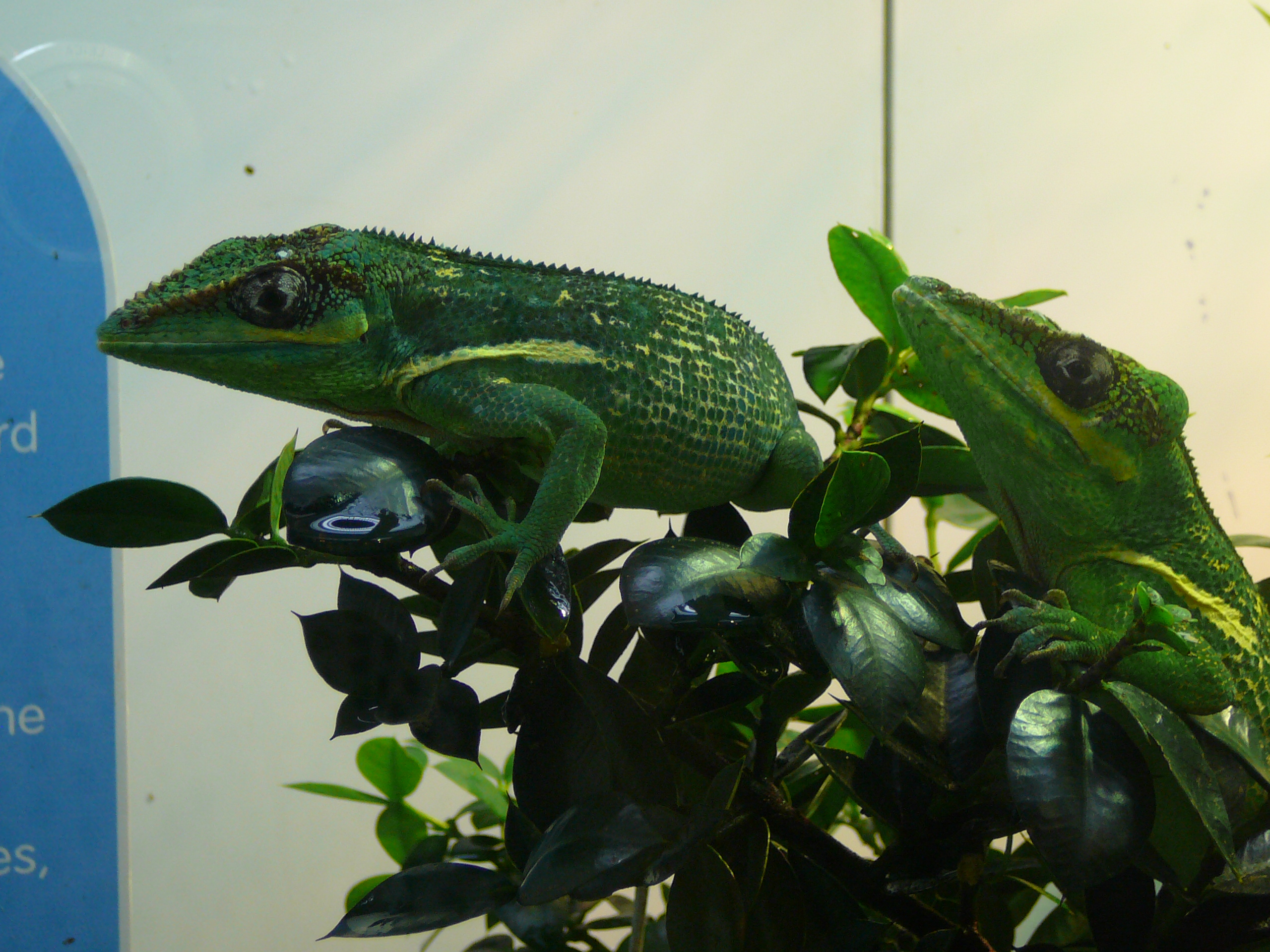
Knight Anoles Claim Urban Territories (Image Credits: Upload.wikimedia.org)
Researchers traced the first known introduction of knight anoles to 1952, when a biology student released one on the University of Miami’s north campus in Coral Gables. The species gained a stronger foothold in the 1970s and has since proliferated. Sightings now span much of Florida, concentrating in urban zones along the eastern and some western coasts, reaching as far north as St. Augustine.
These lizards stand out with their size – up to 20 inches long, including tails – and vivid coloration: bright green bodies accented by yellow stripes, black speckles, and subtle blue shading around the eyes. Models suggest Jacksonville could support them too, thanks to the urban heat island effect that warms city environments. Such predictions highlight how far these invasives might push within the U.S.
Why Disturbed Habitats Beckon
Urbanization emerged as the top predictor of knight anole presence in Florida, differing sharply from their native Cuban range. Disturbed areas offer advantages: fewer predators patrol these zones, and competition for resources remains low. Human settlements provide ample perches and prey in backyards and parks.
Alexander Romer, a key researcher, noted, “Disturbed habitats likely have more open niches. There are fewer predators, less competition.” This dynamic allows the lizards to dominate where native species struggle. Citizen science data from platforms like iNaturalist, combined with surveys in southern Florida, confirmed the pattern.
Predation Pressures on Native Species
Knight anoles pose risks by preying on vulnerable locals. They consume imperiled vertebrates such as Florida tree snails. Evidence points to their taste for other threatened invertebrates, including federally endangered Florida tiger beetles and Schaus’ swallowtail butterflies.
- Butterflies, including rare species like Schaus’ swallowtail
- Beetles, such as the endangered Florida tiger beetle
- Tree snails, a delicacy for the large lizards
- General insects that support native food webs
Romer added, “We know that they do eat butterflies. They do eat beetles.” While full ecological impacts require further study, the lizards’ size gives them an edge over smaller native anoles.
New Study Illuminates the Spread
A recent analysis in Ecology and Evolution compared knight anole habitats in Florida and Cuba. Led by Romer and colleagues, the work used data from the Global Biodiversity Information Facility and the Everglades Cooperative Invasive Species Management Area. Urban factors proved decisive in Florida, unlike the predator-rich Cuban ecosystems that limit expansion there.
“Jacksonville might be suitable, even though one might be surprised that they can get so far north,” Romer observed. The findings underscore development’s role in invasive success. For details, see the full report at The Wildlife Society.
Balancing Growth and Wildlife Protection
Habitat disturbance accelerates invasive species like knight anoles, while conserved lands shield natives. Romer emphasized, “Conserved habitat is precious. When you disturb habitat, you’re facilitating invasive species. When you protect it, you’re protecting native species.” Florida faces a pivotal choice as development continues.
Key Takeaways
- Urbanization drives knight anole spread more than climate alone.
- These lizards threaten imperiled insects and snails in Florida.
- Protecting intact habitats curbs invasive advantages.
Whether knight anoles breach Georgia remains uncertain, but their foothold warns of broader invasion risks. Florida’s towns have become unlikely strongholds – prompting calls for smarter land management. What steps should communities take next? Share your thoughts in the comments.