Global pushes to restore degraded habitats reveal a counterintuitive challenge in combating zoonotic diseases that leap from animals to humans.
Meta-Analysis Uncovers Surprising Short-Term Effects
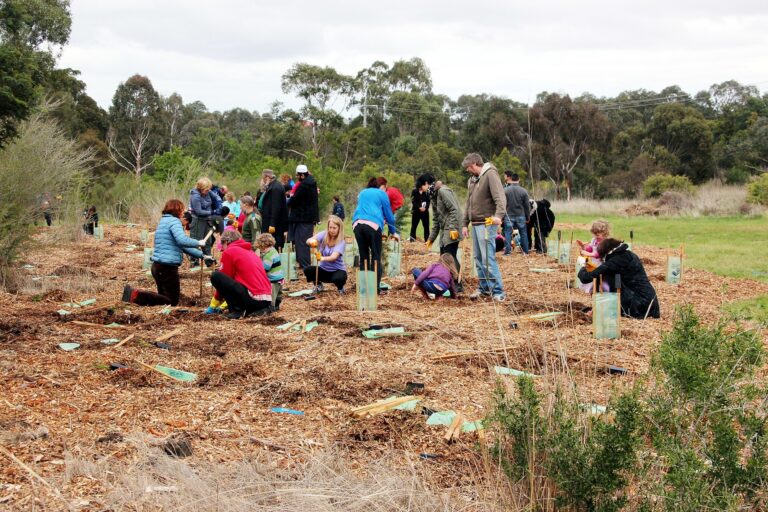
Meta-Analysis Uncovers Surprising Short-Term Effects (Image Credits: Imgs.mongabay.com)
Researchers at the University of Stirling conducted the first comprehensive meta-analysis on habitat restoration’s impact on zoonotic risks. They sifted through thousands of studies and pinpointed just 39 that addressed the link directly.
Lead author Adam Fell noted the scarcity of data. “We only found something like 39 [relevant] studies, out of thousands that we looked through,” he said. The analysis showed that reforestation sometimes heightened disease transmission early on. Rodents, common carriers of pathogens like hantavirus, often rushed into newly planted areas first. Larger predators and competitors arrived later, allowing temporary population booms among these vectors.
Rodents Pioneer Disturbed Landscapes
Early restoration phases create ideal conditions for small mammals. Disturbed soil and young vegetation favor rodents over established forests that support diverse wildlife. This shift amplified zoonotic threats in certain cases examined.
Brazil’s Atlantic Forest illustrated related dynamics during deforestation, where mosquitoes turned to human blood when natural hosts vanished. Restoration mirrored this complexity in reverse. Short-term studies captured these spikes, but funding constraints rarely tracked long-term recovery. Equilibria could take years or decades to form as bobcats and ungulates reestablished control.
Not All Restoration Carries the Same Risk
Wetland recovery offered a brighter picture. Birds and fish returned swiftly, preying on mosquito larvae and nymphs. Transmission of vector-borne diseases dropped immediately in these scenarios.
Outcomes proved highly context-dependent. Factors like restoration type, location, and disease vector shaped results. Protecting intact wetlands and habitats consistently lowered risks, underscoring strategic planning’s role.
- Reforestation: Potential short-term rodent-driven increases.
- Wetland restoration: Quick reductions via natural predators.
- Habitat conservation: Steady risk mitigation.
- Urban expansion or farming: Heightened human-wildlife contact.
- Fragmented landscapes: Amplified mosquito and bat interactions.
Toward a One Health Future
The study urged a “One Health” framework, integrating human, animal, and environmental health. Co-author Luci Kirkpatrick from Bangor University emphasized this synergy. “This work is vitally important in demonstrating how biodiversity fosters healthy landscapes for humans,” she stated.
Teams launched the Living Evidence Atlas to map data gaps, especially in developing nations where degradation and exposure overlap most. Policymakers gained tools for monitoring early risks and tailoring projects. Long-term, mature ecosystems promised balance, far outweighing initial hurdles.
Restoration remains vital against biodiversity loss and climate threats. Yet, informed design ensures it safeguards health too.
Key Takeaways
- Short-term zoonotic risks rise in some reforestation due to pioneer rodents, but decline as biodiversity rebounds.
- Wetland efforts yield fast benefits through rapid predator return.
- Adopt One Health strategies and evidence atlases for safer global restoration.
Well-planned restoration protects both planet and people in the long run. What strategies would you prioritize for balancing these risks? Share in the comments.