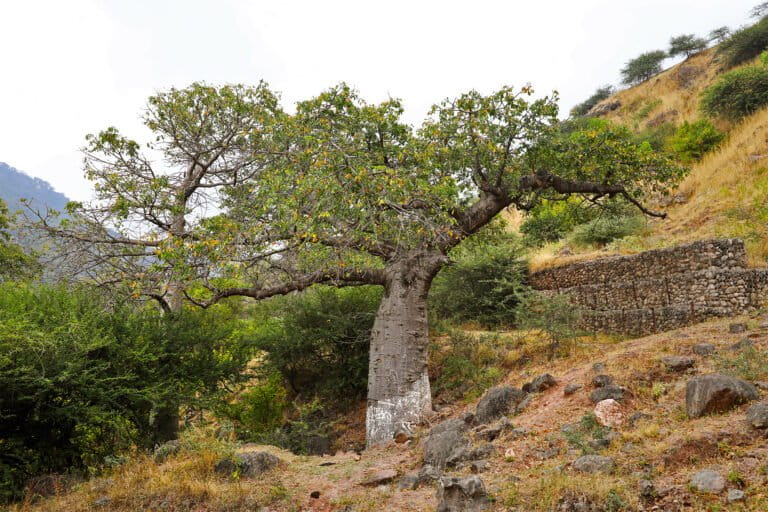
Researchers recently unveiled maps highlighting where ambitious tree-planting initiatives for climate mitigation intersect with vital wildlife habitats around the world.
Tree Planting Emerges as Climate Savior with Hidden Risks
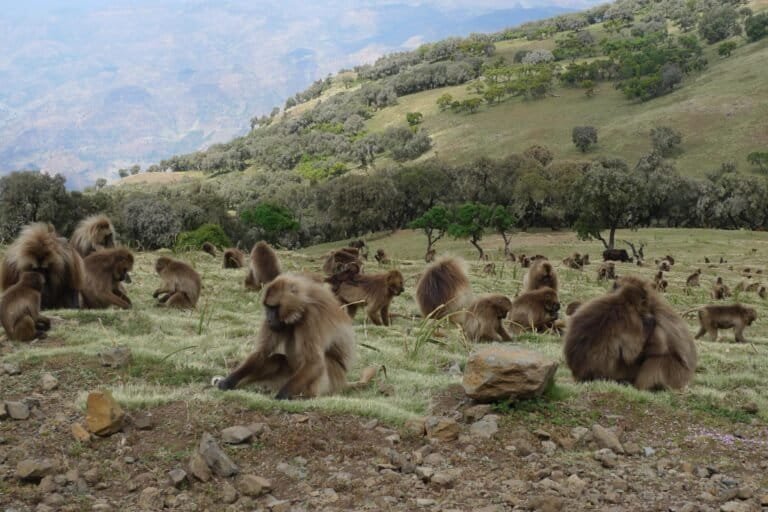
Tree Planting Emerges as Climate Savior with Hidden Risks (Image Credits: Imgs.mongabay.com)
Efforts to plant vast forests have gained momentum as a key weapon against rising temperatures. Proponents point to trees’ ability to absorb carbon dioxide and restore ecosystems degraded by human activity. Yet a new analysis exposed a stark reality: these projects often target lands rich in unique species.
The study examined five climate models aligned with Paris Agreement targets. It revealed that land-intensive carbon removal efforts, like afforestation and bioenergy crops, could alter grasslands or other habitats essential for fungi, invertebrates, plants, and vertebrates. Lead author Ruben Prütz emphasized the need for broader biodiversity data in such planning.
Mapping the Overlaps: 13% of Hotspots at Risk
Global models designated expansive areas for carbon dioxide removal by 2050. About 13% of these zones coincided with lands harboring high concentrations of threatened species. Avoiding such biodiversity hotspots entirely would shrink available carbon project space by more than half.
Previous research focused on fewer species and single models. This work expanded to 135,000 organisms, offering finer resolution on potential harms. Still, widespread forestation might indirectly aid biodiversity by curbing climate stress, preserving up to 25% more habitat if warming peaks and ecosystems recover.
Global South Bears the Brunt of Carbon Ambitions
Climate projections allocated far more land for forest-based carbon removal in developing regions than in wealthier nations. This pattern raises equity concerns, as countries with lower historical emissions face greater land-use pressures.
Prütz highlighted the fairness issue: high-income nations, primary drivers of past emissions, must shoulder more responsibility. Experts like Christian Hof from the University of Würzburg urged prioritizing emission cuts over heavy reliance on land grabs.
Such disparities could exacerbate tensions between industrialized and less-industrialized countries in global climate talks.
Expert Calls for Smarter Strategies
Mark Urban, a U.S. ecologist not involved in the research, noted the surprise that deforested lands alone cannot meet carbon goals without biodiversity costs. “We certainly need some level of carbon capture, and I think forests are great where they are well-suited and if they’re done right using local species,” he said.
- Prioritize emission reductions to lessen dependence on vast carbon removal schemes.
- Select sites carefully, favoring degraded areas and native species.
- Incorporate comprehensive biodiversity assessments into climate models.
- Promote equity by supporting Global South alternatives like protected areas.
- Monitor long-term ecosystem recovery post-projects.
Charting a Balanced Path Ahead
The findings underscore that carbon removal alone cannot substitute for slashing emissions. Prütz warned that without deep cuts, even aggressive forestation falls short of limiting warming.
Key Takeaways:
- 13% overlap between CDR lands and biodiversity hotspots demands precise planning.
- Avoiding hotspots halves CDR area but protects irreplaceable species.
- Global South faces unequal burdens; equity must guide international efforts.
Decision-makers now hold clearer maps to navigate this dual crisis. True progress lies in strategies that safeguard both climate stability and life’s diversity. What steps should governments take next? Share your views in the comments.