When you hear the word “dinosaur,” what flashes through your mind? Rows of serrated teeth? A thunderous roar tearing through a prehistoric jungle? For most people, it’s the meat-eaters that dominate the imagination. The T. rex, the Velociraptor, the nightmare fuel of countless blockbuster films. Honestly, it makes sense – predators are thrilling. But here’s the thing: they were never actually the majority.
The prehistoric world was, in fact, teeming with creatures far more inclined to munch on a tree than to terrify anything. They were enormous, fascinating, surprisingly social, and in many ways far more complex than popular culture has ever given them credit for. So if you’ve spent your whole life underestimating the plant-eaters, get ready to have your mind changed. Let’s dive in.
The Surprising Truth About Who Really Dominated the Prehistoric World
Let’s be real – most of us grew up picturing the dinosaur world as a relentless, tooth-and-claw battlefield. But if you zoom out and look at the actual numbers, the picture changes dramatically. Only roughly a third of the total general dinosaur population was made up of carnivores. The remaining two thirds were herbivores. That’s a staggering flip of the script.
Most dinosaurs ate plants. Research suggests more than 180 dinosaurs preferred a plant-based diet, though pinning down a precise number is still an ongoing challenge for paleontologists. These plant-eating dinosaurs played a crucial role in shaping the ecosystems of their time, functioning less like monsters and more like the ancient equivalent of elephants, giraffes, or bison – massive, community-oriented animals that literally sculpted the landscapes they roamed.
A Diet That Demanded Serious Engineering
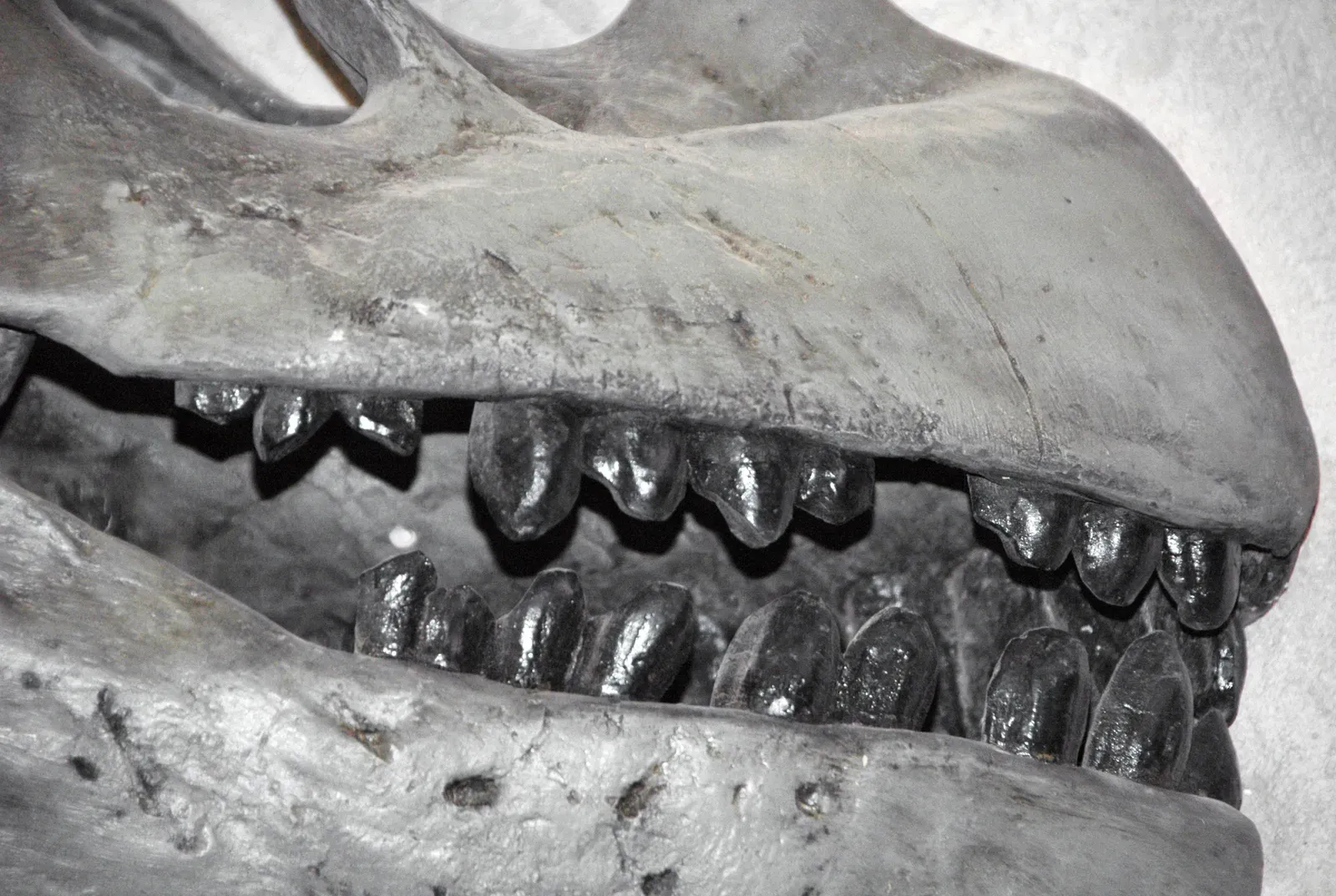
You might think eating plants sounds easy – almost passive. Think again. While herbivory is one of the most common ways of life for animals, it’s surprisingly difficult to eat plants. Unlike meat, which is easily broken down in the gut, plants are generally made up of tough fibres and complex carbohydrates which are hard to digest. Teeth are on the front line of this dietary battle. Being a peaceful plant-eater was, biologically speaking, a massive engineering challenge.
Herbivorous dinosaurs had different teeth shapes for shredding apart plant fibers, with oblique, large serrations to hold plants in place and flat, grinding surfaces – like horse teeth – and large numbers of teeth to mush up and chew plants. Since plant material is so much harder to digest than meat, it was crucial for herbivores to have a variety of mechanisms to effectively break down their food. Some, like sauropods, even swallowed stones to help grind food in their stomachs. Some may have swallowed stones to help break up food in their stomach. Peaceful? Yes. Simple? Absolutely not.
The Sauropods: Living Skyscrapers With a Gentle Soul
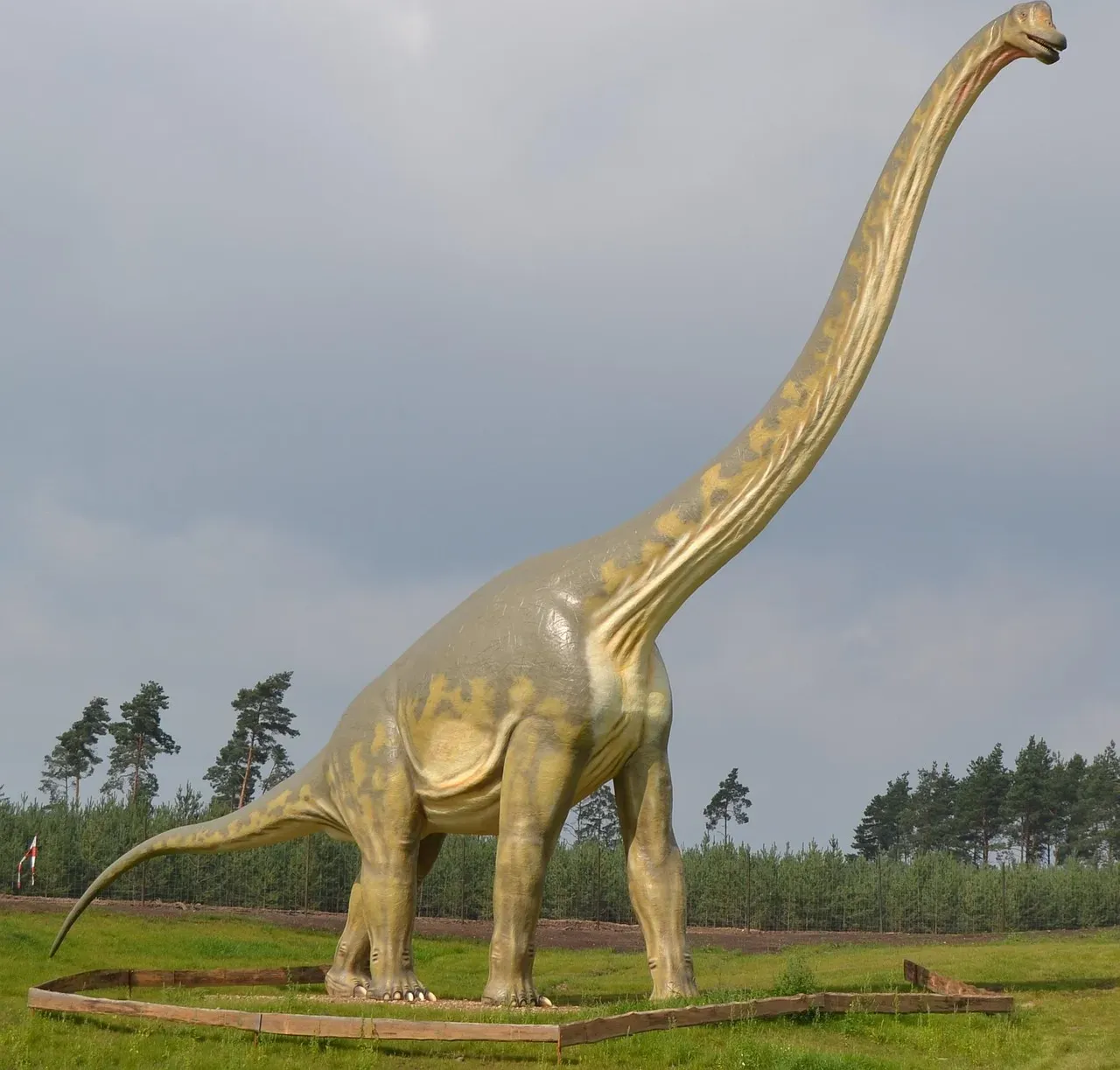
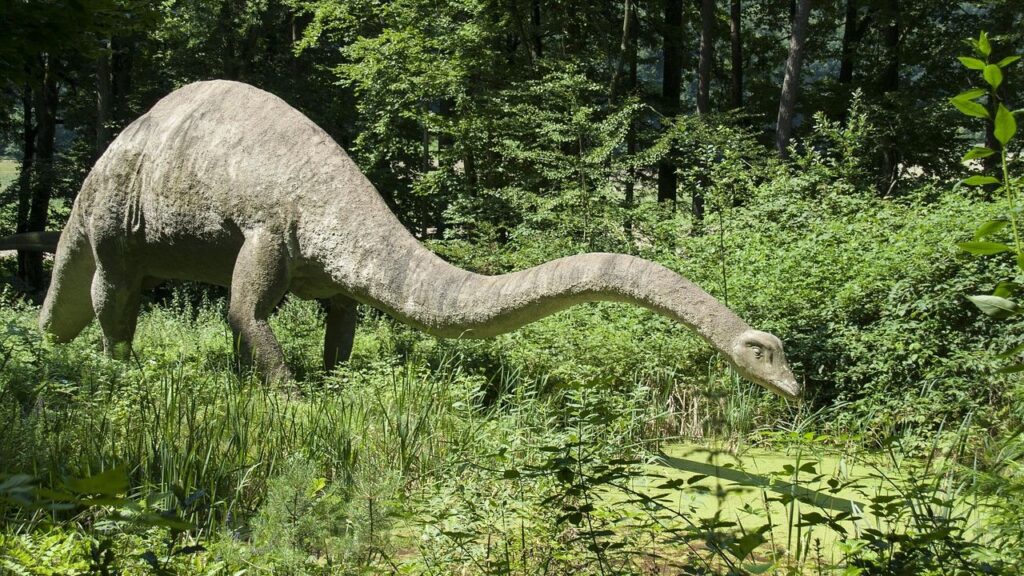
One group of plant-eaters grew to become the biggest land animals ever. These were the sauropods – impressive long-necked, four-legged giants. Think of them as living skyscrapers wandering through ancient forests, quietly stripping treetops of foliage while the world shook slightly beneath their feet. There’s something almost meditative about that image.
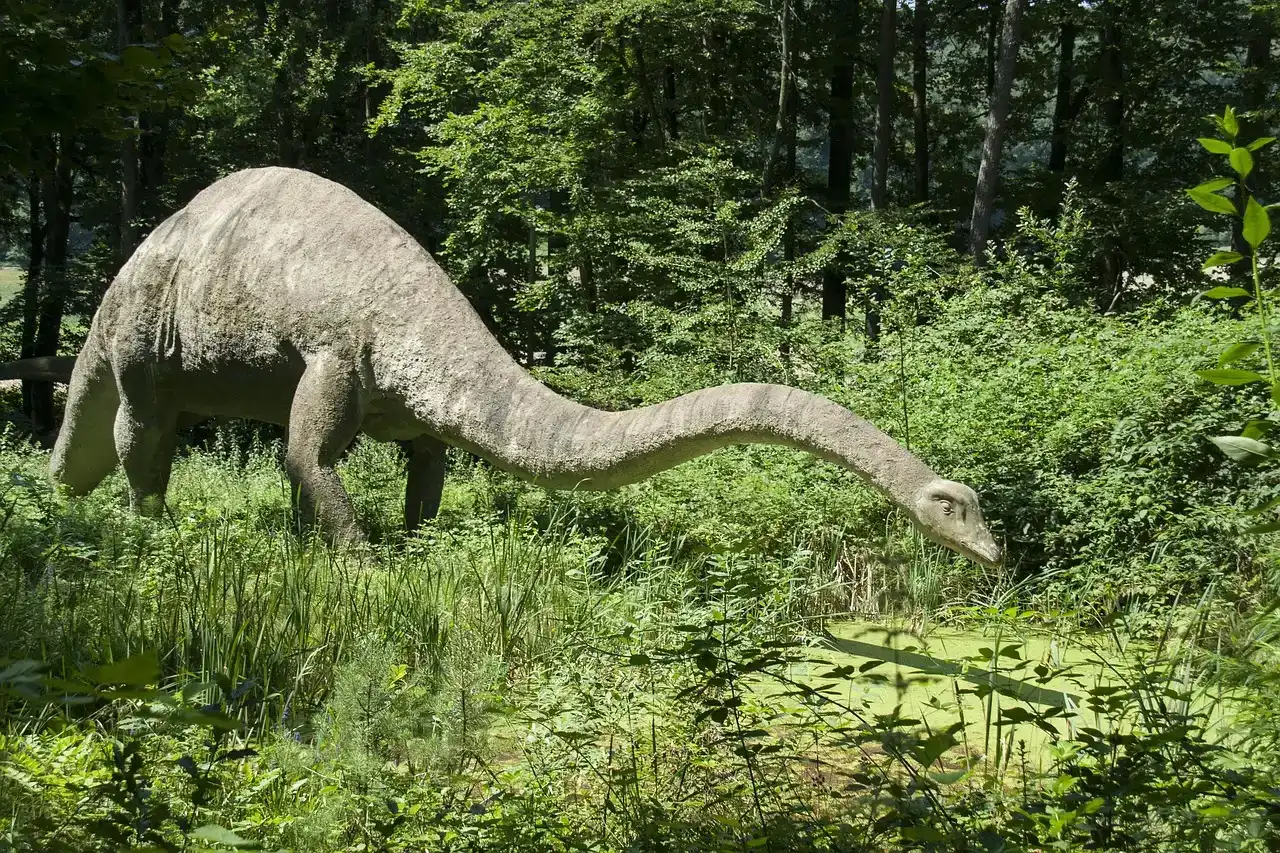
Sauropodomorphs are known for their long necks and large bodies. They include well-known dinosaurs like Brachiosaurus and Apatosaurus. These giants primarily fed on high vegetation, using their long necks to reach leaves and branches that other dinosaurs couldn’t. The Brachiosaurus, for instance, is regarded as a high browser, possibly cropping or nipping vegetation as high as 9 meters off the ground. That’s roughly the height of a three-story building. For context, a modern giraffe maxes out at about 6 meters. These animals were extraordinary.
Diplodocus: Long, Graceful, and Surprisingly Clever
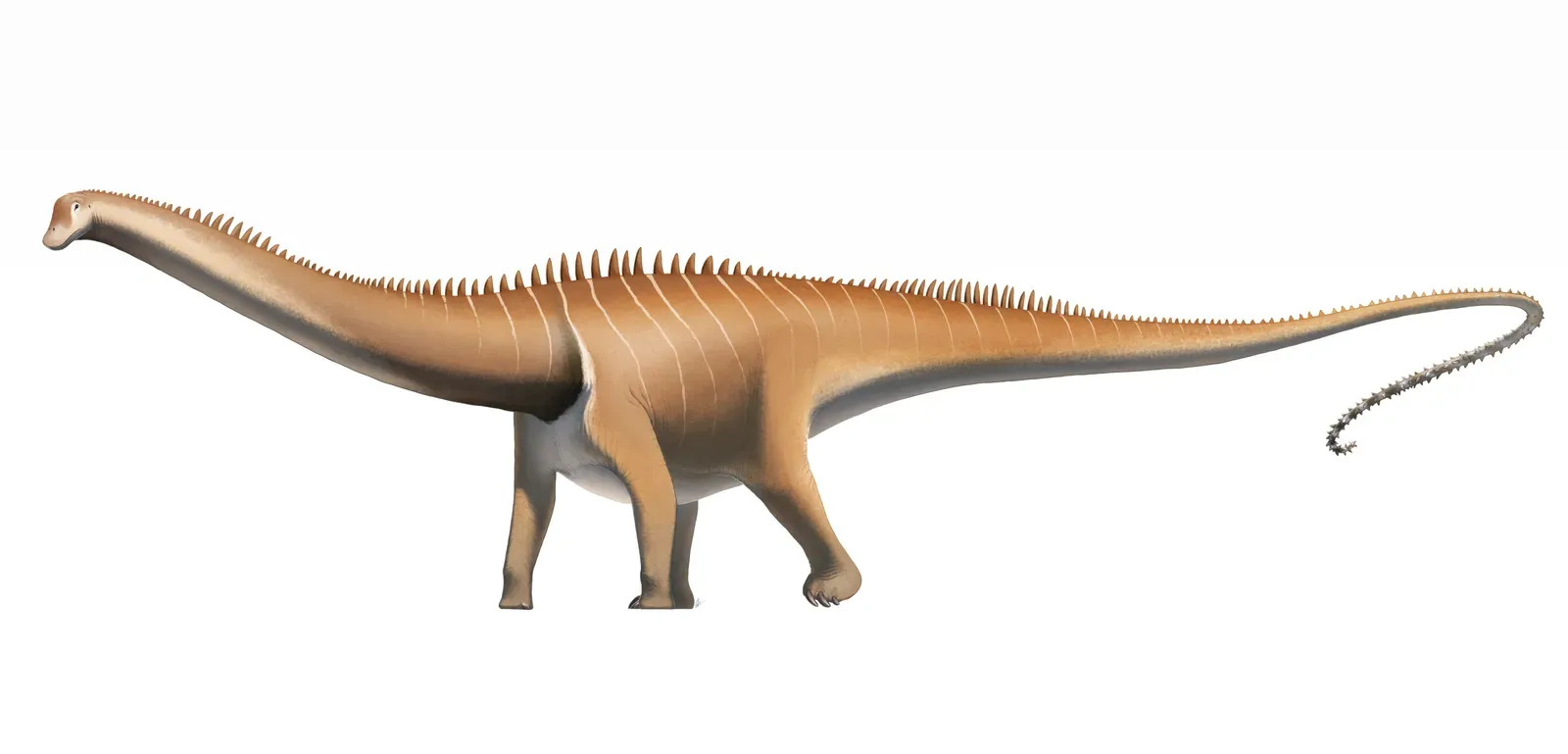
Among the best-known sauropods, Diplodocus were very large, long-necked, quadrupedal animals, with long, whip-like tails. Their forelimbs were slightly shorter than their hind limbs, resulting in a largely horizontal posture. The skeletal structure of these long-necked, long-tailed animals supported by four sturdy legs have been compared with cantilever bridges. They were, in essence, a marvel of natural architecture.
What makes Diplodocus especially fascinating is just how thoughtfully its body was designed for peaceful living. Diplodocus teeth were small, peg-like, and mostly at the front of the jaws, well-suited for stripping leaves rather than chewing. Diplodocus replaced each tooth once every 35 days, keeping itself constantly equipped to harvest food. I think that level of biological planning – a conveyor belt of replacement teeth – is genuinely mind-blowing for an animal that never had to fight for a meal.
Herding Giants: Social Lives That Rivaled Modern Animals
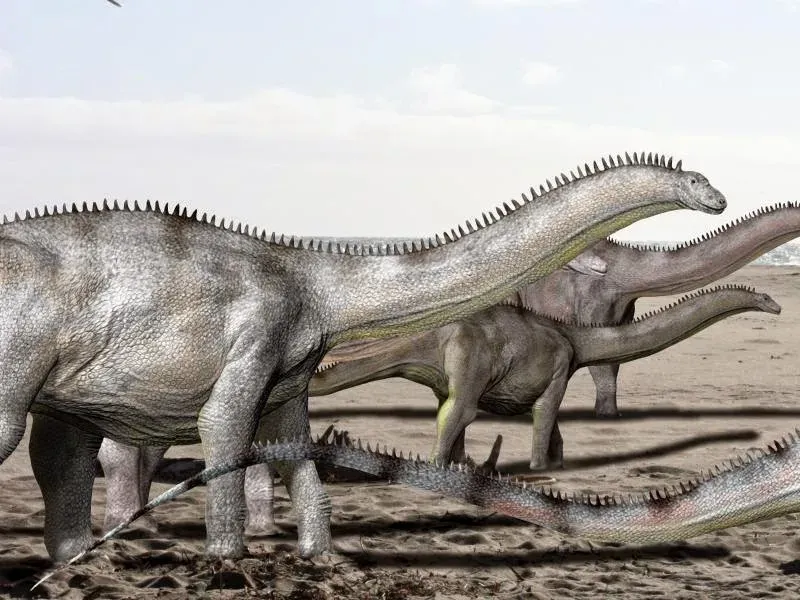
Here’s something that might completely change how you picture the prehistoric landscape. These gentle giants weren’t just wandering around alone. Trackways of hundreds or even thousands of herbivores indicate that duck-billed dinosaurs may have moved in great herds, like the American bison or the African springbok. The scale of those migrations must have been absolutely awe-inspiring.
Results show that Mussaurus and possibly other dinosaurs evolved to live in complex social herds as early as 193 million years ago, around the dawn of the Jurassic period. Even more remarkable, discoveries indicate the presence of social cohesion throughout life and age-segregation within a herd structure, in addition to colonial nesting behaviour. This means that multifamily groups got together not just for breeding and nesting but that they potentially formed life-long herds, more like today’s elephants or wildebeests. Sound familiar? That’s because the social blueprint has barely changed in hundreds of millions of years.
Defense Without Violence: The Armor and Strategy of the Peaceful
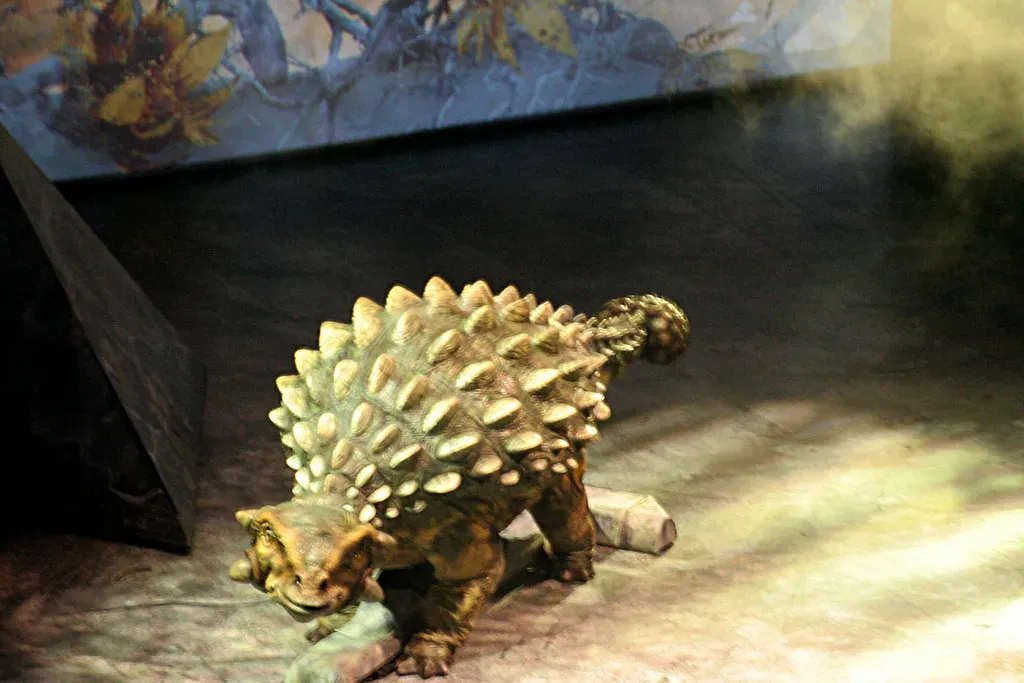
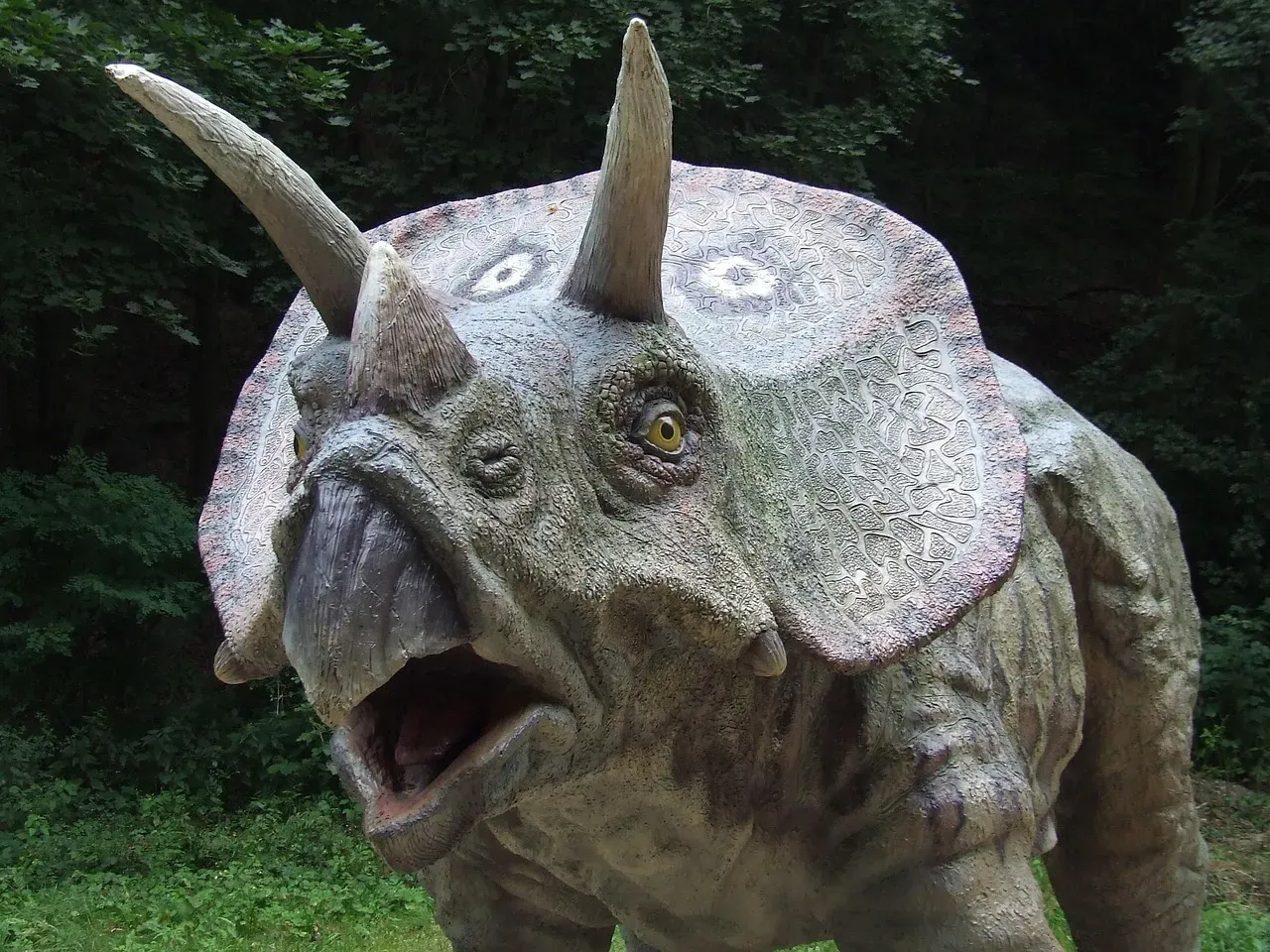
Being gentle doesn’t mean being defenseless. You’d be wrong to assume that these plant-eaters were just passive victims waiting to be eaten. They formed large herds for protection and evolved different adaptations for defense, such as horns, frills, and spines, to deter predators or engage in combat. When you live in a world full of apex predators, you adapt. You just do it without hunting anyone yourself.
Dinosaurs like Ankylosaurus and Stegosaurus developed sharp bony plates and spikes along their bodies, providing protection against predators. And consider Diplodocus – some, like the diplodocids, possessed tremendously long tails, which they may have been able to crack like a whip as a signal or to deter or injure predators, or to make sonic booms. Imagine something the size of a shipping container casually cracking a tail like a bullwhip at a Tyrannosaurus. Peaceful, yes – but not remotely helpless.
Stegosaurus and Parasaurolophus: The Gentle Ones With Surprising Secrets
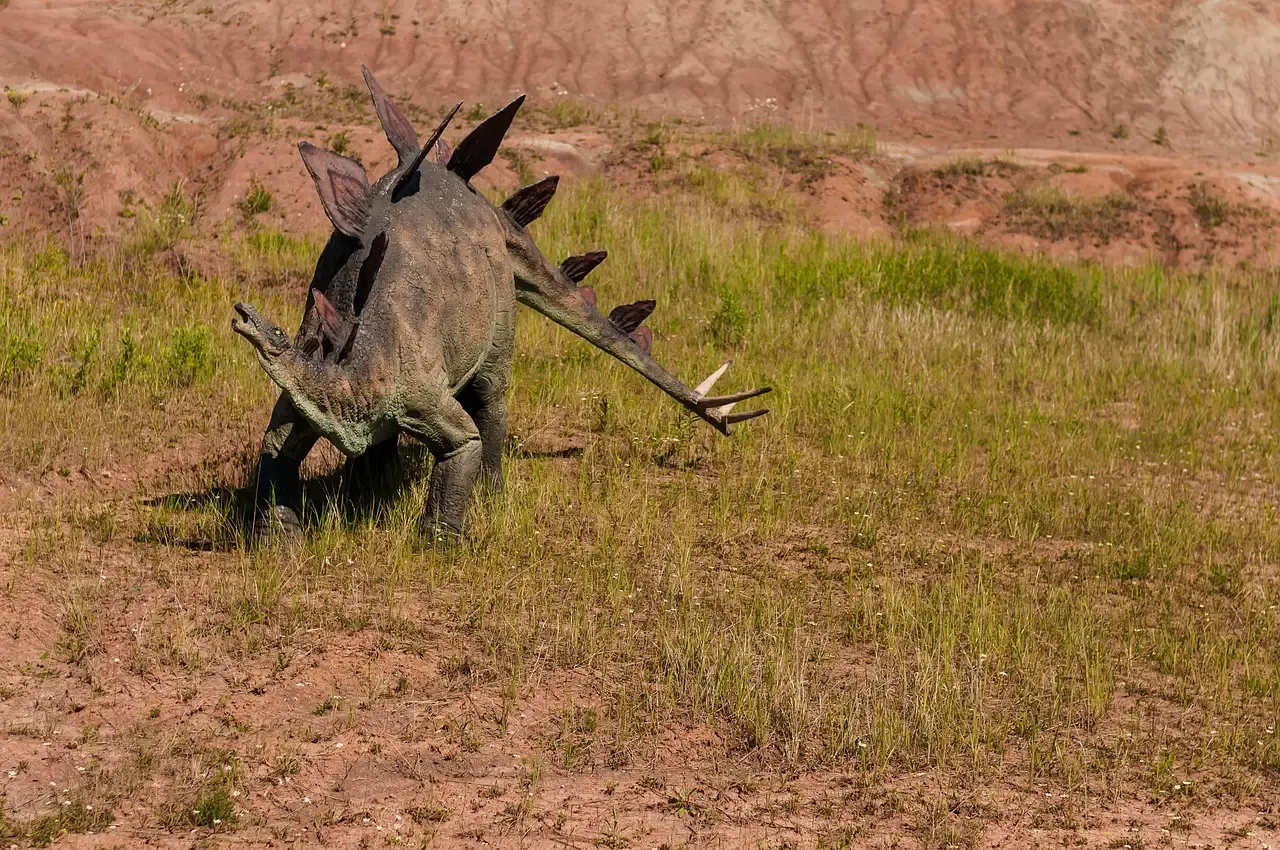
Stegosaurus is one of those dinosaurs you think you already know. Plates on its back, a slow-moving creature that grazed the Jurassic fern fields. But even this well-known plant-eater holds surprises. A slow-moving dinosaur of the Late Jurassic period, Stegosaurus munched on plants such as ferns, mosses, cycads, horsetails and fruit. It used its beak to snip leaves from its preferred trees and shrubs, which it then ground down with peg-like teeth further back in its jaws. There’s something almost delicate about that description.
Then there’s Parasaurolophus, arguably one of the most underrated dinosaurs in the entire prehistoric record. Unlike other plant-eating dinosaurs, its crest wasn’t just for display – it contained a complex network of hollow tubes that may have allowed it to produce deep, resonating calls to communicate over long distances. Fossil evidence suggests it was highly adaptable, able to switch between walking on two legs or four, making it an efficient browser of both low and mid-height vegetation. A dinosaur that could call across a valley and switch its walking style depending on the terrain? That’s not primitive. That’s sophisticated.
Their Role in Shaping the World Around Them
It would be a mistake to see herbivore dinosaurs as just passive members of their ecosystems. They were, in a very real sense, the architects of the prehistoric world. Herbivorous dinosaurs not only consumed vast amounts of vegetation but also contributed to shaping the prehistoric landscape. Their feeding habits helped in the dispersal of seeds, contributing to the diversity of plant life during their era. Think of them the way we think of elephants today – landscape engineers that create pathways, open clearings, and foster biodiversity simply by existing and eating.
By consuming plants and spreading seeds through their droppings, herbivorous dinosaurs played a vital role in maintaining the balance of the prehistoric ecosystem. There’s even evidence that a 66-million-year-old sauropod fossil poo from India contained traces of grass – the earliest evidence yet for this plant. In other words, these gentle giants may have literally helped grass spread across the ancient world. That’s a legacy worth talking about. Without them, the world you live in might look dramatically different today.
Conclusion: The Real Giants Were Never the Ones You Feared
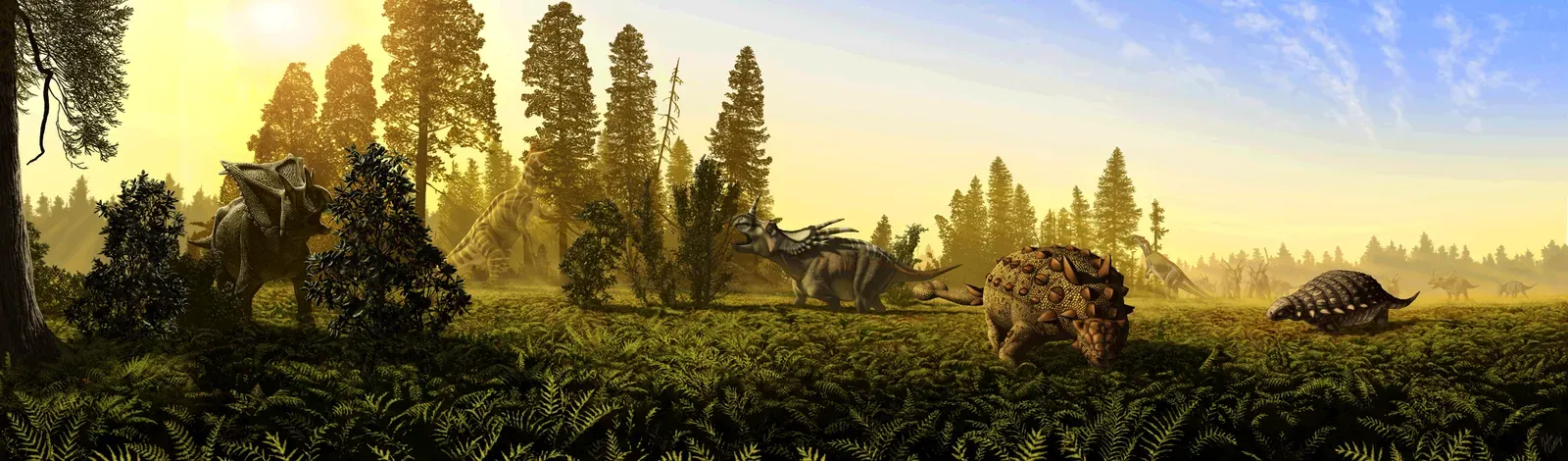
There’s a lesson hiding in the prehistoric record that goes well beyond paleontology. The animals that dominated the Mesozoic in terms of numbers, ecological impact, and behavioral complexity weren’t the ones with the sharpest teeth. They were the ones grazing quietly in vast herds, raising their young in organized nurseries, and engineering entire landscapes through nothing more than appetite and movement.
Herbivore dinosaurs were not sideline characters in a carnivore’s story. They were the main event. Next time you picture the age of dinosaurs, maybe let yourself see the ferns trembling as a herd of Diplodocus rolls past like a slow-moving river, or hear the distant resonant call of a Parasaurolophus echoing through a valley. That’s the real prehistoric world. And honestly – isn’t it even more remarkable than the version we were told?
What do you think? Has your image of the dinosaur world shifted? Share your thoughts in the comments below.