Everything you thought you knew about dinosaurs being slow, dim-witted, lumbering reptiles might be spectacularly wrong. For decades, popular culture painted them as little more than biological wrecking machines – all muscle and appetite, driven by nothing more complex than hunger and instinct. That image is crumbling fast.
What modern paleontology is uncovering from fossilized bones, braincases, trackways, and ancient nesting sites is painting a wildly different portrait. These were, at least in some cases, animals capable of strategic thought, social behavior, parental care, and extraordinary sensory processing. Let’s dive in.
The Brain Cavity Revolution: Reading Minds Through Stone
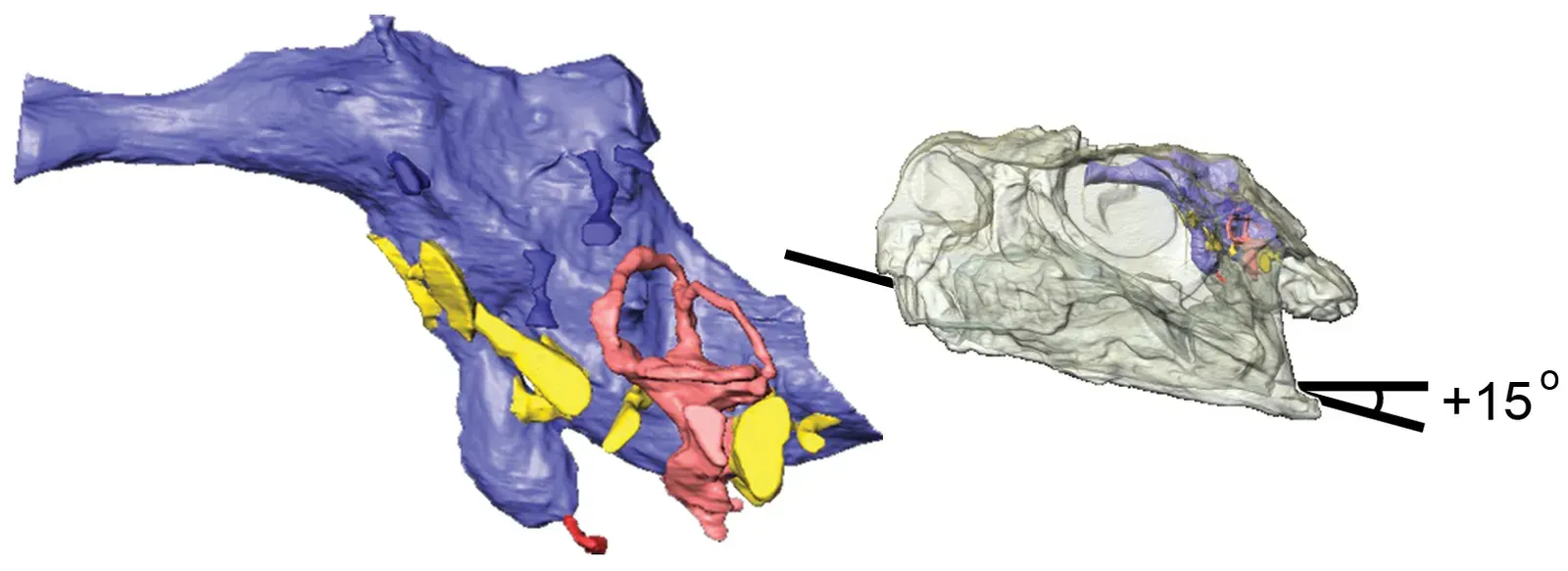
You can’t fossilize a brain. That soft, delicate tissue disappears almost immediately after death, leaving no trace behind in the rock record. Yet scientists have found a remarkable workaround – the endocast. Information on dinosaur brains comes from mineral infillings of the brain cavity, termed endocasts, as well as the shapes of the cavities themselves. Think of it like finding a mold of a key and deducing the lock’s shape from it alone.
Recent research utilizing computed tomography (CT) has enabled scientists to create accurate models of dinosaur brains, allowing for more comprehensive analyses of their cognitive capacities. This technology has been genuinely transformative. CT scans have given considerable new help in figuring out how dinosaurs lived and operated, helping reveal the development of different lobes of the brain as recorded in the endocast – and the structure of vertebrate brains is fairly conserved across the clade, so we can identify which sections apply to which function.
Troodon: The Einstein of the Mesozoic Era
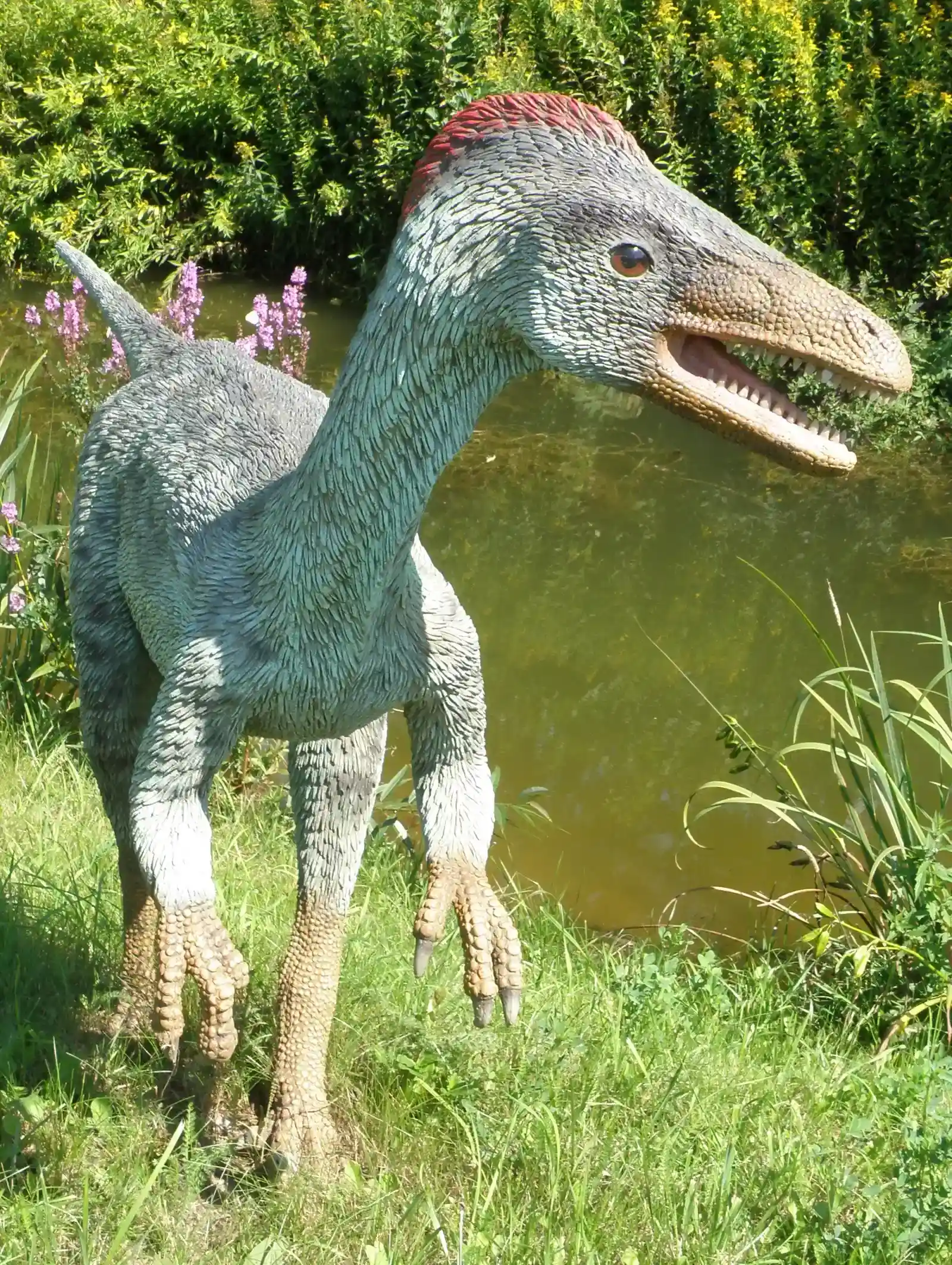
If you had to crown one dinosaur as the undisputed brain champion of the prehistoric world, most paleontologists would point you toward the same candidate without hesitation. Often considered the Einstein of dinosaurs, Troodon had a relatively large brain for its body size, and fossil evidence suggests it had excellent eyesight, stereo vision, and a keen sense of hearing. For a creature that roamed the earth roughly 75 million years ago, that is a remarkable sensory toolkit.
Its enlarged cerebral hemispheres, regions associated with higher-order processing in modern animals, suggest that it might have been capable of learning and memory retention. While its exact behaviors remain speculative, its neural architecture sets it apart as one of the most cognitively advanced dinosaurs. Honestly, when you think about a small predator navigating complex forested environments at night while tracking prey, memory and learning aren’t just luxuries – they’re survival tools.
Tyrannosaurus Rex: More Than Just a Monster With Teeth
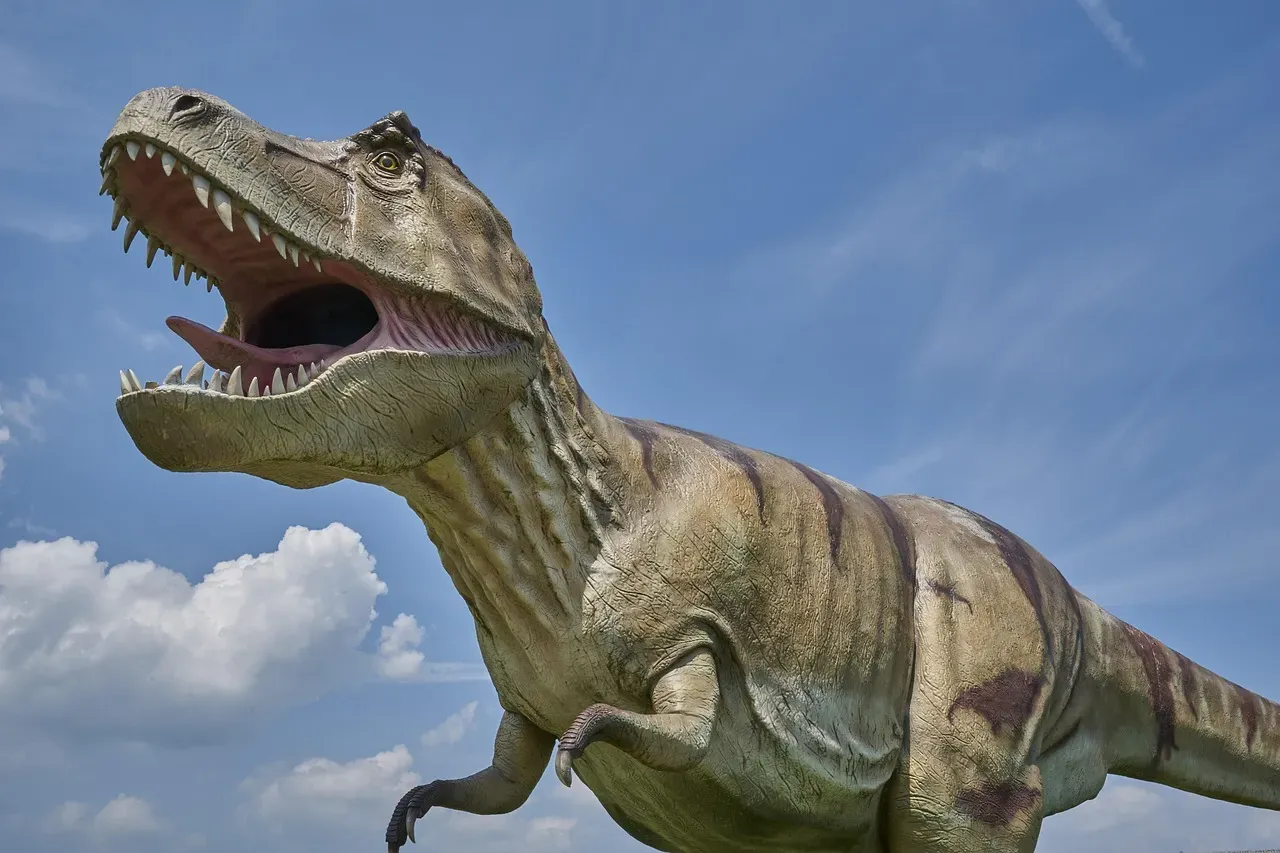
Let’s be real – T. rex has always been the ultimate symbol of prehistoric destruction. But there’s growing scientific interest in whether the world’s most famous predator was also considerably smarter than its reputation suggests. T. rex, with its brain weighing one-third of 1 kilogram, had an estimated 3.3 billion cortical neurons – a higher density than baboons, according to researcher Herculano-Houzel. That is a startling comparison by any measure.
Still, the scientific debate around this is very much alive. Researchers have argued that to reliably reconstruct the biology of long-extinct species, scientists should look at multiple lines of evidence, including skeletal anatomy, bone histology, the behavior of living relatives, and trace fossils. Determining the intelligence of dinosaurs and other extinct animals is best done using many lines of evidence ranging from gross anatomy to fossil footprints instead of relying on neuron number estimates alone. So take the primate comparisons with appropriate curiosity – and a pinch of caution.
Velociraptor: Clever Predator or Misunderstood Movie Star?
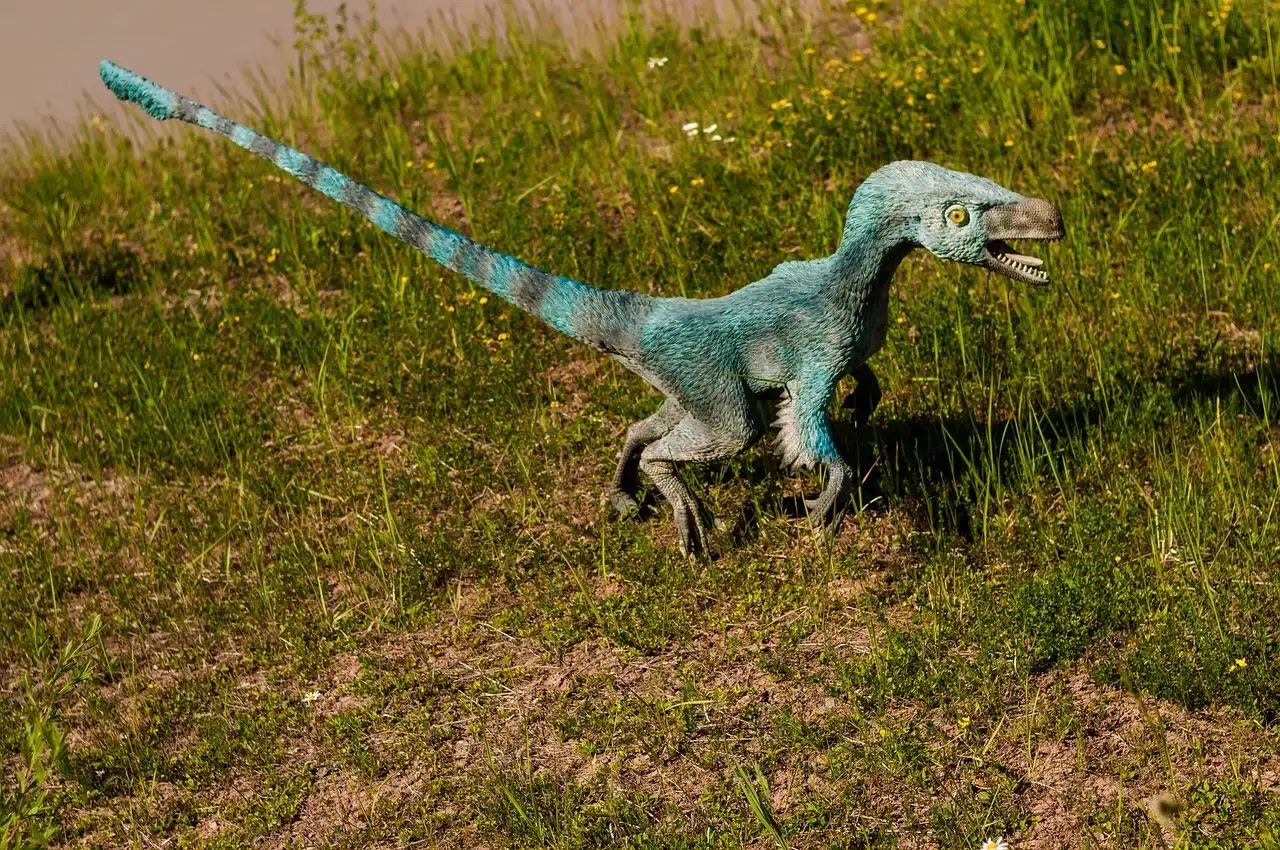
Few creatures in popular science have been more dramatically misrepresented than the Velociraptor. The version you saw in Jurassic Park was physically wrong – but was it cognitively wrong too? Like other dromaeosaurids, Velociraptor had a relatively large brain case for its size, and was therefore probably among the most intelligent of dinosaurs. According to paleontologist James Allen Hopson from the University of Chicago, dromaeosaurids like Velociraptor had encephalization quotients of 5.8 – the maximum figure he calculated for any dinosaur.
Here’s the thing – that EQ figure is genuinely impressive in prehistoric context. In comparison, stegosaurs and ankylosaurs, for instance, had EQs of less than 1. So Velociraptor wasn’t just smarter than average – it was potentially in a completely different cognitive league from many of its contemporaries. Its intelligence was noted to be relatively high compared to other dinosaurs, with a brain size suggesting advanced cognitive abilities.
Fossil Footprints: When Tracks Tell the Whole Story
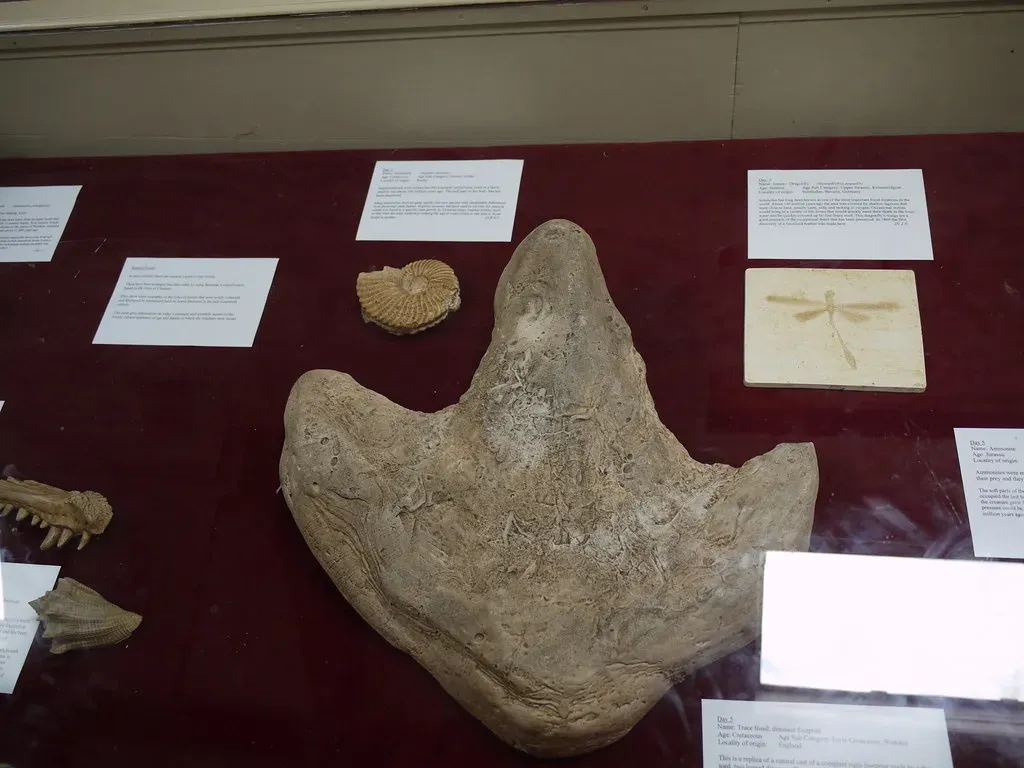
Bones get all the attention, but you could argue that dinosaur footprints are actually more revealing about intelligence than skulls are. Tracks capture behavior frozen in time – actual moments of living, moving, deciding. As one neuroscientist studying fossil footprints noted, you can learn a lot about dinosaur behavior from their tracks, and that indirectly gives us some insights into their intelligence and therefore their brains.
What ancient tracks tell researchers is that these predatory dinosaurs were cognitively and behaviorally very much like birds, not like crocodiles or other reptiles. These dinosaurs must have had bird-like cognitive abilities for complex social behaviors, parenting, and even cooperative hunting strategies. And the evidence for coordinated group movement in some species is hard to dismiss. Fossil footprints made by three different individuals walking together in a group suggest that predatory monsters may have been hunting in packs.
Parental Care and Nesting: A Sign of Social Intelligence
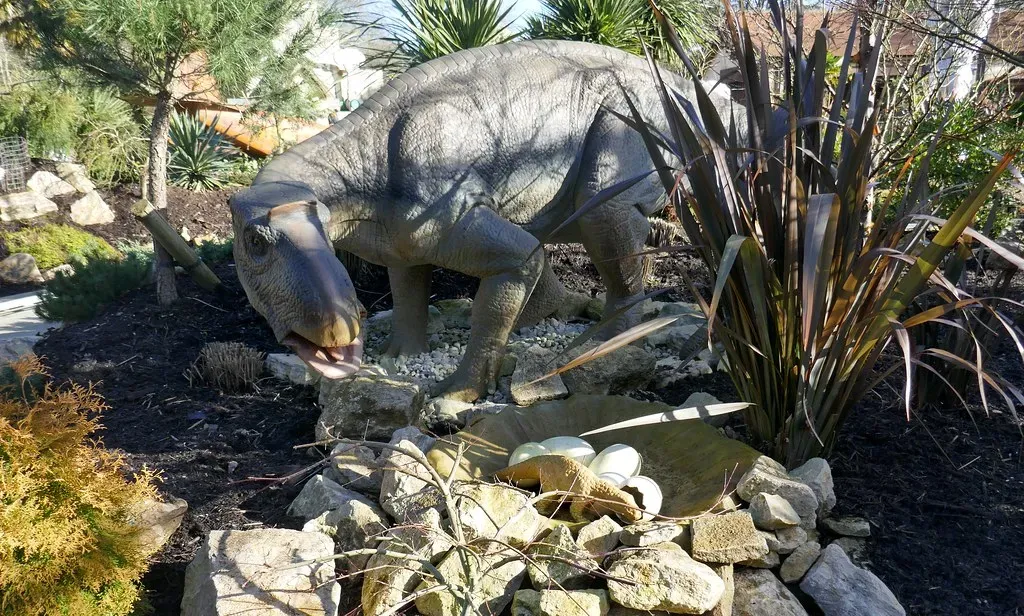
One of the most emotionally striking pieces of evidence for dinosaur intelligence comes not from predators, but from parents. Parental care requires memory, planning, and emotional investment – cognitive traits we rarely associate with creatures we imagine as cold-blooded killing machines. The discovery and study of dinosaur nesting sites has indicated that theropod, sauropod, and ornithopod dinosaur species nested in groups and engaged in maternal care of hatchlings, with some evidence suggesting bi-parental care.
The name Maiasaura means “good mother lizard,” and fossil nests show evidence of parental care. This herbivore from the Late Cretaceous lived in large herds, possibly to protect young from predators. While not a predator, Maiasaura had a brain capable of complex social behavior, which suggests intelligence beyond simple survival instincts. It’s hard not to feel something reading that. These were not mindless machines – they were, in some meaningful sense, families.
The Bird Connection: Intelligence That Survived Extinction

Here’s a thought that still stops people in their tracks when they first encounter it: birds are, in the most technical and accurate sense, dinosaurs. They are the living descendants of theropod dinosaurs, and they carry cognitive traits that very likely stretch back into the Mesozoic. Analysis of brain size relative to body size reinforces the conclusion that at least some dinosaur species rivaled living birds and mammals in behavioral sophistication.
Many birds demonstrate advanced cognitive abilities, such as corvids (crows and their relatives) using tools. Crows have much smaller brains than most monkeys and far fewer cerebral neurons, but they can outperform some primates when it comes to cognitive assessment tasks. If their dinosaur ancestors shared even a fraction of this capacity, the implications for how we view prehistoric life are enormous. What is clear from research is that dinosaurs were among the most complex and intelligent animals in the Mesozoic, and their ancestors, the birds, have evolved into some of the most intelligent animals in the modern world.
The Accelerating Science: New Tools, New Truths
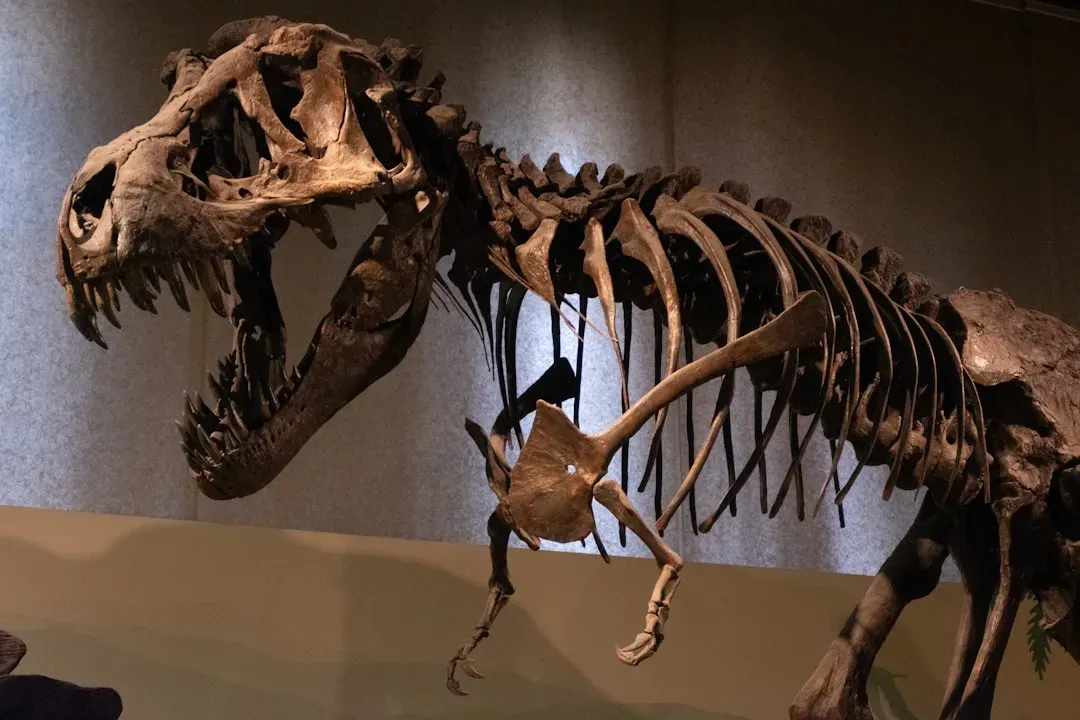
Perhaps the most exciting part of all this is how quickly our understanding is changing – and how much more we’re likely to discover. A golden era in dinosaur science is driving global fascination with these creatures, and around 1,400 dinosaur species are now known from more than 90 countries, with the rate of discovery accelerating in the last two decades. That pace is genuinely thrilling for anyone who follows this field.
The application of remote sensing and drone imaging to help narrow down the best areas to prospect, three-dimensional scanning to record fossils in the field and in the laboratory, and artificial intelligence and machine learning applied to help identify problematic fossils could revolutionize the field in the future. Honestly, we are living in the golden age of dinosaur science. Our understanding of dinosaur behavior has long been hampered by the inevitable lack of evidence from animals that went extinct more than sixty-five million years ago, but today, with the discovery of new specimens and the development of cutting-edge techniques, paleontologists are making major advances in reconstructing how dinosaurs lived and acted.
Conclusion
The old image of the dinosaur as a slow, brainless reptile has been thoroughly and irreversibly dismantled. What you’re seeing from paleontology in 2026 is the emergence of something far richer: a picture of creatures that navigated complex social environments, raised their young, potentially coordinated hunts, and possessed sensory capabilities that rival many animals alive today. They weren’t thinking like humans – but they were thinking.
The more fossils we unearth, the more the ancient world surprises us. These animals ruled the Earth for roughly 165 million years, and intelligence, in its many forms, was almost certainly part of how they did it. The real question isn’t whether dinosaurs were smarter than we thought. The question is: how much more are we still about to discover? What do you think – does this change how you see these ancient creatures? Share your thoughts in the comments below.