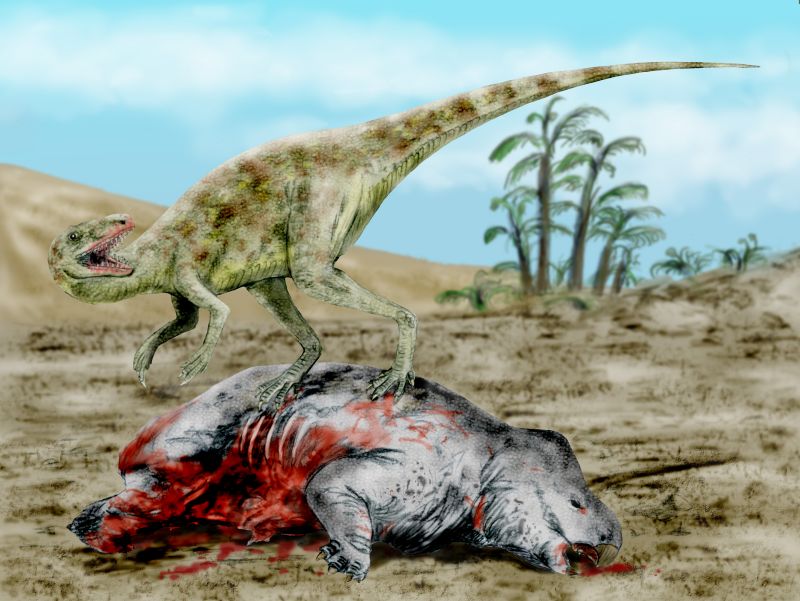
Few chapters in Earth’s history are as jaw-dropping as the reign of the dinosaurs. These animals didn’t just survive for a geological blink. They dominated our planet for roughly 165 million years, spreading into nearly every corner of the world, from sweltering coastal plains to what we now know were freezing polar environments. That kind of endurance doesn’t happen by accident.
What’s even more remarkable is how much we’re still learning. Thanks to a wave of extraordinary fossil discoveries in recent years, scientists are peeling back layers of prehistoric mystery with increasing precision. The picture that’s emerging isn’t of a world full of slow, thundering lizards. It’s something far more complex, nuanced, and honestly, more astonishing. Let’s dive in.
A Golden Age of Discovery Is Rewriting the Rules
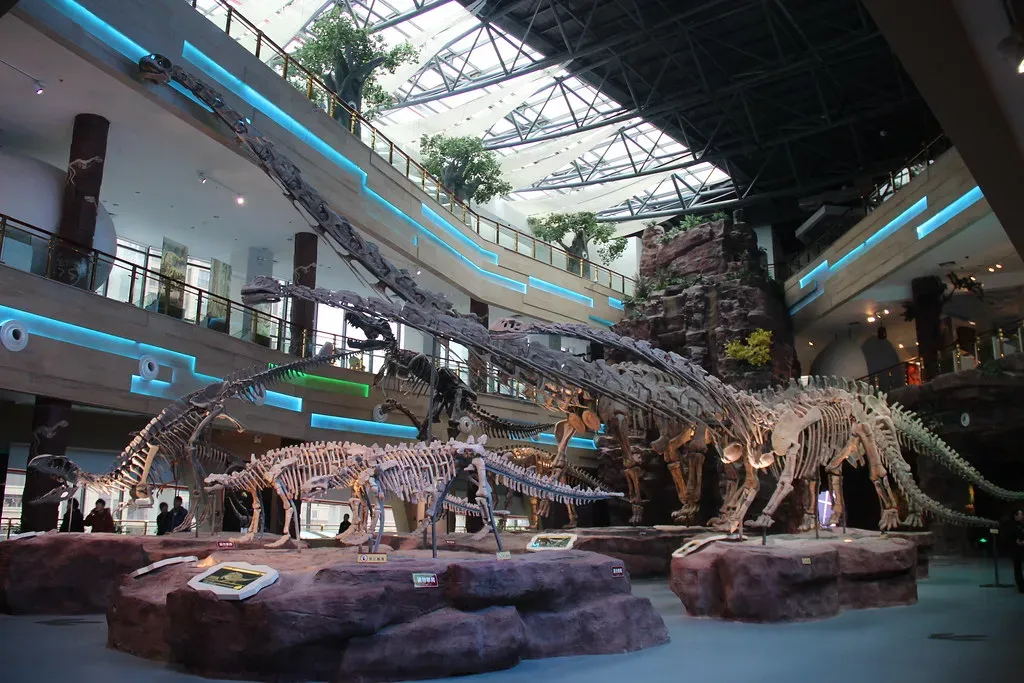
Here’s the thing – we are living through what many paleontologists are calling a golden era in dinosaur science. Around 1,400 dinosaur species are now known from more than 90 countries, with the rate of discovery accelerating in the last two decades. That’s not a small number. Think of it like finding out your neighborhood has been hiding thousands of undocumented residents for centuries.
The year 2025 alone saw the discovery of 44 new dinosaur species, nearly one a week, with many new finds coming from paleontological hotspots such as Argentina, China, Mongolia and the US, but also from unexpected places like a Serbian village and the rainswept coast of northwest Scotland. Each one of these species adds a piece to a puzzle that grows more intricate the more you look at it.
As technology and scientific methods have advanced, the pace of dinosaur discoveries has only accelerated. In recent decades, new species have been unearthed in remote regions of the world, from the arid deserts of the American Southwest to the frozen tundra of the Arctic. Each new find has added to our understanding of the incredible diversity and adaptability of these ancient creatures, challenging our preconceptions and opening up new avenues of research.
Fossils Prove Dinosaurs Conquered Extreme Climates
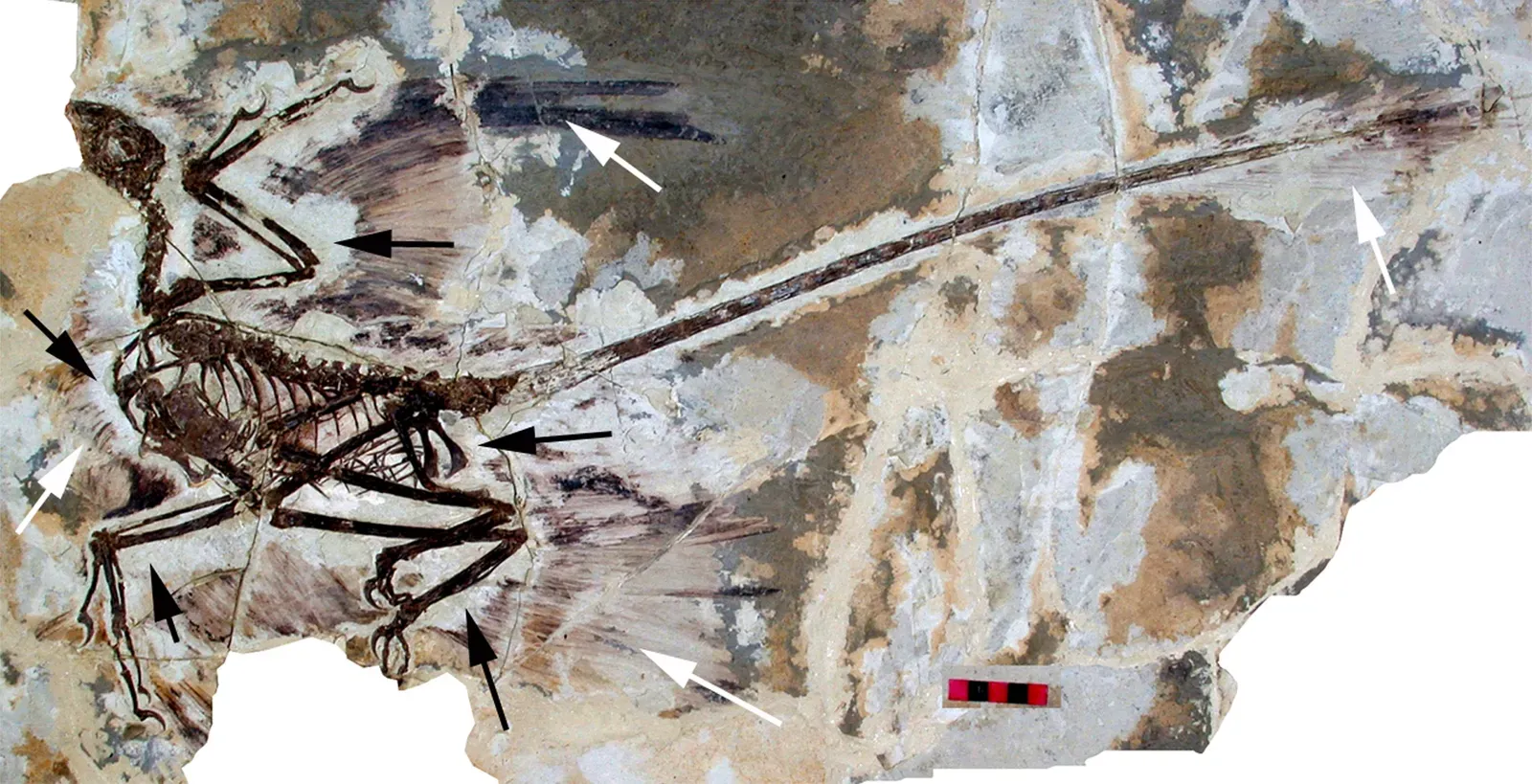
You might picture dinosaurs lounging in tropical heat, surrounded by ferns and steaming swamps. That image, honestly, needs updating. Recent research has shed light on the astonishing ability of dinosaurs to adapt to cold climates, challenging the traditional perception of them as inhabitants of warm, tropical jungles. Fossil evidence from northern regions, such as northwest China, suggests that dinosaurs not only survived but thrived in freezing conditions.
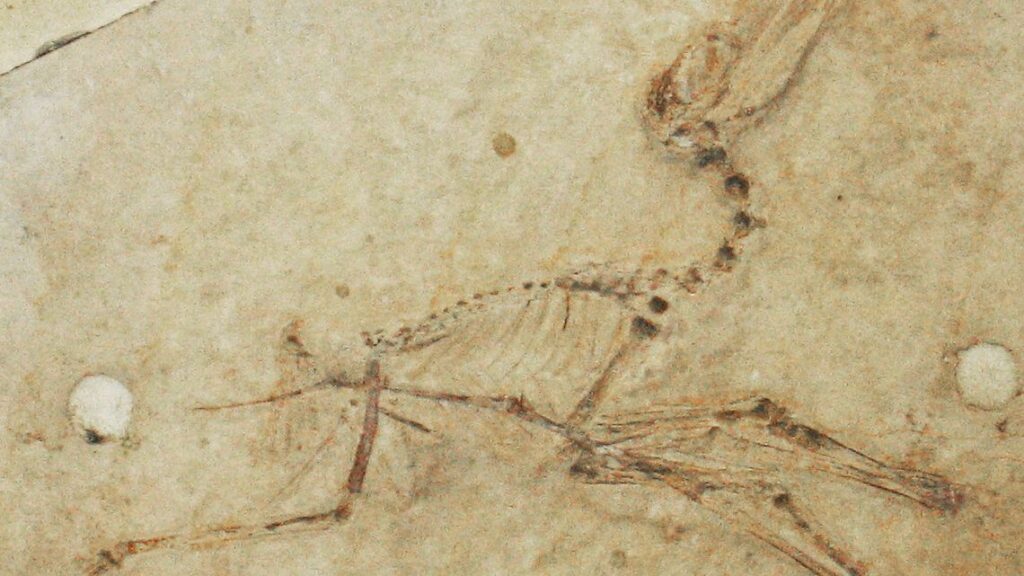
The discovery of fuzzy feathers on dinosaur specimens, similar to insulation found in modern birds, provides crucial insight into their ability to cope with the cold and expand into new territories when other animals couldn’t. It’s a bit like discovering your tough neighbor has been secretly wearing thermal gear the whole time. Scientists now believe that dinosaurs flourished in a wide range of habitats, from the frozen Arctic to the sweltering desert.
Footprints and Trackways Tell Stories Bones Cannot
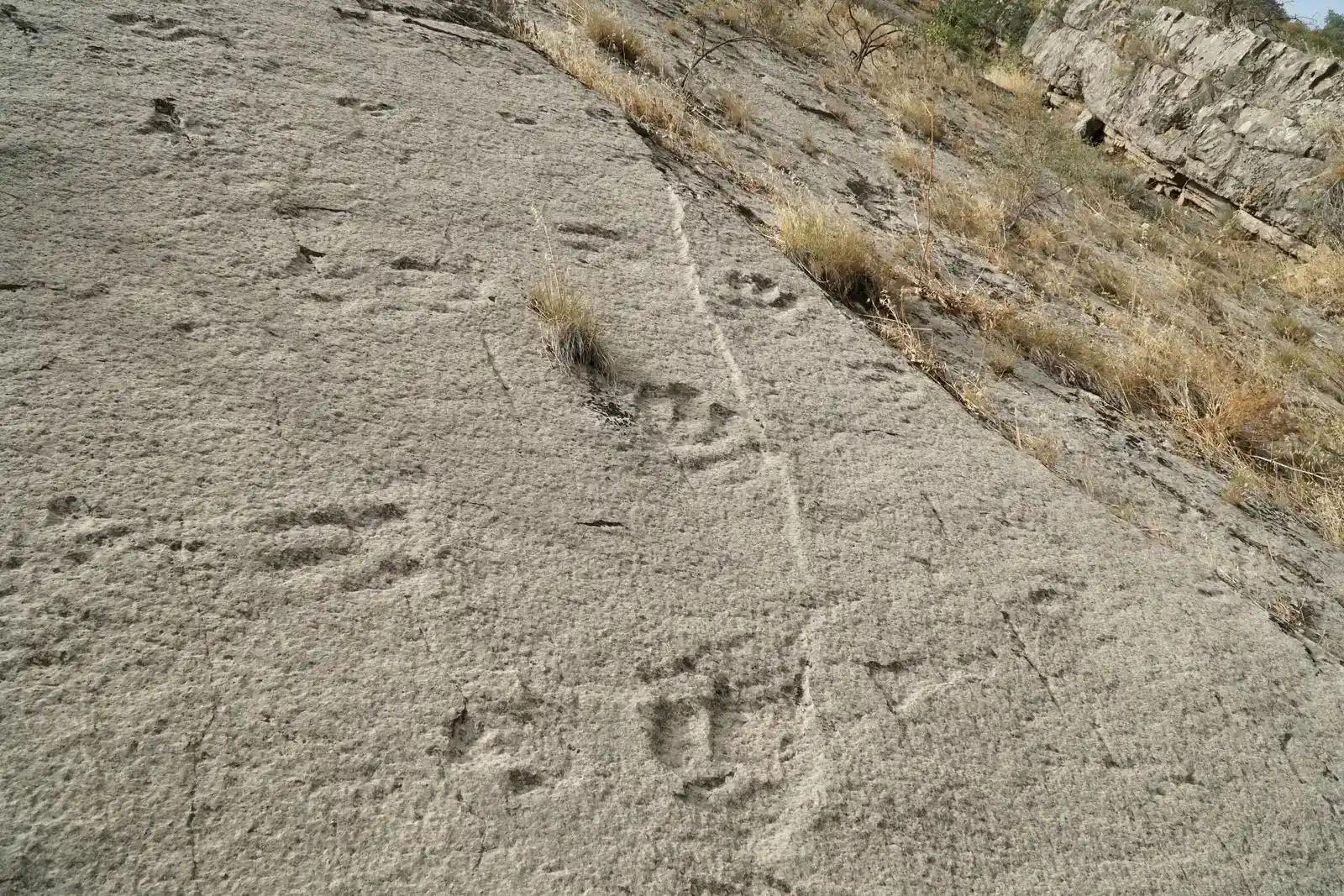
The clues to what dinosaurs were like are found in fossils, including the ancient remains of an organism such as teeth, bone, or shell, as well as evidence of animal activity such as footprints and trackways. Everything we know about non-avian dinosaurs is based on fossils, which include bones, teeth, footprints, tracks, eggs, and skin impressions. Think of it as reading a diary written in stone.
Dinosaur footprints reveal the size of the animal and how it walked, whether on two legs or four. The stride length can also be used to calculate how fast the dinosaur was moving. In a stunning 2025 find, researchers revealed hundreds more footprints in an enormous “dinosaur highway” first uncovered a year earlier in Oxfordshire, UK. Imagine a prehistoric rush hour, pressed permanently into the earth for us to find millions of years later.
Behavioral Fossils Show Social Lives More Complex Than Imagined
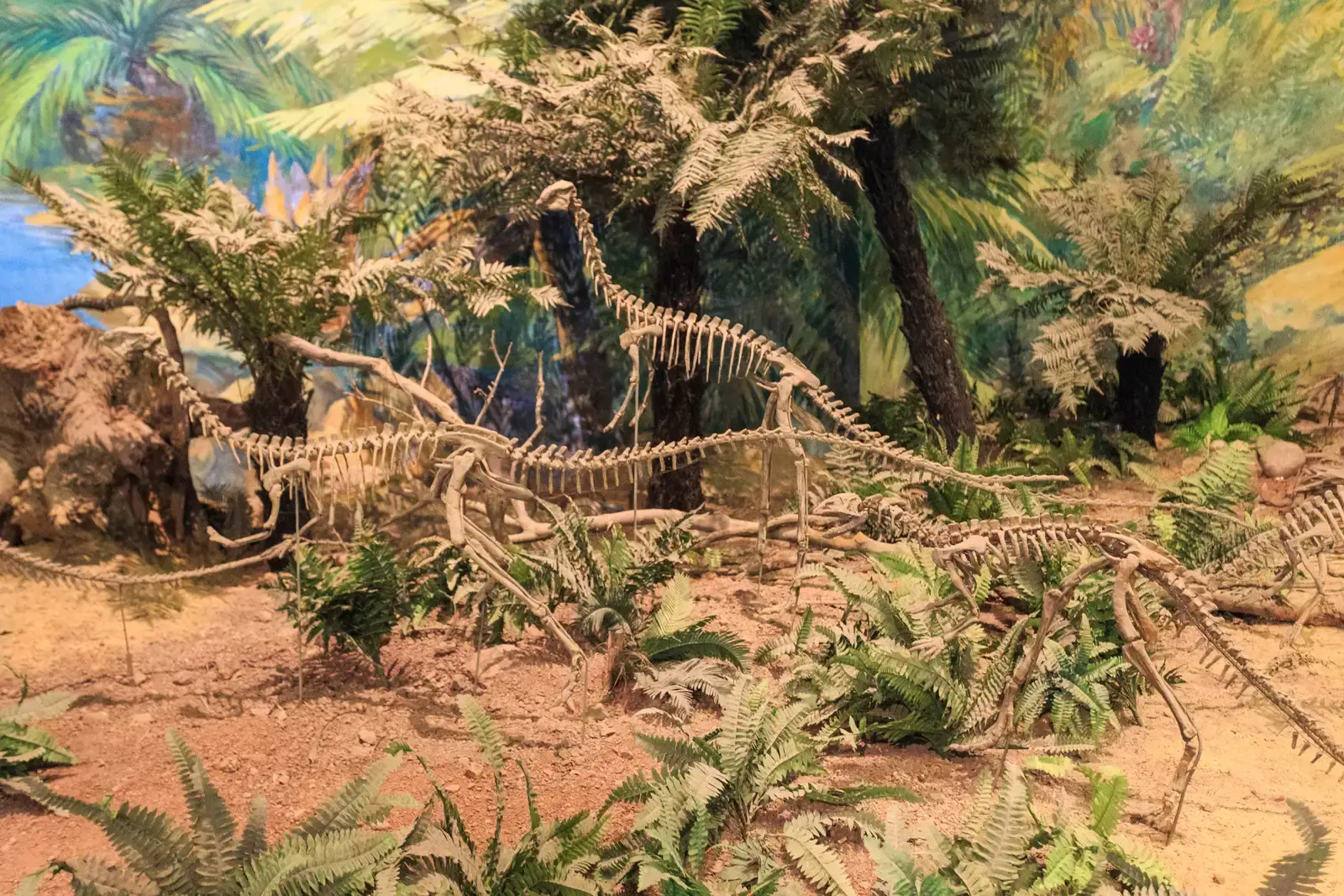
It’s tempting to imagine dinosaurs as solitary, brutish killers. The fossil record increasingly tells a far more layered story. Most research conducted since the 1970s has indicated that dinosaurs were active animals with elevated metabolisms and numerous adaptations for social interaction. That’s a dramatic shift from the sluggish, cold-blooded stereotype that dominated most of the 20th century.
Many species exhibited social behaviors such as living or hunting in groups. Herbivorous dinosaurs like Hadrosaurs traveled in herds for protection against predators, evidence points to some carnivores cooperating during hunts to increase success rates, and fossilized nests suggest many species cared for their young after hatching, increasing offspring survival rates. When you add all of that together, you start to see creatures that were, in their own way, impressively organized.
The Nanotyrannus Bombshell and What It Means for Ecosystem Understanding
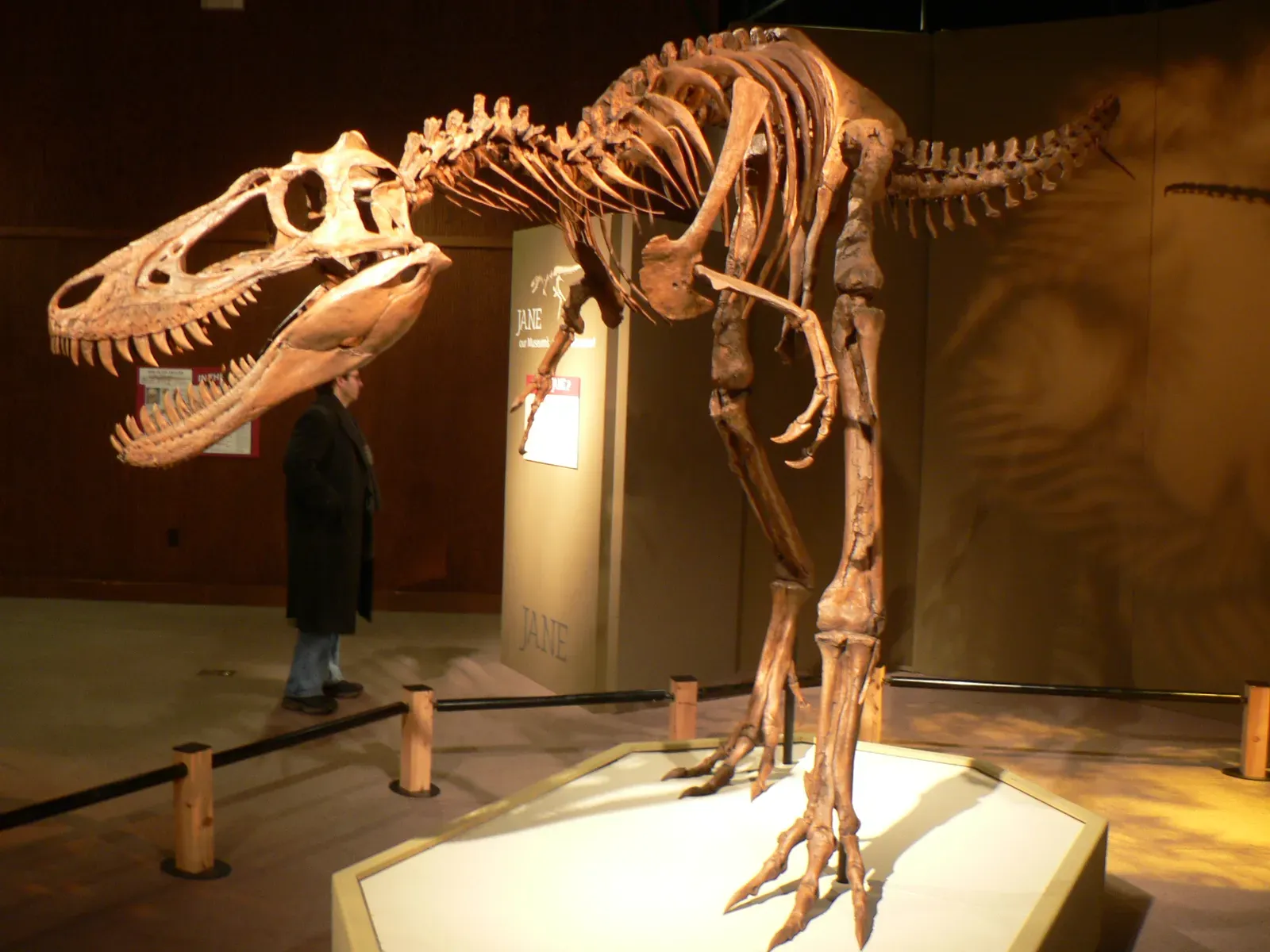
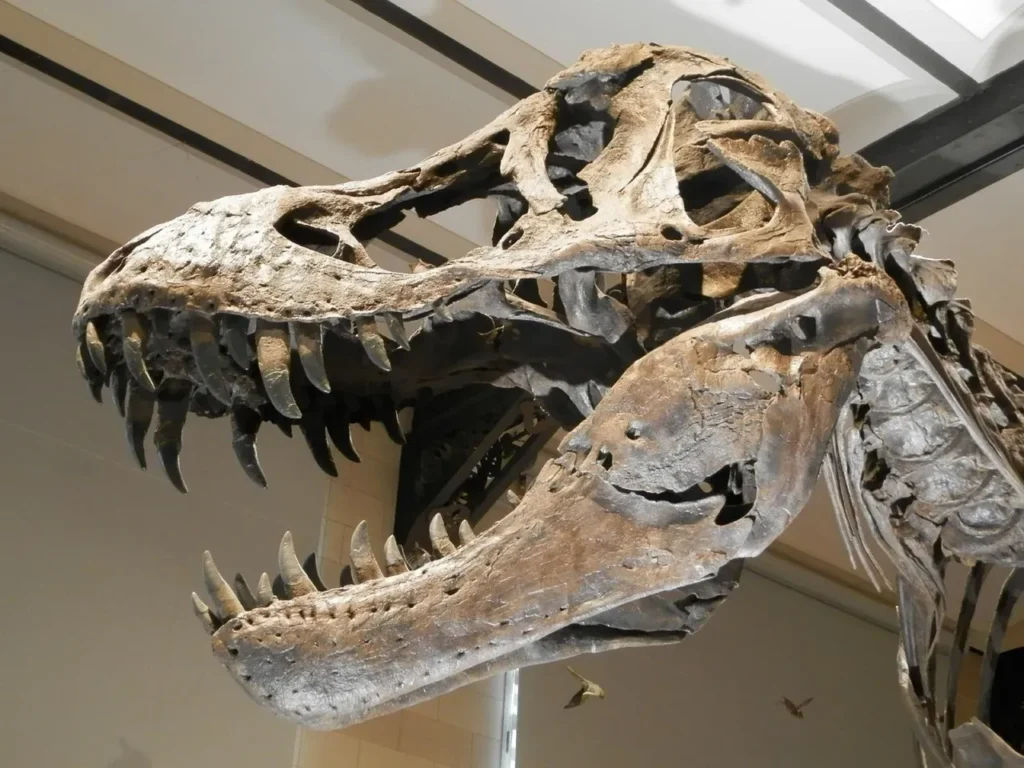
Uploaded by FunkMonk, CC BY-SA 2.0)
Few recent discoveries have shaken paleontology quite like the Nanotyrannus confirmation. For many years, one of the fiercest debates in dinosaur paleontology has been about Nanotyrannus, a 66-million-year-old predator from Montana. Nanotyrannus was first named in 1988 and suggested to be a small tyrannosaurid, around 5 meters long, that lived alongside the giant Tyrannosaurus rex. Many other paleontologists disagreed, suggesting that fossils of Nanotyrannus were just young individuals of T. rex.
In 2025, paleontologists Lindsay Zanno and James Napoli published a description of a new Nanotyrannus fossil specimen, preserved as part of the Dueling Dinosaurs fossil alongside a herbivorous Triceratops. They showed that this Nanotyrannus was nearly an adult, but also different from T. rex in many ways that cannot be explained by growth, including a longer hand. A subsequent study on the original Nanotyrannus demonstrated that this specimen was also fully grown. Multiple tyrannosaur species coexisted in the last million years before the asteroid impact, suggesting a richer, more competitive ecosystem than previously imagined.
Regional Bioprovinces Reveal How Dinosaurs Carved Up Continents
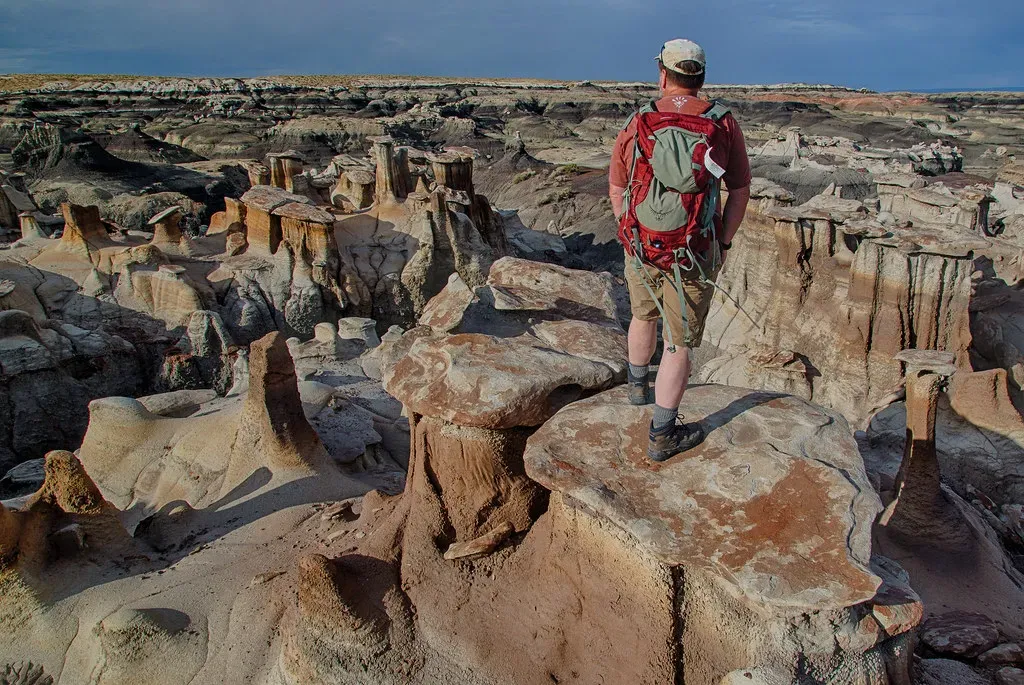
I think one of the most stunning revelations of the last few years is how geographically sophisticated dinosaur populations truly were. It’s not that they simply spread out randomly. Instead of dwindling, dinosaurs across North America were thriving in distinct regional communities. By analyzing ecological and geographic patterns, researchers found that dinosaur populations in western North America were divided into separate “bioprovinces” shaped primarily by regional temperature differences rather than by mountains or rivers.
In northwestern New Mexico, layers of rock preserve a hidden chapter of Earth’s history. In the Naashoibito Member of the Kirtland Formation, researchers uncovered evidence of vibrant dinosaur ecosystems that thrived until just before the asteroid impact. High-precision dating techniques revealed that fossils from these rocks are between 66.4 and 66 million years old, placing them in the catastrophic Cretaceous-Paleogene boundary. This counters the notion of a low-diversity cross-continental fauna and suggests that dinosaurs were diverse and partitioned into regionally distinct assemblages during the final few hundred thousand years before the end-Cretaceous asteroid impact.
Bizarre New Species Are Expanding What We Thought Possible
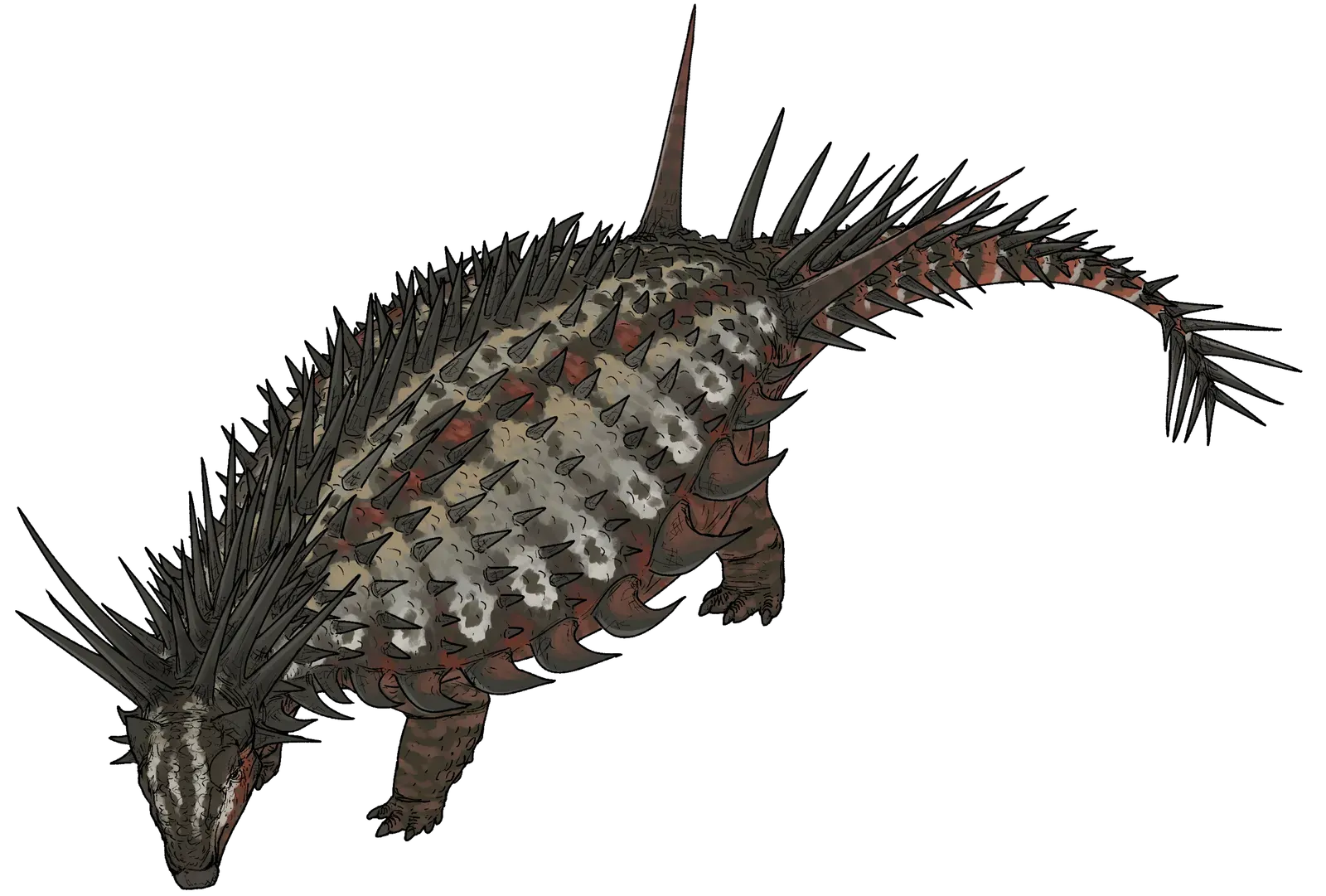
Let’s be real – some of the newest dinosaur species being described are almost too strange to believe. Spicomellus is the oldest known member of the ankylosaurs, heavily armored, low, and squat plant-eaters, with bizarre armor bristling with long spines all over the body, including a bony collar around the neck with spines the length of golf clubs sticking out of it. Dubbed the “punk rock dinosaur” by the BBC, Spicomellus is changing our understanding of ankylosaur evolution and also highlighting the importance of the Moroccan fossil record.
Then there’s the remarkable case of Lokiceratops from the ancient swamps of Montana. A new horned dinosaur found in the Cretaceous badlands of northern Montana reveals unexpectedly high diversity, suggesting elevated speciation rates and regional endemism in members of the group. While ceratopsian ancestors were widespread across the northern hemisphere throughout the Cretaceous period, their isolation on Laramidia led to the evolution of huge body sizes and distinctive patterns of horns. Fossils recovered from this region suggest horned dinosaurs were living and evolving in a small geographic area, a high level of endemism that implies dinosaur diversity is underestimated. I know it sounds crazy, but we may still be severely undercounting how many kinds of dinosaurs once roamed the Earth.
Conclusion: Dinosaurs Were Not on Their Way Out – They Were at Their Peak
Perhaps the most powerful lesson from all of this fossil evidence is one that challenges a very old assumption. For decades, many scientists believed dinosaurs were already dwindling in number and variety long before an asteroid strike sealed their fate 66 million years ago. New research published in the journal Science from Baylor University, New Mexico State University, the Smithsonian Institution and an international team is rewriting that story. The dinosaurs, it turns out, were not fading away. They were flourishing.
The study reshapes our understanding of the final days of the dinosaurs, revealing that diverse and thriving communities persisted right up until the asteroid impact that ended their reign. These weren’t creatures limping toward extinction. They were masters of their ecosystems, adapted to cold and heat, to forests and deserts, living in complex social structures, carved into regional communities as sophisticated as anything in the modern world.
The fossils are still coming. The technologies to read them are getting sharper every year. What else is buried out there, waiting to rewrite everything we thought we knew? Honestly, that might be the most exciting question in science right now. What surprises you most about how little we actually knew about these ancient rulers of Earth?