Zambia – A leg bone unearthed more than six decades ago in this southern African country has prompted paleontologists to reconsider the stature of the earliest dinosaurs and their kin. Discovered during a 1963 expedition focused on mammal-like reptiles, the fossil languished in a London museum until recent analysis revealed its extraordinary size. Researchers now argue that silesaurs, Triassic reptiles closely tied to dinosaur origins, achieved dimensions that challenge long-held views of a small-bodied beginning for the dinosaur lineage.
The Specimen That Defied Expectations
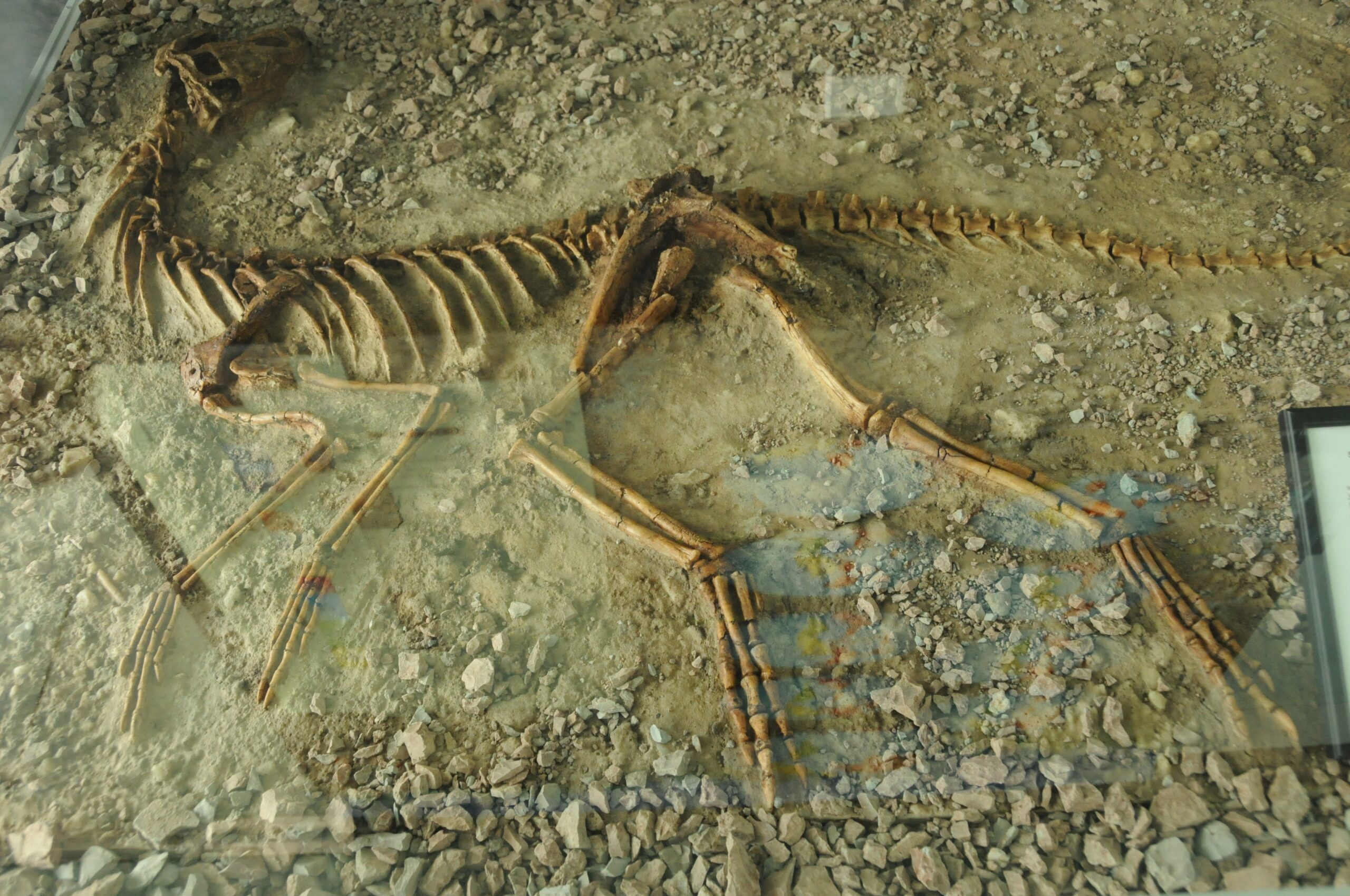
The Specimen That Defied Expectations (Image Credits: Upload.wikimedia.org)
Paleontologists revisited the partial femur, cataloged as NHMUK PV R37051, from Zambia’s Ntawere Formation. Dated to approximately 225 million years ago during the Triassic Period, the bone belonged to a silesaur, an extinct group of archosaurs. Jack Lovegrove, a PhD student at University College London, led the examination after a co-author rediscovered it in the Natural History Museum’s collections.
The fossil’s robust features stood out immediately. Estimated at a complete length of 266 millimeters with a margin of error of 18 millimeters, it ranked among the largest known silesaur specimens. This measurement nearly doubled the typical 150-millimeter femurs from the same site, signaling either advanced maturity or a distinct species. Osteohistological analysis ruled out simple age-related growth as the sole explanation, pointing to genuine size variation.
Lovegrove noted the broader context. “Some fragmentary fossils from the silesaurids and a group of early dinosaurs called the herrerasaurids suggest that these animals could grow much bigger than more complete remains suggest,” he stated. “As more large animals are found close to the origin of dinosaurs, it raises the possibility that the first dinosaur was bigger than we predicted.”
Unraveling the Silesaur Mystery
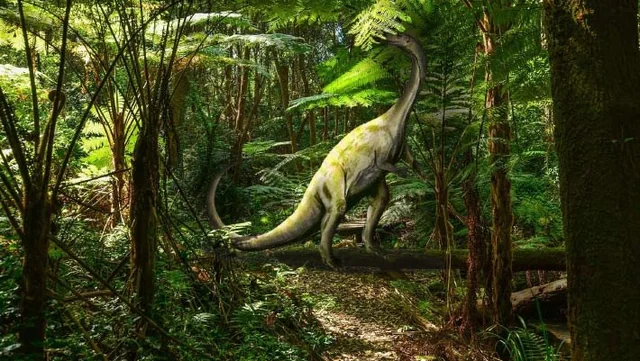
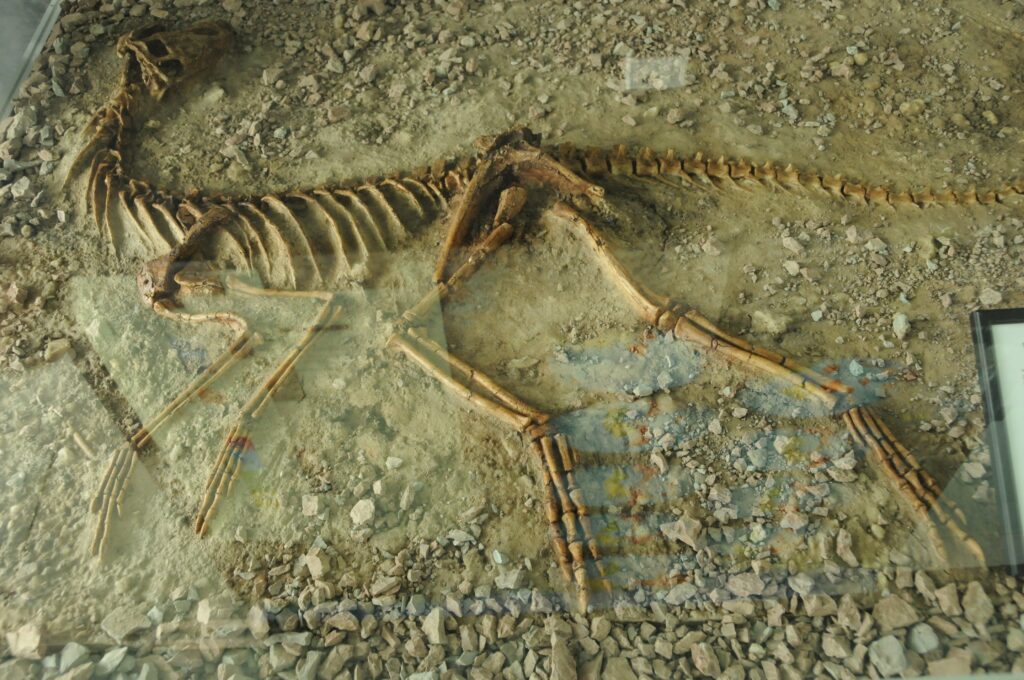
Silesaurs emerged around 240 million years ago and persisted until roughly 200 million years ago, populating regions from Europe to Africa and beyond. The most complete example, Silesaurus opolensis from Poland, measured about two meters in length with beak-like jaws suited for plants or insects. Yet fragmentary evidence hinted at greater diversity and scale.
Debate surrounds their exact place in evolution. Some analyses position silesaurs as the closest relatives to all dinosaurs, while others propose them as stem ornithischians, ancestral to groups like Triceratops. Their toothless lower jaw tips bolster the ornithischian link. In Zambia, dozens of silesaur femurs span a wide size range, from 60 to over 366 millimeters estimated length, complicating taxonomic assignments.
Only one species from the Ntawere Formation bears a formal name: Lutungutali sitwensis. However, the new study highlighted morphological differences, suggesting multiple coexisting forms rather than a single lineage’s growth series. This diversity implied silesaurs occupied varied niches in Triassic ecosystems.
Comparing Scales: A Size Breakdown
The Zambian find joins other oversized silesaur remains, painting a picture of unexpectedly burly early dinosauromorphs. Here’s a snapshot of key femoral lengths:
| Fossil Specimen | Estimated Length (mm) | Location |
|---|---|---|
| NHMUK PV R37051 | 266 ±18 | Zambia |
| NHCC LB54 | 370 | Zambia |
| NHMUK PV R16303 | 345 | Tanzania |
| CAPPA/UFSM 0513 | 227-269 | Brazil |
| Silesaurus opolensis (typical) | ~150-200 | Poland |
These measurements exceed those of many complete early dinosaurs, like basal sauropodomorphs. Large silesaurs likely outstripped dicynodont herbivores in height and length, though lighter in build, positioning them as dominant mid-level consumers.
- Silesaurs outnumbered other archosaurs in Zambian deposits.
- They may have shaped vegetation through browsing.
- Size parity with herrerasaurids blurred predator-prey lines.
- Global distribution spanned Pangea amid climatic shifts.
Shifting Paradigms in Dinosaur Origins
Traditional narratives depicted dinosaurs arising small amid larger competitors, gradually scaling up to giants. This fossil disrupts that script. Lovegrove proposed that some lineages shrank during the Late Triassic, with the common ancestor boasting substantial bulk. “If this is the case, then some groups of dinosaurs would have actually gotten smaller across the late Triassic,” he observed.
Such revisions extend to ecology. In parts of Gondwana, outsized silesaurs filled herbivore roles atop the food web, evading most predators once mature. A recent Brazilian specimen reinforced this pattern, confirming large forms persisted across continents despite faunal upheavals like the Carnian Pluvial Episode.
The study appeared in Royal Society Open Science, underscoring museum holdings’ value. Lovegrove emphasized: “This shows how important museum collections are at preserving specimens whose importance can be appreciated by future generations.”
Key Takeaways
- Silesaur fossils indicate body sizes rivaling early dinosaurs, altering origin timelines.
- Multiple species likely coexisted, boosting Triassic biodiversity.
- Large herbivores reshaped ecosystems before dinosaur dominance.
As excavations and reanalyses continue, silesaurs promise deeper insights into the dinosaur dawn. This Zambian relic reminds us that evolution’s early chapters hold surprises yet to unfold. What do you think this means for our understanding of prehistoric giants? Tell us in the comments.