Imagine standing in the middle of a Jurassic forest, surrounded by towering conifers, thick ferns, and the distant sound of something enormous crashing through the undergrowth. What’s it eating? That’s a question scientists have wrestled with for nearly two centuries, and honestly, the answers keep getting weirder and more fascinating the deeper you dig. You might think you already know the basics: T. rex ate meat, Brachiosaurus ate plants. Simple, right?
Wrong. The reality of what dinosaurs ate is far stranger, more complex, and more scientifically compelling than any Hollywood blockbuster has ever shown you. From fossilized poop to stomach stones and actual preserved last meals, the evidence is out there, waiting to upend your assumptions. Let’s dive in.
Teeth Don’t Lie: What Dinosaur Dentistry Tells You
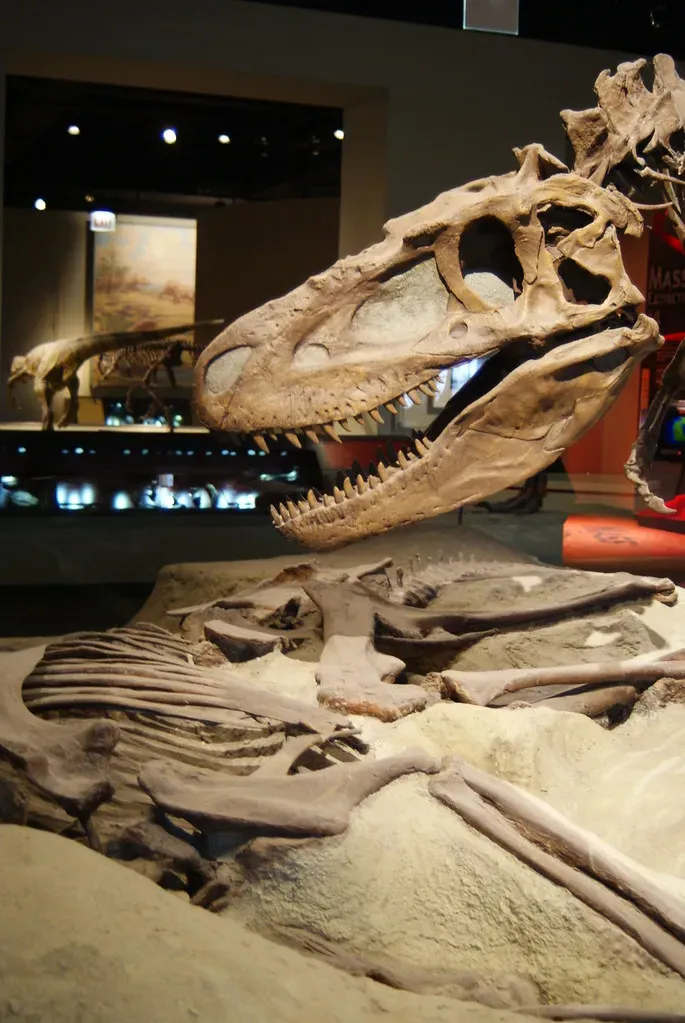
You can learn an astonishing amount about an animal just by studying its teeth. That principle holds just as true for creatures that died 66 million years ago as it does for any animal alive today. Paleontologists have long inferred the diets of extinct dinosaurs based on the shape of their teeth, with most dinosaurs sporting sharp, bladed, and serrated teeth belonging to the theropod group, who likely used them to slash prey and slice meat.
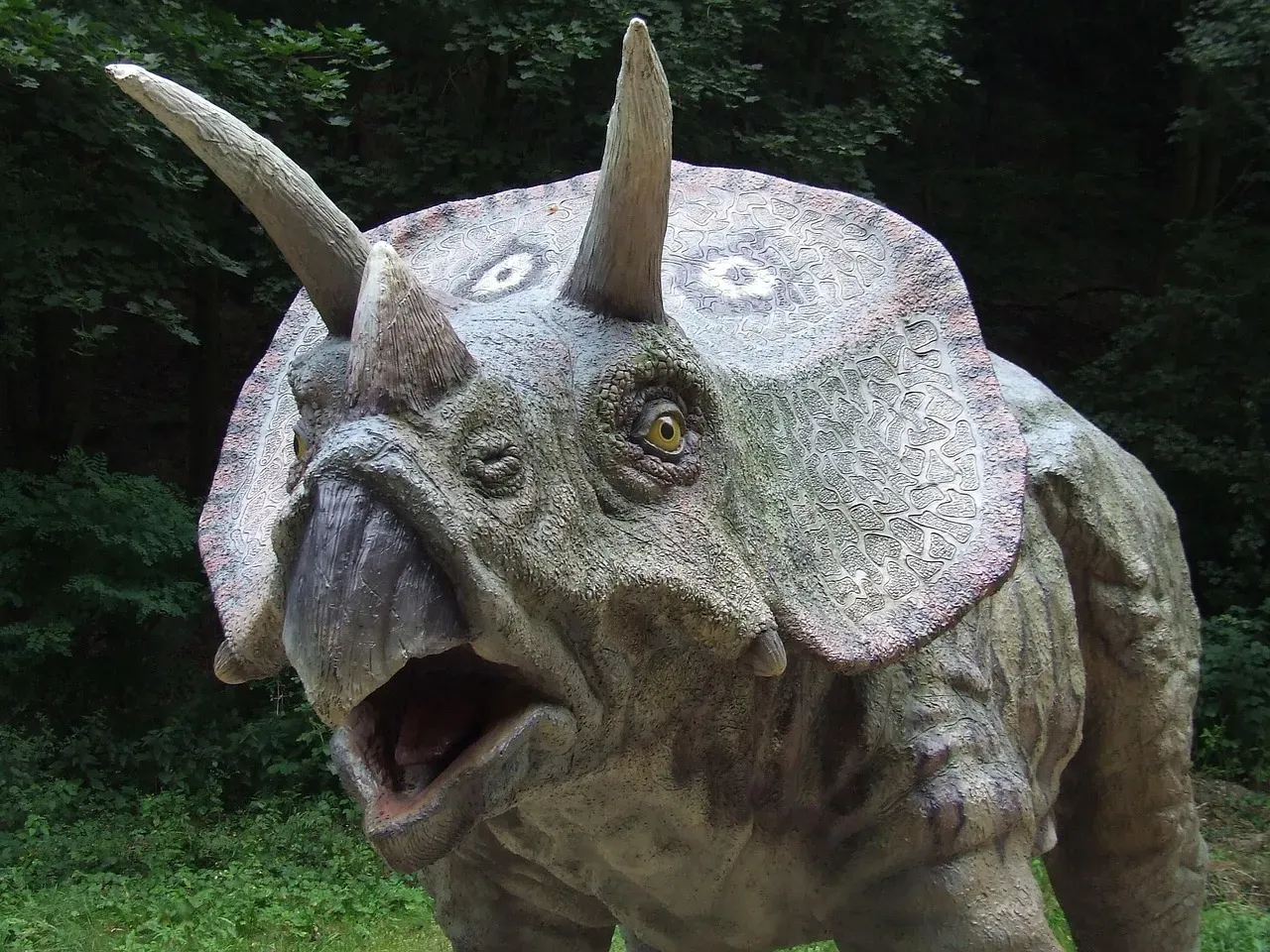
On the other side of the dining table, plant-eaters had a completely different toolkit. Plant-eating dinosaurs had teeth of various shapes designed for their particular diets: Triceratops, for example, had hundreds of teeth forming a solid wall with sharp ridges used to chop off vegetation, while others like Anatotitan had wide flat teeth to grind up tough vegetation. It’s the prehistoric equivalent of comparing a steak knife to a grain mill, and the distinction is crystal clear once you know what you’re looking for.
Coprolites: What Fossilized Poop Reveals About Prehistoric Menus
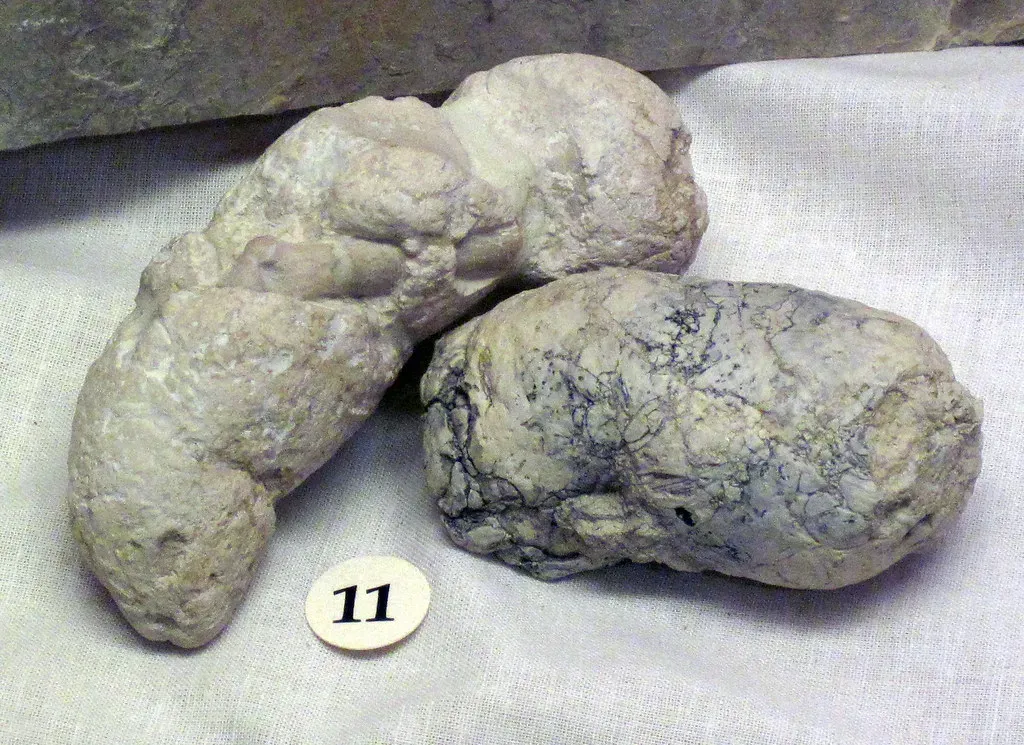
Here’s the thing, nobody gets excited about poop at a dinner party. In paleontology, though, fossilized feces are practically worth their weight in gold. A coprolite is fossilized feces, classified as a trace fossil rather than a body fossil, because it gives evidence of an animal’s behavior, specifically its diet, rather than its morphology. Think of it as nature’s own food diary, sealed in stone for millions of years, just waiting for a scientist with a very specific passion to crack it open.
The coprolites of early dinosaurs revealed an unexpected variety of diet that included fish, insects, large animals, plants, and even charcoal, with one species, the long-necked sauropods, possibly ingesting charcoal to detoxify their stomach contents. That detail alone is stunning. Imagine a creature the size of a school bus essentially self-medicating with charcoal to counteract the toxic ferns it was eating. The presence of well-digested bone in theropod coprolites also suggests these dinosaurs had strong stomach acids capable of breaking down hard materials.
The Reign of the Plant-Eaters: A World Dominated by Herbivores
You might picture the Mesozoic as a relentless bloodbath of giant predators hunting each other down. The truth is far more pastoral. Plant eaters have always outnumbered carnivores in any ecosystem, and most dinosaurs were herbivores because of how abundant plant life was. Think of it like a modern savanna, where you see dozens of zebras, wildebeest, and buffalo for every single lion.
Rocks containing dinosaur bones also contain fossil pollen and spores indicating hundreds to thousands of types of plants existed during the Mesozoic Era, many with edible leaves including evergreen conifers, ferns, mosses, horsetail rushes, cycads, ginkgos, and in the latter part of the dinosaur age, flowering plants. Herbivores fed exclusively on these plants, with famous examples including Diplodocus, whose elongated neck helped it reach high branches, and Triceratops, which used its large beak to cut tough plants. It was literally a world run by giants that preferred salad.
Stomach Stones and Grinding Gear: How Herbivores Digested Their Meals
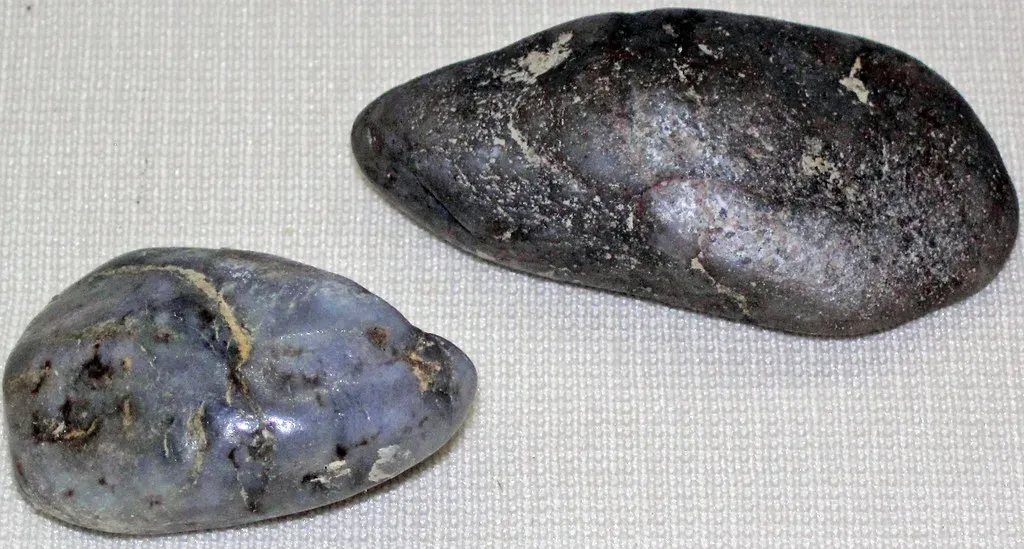
Here’s something that sounds almost too strange to be real. Some dinosaurs swallowed rocks on purpose. Gastroliths helped dinosaurs, particularly herbivores, break down tough plant material by acting as grinding stones in their stomachs, working in combination with muscle contractions to crush and macerate fibrous plants and aid in the digestive process. It is genuinely the ancient equivalent of a built-in blender.
During the Jurassic Period, massive sauropods like Brontosaurus and Diplodocus primarily grazed on a diet of abundant non-flowering plants, including tough conifers, cycads, ferns, and ginkgos, which they stripped and swallowed, often using gastroliths to help digest the fibrous material. However, the science here is nuanced. While similar amounts of gastroliths found with smaller dinosaurs like Psittacosaurus and Caudipteryx support the hypothesis that they used gastroliths to aid digestion, in all cases of sauropod gastroliths, the rocks would have been less than a tenth of a percent of body mass, too little to be an important part of the digestive process. So the picture is still being refined, which honestly makes it even more fascinating.
The Real T. rex: Killer, Scavenger, or Both?
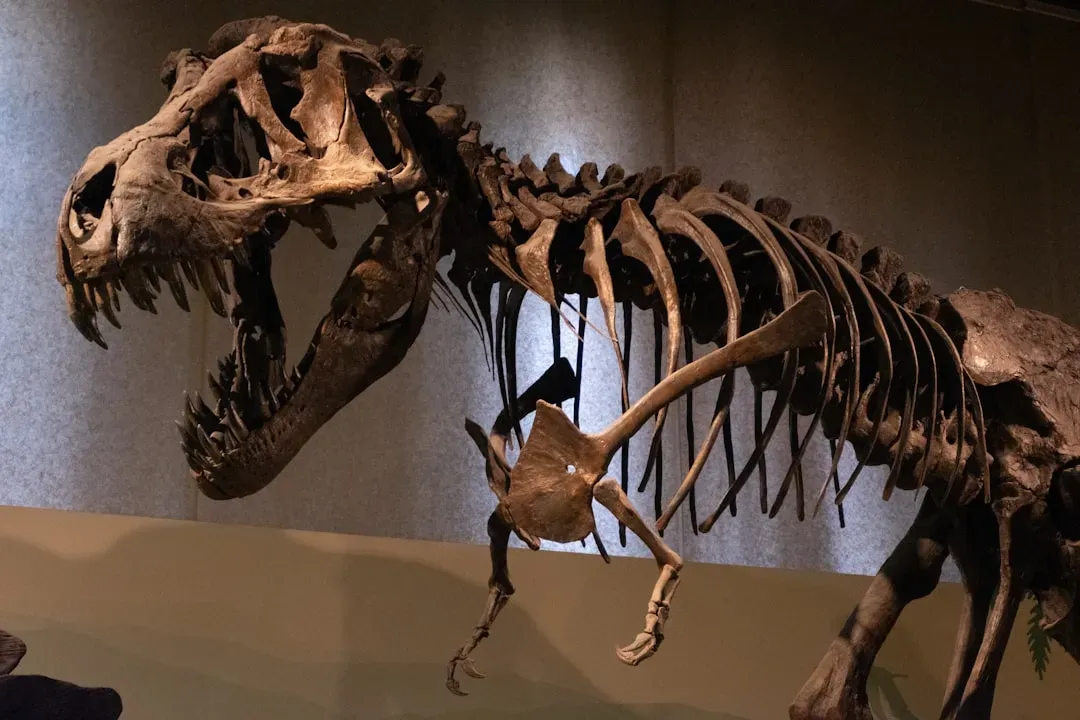
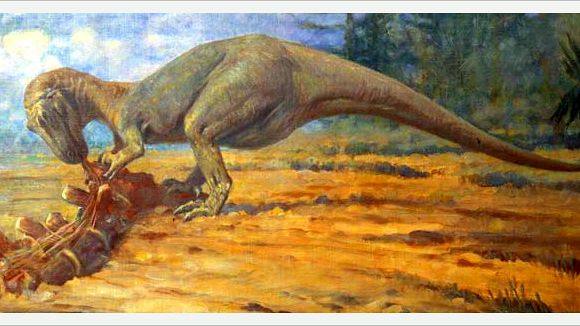
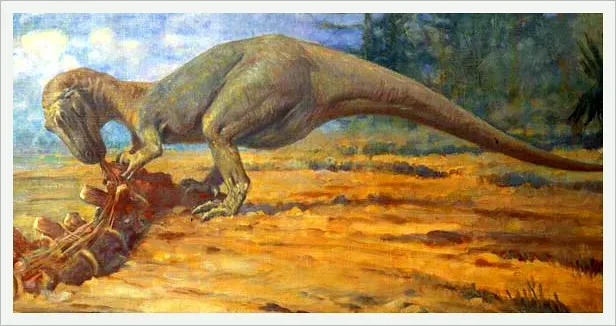
Few debates in paleontology have captured public imagination quite like the T. rex predator-versus-scavenger argument. I think it’s one of the most thrilling scientific arguments of the last thirty years, and the answer, it turns out, is deeply satisfying. Definitive evidence of predation by T. rex was found in a tooth crown embedded in a hadrosaurid caudal vertebra surrounded by healed bone growth, indicating that the prey escaped and lived for some time after the injury, providing direct evidence of predatory behavior. You cannot fake healed bone. That hadrosaur was alive when T. rex bit it.
Still, the full picture is more nuanced than a simple “killer” label. Scientists now generally agree that Tyrannosaurus rex was an active predator that also opportunistically scavenged. While the teeth at the front of T. rex’s mouth were specially designed for gripping and pulling, the teeth at the side were meant to puncture, and the teeth at the back were specialized both to slice pieces of prey and to force those slices into the throat. Every tooth had a different job. That is the anatomy of a precision killing machine that also knew a free meal when it smelled one.
The Spinosaurus Surprise: The Giant That Preferred Fish
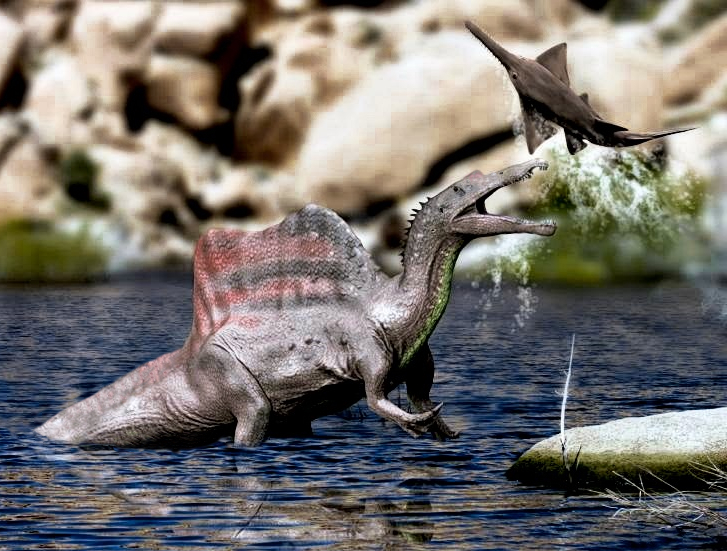
If someone told you the largest carnivorous dinosaur ever discovered was essentially a giant fisherman, you might laugh. You would, however, be wrong to. The Spinosaurus, easily recognizable by its sail-like spine, is believed to have been the largest carnivorous dinosaur, yet it was essentially pescatarian. That is an extraordinary evolutionary story hiding behind an extraordinary body plan.
The skull of Spinosaurus was long, low, and narrow, similar to that of a modern crocodilian, and bore straight conical teeth with few to no serrations. Those conical teeth are tailor-made for slipping through scales and clamping down on slippery fish, not for shearing through the hide of a hadrosaur. Spinosaurids show strong adaptations for fishing, including long, narrow snouts, conical teeth, and aquatic-friendly tails and limbs. Nature essentially took a dinosaur the size of a school bus and turned it into the prehistoric world’s most terrifying fisherman.
Omnivores and the Unexpected Menu: When Dinosaurs Ate Everything
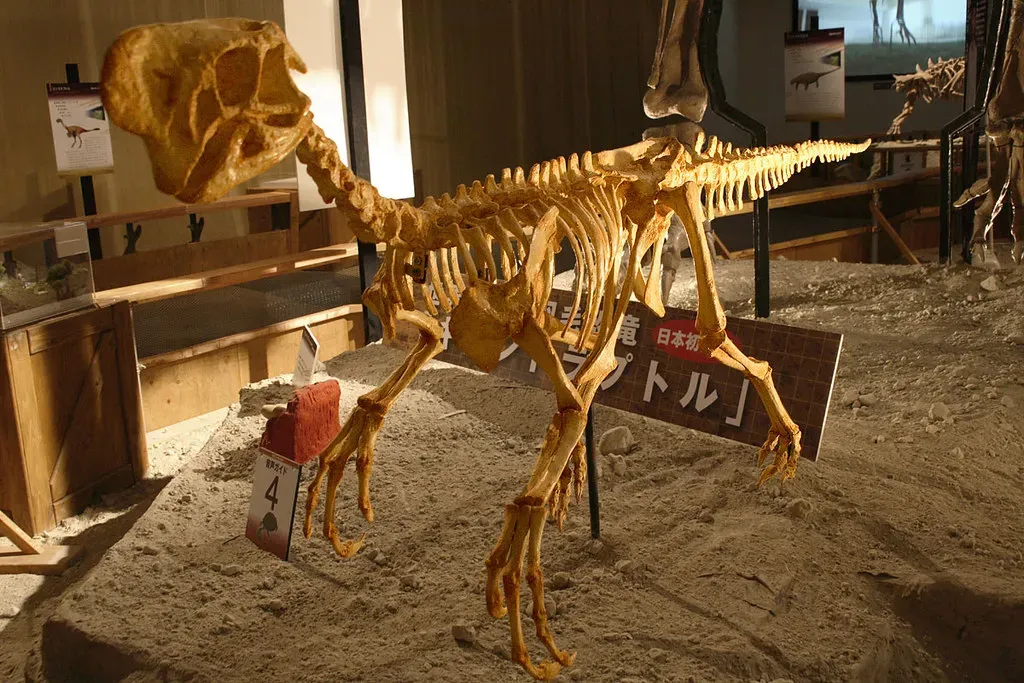
Here is where the prehistoric dining scene gets genuinely weird. Some dinosaurs refused to specialize. Less known but just as fascinating, omnivorous dinosaurs could feed on plants as well as small animals or insects, and this varied diet allowed them to better adapt to different habitats and conditions, with the Oviraptor being one example, once thought to steal eggs but now believed to have had a mixed diet.
The surprises keep coming when you look at supposedly strict plant-eaters. Some dinosaurs even ate insects, fish, and crustaceans, including herbivorous dinosaurs, indicating that even the plant-eating dinosaurs mixed things up. There is also this remarkable find: evidence from coprolites suggests that herbivorous dinosaurs not only ingested rotted wood but also ingested crustaceans, probably like crabs. Think about that the next time someone tells you Cretaceous herbivores were simple creatures with simple tastes. They were dining on crab. Prehistoric crab.
A Nodosaur’s Last Supper: The Most Remarkable Meal in Fossil History
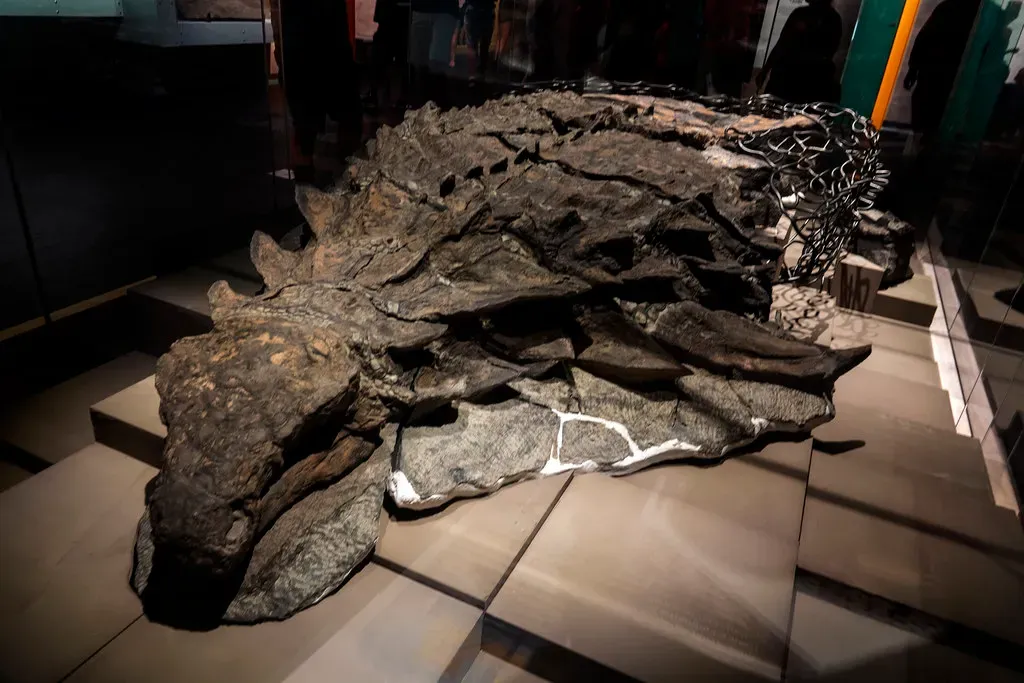
In all of dinosaur paleontology, few discoveries match the emotional power of a fossilized stomach with actual food still inside it. That is exactly what researchers found with a remarkably preserved nodosaur. The fossil was pulled from roughly 110 million year old rocks in Alberta, Canada, with the animal’s bones, skin, armor, and horn tissue all preserved in stone, spanning roughly 5.5 meters and weighing about 1.5 tons.
Fern leaves made up roughly 85 percent of the stomach’s contents, belonging to only one type, even though there was a huge diversity of ferns growing in the time and place where the nodosaur lived, suggesting this dinosaur might have been reasonably picky. That detail is almost poignant. In a vast prehistoric forest teeming with hundreds of plant species, this particular creature had a favourite. The stomach’s clues, such as twig growth rings, suggest the dinosaur’s last meal took place at the start of the growing season. You are reading the story of one individual animal’s last morning on Earth. It’s hard not to feel something about that.
Conclusion
The question of what dinosaurs really ate is one of the richest, most layered mysteries in all of natural history. You can crack it open through teeth, through poop, through swallowed stones, through preserved stomach contents, and through the meticulous work of scientists who treat ancient bite marks like crime scene evidence. What you find is not a simple story of meat-eaters and plant-eaters but a richly complex web of dietary strategies, opportunistic feeding, seasonal preferences, and evolutionary ingenuity that rivals anything in the modern natural world.
Every new fossil that surfaces has the potential to overturn something we thought we knew. The Spinosaurus turned out to be a fisherman. A supposedly strict herbivore was eating crabs. T. rex was both a hunter and a scavenger, exactly like a lion on the Serengeti. The deeper science digs, the more interesting the menu becomes. So the next time you picture a dinosaur, maybe skip the roaring, blood-soaked Hollywood version and picture instead a 30-ton sauropod quietly browsing through an ancient forest, swallowing a pebble to help digest its ferns. Somehow, that image feels even more awe-inspiring. What surprises you most about what dinosaurs were actually eating? Drop your thoughts in the comments below.