Imagine being able to read the life story of a creature that vanished from the earth over 66 million years ago, not from its bones, but from the literal footprints it left behind. That sounds like science fiction. Honestly, it almost is. Yet that is exactly what paleontologists have been doing for decades, peeling back the layers of deep time through traces pressed into ancient mud, now turned to stone.
What they’ve found has genuinely rattled the old image of dinosaurs as cold, indifferent, egg-laying and leave-taking reptiles. Instead, these fossil footprints paint a far more complex, even touching, portrait. You’re about to discover why some of the most emotionally surprising revelations in paleontology didn’t come from bones at all. Let’s dive in.
What Fossilized Footprints Actually Are, and Why They Matter More Than You Think
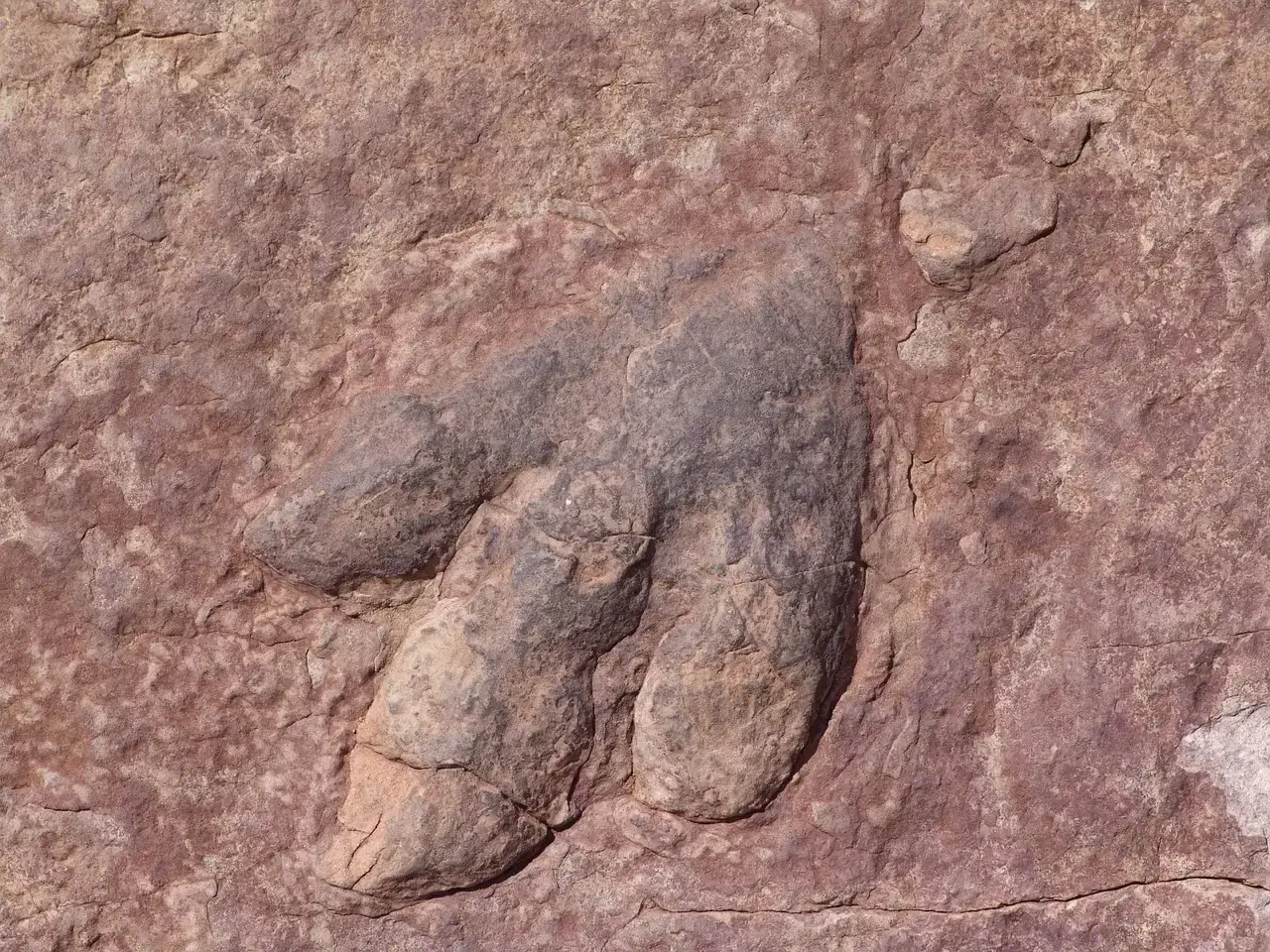
Body fossils set real limits on what scientists can reconstruct about dinosaur behavior. Trace fossils like footprints, on the other hand, actually preserve in-life behaviors that can test and expand those reconstructions. Think about that for a second. A skeleton tells you what an animal looked like. A footprint tells you what it was doing.
Trace fossils, which are anything preserved in stone that was made by the organism, including footprints, bite marks, burrows, nests, and feces, tell us a great deal more about extinct animals than bones alone ever could. You might see a T. rex skull and feel awe. But a trail of footprints with a smaller set of tracks tucked safely in the middle of larger ones? That makes you feel something entirely different.
Juvenile Tracks Surrounded by Adults: The First Shock
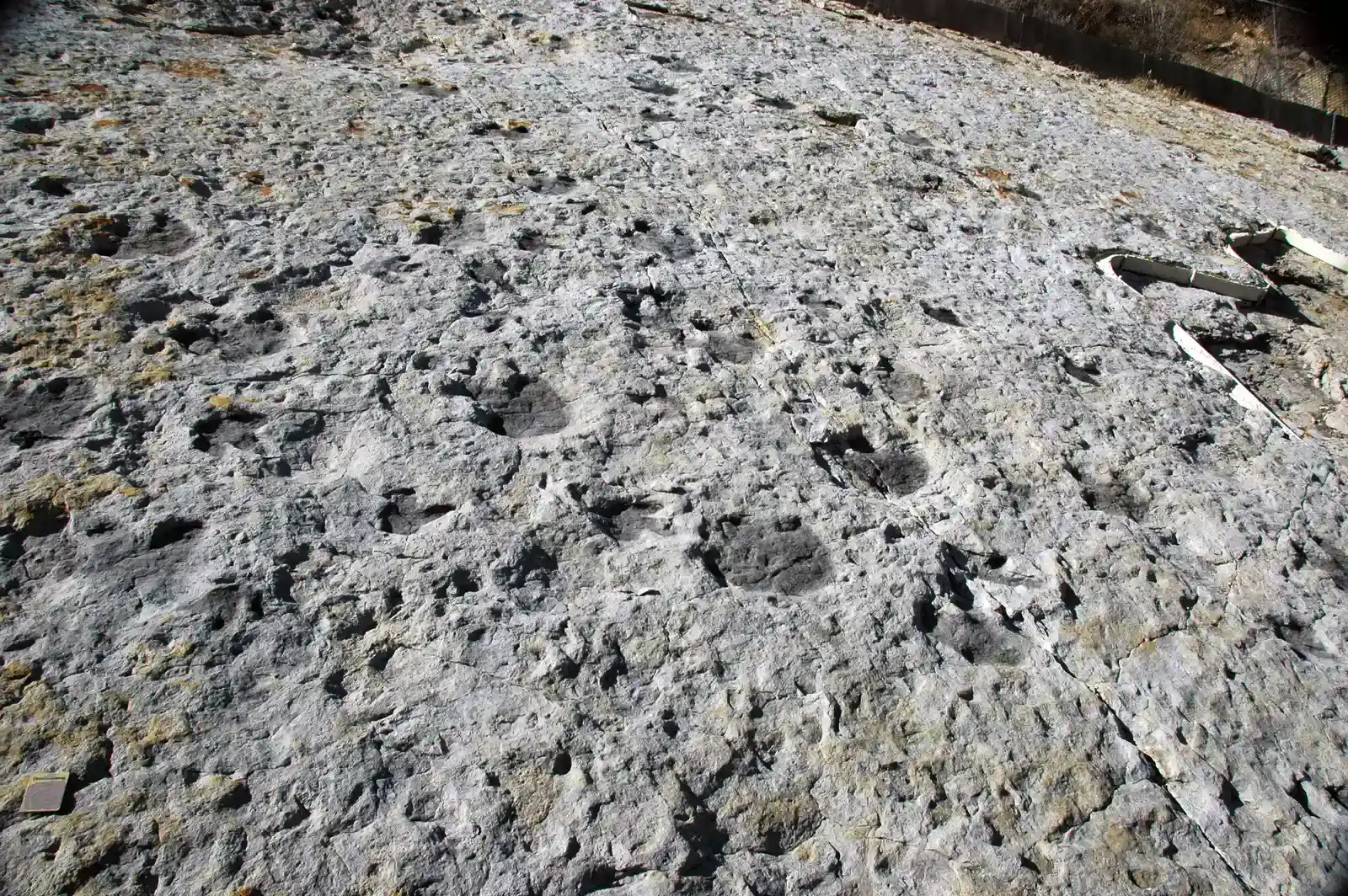
Small footprints of juveniles surrounding nesting areas provide evidence that some dinosaur species remained with their young after hatching, suggesting extended parental care. This wasn’t a random scatter of prints. The pattern was deliberate and unmistakable to trained eyes. It mirrored behavior you’d expect from animals we actually know are caring parents today.
Age segregation is also evident in some trackways, with footprints of different sizes indicating that adults and juveniles traveled together, with smaller individuals often protected in the middle of the group. This behavior, similar to that observed in modern elephants and other herd animals, suggests sophisticated social structures and possibly parental care. Such evidence challenges earlier views of dinosaurs as solitary, primitive reptiles and instead portrays them as socially complex creatures with organized community behaviors.
The Two Medicine Formation: Montana’s Ground-Breaking Nursery
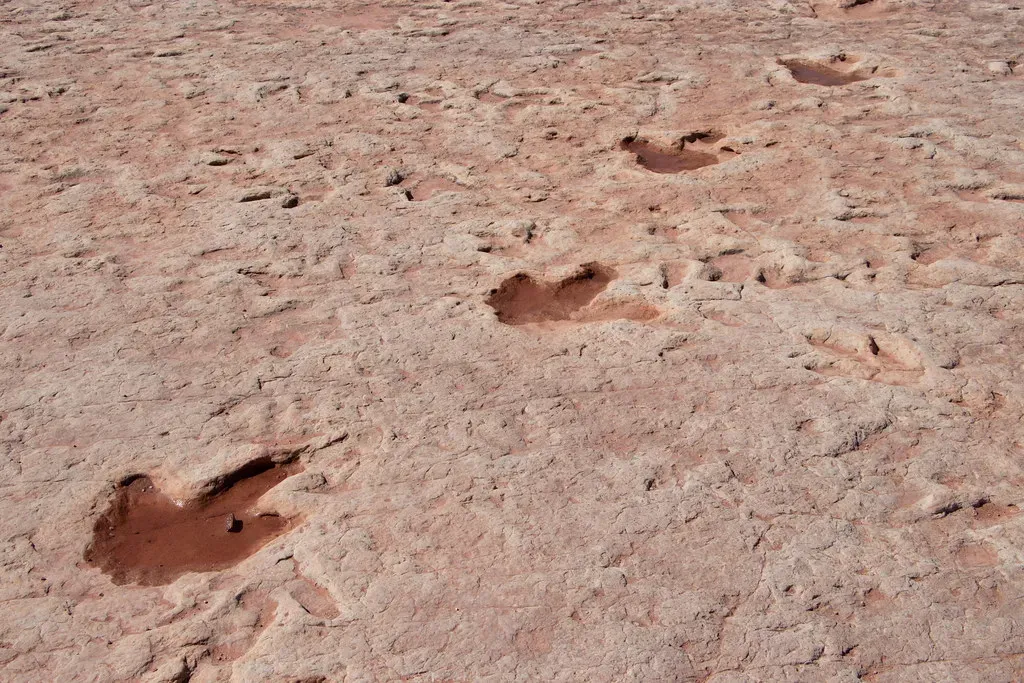
The famous Two Medicine Formation in Montana has yielded tracks of adult hadrosaurs alongside numerous juvenile tracks in the vicinity of nesting grounds, suggesting family groups remained together after hatching. The orientation of adult tracks often forms protective patterns around nests or groups of juvenile tracks, indicating defensive positioning to guard vulnerable offspring from predators. That’s not random wandering. That’s a parent on guard.
Track size distribution at some sites suggests multiple generations remained together, possibly indicating familial groups or community-based child-rearing similar to some modern birds. If you ever thought dinosaurs were just mindless reptilian machines, this kind of detail should genuinely make you pause and reconsider. Honestly, community-based childcare is something many modern humans are still figuring out.
Maiasaura and “Egg Mountain”: The Discovery That Changed Everything
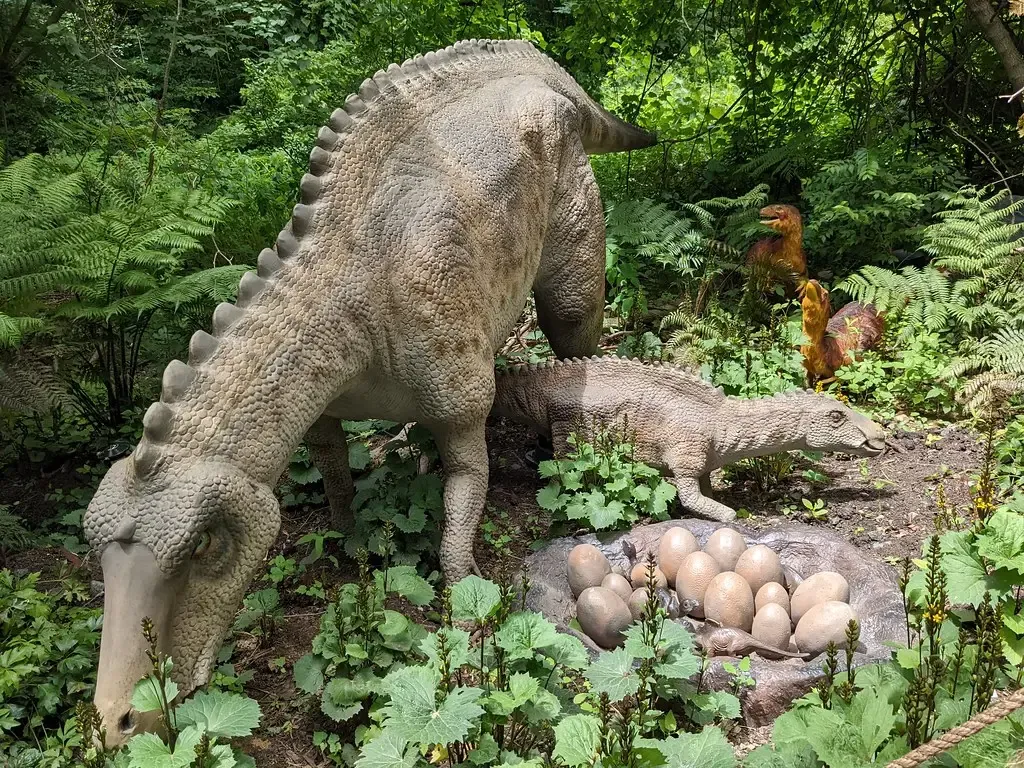
First discovered in 1978 by paleontologist Jack Horner and his team, Maiasaura fossils helped reshape scientific understanding of dinosaur social behavior and reproductive strategies. The discovery of nests, eggs, and juvenile specimens in various growth stages suggested something unprecedented: these dinosaurs didn’t simply lay eggs and abandon them but appeared to care for their young in nest colonies. The site eventually became known simply as “Egg Mountain,” and it earned that name.
The discovery at Egg Mountain indicated that Maiasaura exhibited colonial nesting behavior, where large groups, likely herds, would all nest together in one area. They raised their young in nesting colonies, and the nests were packed close together like those of modern seabirds, with the gap between nests being around 7 meters. Maiasaura nests were constructed with earth and contained 30 to 40 eggs laid in a circular or spiral pattern. The eggs were incubated by rotting vegetation placed into the nest by the parents rather than an adult sitting on them. Now that’s a prehistoric engineering decision worth appreciating.
The Footprint Evidence for Active Feeding and Post-Hatch Care
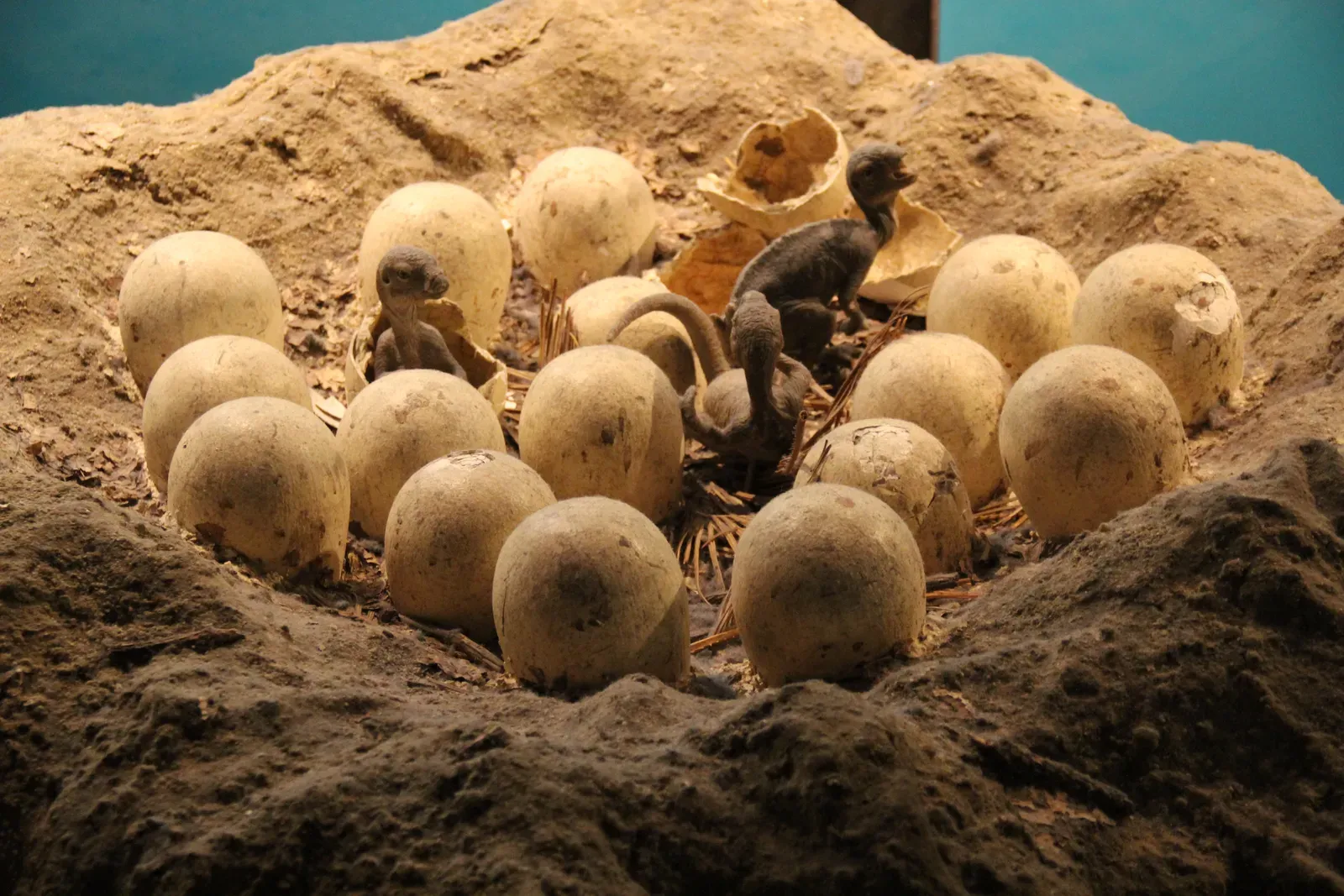
Upon hatching, fossils of baby Maiasaura show that their legs were not fully developed and thus they were incapable of walking. Fossils also show that their teeth were partly worn, which means that the adults brought food to the nest. You couldn’t get much clearer evidence than that. Worn-down baby teeth mean something was putting food in front of those hatchlings, and it wasn’t self-service.
At Egg Mountain, evidence of trampled eggshells suggests that the hatchlings were in the nest for a while. Along with the shells, there was plant matter in the nests, suggesting parents may have fed the young before they ventured out into the world. Analysis of leg bone development in juveniles indicates they couldn’t walk effectively until reaching about 25% of adult size, making parental protection and feeding essential for survival. Put simply, these babies were entirely dependent, and the fossil record reflects that with remarkable clarity.
“Big Mama” and the Oviraptorids: Caught in the Act
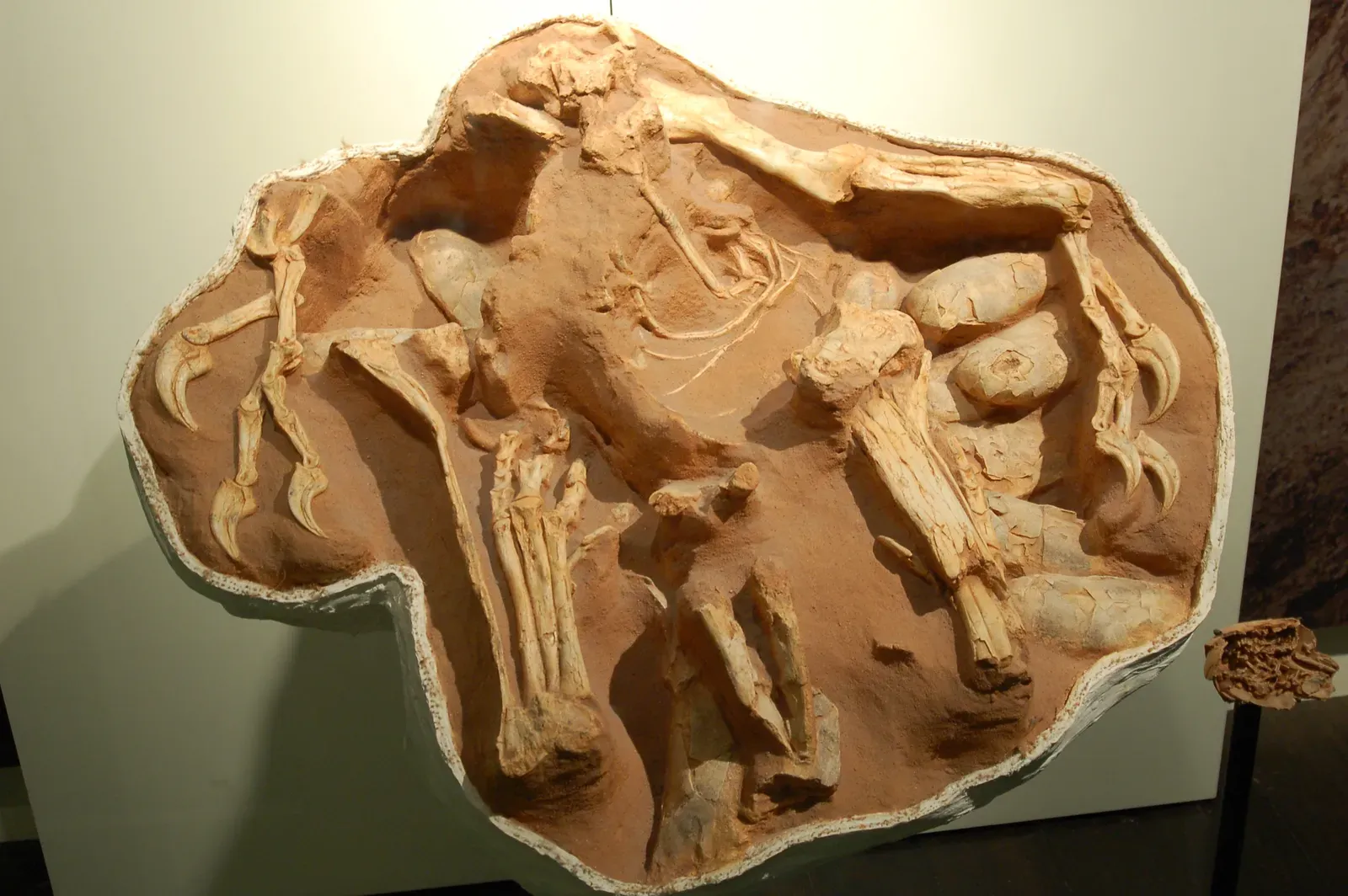
Oviraptorids, like the Citipati osmolskae or “Big Mama,” have been found brooding on their nests, indicating protective behavior. Oviraptorids, a family of dinosaurs that existed during the Late Cretaceous period, were initially thought to be egg thieves. However, further research revealed that Oviraptorids were actually caring parents. The irony of their original name is almost painful in hindsight.
Big Mama is a 75-million-year-old oviraptorid that was uncovered brooding on, meaning sitting on top of, a nest of eggs. The Mongolian dinosaur was revealed to the world in 1995 and named as Citipati in 2001. Their bodies would have been covered in large, down-like feathers that would have helped conceal and insulate the eggs. It’s a haunting image, a parent frozen in a final act of protection, buried and preserved for 75 million years. Let’s be real: that’s one of the most emotionally striking things paleontology has ever uncovered.
What Trackways Reveal About Herding, Migration, and Group Protection
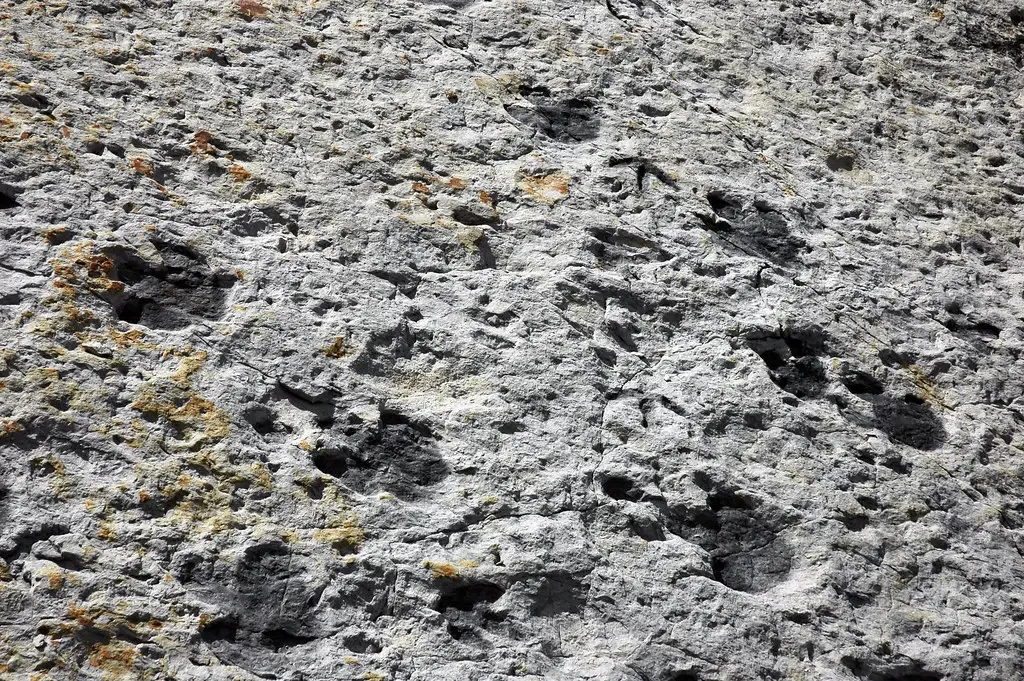
Fossil records show that juvenile footprints were placed in the center of the group, flanked by adults moving together in the same direction. This is common behavior in herding mammals today, suggesting something fundamental about the sophistication of the dinosaurian brain compared to other reptiles. You see this exact same pattern in modern African buffalo herds, where calves are instinctively kept in the center by adults during travel. The parallel is striking.
Some dinosaur trackways record hundreds, perhaps even thousands, of animals, possibly indicating mass migrations. The existence of so many trackways suggests the presence of great populations of sauropods, prosauropods, ornithopods, and probably most other kinds of dinosaurs. The impact of such large herds on the plant life of the time must have been great, suggesting constant migration in search of food. These weren’t lone wanderers. They were communities on the move, and the footprints prove it.
Modern Technology Is Transforming How You Read Dinosaur Footprints
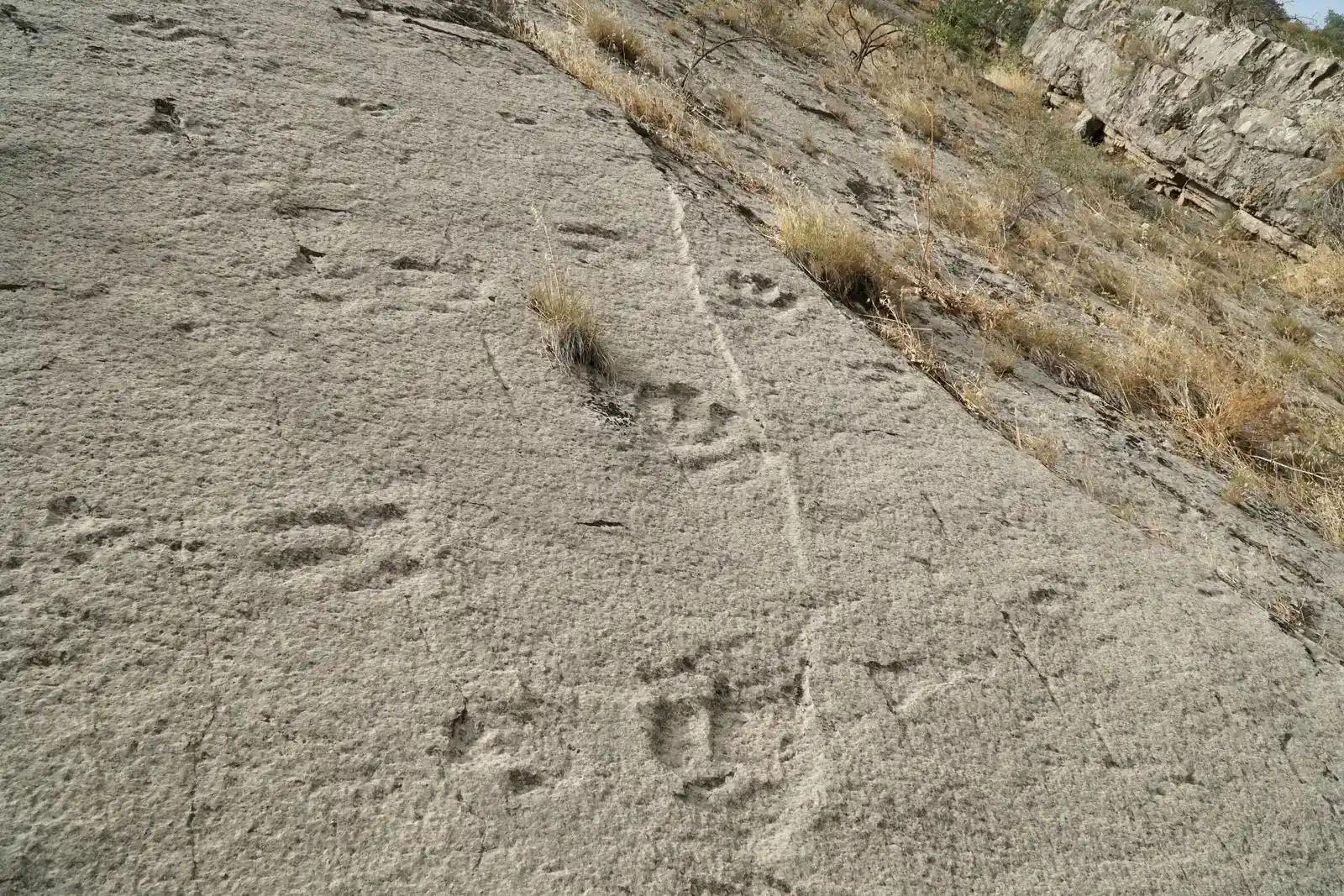
During excavation of the Oxfordshire dinosaur highway site, researchers captured more than 20,000 images of the footprints with aerial drone photography. The team used these images to create detailed 3D models to further investigate the interactions and biomechanics of the dinosaurs. This is where it gets exciting for any tech-minded reader. The information locked in those ancient impressions is only now being fully decoded.
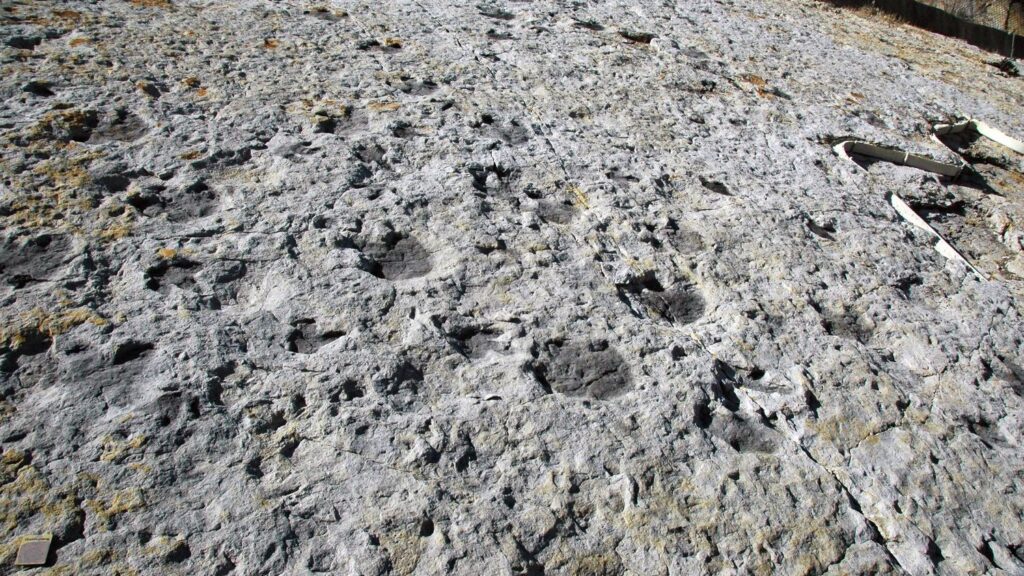
Researchers from the Universities of Oxford and Birmingham uncovered a huge expanse of quarry floor filled with hundreds of different dinosaur footprints, creating multiple enormous trackways. Dating back to the Middle Jurassic Period around 166 million years ago, the trackways form part of a huge dinosaur highway and include footprints from the 9-metre ferocious predator Megalosaurus, and herbivorous dinosaurs up to twice that size. Comparative studies between dinosaur tracks and those of their modern descendants, birds, are providing new frameworks for interpreting ancient behaviors based on modern analogues. These advancing frontiers suggest that ichnology will remain a crucial and dynamic field in paleontology, continuing to revise and enhance our understanding of how dinosaurs behaved and interacted with their world millions of years ago.
Conclusion: Ancient Footprints, Timeless Parenting
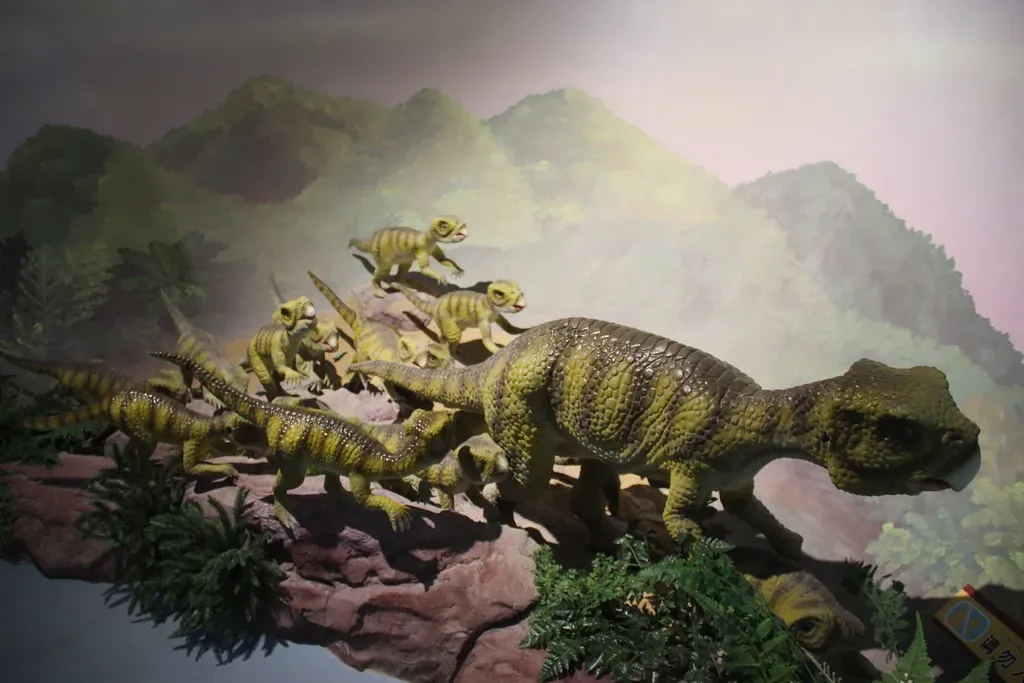
Here’s the thing most people never consider: parenting, as a behavior, is genuinely ancient. It predates us by hundreds of millions of years. The nurturing behaviors exhibited by certain dinosaurs suggest that parental care played a crucial role in their evolutionary success, contributing to the survival of their species over millions of years. That’s not just a paleontology footnote. That’s a profound statement about life itself.
The fossilized footprints of dinosaurs do something that dry bones rarely achieve. They put you in the scene. You can picture an adult hadrosaur circling a nest, a pack of theropods flanking their young, a feathered parent frozen over a clutch of eggs. Parental care in dinosaurs matters in an ecological sense. It can show how behavior changes in response to climate changes and other events. So next time you see a bird build a nest or a crocodile carry hatchlings in its mouth, remember: that instinct is far older than you ever imagined.
What surprises you most about dinosaur parenting? Does it change how you see these ancient creatures? Drop your thoughts in the comments below.