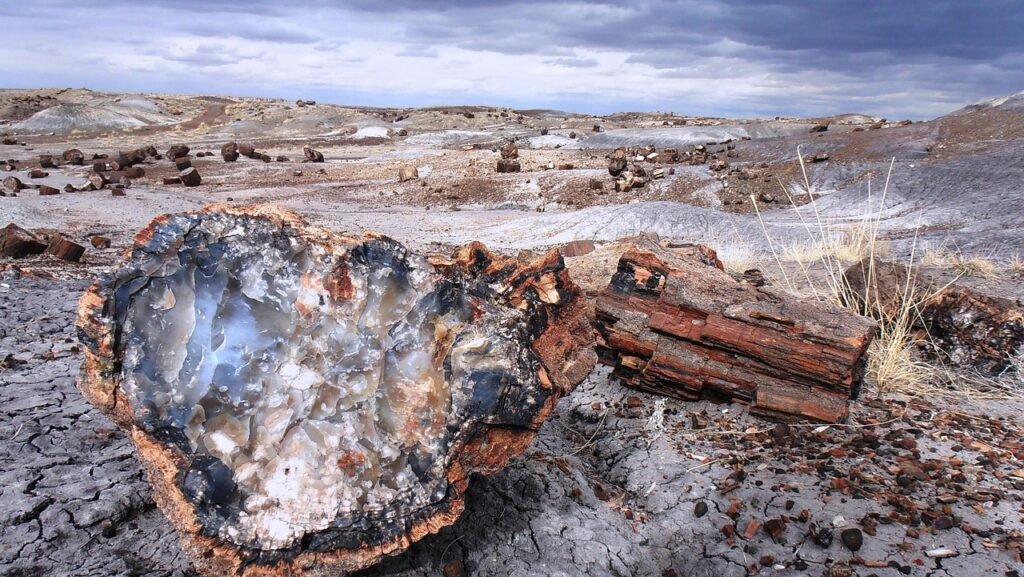
Imagine standing on a rocky cliff in Somerset, England, and realizing that beneath your feet lies a forest that existed nearly 390 million years ago. No birds. No rustling animals. Just the wind, strange palm-like trees, and a world being written from scratch. That image is not fantasy. It is geology talking.
The landscape you move through every single day – the rivers, the valleys, the rolling hills, the coal beneath entire continents – was fundamentally designed by plants long before the first dinosaur ever appeared. Honestly, this story is one of the most overlooked chapters in Earth’s entire history. So let’s dive in.
The World’s Oldest Fossilized Forests: A Discovery That Rewrote History
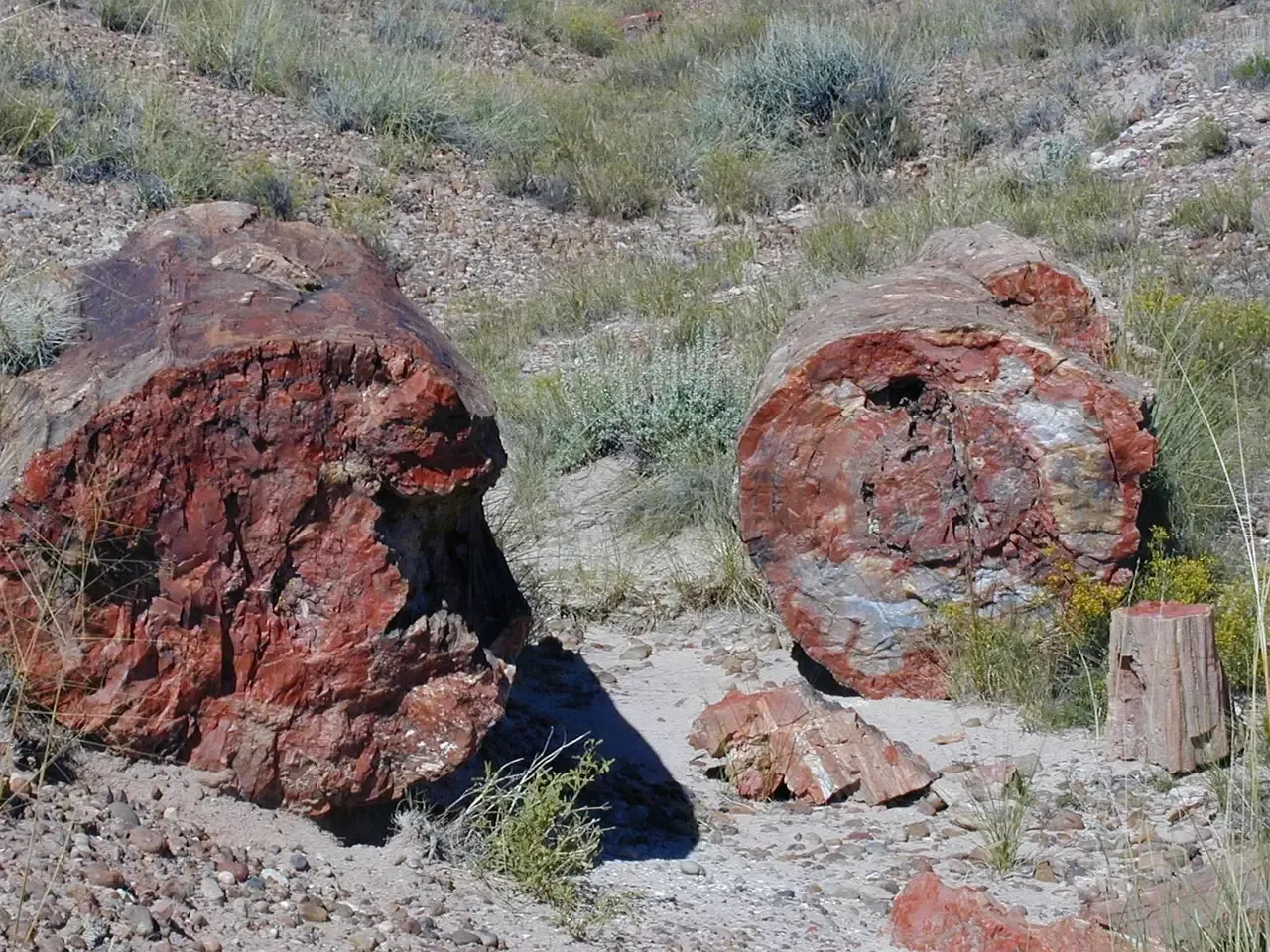
You might assume that finding a forest from nearly 400 million years ago would require a remote expedition to some far-flung corner of the world. Surprisingly, it does not. Found in high sandstone cliffs near Minehead, the 390-million-year-old fossils are the world’s oldest known fossilized forest and the earliest fossil trees ever discovered in Britain. The fact that such a staggering discovery was sitting, quietly, along a stretch of English coastline near a holiday camp is almost hilariously understated.
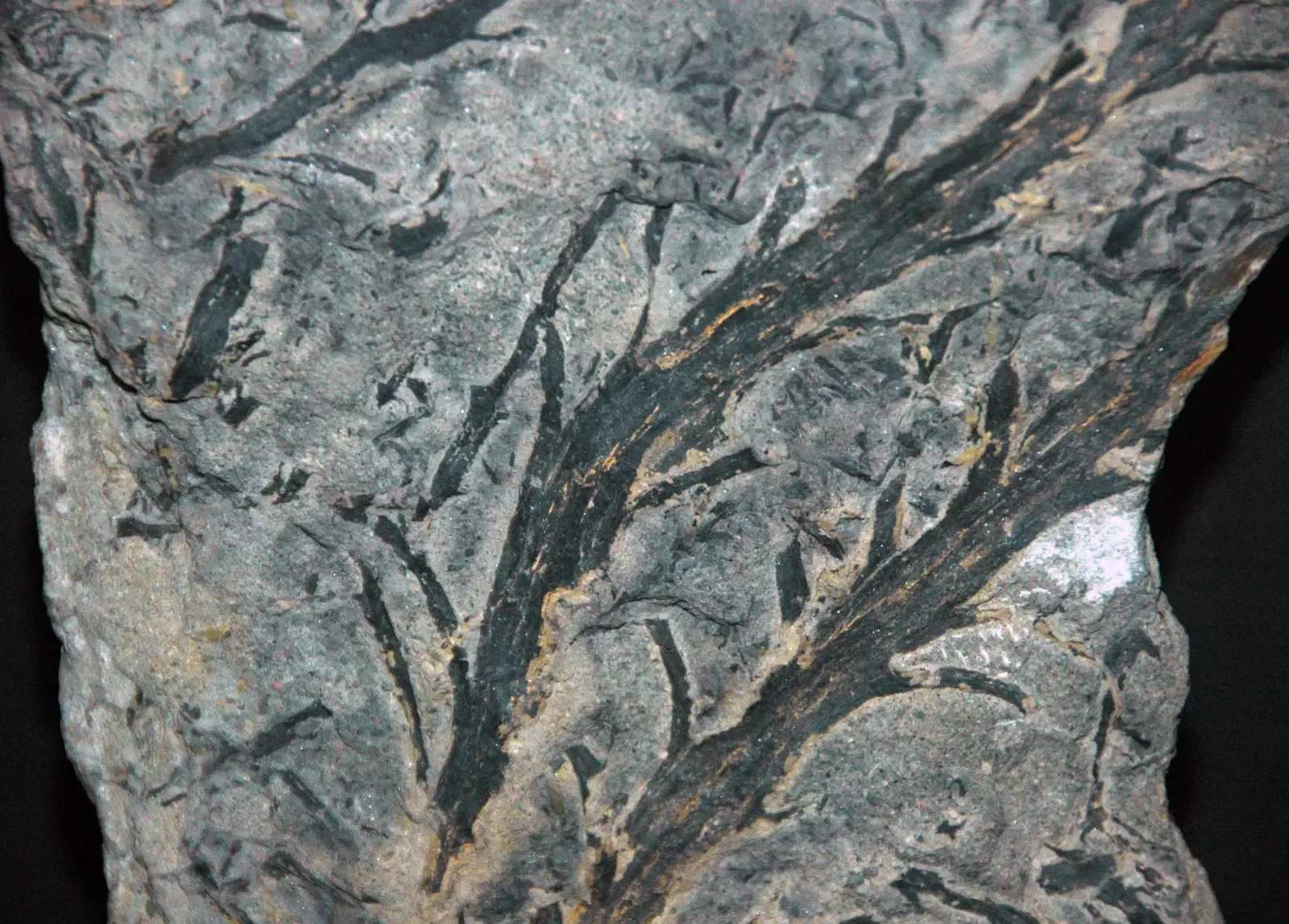
The fossilized trees, known as Calamophyton, at first glance resemble palm trees, but they were a “prototype” of the kinds of trees we are familiar with today. Rather than solid wood, their trunks were thin and hollow in the centre. Think of them as nature’s rough draft – imperfect, weird-looking, but absolutely essential to everything that came after. The forest dates to the Devonian Period, between 419 million and 358 million years ago, when life started its first big expansion onto land: by the end of the period, the first seed-bearing plants appeared and the earliest land animals, mostly arthropods, were well-established.
Strange Trees in a Stranger World: What These Ancient Forests Actually Looked Like
Here’s the thing – if you could somehow teleport yourself back to one of these ancient forests, you would not recognize it at all. This was “a pretty weird forest – not like any forest you would see today. There wasn’t any undergrowth to speak of and grass hadn’t yet appeared, but there were lots of twigs dropped by these densely-packed trees, which had a big effect on the landscape.” No birdsong, no undergrowth, no familiar scent of a forest floor. Just dense, hollow-trunked trees shedding debris onto bare sediment.
During the Devonian, plants evolved from small, simple structures standing just a few centimetres tall to trees towering up to 30 metres above the ground. By the end of this period, forests had developed a recognisable tree canopy and understory layer. Meanwhile, at the time this ancient forest existed, no birds or vertebrates lived on land. Dinosaurs wouldn’t appear for another 150 million years. Instead, the forest was likely home to millipede-like bugs and other insects. It is hard to say for sure, but that world must have felt almost eerily silent by today’s standards.
How Ancient Roots Rewired the Entire Landscape
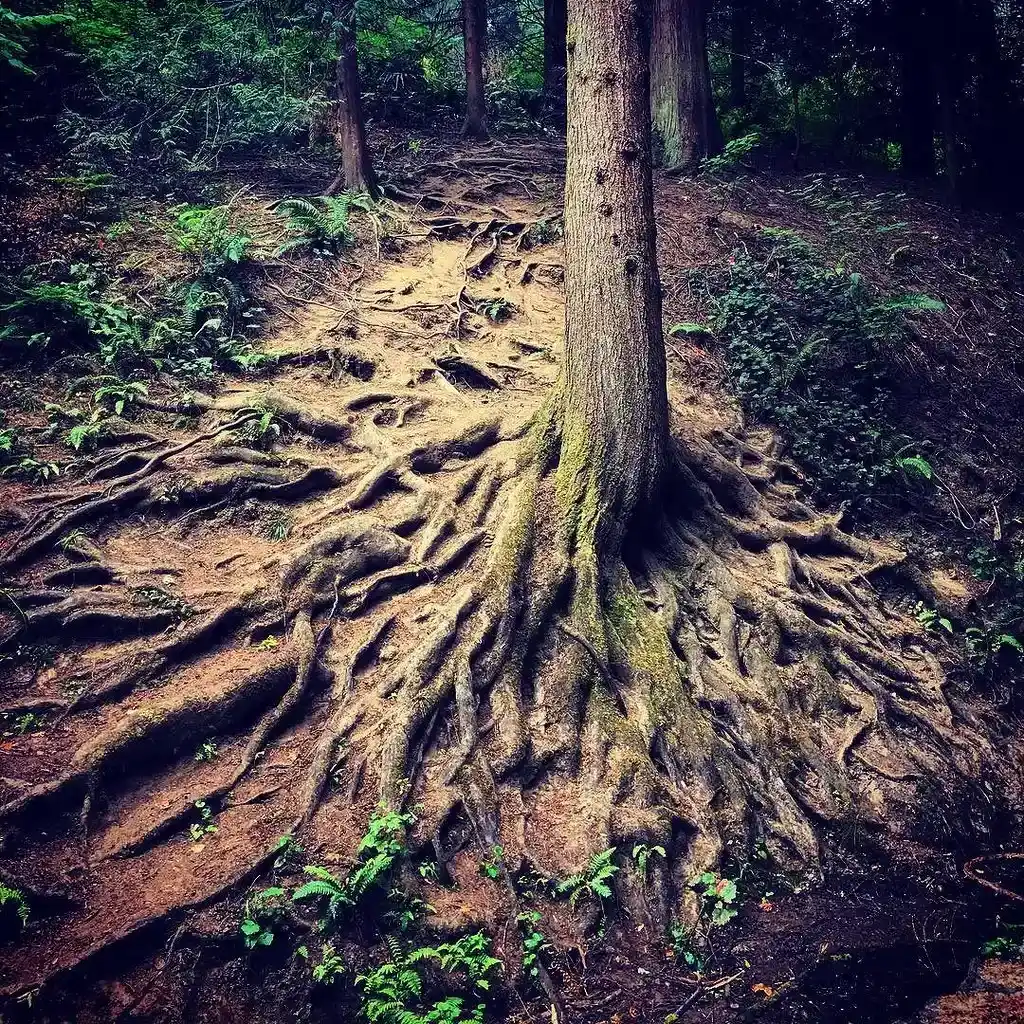
You probably do not think much about roots when you look at a tree. You see the trunk, the canopy, maybe a nice patch of shade. The real action, though, happened underground – and it changed Earth’s surface in ways that still define the world you walk through today. For the first 4 billion years of Earth’s existence, its continents were dusty, barren and rocky landscapes similar to the surface of Mars. But, around 500 million years ago, this all changed. Land plants began to evolve from their freshwater algal ancestors and gradually covered the planet’s rocky surface.
The colonization of land by these plant species created significant changes to Earth’s continental crust. As their roots probed ever deeper, these early plants would have contributed to the physical and chemical weathering of the rock, initiated the development of the first soils, and served as new ecological habitat for animals, too. What was once a landscape covered in a large number of small crisscrossing streams was transformed into floodplains with large meandering river channels. At the same time, soils were storing water that could sustain more plant life and be cycled quickly back into the atmosphere. That shift, from a fractured web of tiny streams to the great winding rivers we know today, was driven almost entirely by roots.
The Carbon Story: How Fossilized Plants Became the Fuel That Built the Modern World
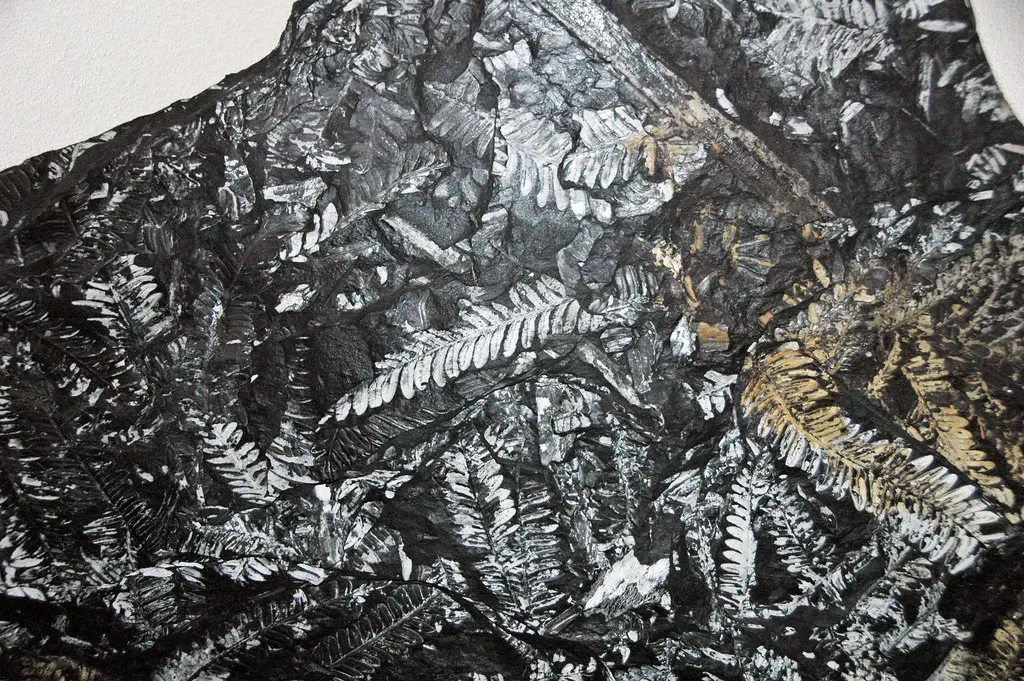
Let’s be real – when most people think about coal, they do not picture a forest. They picture a mine, or maybe a smokestack. The truth is far more fascinating. During the Carboniferous period, about 359 to 299 million years ago, dense forests of ferns, horsetails, and lycopods dominated much of Earth’s landmasses. These plants flourished in a warm, wet climate, contributing to the formation of vast coal deposits. You are, in a very real sense, burning ancient sunlight every time coal is used as fuel.
When those trees died, the bacteria, fungi, and other microbes that today would have chewed the dead wood into smaller and smaller bits were missing – microbes that could ingest lignin and cellulose – the key wood-eaters – had yet to evolve. So the wood simply piled up. Trunks and branches would fall on top of each other, and the weight of all that heavy wood would eventually compress those trees into peat and then, over time, into coal. The Industrial Revolution, modern electricity grids, global shipping – all of it traces a direct line back to a Carboniferous swamp teeming with hollow-trunked giants.
Ancient Plants and the Atmosphere: A Planetary Climate Switch
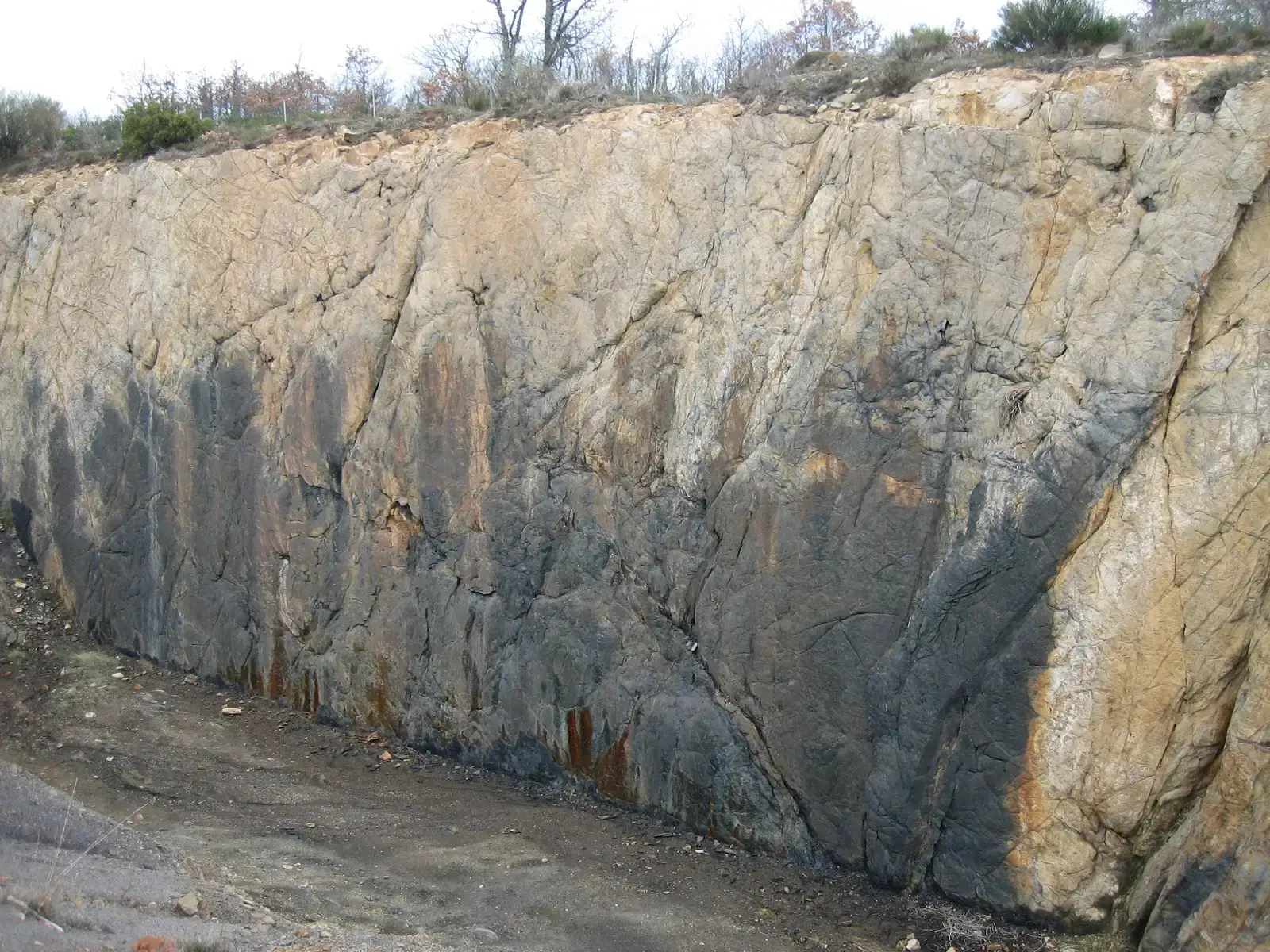
You breathe approximately 21% oxygen right now. That number is not a coincidence, and it is not fixed in stone. Ancient forests essentially dialed up Earth’s atmospheric oxygen, reshaping conditions for all animal life on the planet. Partly because of weathering and its knock-on effects, atmospheric CO2 levels dropped to modern levels soon after the appearance of woody forests. A few tens of millions of years earlier they had been 10 to 15 times higher than today.
Some research suggests the removal of so much atmospheric CO2 led directly to a sustained rise in oxygen levels, with the atmosphere containing about 35% oxygen by 300 million years ago. This, in turn, may have led to the evolution of gigantic insects at that time, some with wing spans of 70 centimetres, which may have lived in the ancient forests. Think about that the next time you swat a fly – it could have had a two-foot wingspan back then. As carbon dioxide was pulled out of the atmosphere, it caused climate cooling, and then glaciation formed in the Carboniferous Period that followed the Devonian. Ancient plants were, quite literally, an atmospheric thermostat.
Reading the Past Through Fossilized Plants: How Science Uses These Clues Today
Here’s something that genuinely surprises most people. You do not need a massive trunk or a petrified forest to reconstruct ancient landscapes. Sometimes, the clues are microscopic. When a plant’s leaves fall to the ground and decompose, tiny silica particles inside the plants called phytoliths remain as part of the soil layer. The phytoliths were found to perfectly mimic the cell shapes and sizes that indicate whether or not the plant grew in a shady or open area. Scientists can use these tiny fossilized particles to map out what ancient ecosystems looked like – whether they were dense canopied forests or open, sun-baked plains.
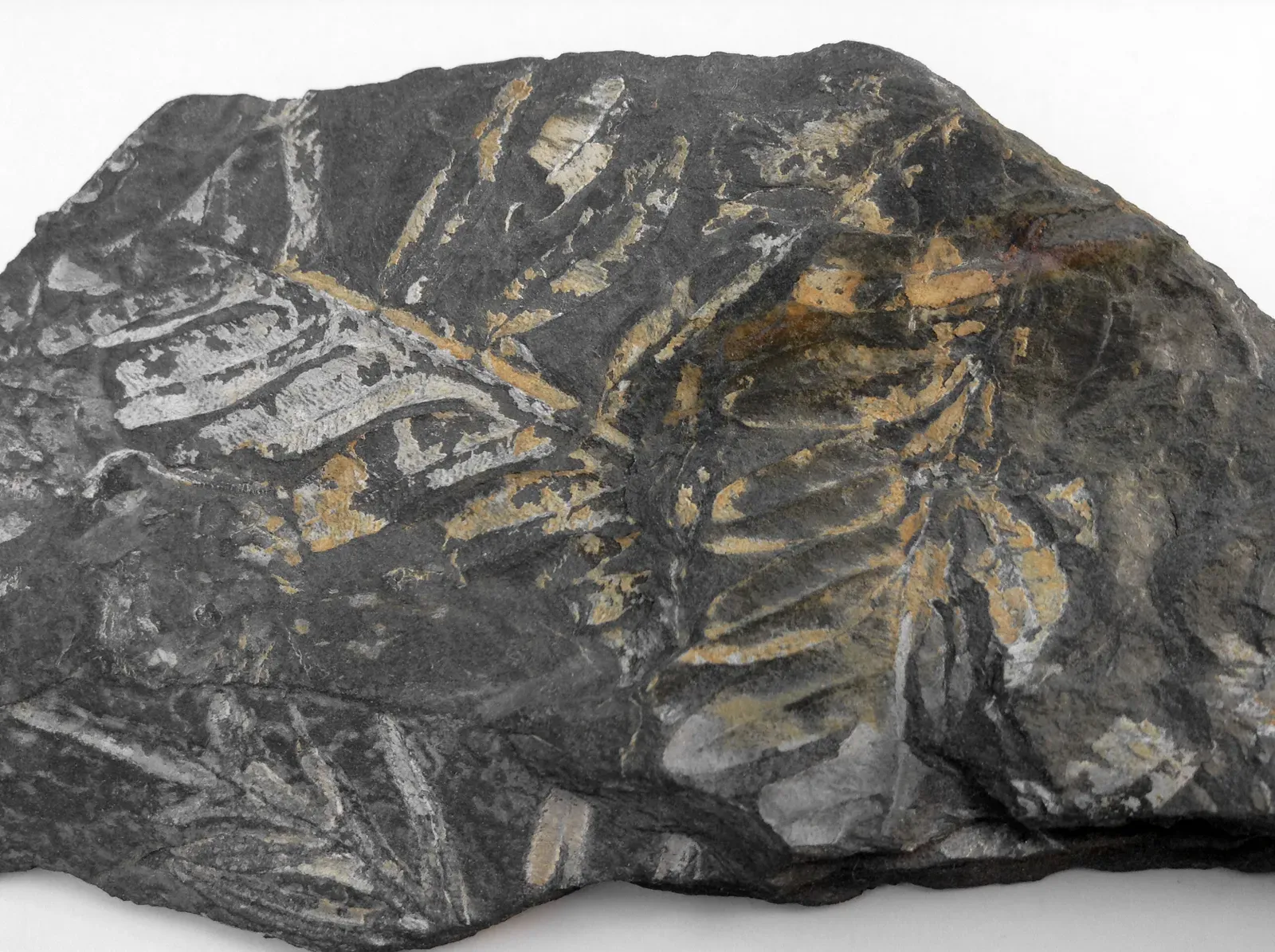
Paleobotany is the study of plant fossils – remains or imprints of plants preserved in rock layers over millions of years. While it is a branch of paleontology, paleobotany focuses specifically on plant life, as opposed to the study of animals or other organisms. By examining fossils like leaves, seeds, pollen, and wood, paleobotanists can piece together the biodiversity and environmental conditions of ancient Earth. By studying these fossils, paleobotanists can answer important questions about how the planet’s climate, landscapes, and ecosystems have changed over geological time. For instance, fossilized pollen – known as palynology – can reveal detailed information about past climates. In a world increasingly concerned with future climate shifts, that ancient botanical record has never felt more urgently relevant.
Conclusion: The Forests That Built the World Beneath Your Feet
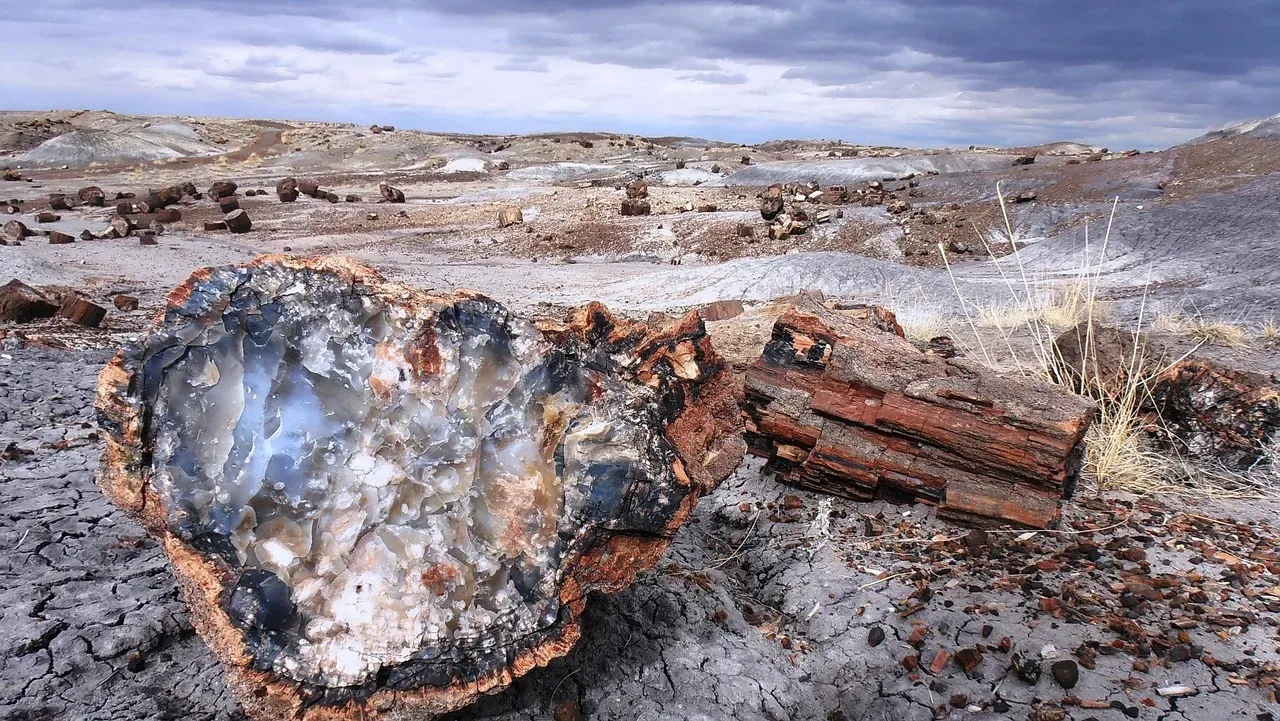
Every river valley you have ever admired, every seam of coal that powered a city, every breath of oxygen you pull into your lungs – all of it carries the fingerprints of forests that vanished hundreds of millions of years ago. The evolution of trees and forests fundamentally changed the face of Earth forever. Forests changed the landscape by weathering rocks, creating more complex habitats with deeper and more nutrient-dense soil. That is not a small thing. That is everything.
I think the most humbling part of this story is how invisible it all is. You walk across soil that took hundreds of millions of years to form, breathe air calibrated by organisms that looked nothing like today’s trees, and fill your car or power your home with the compressed bodies of ancient swamp giants. By wandering around these old root systems, scientists are getting a snapshot of a long-gone world that shaped our present one. The fossilized forests are not relics of a dead world – they are the foundation of the living one. When did you last stop to think about what is buried beneath the ground you stand on?