The global moratorium on commercial whaling marked its 40th anniversary in January 2026, a milestone that highlighted its role in pulling some of the planet’s largest creatures back from near extinction.
A Landmark Decision Born of Crisis
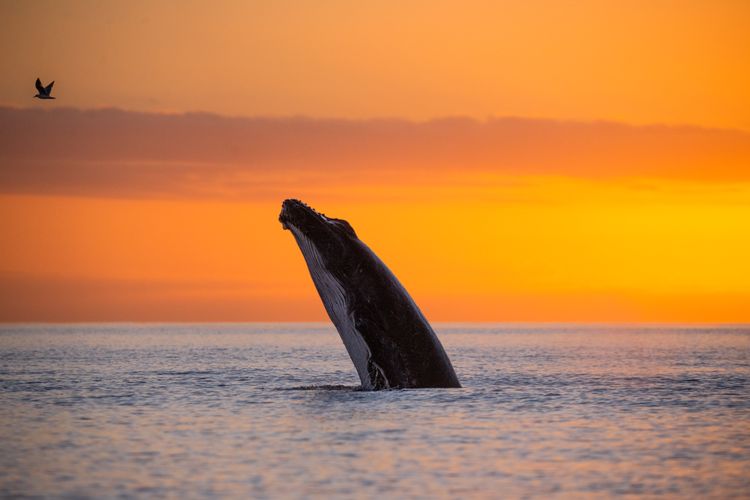
A Landmark Decision Born of Crisis (Image Credits: Imgs.mongabay.com)
Member nations of the International Whaling Commission gathered in 1982 and voted to impose a pause on commercial whaling, a measure that required a three-quarters majority to pass. The decision took effect at the start of the 1985/1986 season, specifically in January 1986, halting hunts that had decimated populations for centuries.
The IWC, established in 1946 with just 14 whaling nations, now counts 88 members and oversees conservation for nearly 90 whale and dolphin species. Commercial operations had already waned by the 1970s due to overexploitation and changing markets, but the moratorium sealed the shift. Environmental Investigation Agency co-founder Clare Perry called it “the defining moment in the IWC’s history,” adding that the ban “literally saved the great whales from extinction” and stands as one of the most vital global conservation steps ever taken.
Population Rebounds Signal Success
Whale numbers began climbing after the ban, with species like humpbacks, fins, and blues showing gains in certain regions. Humpback whales, reduced by more than 95% before the moratorium, have made notable comebacks in some areas. These recoveries underscore the moratorium’s effectiveness in allowing depleted stocks to rebuild.
Still, progress varies. The North Atlantic right whale remains critically endangered, while others linger as vulnerable or endangered on the IUCN Red List. Conservation experts credit the pause with averting total collapse for many great whales, though full restoration demands ongoing vigilance.
Holdouts Challenge the Global Consensus
Not all nations embraced the moratorium. Norway lodged a formal objection, while Iceland entered with a reservation upon rejoining the IWC in 2002 after a brief exit. Japan, another opponent, withdrew from the commission in 2019 following a 2014 International Court of Justice ruling against its Antarctic hunts and now conducts whaling within its own waters.
These three countries stand as the only ones pursuing commercial whaling in recent decades, exploiting legal exceptions to the ban. The IWC lacks enforcement powers, which limits its ability to curb such activities.
- Norway: Sets its own catch limits and reports data to the IWC.
- Iceland: Operates under its reservation, sharing scientific findings.
- Japan: No longer bound by IWC rules post-withdrawal.
Shifting Threats Demand New Strategies
Targeted whaling has faded as the primary danger, but accidental deaths now dominate. Bycatch and fishing gear entanglements claim over 300,000 cetaceans each year, according to IWC estimates. Ship strikes pose another lethal risk, particularly to slower species like humpbacks.
IWC scientific coordinator Kate Wilson identified bycatch and entanglement as the top threats today. Marine biologist Erich Hoyt of the IUCN echoed this, stressing the scale of unintended ocean fatalities. The commission addresses these through programs aimed at reducing gear entanglements and accidental captures.
Key Takeaways
- The moratorium prevented extinction for multiple whale species and spurred population recoveries.
- Norway, Iceland, and Japan continue limited commercial whaling via exceptions.
- Bycatch now kills more cetaceans annually than hunting ever did, urging fresh conservation efforts.
The whaling moratorium proved that unified international action can rescue imperiled species, yet emerging perils remind us that ocean protection evolves. As whales face new battles, sustaining this legacy calls for bolder measures against bycatch and habitat loss. What steps should follow to secure their future? Share your thoughts in the comments.