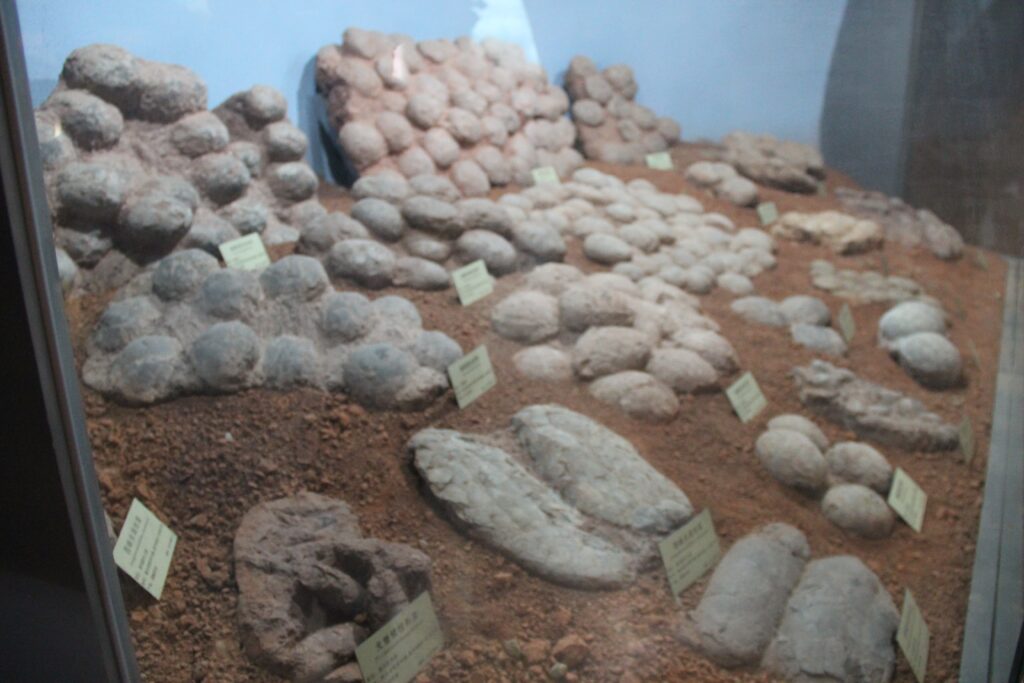
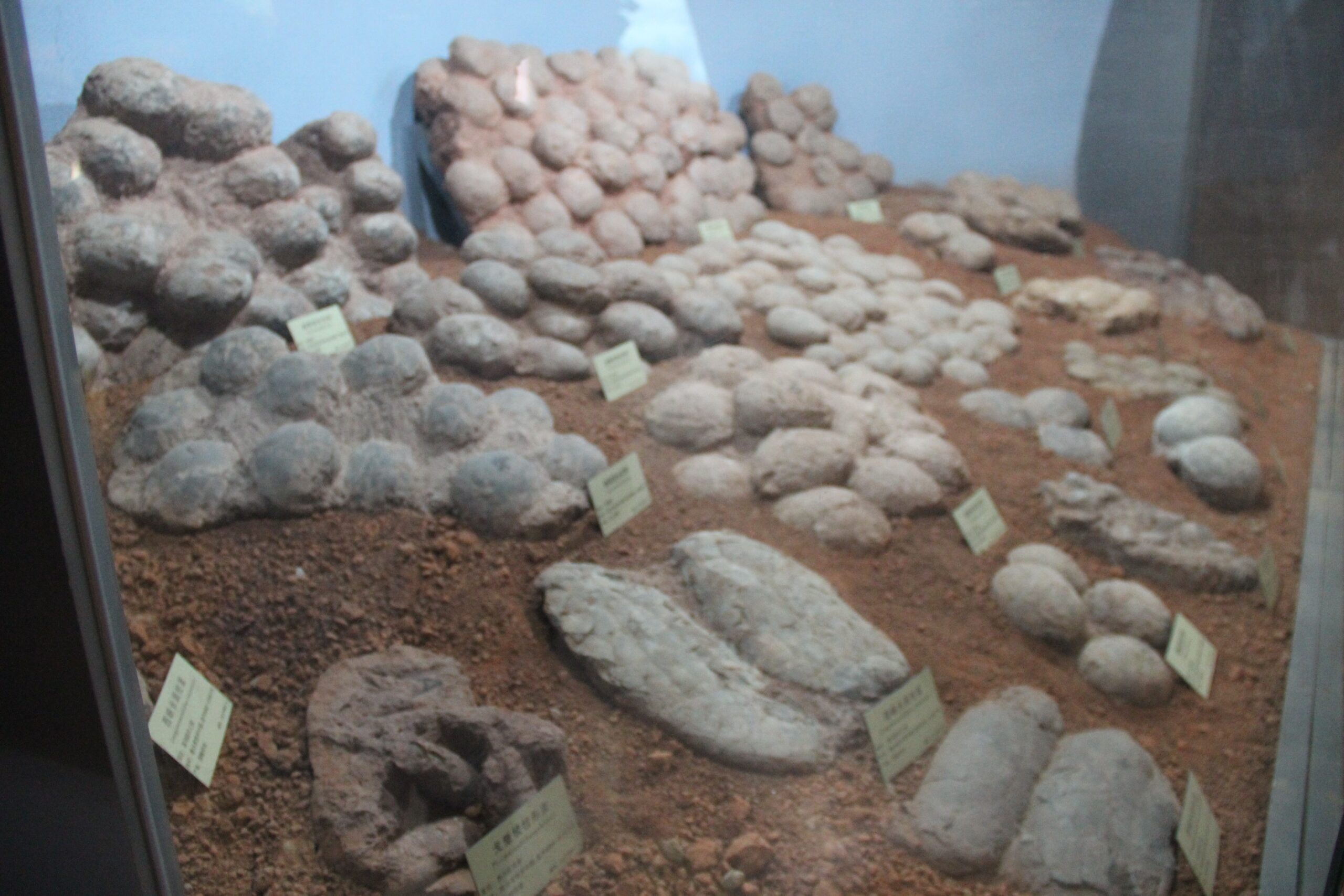
Southern France – Paleontologists working near the town of Mèze in the Hérault region unearthed a remarkable dinosaur nesting ground that held hundreds of fossilized eggs preserved for approximately 72 million years. The site, part of a private paleontological park, revealed rows of handball-sized eggs embedded in clay soil from the late Cretaceous period. This dense concentration offers a rare window into prehistoric reproductive habits on what was once a tropical floodplain.
A Concentration That Defies Expectations
A Concentration That Defies Expectations (Image Credits: Upload.wikimedia.org)
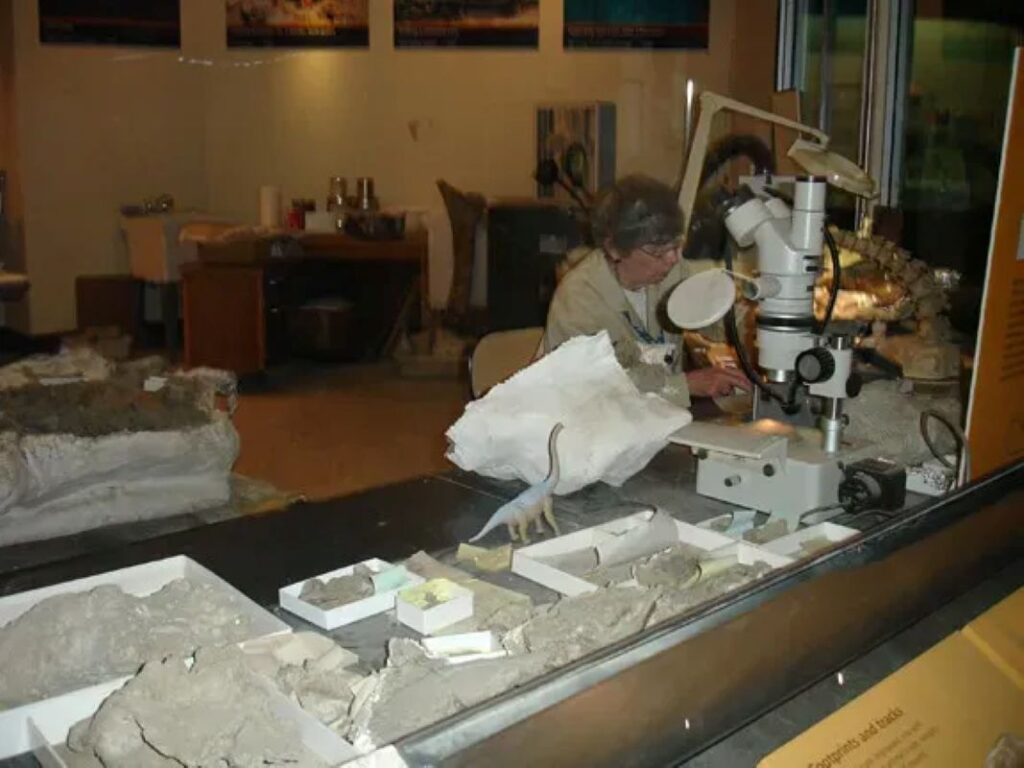
Excavation teams first spotted eggshell fragments on the surface last summer, prompting a dig that began in October 2025. Within weeks, more than 100 eggs became visible, arranged in nests and rows across a fossil-rich layer that extends far beyond the initial trench. Alain Cabot, director-curator of the Musée-Parc des Dinosaures de Mèze, described the scene as unprecedented. “For thirty years, we have found dinosaur nests with a few eggs, ten at most, but here, there are at least one hundred, and probably many more!” he stated.
Some eggs retained intact shells and even internal structures despite their age, a preservation aided by periodic flooding that sealed them in sediment. The layer’s continuity suggests the site served as a shared nursery for multiple dinosaur species. Weather challenges in the sticky clay slowed progress, but the effort yielded clusters that point to a thriving habitat just before the Cretaceous extinction event.
Clues to Diverse Dinosaur Life
Microscopic analysis of the eggshells revealed variations in thickness and texture, hinting at several species. Rounded forms match those of large herbivores like titanosaurs, while smaller, oblong eggs suggest carnivorous dinosaurs such as the one linked to Prismatoolithus caboti eggs measuring about 7 centimeters. These findings align with fossils from nearby areas, including the herbivorous Rhabdodon priscus.
The ancient environment resembled a tropical plain near rivers and wetlands, ideal for nesting on vegetated islets. Such conditions in the “Franco-Iberian island” region fostered abundant life 72 million years ago. Paleontologist Eric Buffetaut noted that while eggs are common in Provence, an embryo inside one could transform the discovery’s impact.
From First Finds to Global Significance
Cabot first prospected the Mèze site in 1996, uncovering initial eggs amid threats of looting. He purchased six hectares of land to safeguard it, establishing the museum that now draws 80,000 visitors annually. This latest campaign built on nearly three decades of work, turning a vulnerable outcrop into a protected research hub.
The deposit rivals major sites in Argentina, China’s Gobi Desert, and Spain, positioning Mèze among the world’s top dinosaur egg locales. Provence earned the nickname “Eggs-en-Provence” for its rich history, with a nearby mountain yielding 1,000 eggs in recent years. Cabot emphasized the layout’s rarity: “We first found a nest that had been damaged by roots. But by digging a bit deeper, we came across rows of eggs.”
Unveiling Prehistoric Secrets
Ongoing excavations promise years of revelations about dinosaur behavior, from communal nesting to species diversity. Detailed studies will examine embryos, if present, for precise identifications. The site’s scale underscores how southern France’s geology preserved snapshots of life on the brink of catastrophe.
Key features of the discovery include:
- Dense clustering of over 100 visible eggs in a single layer.
- Preservation of shells and internals after 72 million years.
- Evidence of multiple species, including titanosaurs and smaller carnivores.
- Historical protection efforts since 1996 to prevent looting.
- Potential to rival global egg sites in Argentina and China.
Key Takeaways
- The Mèze site represents one of Europe’s largest dinosaur egg deposits, offering insights into late Cretaceous reproduction.[2]
- Alain Cabot’s team uncovered rows of eggs during winter digs, with more expected.
- This find highlights Provence’s status as a paleontological hotspot.
This extraordinary trove not only enriches our understanding of dinosaur habitats but also reminds us of the fragile legacies buried in everyday landscapes. What do you think this means for our view of dinosaur family life? Tell us in the comments.