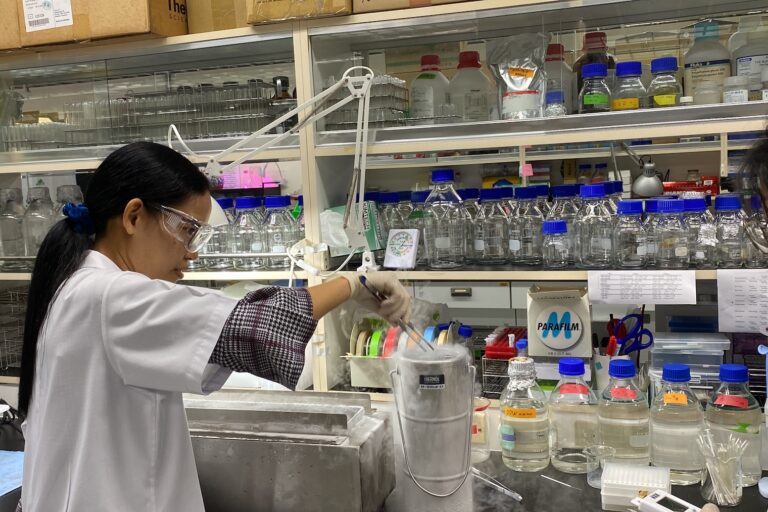
Phuket, Thailand – Researchers in a dedicated university laboratory are cryopreserving coral larvae and symbiotic algae to create a genetic archive that could one day restore the nation’s battered reefs.
Reefs Under Siege
Reefs Under Siege (Image Credits: Imgs.mongabay.com)
Thailand’s coral ecosystems, home to more than 300 species of reef-building corals, endured repeated mass bleaching events from extreme marine heat waves between 2022 and early 2024. These incidents stripped away structural complexity and altered species makeup across coastal waters. Heat stress persisted into 2024-2025, compounding the damage.
Local pressures intensified the crisis. Tourism inflicted physical harm through anchor drops and propeller strikes. Coastal development unleashed sedimentation and nutrient pollution, spurring algal blooms that smothered corals. Overfishing disrupted ecological balance further. Recent nationwide surveys documented these widespread effects.
Pioneering the Cryopreservation Frontier
Molecular biologist Preeyanuch Thongpoo leads the charge at Phuket Rajabhat University, where the cryobank facility opened in June 2025. Her team targets larvae from resilient cauliflower corals in the genus Pocillopora, pioneer species that rapidly reclaim heat-scarred areas. They also preserve Symbiodiniaceae algae, the vital symbionts that fuel coral growth.
Vials holding these tiny organisms now rest in liquid nitrogen at -196° Celsius. The process captures material during narrow spawning periods, forming a “living seed bank” under the Coral Research & Development Accelerator Platform, or CORDAP. Chiahsin Lin, a cryopreservation expert from Taiwan’s National Museum of Marine Biology and Aquarium, has trained the local scientists. “All coral species are endangered,” Lin stated, underscoring the urgency of archiving diverse genetics.
Navigating Technical Hurdles
Developing reliable protocols proved demanding. Early efforts at culturing corals for larvae production faltered, with initial batches yielding no offspring despite healthy appearances. Post-thaw survival rates hover between 15% and 35%, and settlement success varies from 3% to 24% by species. Maintaining broodstock corals demands sophisticated husbandry tweaks.
Yet progress endures. The facility prioritizes both heat-vulnerable branching corals and disturbance-tolerant massive types to build resilient future reefs. Preeyanuch’s group refines cryoprotectant solutions to avert ice damage during vitrification. Regional collaboration through CORDAP fosters shared expertise across the Coral Triangle.
Integrating Cryobanking with Real-World Protection
Experts like Petch Manopawitr, a conservation adviser with WildAid, hail the cryobank as vital “genetic insurance.” Still, he cautioned that stored samples alone cannot revive ecosystems without tackling root causes. Cleaner waters, sustainable tourism, and robust fishing controls remain essential.
- Enhance marine protected areas led by communities in regions like Chumphon and Ranong.
- Regulate diver impacts and anchor zones to prevent physical damage.
- Cut sedimentation from development through stricter wastewater rules.
- Pursue global climate action to temper ocean warming.
- Secure funding for cryobank expansion and training.
Key Takeaways
- Cryobanks preserve genetic diversity for decades-long storage.
- Success hinges on combining tech with habitat safeguards.
- Thailand’s effort signals hope for Coral Triangle-wide networks.
This Phuket initiative buys precious time, safeguarding the “genetic heart” of reefs against extinction. As restoration techniques evolve, these frozen assets could seed biodiverse, climate-hardy ecosystems. What steps should communities take next to protect these underwater wonders? Share your thoughts in the comments.