Dinosaurs ruled the Earth for a staggering stretch of time. Not a few thousand years, not even a million, but somewhere around 165 to 170 million years of unbroken terrestrial dominance. That kind of staying power demands an explanation that goes well beyond “they were big.” The truth, it turns out, is far more layered than you might expect.
Dinosaurs may be long extinct, but recent science has made it abundantly clear that they’re anything but settled science. New fossils, reanalyses of famous specimens, and the use of increasingly sophisticated tools have continued to upend what we thought we knew about how these animals lived, moved, fed, and evolved. What you’re about to read reflects seven of the most compelling current theories shaping the conversation about why dinosaurs didn’t just survive, but utterly dominated their world for longer than the human mind can truly fathom.
The Cold-Adaptation Advantage: Dinosaurs Were Built for the Freeze
You might assume that a world ruled by dinosaurs was a hot one, and largely it was. But one surprising theory flips that assumption on its head. There is new evidence that ancient high latitudes, to which early dinosaurs were largely relegated, regularly froze over, and that the creatures adapted, an apparent key to their later dominance. In other words, being pushed to the cold fringes of the Triassic world may have been one of the best things that ever happened to them.
A study says dinosaurs survived because they were already adapted to freezing conditions at high latitudes. When the end-Triassic extinction unleashed a period of global climate chaos, their rivals simply weren’t ready. Cold periods induced by volcanic ejecta clouding the atmosphere might have favored endothermic animals, with dinosaurs, pterosaurs, and mammals being more capable at enduring these conditions than large pseudosuchians due to insulation. The animals that had trained in the cold inherited a warming world.
The Volcanic Trigger: A Crisis That Cleared the Way
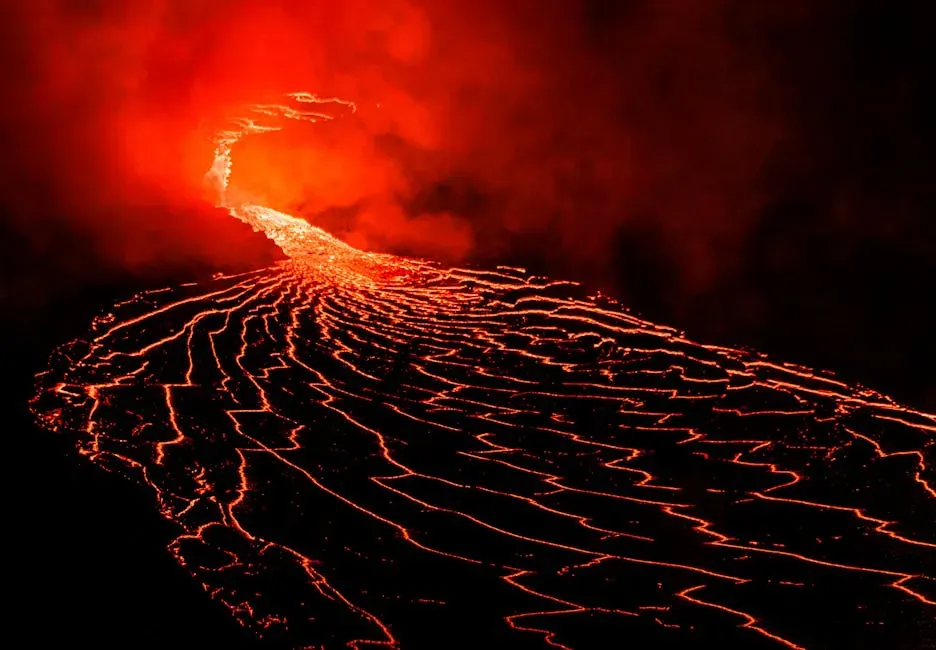
The end-Triassic extinction resulted in the demise of some 76 percent of all marine and terrestrial species, and it is thought to be the key moment that allowed dinosaurs to become the dominant land animals on Earth. This wasn’t a gentle transition. It was a catastrophic restructuring of life itself, one that dinosaurs were simply better positioned to survive than their contemporaries.
What is now the Atlantic Ocean experienced massive volcanic activity, known as the Central Atlantic Magmatic Province. These eruptions released so much carbon dioxide and sulfur dioxide that it is thought to have led to huge climatic upheavals. All Triassic archosaurs, apart from dinosaurs, pterosaurs, and crocodiles, went extinct. This opened up many of the environments that the archosaurs had occupied, paving the way for the surviving dinosaurs to take their place. You don’t win a race by being the fastest – sometimes you win because everyone else fell down first.
The Locomotion Theory: Speed and Stance as Evolutionary Weapons
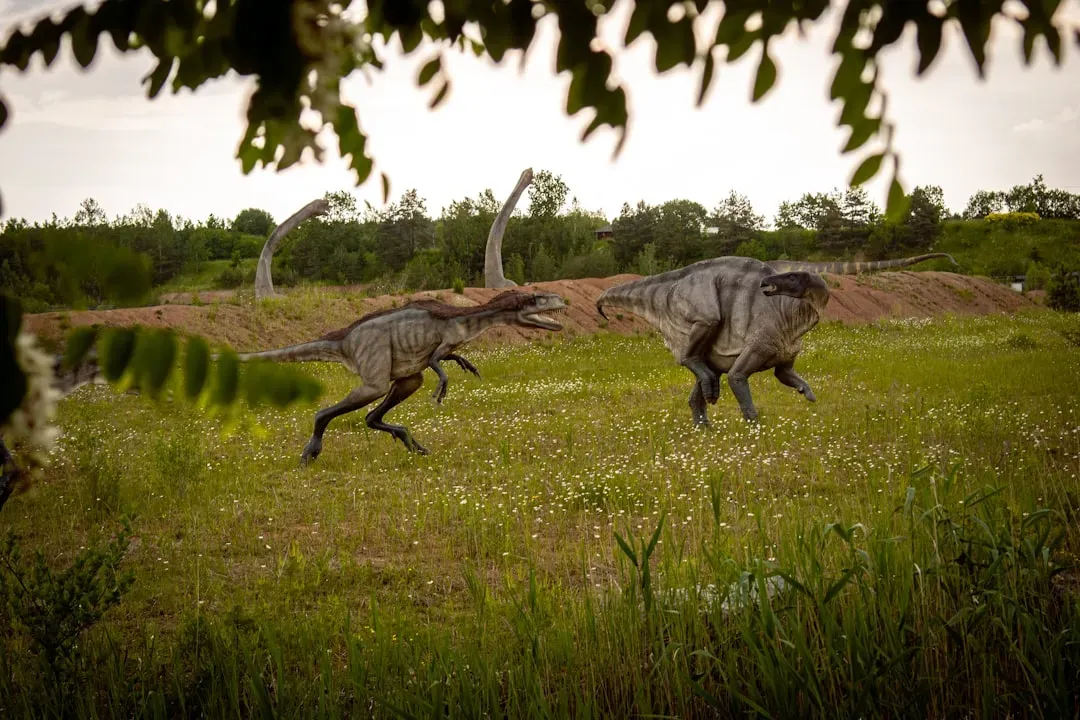
A study published in Royal Society Open Science found that the first dinosaurs were simply faster and more dynamic than their competitors, and this helps explain why they were able to dominate the Earth for 160 million years. This wasn’t just about raw speed. It was about the mechanics of movement that gave dinosaurs an edge in almost every ecological scenario imaginable.
Dinosaurs’ range of locomotion made them incredibly adaptable, University of Bristol researchers have found. When the crunch came 233 million years ago, dinosaurs won out. At that time, climates went from wet to dry, and there was severe pressure for food. Somehow the dinosaurs, which had been around in low numbers already for 20 million years, took off and the pseudosuchians did not. Their bodies were built for adaptability, not just power, and that made all the difference when conditions turned harsh.
The Mesothermy Theory: A Metabolic Sweet Spot Between Hot and Cold
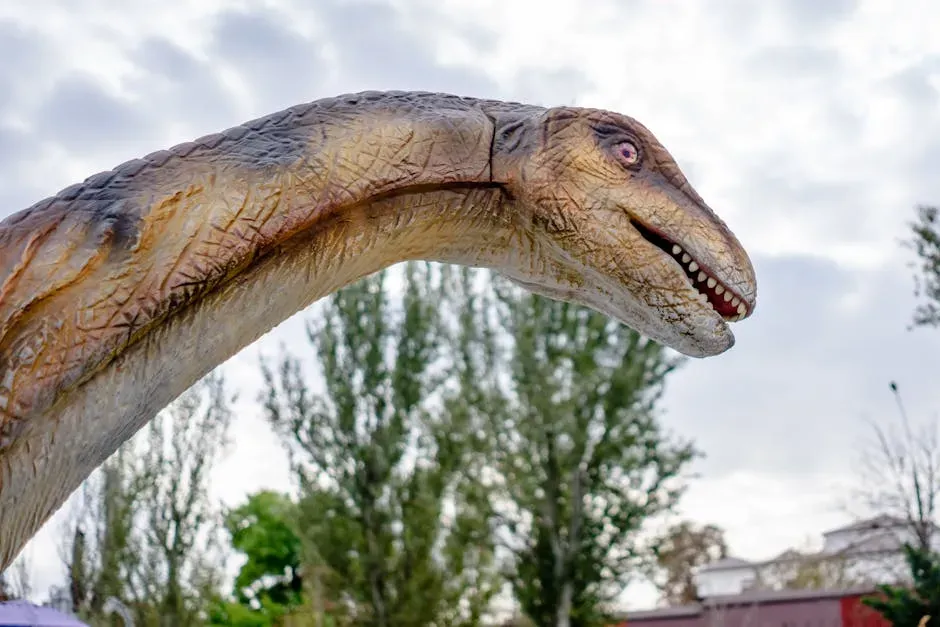
For decades, scientists argued about whether dinosaurs were warm-blooded or cold-blooded. The real answer appears to be neither. Dinosaurs ended up mid-way along the metabolic scale, in a state that researchers dubbed “mesothermy.” This ability to straddle the warm-blooded and cold-blooded worlds could have given dinosaurs an ecological advantage. They would have been able to move around the landscape more quickly than a crocodile, but would require less food than a similar-sized mammal.
Non-avian dinosaurs were around for about 150 million years, so it is very likely that different groups evolved different metabolisms and thermoregulatory regimes. If all or some non-avian dinosaurs had intermediate metabolisms, they may have had low resting metabolic rates, which would reduce the amount of food they needed and allow them to use more of that food for growth. This metabolic flexibility is one of the most elegant explanations for how dinosaurs thrived across so many different environments and body sizes, from feathered sprinters to 90-ton giants.
The Stepwise Rise Theory: Dominance Was Earned Gradually, Not Instantly
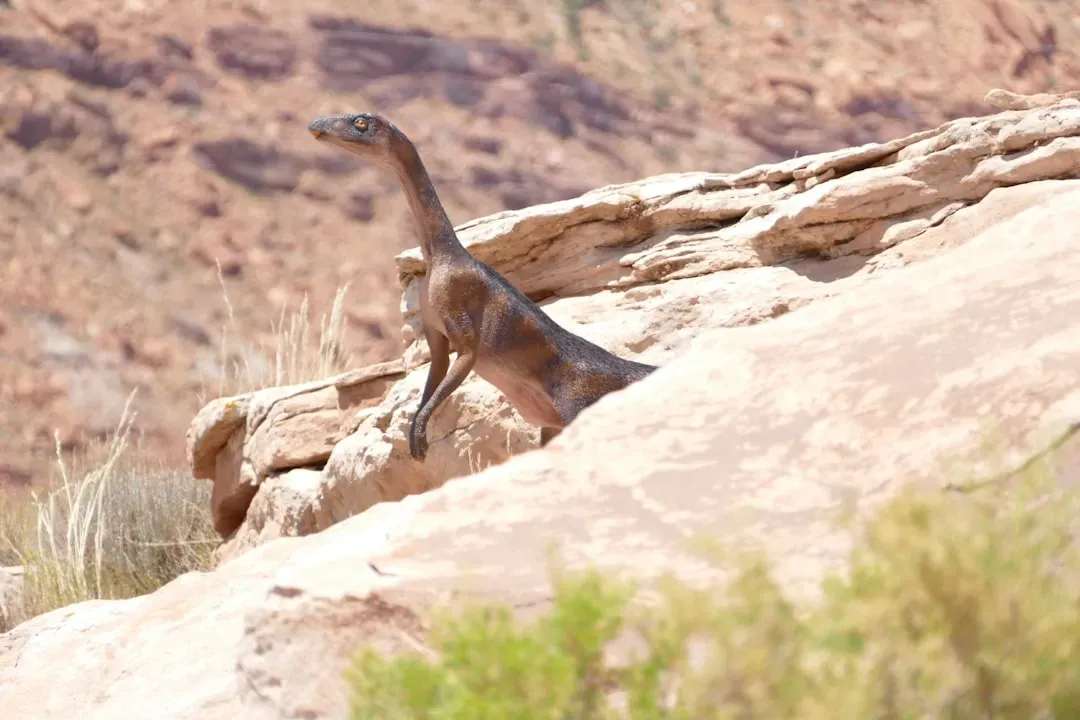
Popular culture tends to picture dinosaurs bursting onto the scene and taking over immediately. The fossil record tells a more patient story. Research reconstructing food webs from Late Triassic and Early Jurassic communities of Poland interprets the studied fossils as recording a stepwise rise of dinosaurs to supremacy across 30 million years of evolution. This wasn’t a sudden coup. It was a long, slow accumulation of competitive advantages.
The change from a world populated by protomammals to one dominated by reptiles didn’t happen overnight. Archosaurs, the “ruling reptiles” that would give rise to dinosaurs, did not become prominent until five to ten million years into the Triassic. These results are consistent with the idea that dinosaurs expanded opportunistically in response to changing environmental conditions. Their rise was less like a takeover and more like water finding its level, steady, inevitable, and shaped by the landscape around it.
The Equatorial Origins Theory: Geography as a Launching Pad
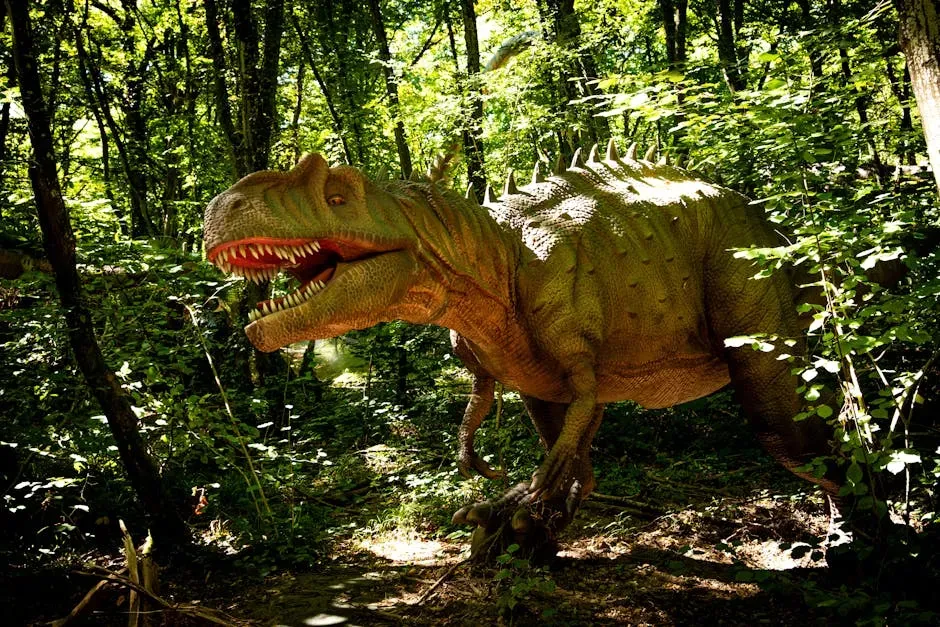
Where you come from shapes what you become, and new research is refining the birthplace of the entire dinosaur lineage. A study published in the journal Current Biology, accounting for gaps in the fossil record, concluded that the earliest dinosaurs likely emerged in a hot equatorial region in what was then the supercontinent Gondwana, an area of land that encompasses the Amazon, Congo basin, and Sahara Desert today. Starting in a warm, productive equatorial zone gave early dinosaurs a rich cradle for diversification.
The new modelling results suggested that dinosaurs as well as other reptiles may have originated in low-latitude Gondwana, before radiating outwards, spreading to southern Gondwana and to Laurasia, the adjacent northern supercontinent that later split into Europe, Asia, and North America. Evidence suggests the other two main groups, theropods and ornithischians, may have developed the ability to generate their own body heat some millions of years later in the Jurassic period, allowing them to thrive in colder regions, including the poles. From a tropical center, they eventually conquered every corner of the planet.
The Upright Posture Theory: How Standing Tall Changed Everything
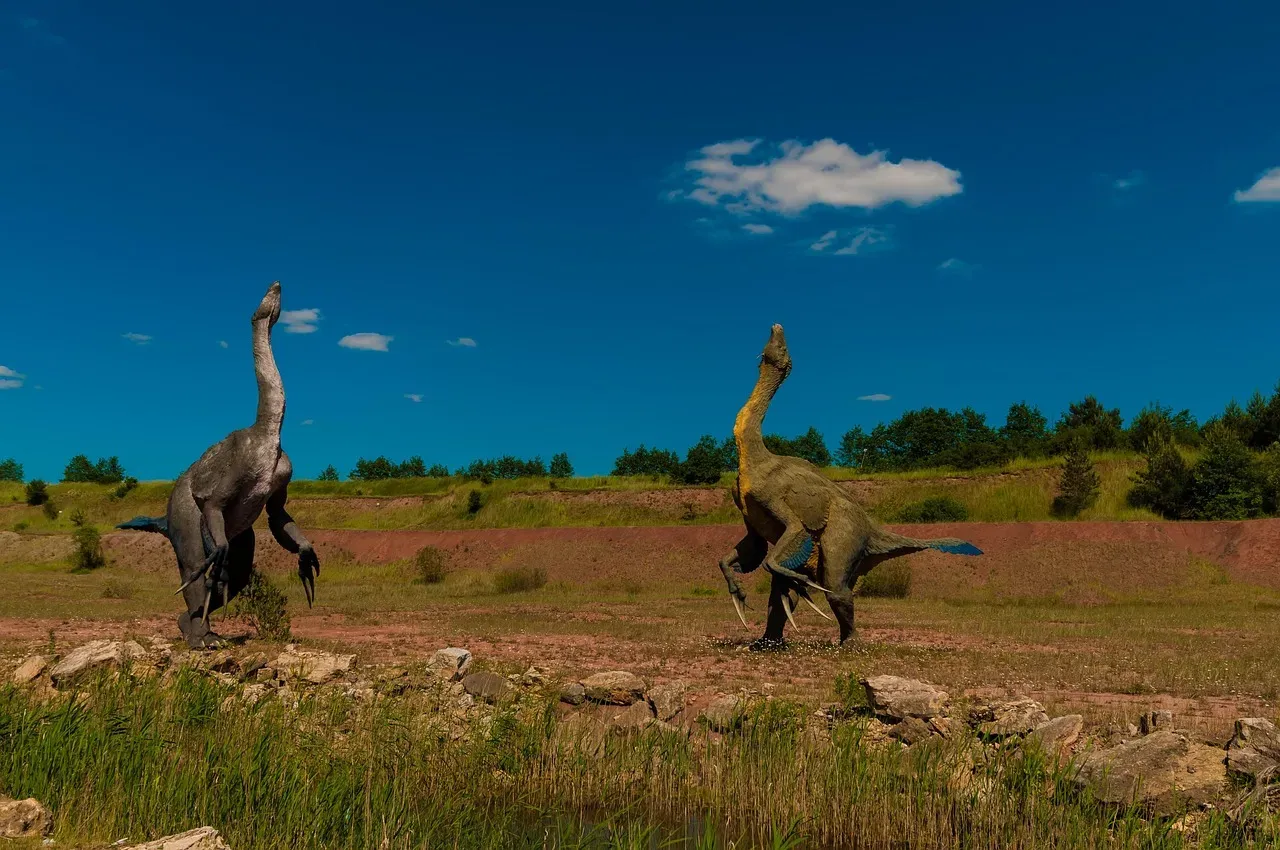
It sounds almost too simple, but the way dinosaurs stood and walked may have been one of their most decisive biological advantages. The first dinosaurs walked upright, holding their legs under their bodies; they could not sprawl. This distinction had cascading effects on their breathing, their endurance, and their ability to compete for resources over sustained periods of time.
An erect posture demands precise balance, the result of a rapidly functioning neuromuscular system. This suggests endothermic metabolism, because an ectothermic animal would be unable to walk or run, and thus to evade predators, when its core temperature was lowered. Other evidence for endothermy includes limb length and bipedalism, both found today only in endotherms. Researchers have reasoned that dinosaurs would have needed to be endothermic since they would have needed better aerobic abilities and higher power generation to compete with and dominate over mammals as active land animals throughout the Mesozoic era. Standing upright wasn’t just a posture. It was the foundation of an entire biological system built for sustained dominance.
Conclusion
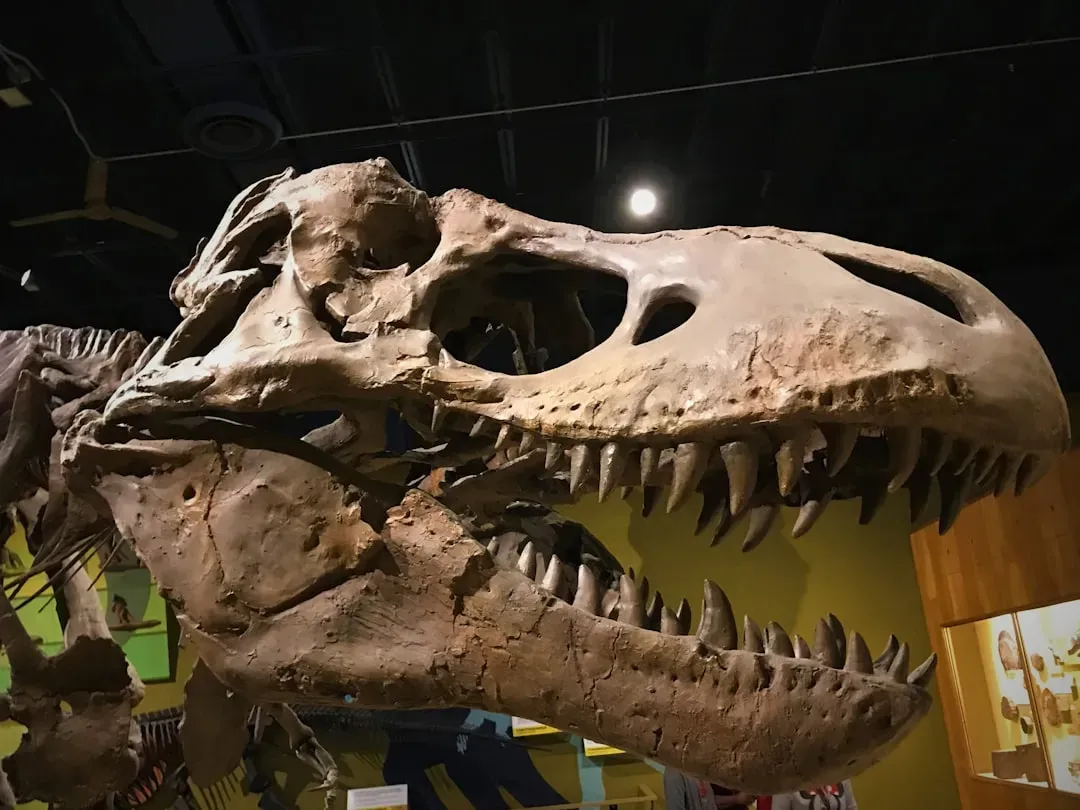
No single theory explains 165 million years of dominance on its own. What you find instead is a remarkable convergence of advantages, metabolic flexibility, locomotor range, cold-weather resilience, volcanic luck, and a gradual geographic expansion that no competitor could match. Fossils reveal that dinosaurs were flourishing in diverse ecosystems right up until the asteroid impact ended their reign. They didn’t fade quietly. They were stopped mid-stride by a cosmic event, still thriving and still evolving.
Dinosaurs may be long extinct, but recent science has made it abundantly clear that they’re anything but settled science. New fossils, reanalyses of famous specimens, and the use of increasingly sophisticated tools have continued to upend what we thought we knew about how these animals lived, moved, fed, and evolved. Some discoveries filled in long-missing gaps in the fossil record, while others forced researchers to confront the uncomfortable reality that a few long-held assumptions were simply wrong. The more carefully we look, the more impressive they become. Their story is still being written, one bone fragment and one fossil bed at a time.