Across the United States, birds once forced into violent cockfighting rings now roam freely in protective havens, marking a profound shift from suffering to solace.
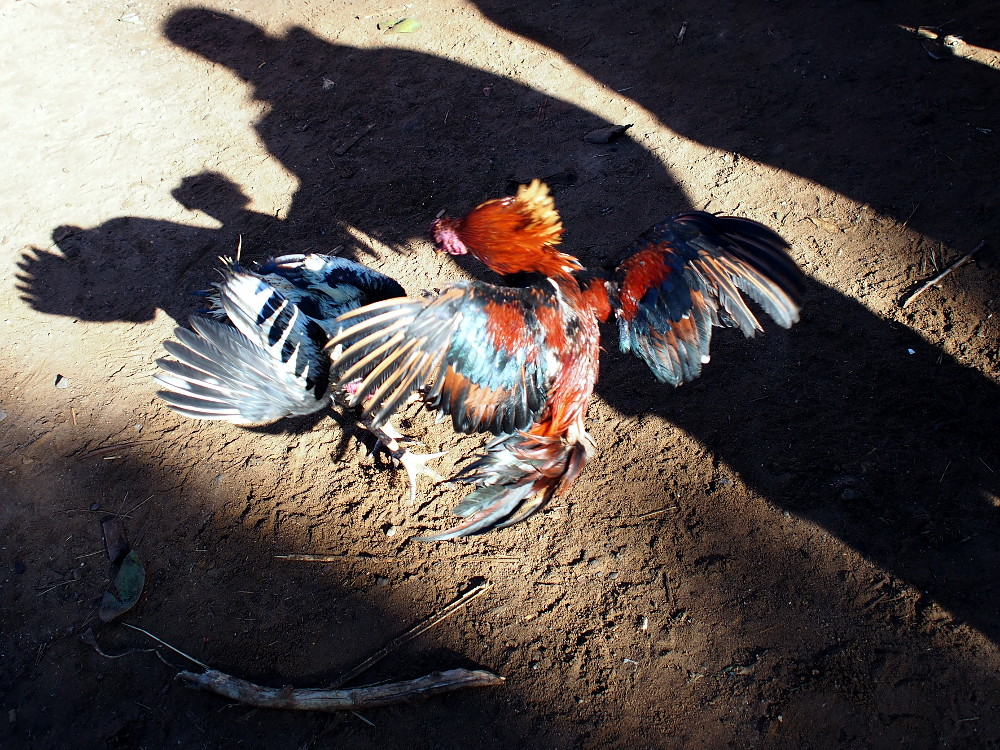
The Hidden Cruelty of Cockfighting Operations

The Hidden Cruelty of Cockfighting Operations (Image Credits: Flickr)
Cockfighting persisted as an underground activity despite its illegality nationwide, subjecting birds to brutal training and fights for profit. Authorities uncovered numerous rings in recent years, revealing the extent of the abuse. In one operation in Yelm, Washington, rescuers discovered over 500 birds alongside neglected livestock. These birds often endured starvation, injuries, and isolation to prepare them for combat. Law enforcement officials described the scenes as heartbreaking, with birds bearing scars from repeated battles.
The practice relied on cruelty to generate revenue, as noted by experts in animal welfare. Chris Schindler, law enforcement director at MSPCA-Angell, emphasized that such operations thrived on exploitation. Busts in places like Springfield, Massachusetts, and Kensington, Pennsylvania, exposed similar horrors, leading to charges against those involved. Each raid highlighted the urgent need for intervention to end the cycle of violence.
High-Stakes Rescues Bring Hope
Law enforcement teams coordinated with animal welfare groups to execute swift rescues, saving hundreds of birds from imminent harm. In a 2025 bust in Yelm, nearly 600 animals received immediate care, with 99 chickens transferred to Pasado’s Safe Haven. Similarly, 65 birds found freedom in Springfield after a raid that resulted in arrests. These operations demanded careful handling to minimize stress on the traumatized animals.
Volunteers and veterinarians worked around the clock to assess injuries and provide initial treatment. In Kensington, dozens of chickens avoided further peril when authorities dismantled the ring. Such efforts not only dismantled illegal networks but also offered the birds a pathway to recovery. The collaboration between agencies ensured that rescued birds received prompt medical attention and safe transport to sanctuaries.
Adaptation and Healing in Sanctuary Environments
Upon arrival at facilities like Farm Sanctuary and Pasado’s Safe Haven, the birds underwent gradual rehabilitation to rebuild their trust and health. Many arrived weak and fearful, but dedicated caregivers provided nutritious food, clean spaces, and gentle interactions. Stories emerged of individual birds, such as a hen named Mesa, who transitioned from a life of brutality to one filled with exploration and affection for treats like blueberries.
Staff observed remarkable changes as the birds formed social bonds and displayed natural behaviors long suppressed. Roosters, once conditioned for aggression, learned to perch peacefully alongside others. Veterinary care addressed wounds, infections, and nutritional deficiencies, fostering physical strength. Over time, these sanctuaries became true homes, where birds enjoyed the freedom to dust-bathe and forage without fear.
Overcoming Long-Term Challenges
Rehabilitation proved complex, with some birds requiring ongoing medical support for fight-related injuries. Sanctuaries implemented tailored programs, including environmental enrichment to encourage play and reduce stress. Here are key aspects of their care approach:
- Specialized diets to restore vitality and feather health.
- Secure enclosures mimicking natural habitats for safety and comfort.
- Behavioral therapy sessions to help birds readjust to non-competitive living.
- Regular health monitoring to prevent disease outbreaks in communal settings.
- Adoption preparation for suitable birds, ensuring lifelong placement.
Despite progress, challenges like overcrowding in sanctuaries persisted, underscoring the need for public awareness and support. Organizations relied on donations to expand facilities and hire more staff. Success stories, however, inspired continued efforts, showing that even severely traumatized birds could thrive.
Key Takeaways
- Cockfighting busts have rescued hundreds of birds in recent years, highlighting effective law enforcement.
- Sanctuaries provide essential rehabilitation, turning survivors into content residents.
- Public involvement through support and advocacy accelerates the end of such cruelty.
As these birds flourish in their new environments, their journeys remind us of the resilience found in second chances and the impact of compassionate action. What steps can communities take to support animal welfare initiatives like these? Share your thoughts in the comments.