When most people think of dinosaurs in literature, they immediately picture scenes from Jurassic Park or The Lost World. But the relationship between these ancient creatures and the written word goes back much further than you might expect. From the very first fossil discoveries in the 1800s to today’s scientifically informed fiction, dinosaurs have captured the imagination of writers and readers alike in ways that continue to evolve.
The journey of dinosaurs through literature mirrors our own understanding of these magnificent beasts. What started as mysterious monsters in Victorian adventure tales has transformed into complex ecosystems and scientifically grounded narratives. This literary evolution tells us as much about human nature as it does about prehistoric creatures.
The Birth of Dinosaur Fiction in Victorian England

The very first dinosaur stories emerged during a time when paleontology was still in its infancy. Victorian England was buzzing with fossil discoveries, and writers couldn’t resist the dramatic potential of these ancient giants. The word “dinosaur” itself was only coined in 1842 by Richard Owen, making these creatures relatively new to the public consciousness.
Early Victorian authors often portrayed dinosaurs as dragons or sea monsters, reflecting the limited scientific understanding of the era. These creatures were typically cast as villains or obstacles to overcome, rather than complex animals with their behaviors and ecosystems. The Gothic horror tradition heavily influenced these early depictions, turning dinosaurs into symbols of primordial terror.
Arthur Conan Doyle’s Revolutionary Lost World
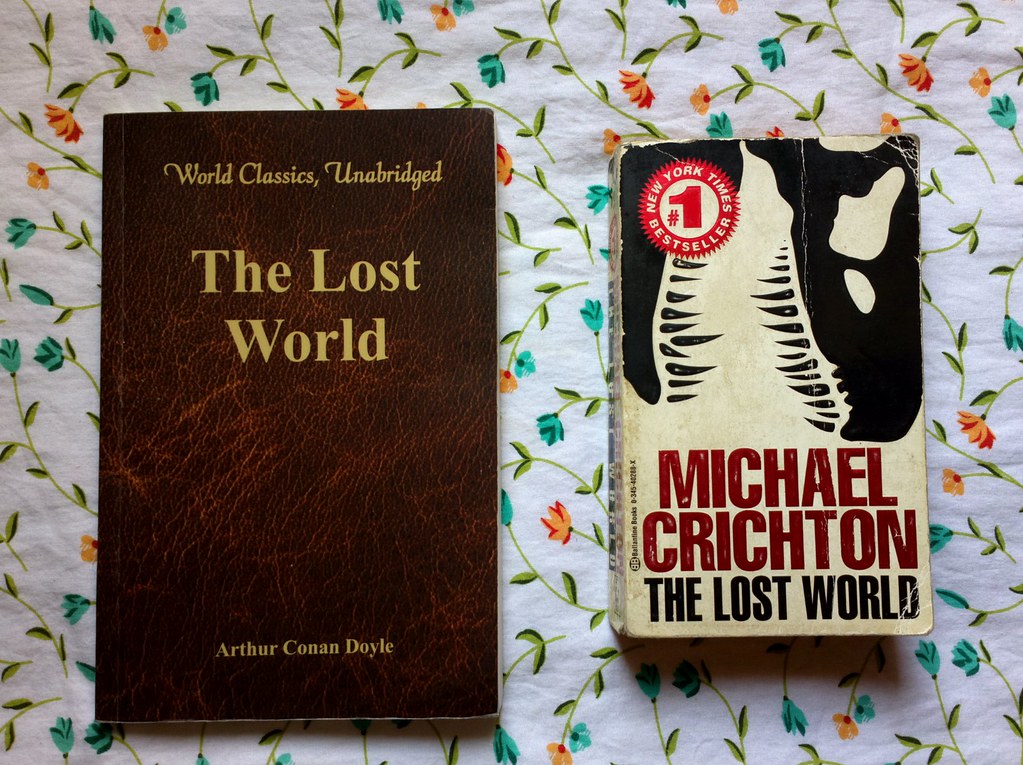
Published in 1912, Arthur Conan Doyle’s “The Lost World” marked a pivotal moment in dinosaur literature. For the first time, dinosaurs weren’t just monsters lurking in the shadows – they were living, breathing creatures inhabiting a complete ecosystem. Professor Challenger’s expedition to the Amazon plateau introduced readers to a world where different species coexisted, hunted, and survived.
Doyle’s approach was revolutionary because he treated dinosaurs as animals rather than mythical beasts. His descriptions drew from the latest paleontological discoveries of his time, even if many of those theories have since been proven wrong. The novel established many tropes that would define dinosaur fiction for decades to come: the isolated plateau, the dangerous expedition, and the clash between primitive and modern worlds.
The Pulp Era and Dinosaur Adventures
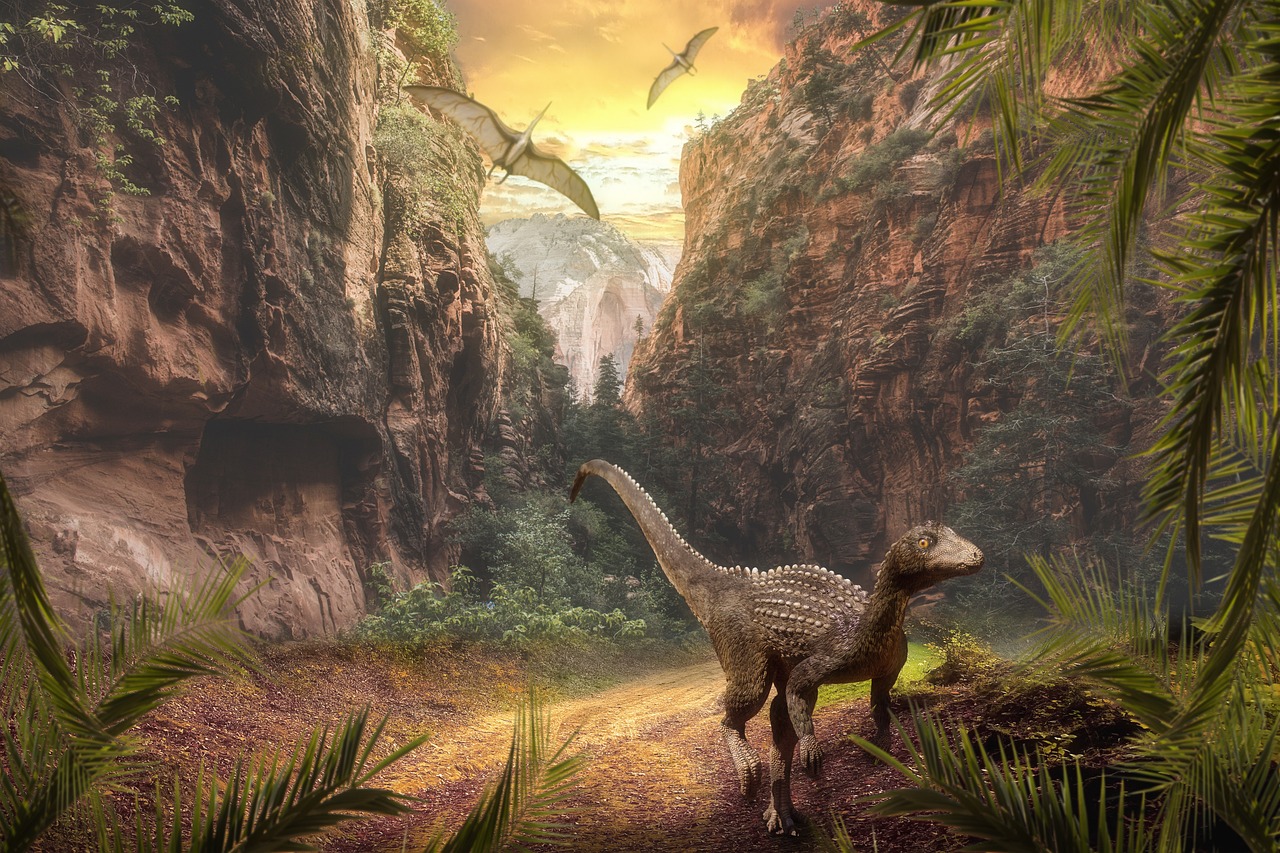
The 1920s through 1950s saw an explosion of dinosaur stories in pulp magazines. Publications like “Amazing Stories” and “Weird Tales” featured countless tales of time travelers, lost civilizations, and prehistoric adventures. These stories were often sensationalized and scientifically inaccurate, but they served an important purpose in keeping dinosaurs in the public eye.
Authors like Edgar Rice Burroughs brought dinosaurs into their adventure series, mixing them with fantasy elements and exotic locations. The pulp era established dinosaurs as reliable crowd-pleasers, capable of generating excitement and wonder in readers of all ages. This period also saw the birth of the “caveman and dinosaur” narrative, even though humans and dinosaurs never coexisted.
Science Fiction’s Embrace of Prehistoric Giants
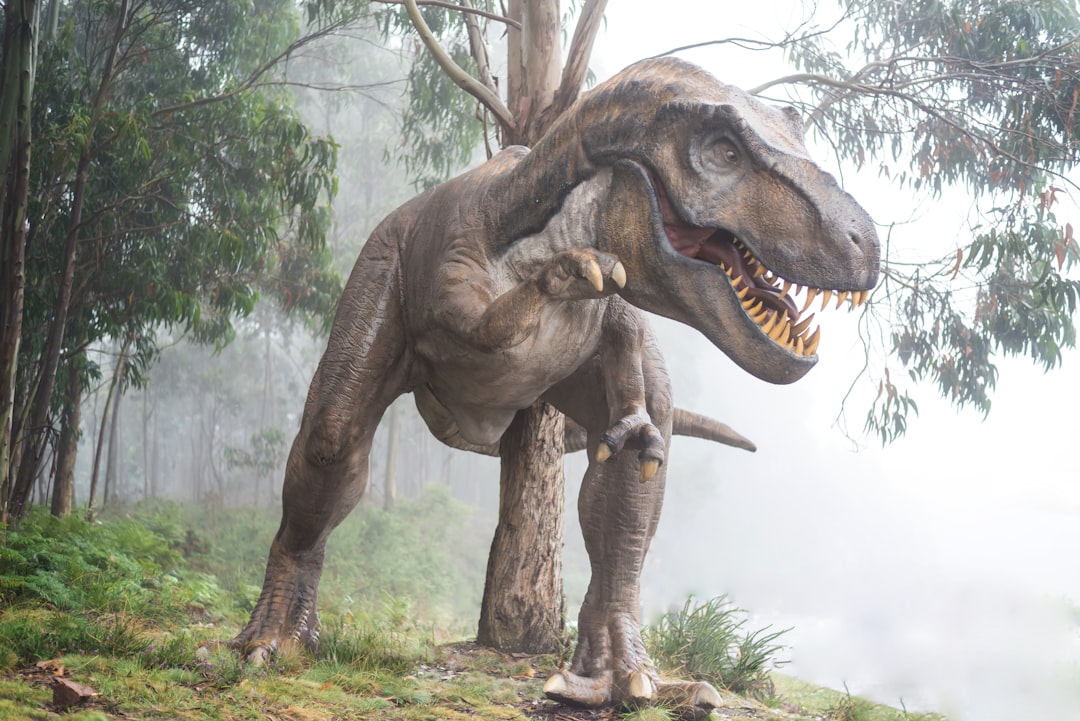
As science fiction matured as a genre, dinosaurs found new roles beyond simple monsters. Writers began exploring concepts like time travel, parallel evolution, and genetic engineering. Ray Bradbury’s “A Sound of Thunder” used dinosaurs to explore the butterfly effect and the consequences of altering the past. The story’s famous Tyrannosaurus rex hunt became a template for countless time travel narratives.
This era saw dinosaurs become vehicles for philosophical and scientific exploration. Authors used these creatures to examine humanity’s place in the natural world, the ethics of scientific advancement, and the fragility of existence. The dinosaur was no longer just a threat – it was a mirror reflecting our mortality and insignificance.
The Children’s Literature Revolution
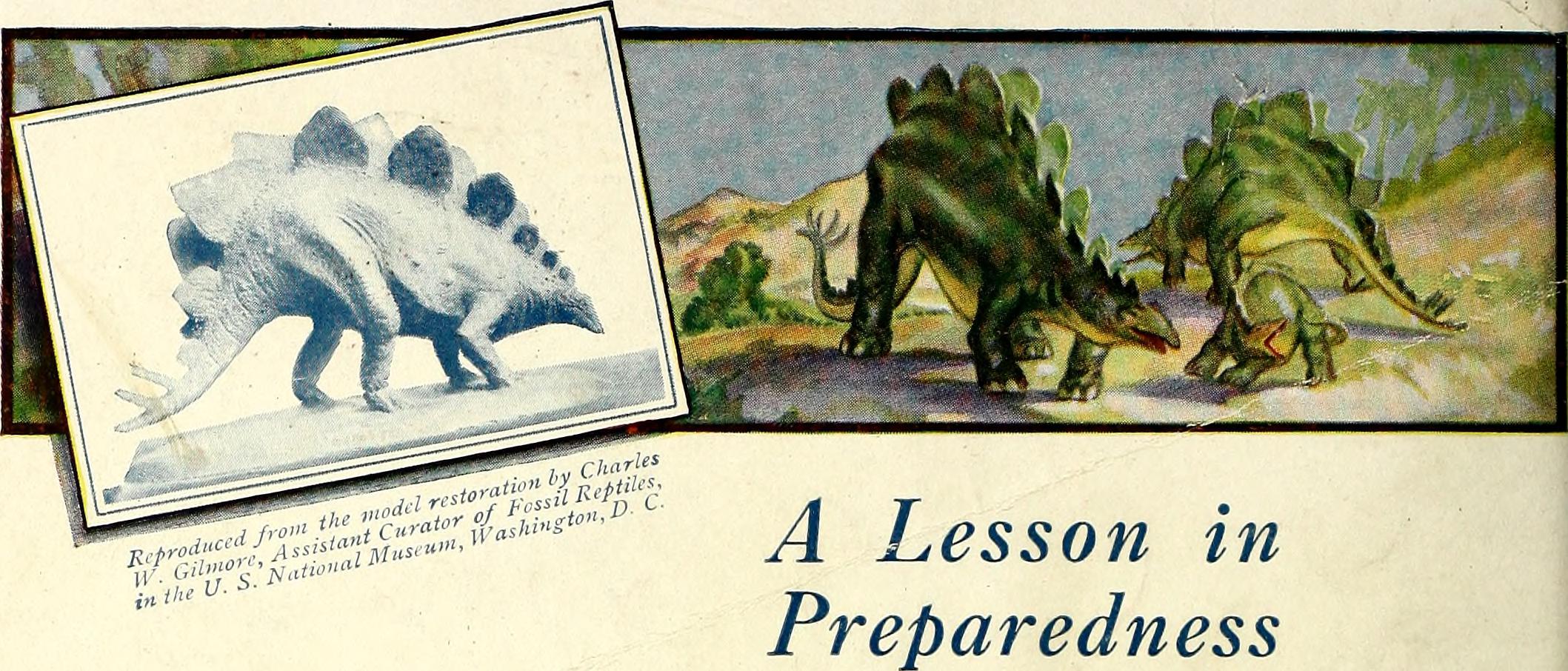
The mid-20th century witnessed dinosaurs making a major breakthrough in children’s literature. Books like “Danny and the Dinosaur” by Syd Hoff transformed these fearsome creatures into friendly companions. This shift reflected changing attitudes toward dinosaurs as scientific understanding improved and popular culture embraced them as fascinating rather than terrifying.
Educational books about dinosaurs became incredibly popular, teaching children about paleontology, evolution, and natural history. Authors like Aliki and Joanna Cole created works that balanced scientific accuracy with engaging storytelling. This period established dinosaurs as gateway animals, introducing young readers to broader concepts about science and natural history.
Michael Crichton’s Scientific Thriller Breakthrough

Michael Crichton’s “Jurassic Park” in 1990 revolutionized dinosaur fiction by grounding fantastical elements in cutting-edge science. The novel explored genetic engineering, chaos theory, and corporate ethics while delivering thrilling dinosaur encounters. Crichton’s background in medicine and his meticulous research created a new standard for scientific authenticity in genre fiction.
The book’s success sparked a renaissance in dinosaur literature, inspiring countless authors to explore similar themes. Crichton showed that dinosaur stories could be both entertaining and intellectually stimulating, appealing to adult readers who might have dismissed such tales as juvenile. His work demonstrated that scientific accuracy could enhance rather than diminish the excitement of dinosaur fiction.
Modern Paleofiction and Scientific Accuracy
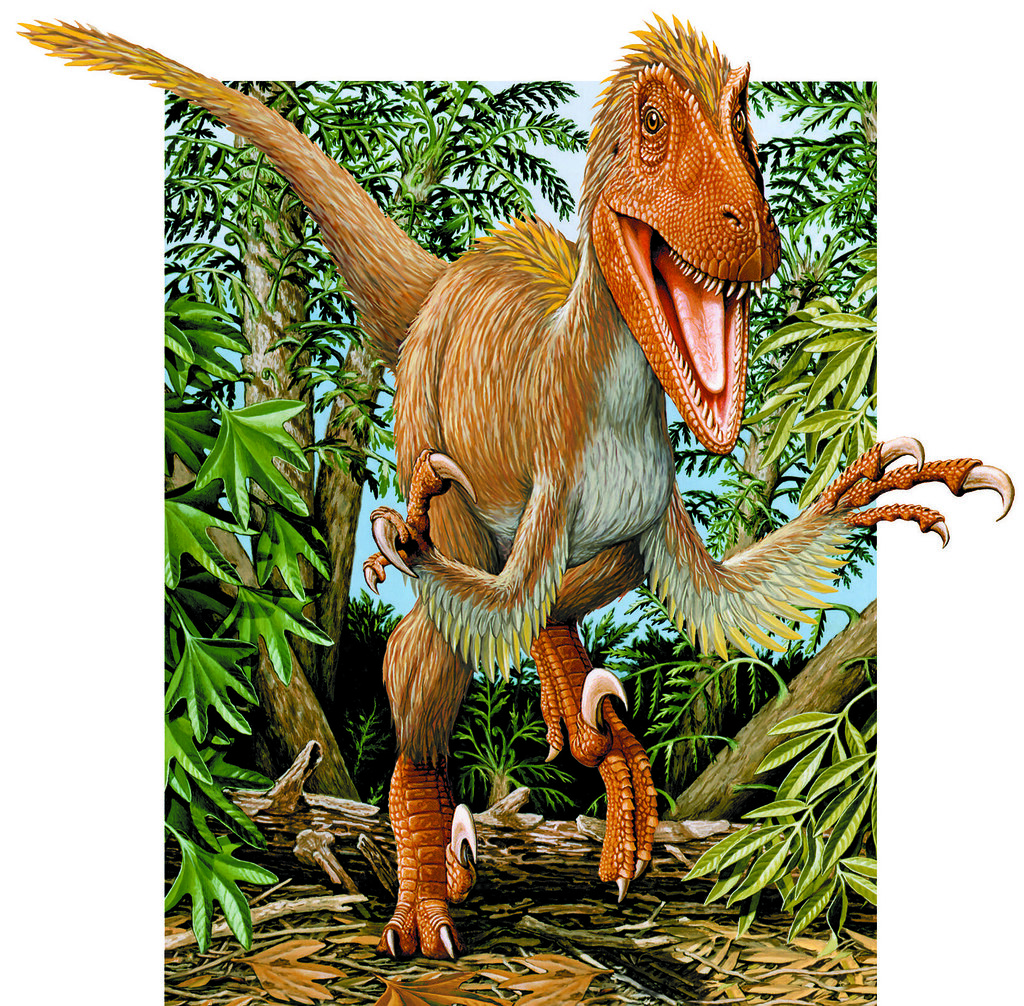
Contemporary dinosaur literature has embraced what’s often called “paleofiction” – stories that prioritize scientific accuracy while maintaining dramatic tension. Authors like Robert J. Sawyer and James Gurney have created works that reflect our current understanding of dinosaur behavior, physiology, and ecology. These stories often feature feathered dinosaurs, complex social behaviors, and realistic ecosystems.
This modern approach treats dinosaurs as complete animals rather than monsters or plot devices. Writers research the latest paleontological discoveries and incorporate findings about dinosaur intelligence, parental care, and social structures. The result is fiction that educates while it entertains, fostering a deeper appreciation for these ancient creatures.
Dinosaurs in Young Adult Literature

Young adult fiction has embraced dinosaurs in increasingly sophisticated ways. Authors like Darren Shan and Jonathan Stroud have created series that blend dinosaur encounters with coming-of-age themes. These books often explore issues of environmental responsibility, scientific ethics, and humanity’s relationship with nature.
The YA approach to dinosaur fiction frequently features protagonists who must navigate both prehistoric dangers and modern teenage challenges. This dual focus allows authors to address contemporary issues while maintaining the excitement of dinosaur encounters. The genre has proven that dinosaur stories can tackle serious themes without losing their sense of wonder.
The Role of Dinosaurs in Fantasy Literature
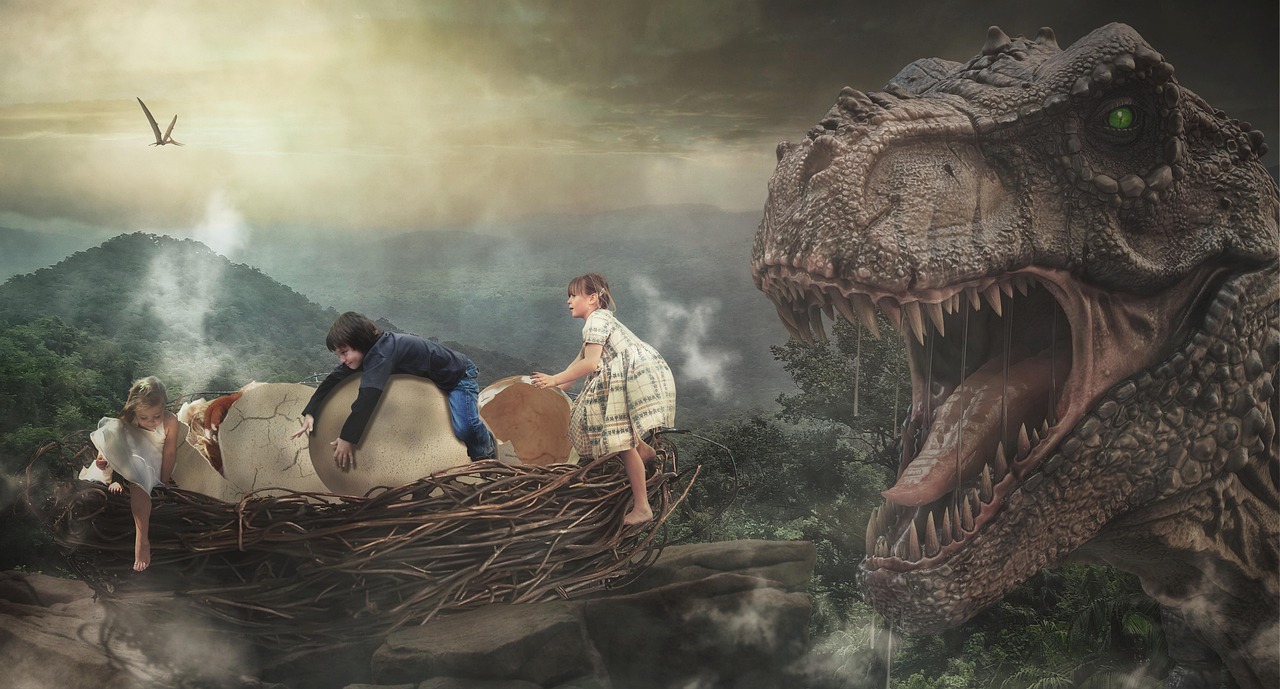
Fantasy literature has embraced dinosaurs as alternatives to traditional dragons and monsters. Authors like Mercedes Lackey and Anne McCaffrey have created worlds where dinosaurs exist alongside magic and mythical creatures. These stories often explore themes of conservation, coexistence, and the balance between civilization and wilderness.
Fantasy dinosaurs frequently serve as companions or allies rather than threats, reflecting changing attitudes toward these creatures. This approach allows authors to explore different aspects of dinosaur behavior and intelligence while maintaining the genre’s emphasis on wonder and adventure. The fantasy treatment of dinosaurs has helped broaden their appeal beyond traditional science fiction audiences.
International Perspectives on Dinosaur Literature

Dinosaur literature isn’t limited to English-speaking authors and audiences. Japanese authors like Hitoshi Iwaaki have created unique takes on dinosaur stories, often blending them with manga and anime aesthetics. European authors have contributed philosophical and literary approaches to dinosaur fiction, exploring themes of time, memory, and extinction.
These international perspectives have enriched the genre by introducing different cultural attitudes toward nature, science, and storytelling. Authors from different backgrounds bring unique viewpoints to dinosaur fiction, creating stories that might never have emerged from a single cultural tradition. This diversity has helped keep dinosaur literature fresh and relevant across different audiences.
The Digital Age and Dinosaur Storytelling
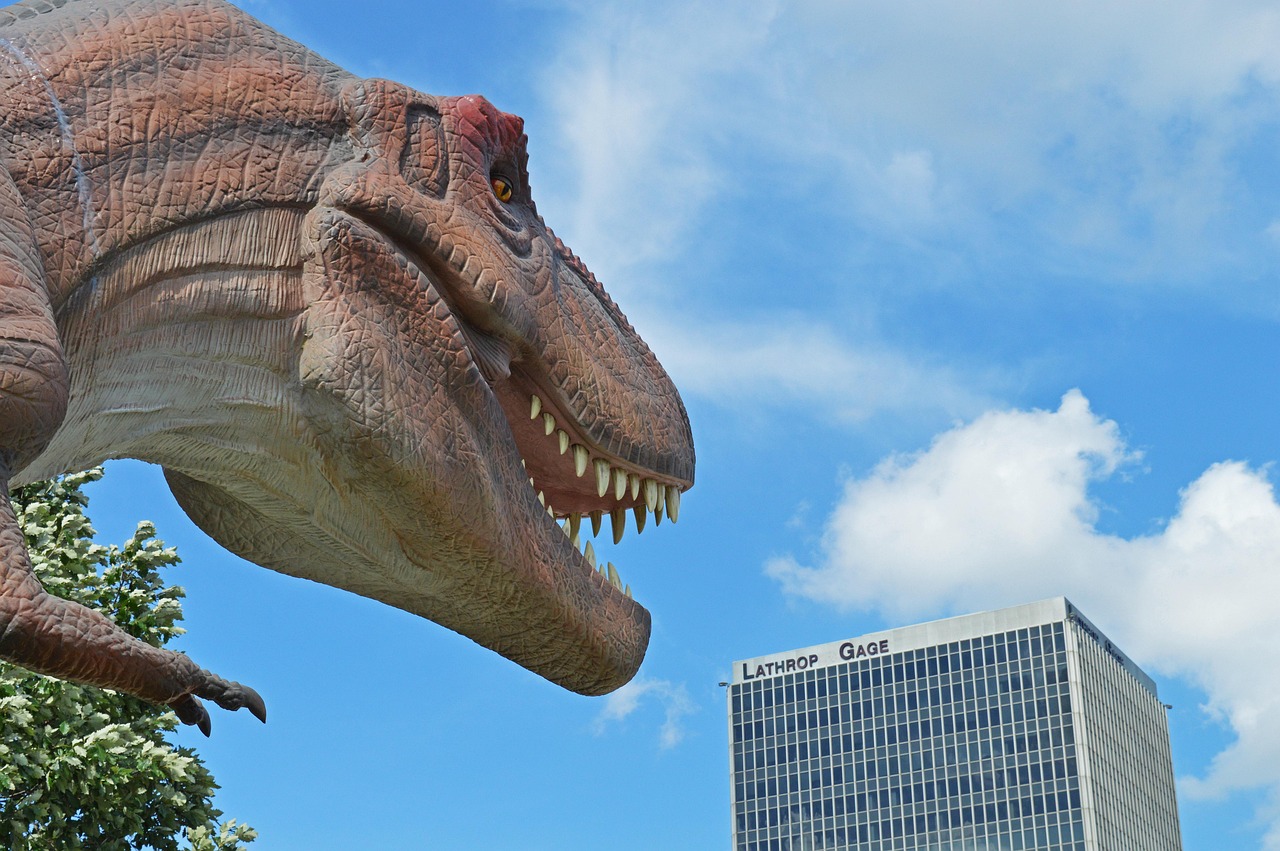
The internet age has transformed how dinosaur stories are created and consumed. Online platforms allow paleontologists and authors to collaborate directly, ensuring greater scientific accuracy in fictional works. Digital publishing has also made it easier for specialized dinosaur fiction to find its audience, leading to more diverse and experimental stories.
Interactive storytelling and multimedia approaches have created new possibilities for dinosaur fiction. Authors can now incorporate real fossil evidence, 3D reconstructions, and scientific data directly into their narratives. This technological integration has blurred the lines between education and entertainment, creating more immersive and informative experiences for readers.
Environmental Themes in Modern Dinosaur Fiction

Contemporary dinosaur literature increasingly addresses environmental concerns and conservation themes. Authors use dinosaur extinctions as metaphors for current environmental crises, exploring how human actions might prevent or cause similar catastrophes. These stories often feature scientists racing against time to prevent ecological disasters or preserve endangered species.
The environmental approach to dinosaur fiction reflects growing awareness of climate change and biodiversity loss. Authors like Kim Stanley Robinson and Paolo Bacigalupi have incorporated dinosaur themes into their climate fiction, using these ancient creatures to illustrate the fragility of ecosystems and the importance of conservation efforts.
The Future of Dinosaurs in Literature
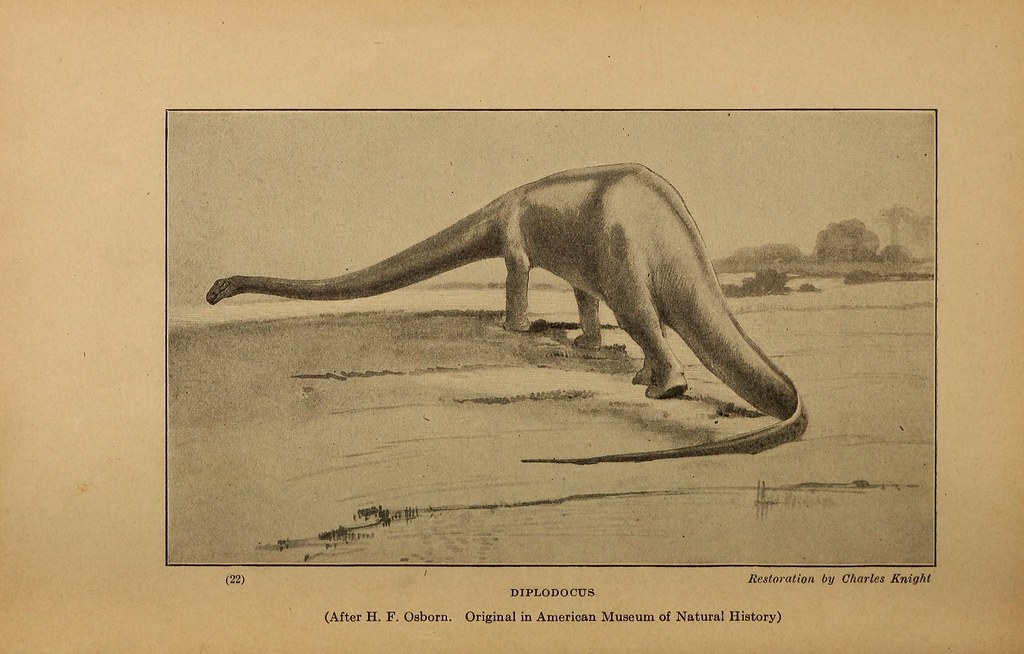
As our understanding of dinosaurs continues to evolve, so too does their literary representation. Discoveries about dinosaur behavior, intelligence, and social structures provide fresh material for authors to explore. The recent focus on dinosaur parenting behaviors and complex social hierarchies has opened new avenues for character development and emotional storytelling.
Emerging technologies like virtual reality and augmented reality are creating new possibilities for dinosaur storytelling. Authors are beginning to experiment with immersive narratives that place readers directly into prehistoric environments. These innovations suggest that the future of dinosaur literature will be even more engaging and scientifically informed than what we’ve seen before.
The Enduring Appeal of Prehistoric Giants

What makes dinosaurs such enduring subjects for literature? Perhaps it’s their perfect combination of familiarity and mystery – we know enough about them to make them believable, but not so much that they lose their sense of wonder. They represent both the power of nature and the fragility of existence, themes that resonate across cultures and generations.
Dinosaurs also serve as powerful symbols for change, evolution, and adaptation. In an era of rapid technological and environmental change, these ancient creatures remind us that survival requires flexibility and resilience. Their stories often reflect our struggles to adapt to changing circumstances while maintaining our essential nature.
Conclusion
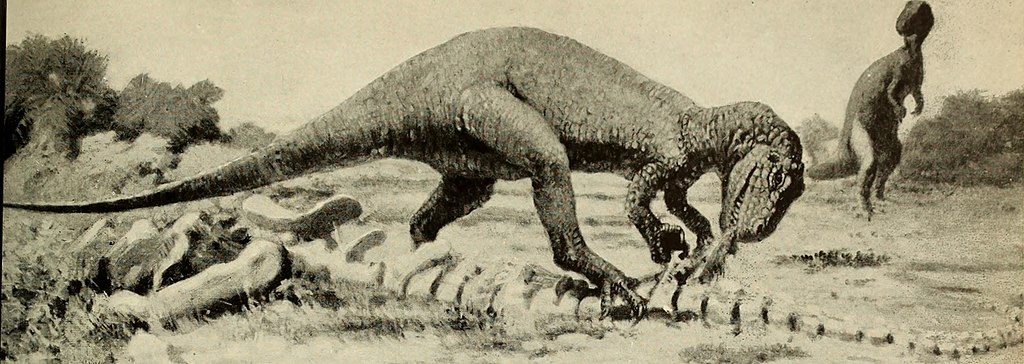
The literary journey of dinosaurs from Victorian monsters to modern marvels reflects humanity’s evolving relationship with science, nature, and our place in the world. These ancient creatures have served as everything from nightmarish villains to beloved companions, always adapting to reflect the concerns and interests of their time. As paleontology continues to reveal new secrets about dinosaur behavior and biology, literature will undoubtedly find new ways to bring these magnificent creatures to life. The next chapter in this ongoing story promises to be as exciting as anything that’s come before. What discoveries might change how we write about dinosaurs next?