Imagine standing at the edge of a shallow, murky Devonian swamp roughly 375 million years ago. A strange, flat-headed creature pulls itself upward on stubby, fin-like limbs, gasping at the air above the waterline. Nothing dramatic is announced. No fanfare. Just a quiet, almost accidental moment that would eventually give rise to every reptile, bird, and mammal that has ever walked this Earth. It is honestly one of the most jaw-dropping stories in all of natural history, and yet most people have never heard the full version.
This is the saga of how early reptiles broke free from the water, cracked the code of dry-land survival, and diversified into creatures that would come to dominate an entire planet. From revolutionary bones and revolutionary eggs, to ancient skin impressions pressed into German rock right up to 2026, the details are astonishing. So let’s dive in.
The Ancient Fish That Dared to Walk
http://nsf.gov/news/mmg/mmg_disp.cfm?med_id=58310
http://nsf.gov/news/news_summ.jsp?cntn_id=106807
https://flickr.com/photos/nsf_beta/3705198718, Public domain)
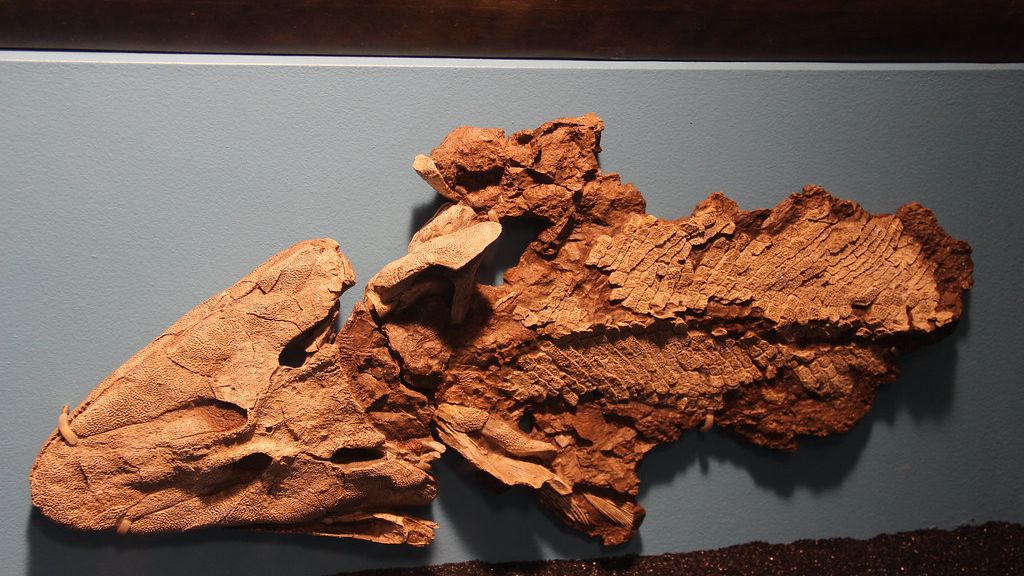
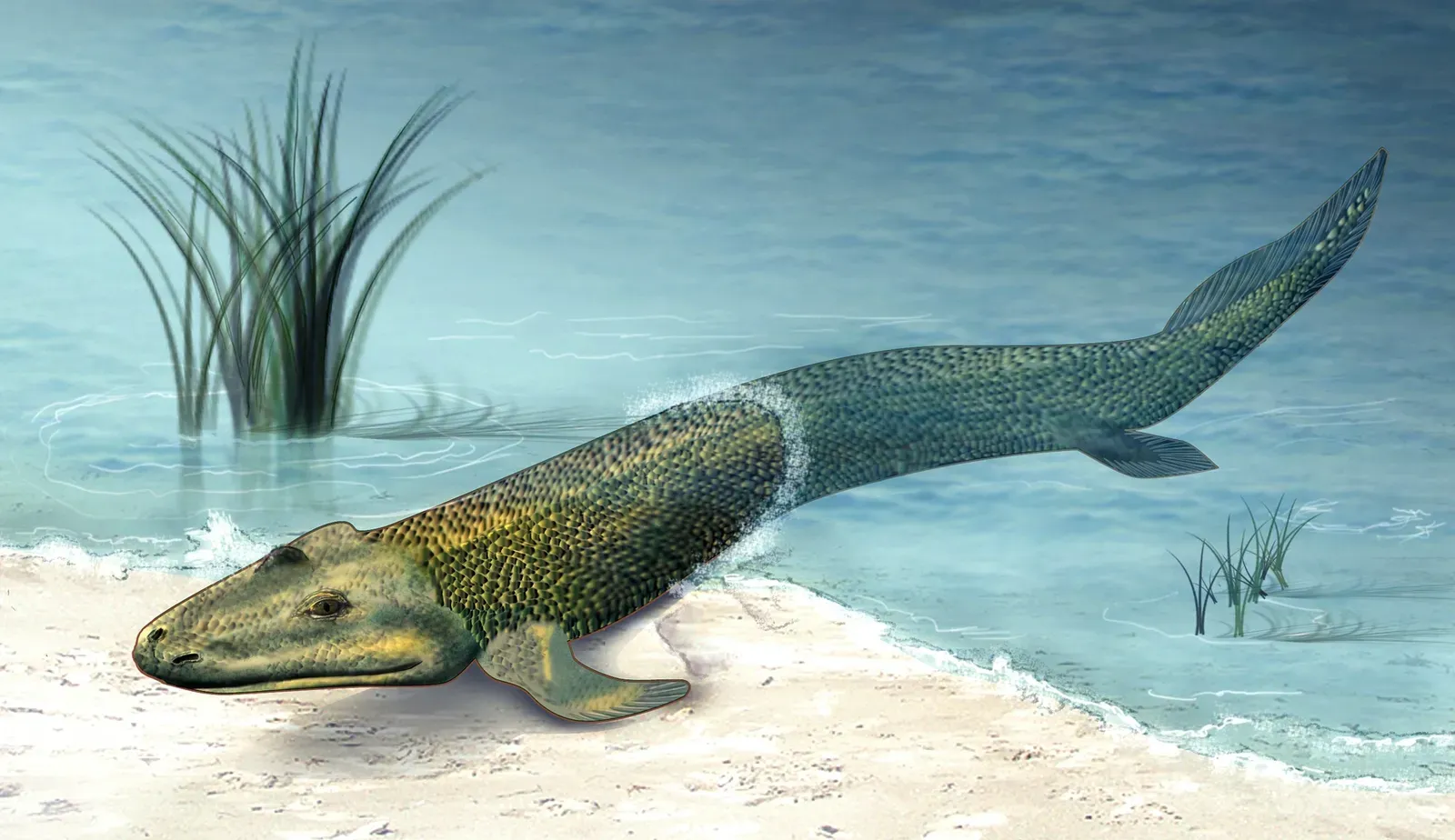
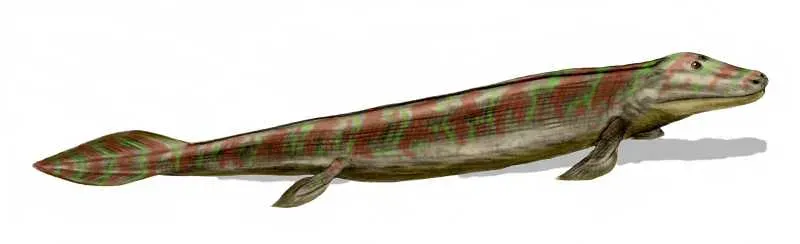
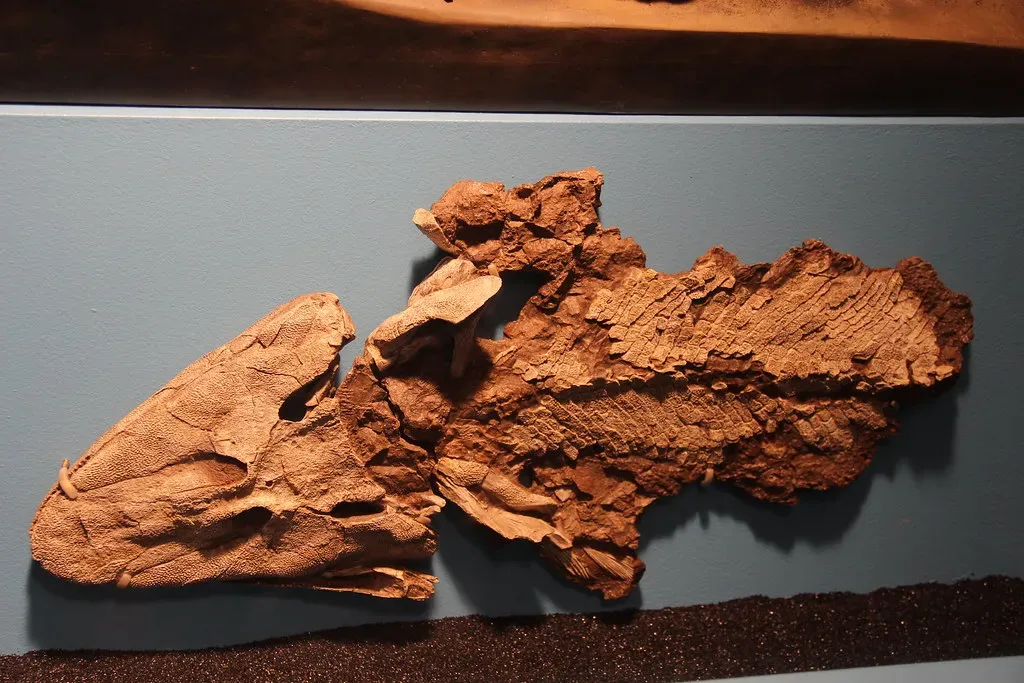
You might think the story of land reptiles begins with, well, reptiles. It doesn’t. It begins with fish. Specifically, a lobe-finned fish so extraordinary that scientists have spent decades marveling at it. Tiktaalik is a monospecific genus of extinct sarcopterygian (lobe-finned fish) from the late Devonian Period, about 375 million years ago, having many features similar to those of tetrapods. Think of it as the world’s most ambitious fish, caught halfway between two completely different lifestyles.
A lobe-finned fish with a broad flat head and sharp teeth, Tiktaalik looked like a cross between a fish and a crocodile, growing up to a length of 9 feet as it hunted in shallow freshwater environments. It had gills, scales and fins, but also had tetrapod-like features such as a mobile neck, robust ribcage, and primitive lungs. That combination is remarkable. It is like finding a bicycle with a car engine tucked inside the frame. In particular, its large forefins had shoulders, elbows and partial wrists, which allowed it to support itself on the ground.
Why Leave the Water at All?
Here’s the thing people rarely ask: why bother? The ocean and freshwater were already full of food. Life underwater had worked for hundreds of millions of years. At about the same time plants were colonising the land, their roots would have stabilised the earth around the water’s edge and provided food and new habitats for insects to leave the water. Once that happened there would have been lots of food for any creature that made it on land, creating strong selection favouring the evolution of tetrapods. Land was, essentially, an untapped buffet.
There is another angle that is almost comically relatable. As one vertebrate paleontologist put it, the motivation was plain: there were resources on land, plants and insects, and sooner or later something would evolve to exploit them. If you look at the other fish in the water at the time, they were big, monstrous predators. Some exceeded 20 feet in length. Even for Tiktaalik, a toothy carnivore itself, this was a predator-rich, competitive environment. Sometimes evolution is less about aspiration and more about escaping a very bad neighborhood.
The First Steps: Tetrapods Take the Plunge onto Land
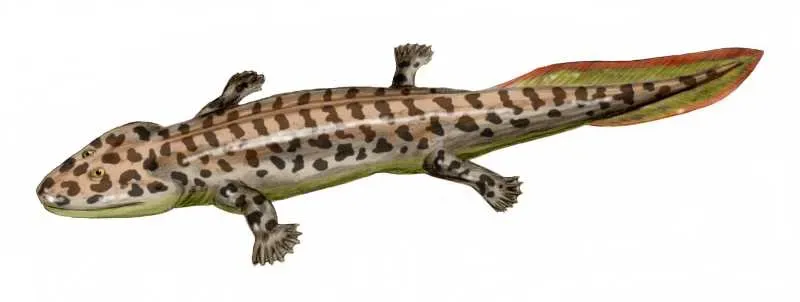
The first land vertebrates, the Tetrapoda, appeared about 397 million years ago, near the middle of the Devonian Period. Despite having limbs rather than fins, early tetrapods were not completely terrestrial because their eggs and larvae depended upon a moist aquatic habitat. So they had legs, sure. Honestly though, they were still fundamentally tied to the water in their most critical biological function: reproduction. Like a student who moves out of home but still goes back for laundry.
Towards the end of the Devonian period (about 360 million years ago) we find true terrestrial tetrapods such as Hynerpeton, Greerpeton, and Tulerpeton. These animals looked very much like big salamanders, with limbs able to support their weight and drive locomotion, ribcages strong enough to prevent the lungs collapsing, and neck joints which increased the mobility of the head. Each of those adaptations, the ribcage, the neck, the limb joints, they were not cosmetic changes. They were wholesale engineering revolutions, built slowly across millions of years.
The Amniotic Egg: Evolution’s Greatest Invention

You want to talk about a genuine game-changer? In evolutionary terms, reptiles advanced beyond amphibians by becoming capable of living completely terrestrial existences, without the need to return to the water for reproduction. The beginning of the reptiles is marked by the appearance of amniote eggs, in which an embryo could develop on land in a protected watery environment without having to pass through the larval stages that are typical of the amphibian life cycle. That single biological innovation separated the future reptiles from everything that came before them.
The reptiles, including dinosaurs and birds, are distinguished from amphibians by their terrestrially adapted egg, which is supported by four extraembryonic membranes: the yolk sac, the amnion, the chorion, and the allantois. Think of the amniotic egg as a self-contained space capsule for a developing embryo. The amnion protects the embryo from mechanical shock and supports hydration, while the allantois stores nitrogenous wastes and facilitates respiration. The embryo carried its own private ocean, wrapped in biological packaging, free from rivers, puddles, or ponds.
Scaly Skin: The Armor That Changed Everything
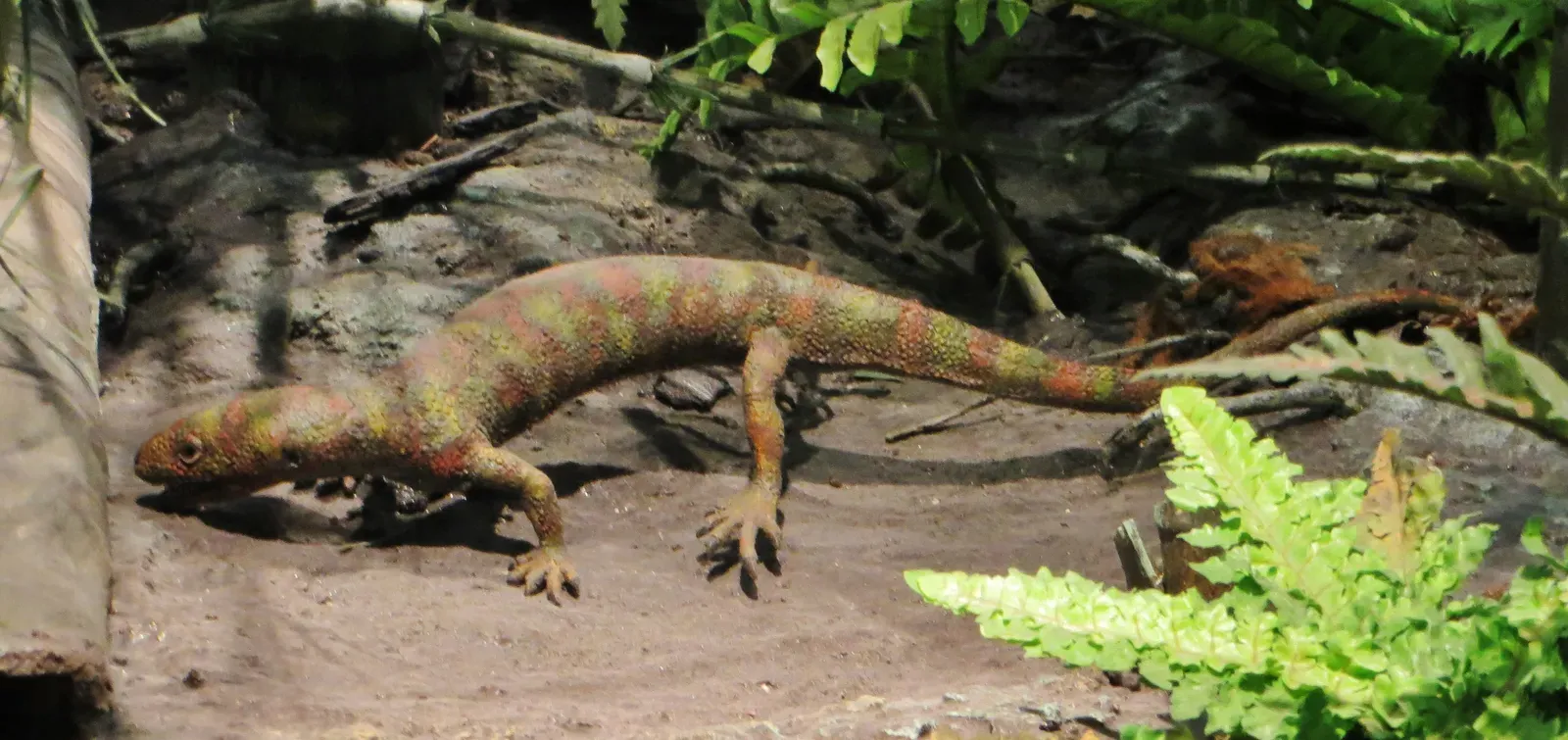
If the amniotic egg was evolution’s greatest invention, scaly, keratinized skin was its most underappreciated one. One of the key adaptations that permitted reptiles to live on land was the development of scaly skin containing the protein keratin, which prevented water loss from the skin. Water loss is a slow death on dry land. Without this biological waterproofing, no amount of clever limb evolution would have mattered. The body would simply have dried out.
Reptiles were able to colonize the terrestrial environment due to the changes in the epidermal structures, and the initial adaptation for this was the movement of the keratinocytes from the basal layer to the upper epidermal layers. In 2026, we even have extraordinary direct fossil evidence of this. The earliest reptile skin impressions were found on a slab with associated footprints of an early reptile (Varanopus microdactylus), from material dating to the Early Permian. Modern radiometric dating places these finds at around 299 to 298 million years old, making them the oldest direct evidence of reptile skin found to date. Touching ancient proof, preserved in rock, of the very armor that set these animals free.
The Earliest Known Reptiles: Hylonomus and the Carboniferous World
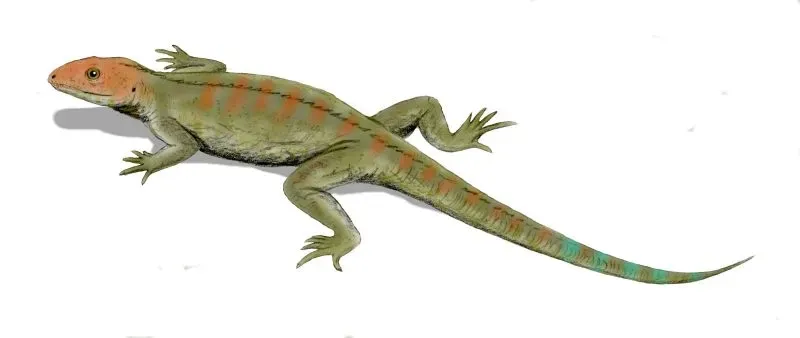
Reptiles arose about 320 million years ago during the Carboniferous period. The world back then was a steamy, forested landscape of vast coal swamps, nothing like the dry open plains most people associate with reptile life. The earliest known reptiles, Hylonomus and Paleothyris, date from Late Carboniferous deposits of North America. These reptiles were small lizardlike animals that apparently lived in forested habitats. They were not fearsome monsters. Honestly, they were modest little animals, but they were the heirs to a biological revolution.
The tracks attributed to Hylonomus make it the oldest unquestionable reptile known. It was a small, lizard-like animal, about 20 to 30 centimetres long, with numerous sharp teeth indicating an insectivorous diet. The earliest reptiles were largely overshadowed by bigger labyrinthodont amphibians and remained a small, inconspicuous part of the fauna until after the small ice age at the end of the Carboniferous. It’s a pattern that feels familiar, the quiet underdog waiting for its moment while the flashier creatures hog the spotlight.
Transitional Fossils and the Clues They Leave Behind
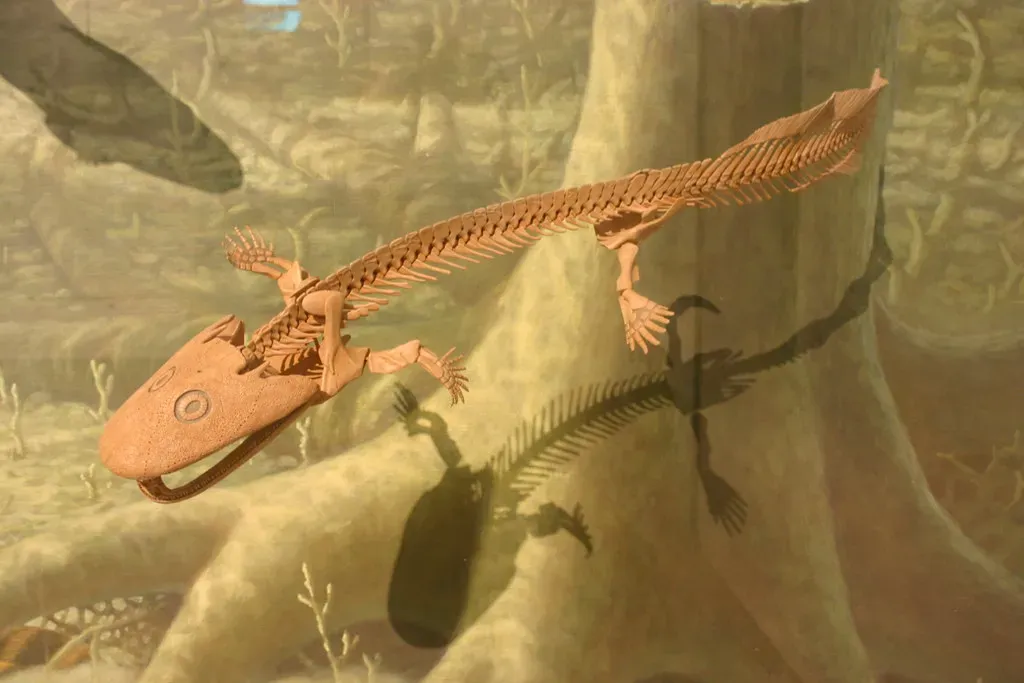
One of the big challenges scientists face in understanding this epic transition is that the fossil record is wonderfully imperfect. Flippers and webbing between fingers and toes rarely make it into the fossil record. Instead, paleontologists rely on the shape of an animal’s bones to determine whether it evolved for swimming or moving on land. It is detective work on a geological timescale, inferring entire lifestyles from the curvature of a single humerus bone.
Harvard researchers tackled this problem head-on with a clever approach. Researchers at Harvard examined 40 three-dimensional models of fossil humeri (upper arm bones) from extinct animals that bridge the water-to-land transition. In the 1990s, newly discovered specimens suggested that the first tetrapods retained many aquatic features, like gills and a tail fin, and that limbs may have evolved in the water before tetrapods adapted to life on land. That flips the conventional picture entirely. The legs, it seems, came first. The land came second.
From Land to Sea and Back Again: The Remarkable Reversals
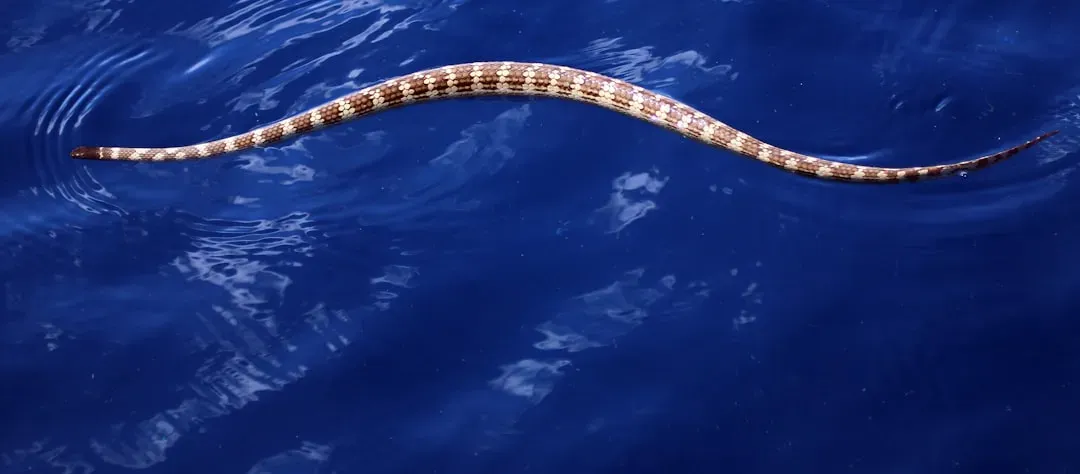
Here is where the story truly becomes mind-bending. After all the evolutionary effort to conquer dry land, many reptile lineages turned around and went right back to the water. Over 370 million years ago, early ancestors of today’s reptiles and mammals crawled out of the water onto land. Since then, many of their descendants have independently returned to the ocean, evolving remarkably similar solutions for their new lives underwater. Evolution, it seems, is perfectly happy to run the same experiment twice.
This tendency to evolve flippers may partly explain why reptiles recovered more quickly and invaded the oceans after an extinction event known as the “Great Dying” wiped out the vast majority of Earth’s animal species 252 million years ago. Research adds to the list of sea creatures whose ancestors were land-dwelling vertebrates. They include modern-day whales, seals, and sea snakes, and ancient, now-extinct species of ichthyosaurs, mosasaurs, and plesiosaurs. The ocean called, and life answered, again and again, across hundreds of millions of years.
Conclusion: A Story Written in Stone and Still Being Read
The journey from sea to land is not just a chapter in paleontology textbooks. It is the foundational story of your own existence. Every vertebrate alive today, including you, carries the inherited architecture of that ancient transition in your bones, your lungs, and your limbs. The water-to-land transition is one of the most important and inspiring major transitions in vertebrate evolution. And yet, we are still unraveling its full complexity.
Fossil evidence suggests four-legged tetrapods may have transitioned from ocean to land 35 million years earlier than previously thought, meaning the timeline we learned in school may already be out of date. Our understanding of this key moment in evolutionary time may continue to shift, as more fossils are discovered. The rocks are still talking. Scientists, right now in 2026, are still listening carefully. The story of early reptile evolution is not closed, and that, more than anything, is what makes it endlessly fascinating.
Every time a new fossil is pulled from the ground, it rewrites a chapter of your own deep past. What does it feel like to know that the history of your own body is still being discovered?