Fukushima, Japan – Escaped domestic pigs and wild boars have produced generations of hybrids in the abandoned evacuation zone around the Fukushima Daiichi nuclear plant since the 2011 disaster.
Hybrids Dominate After Human Evacuation
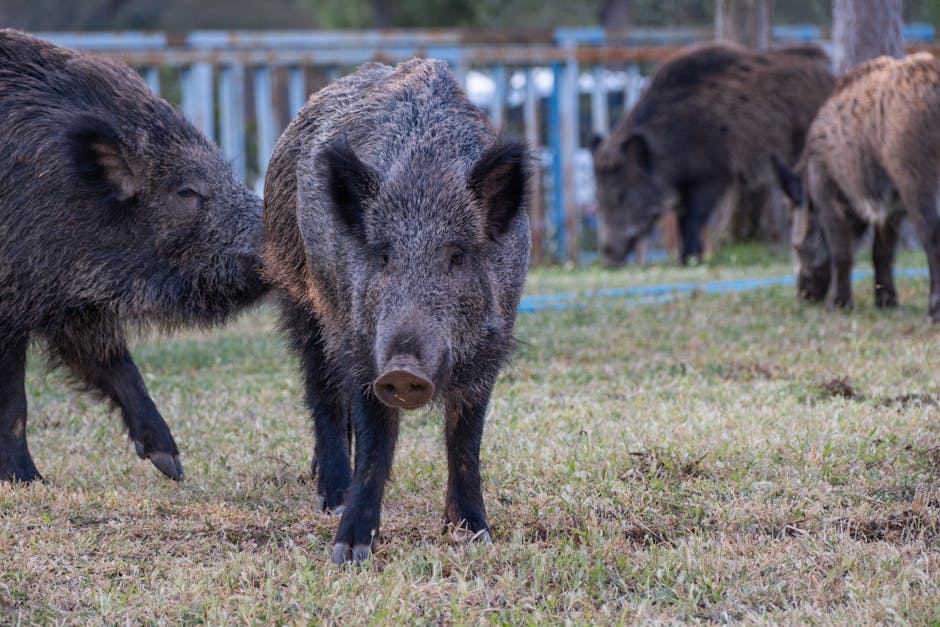
Hybrids Dominate After Human Evacuation (Image Credits: Pexels)
Researchers discovered that most animals in the area now carry hybrid traits, with many at least five generations removed from their original wild boar ancestors. The 2011 earthquake, tsunami, and nuclear meltdown forced residents to flee, leaving behind farms where domestic pigs broke free. These animals quickly intermingled with local wild boars, known scientifically as Sus scrofa leucomystax.
The exclusion zone, labeled a “difficult-to-return” area, provided ideal conditions for unchecked breeding. Wild boars, already abundant, faced no human interference. Domestic pigs, or Sus scrofa domesticus, added their genes to the mix, altering the local population dynamics in unexpected ways.
Genetic Analysis Exposes Maternal Power
A team led by Shingo Kaneko, a wildlife geneticist at Hirosaki University, examined DNA from 191 wild boars and 10 domestic pigs collected between 2015 and 2018. They studied both nuclear DNA, passed from both parents, and mitochondrial DNA, inherited solely from the mother. Population genetics models helped quantify the extent of hybridization.
The results showed extensive interbreeding. Domestic pig maternal lineages proved particularly influential. These genes persisted across generations, even as overall domestic traits diluted within the population.
Reproductive Edge Drives Population Surge
Wild boars typically breed once a year, tied to seasonal cycles. Domestic pigs, however, reproduce year-round with shorter generation times. Hybrids inheriting maternal domestic DNA adopted this accelerated pace, leading to quicker population growth.
This shift caused wild boar genes to fade faster than expected. Hybrids multiplied rapidly, outpacing pure wild populations. The phenomenon highlights how a single genetic factor can reshape ecosystems.
- Wild boars: Seasonal breeding, one litter per year.
- Domestic pigs: Continuous reproduction, multiple litters possible.
- Hybrids: Maternal genes shorten generation intervals, boosting numbers.
- Result: Five-plus generations of mixing in under a decade.
Insights Shape Future Wildlife Strategies
The study, published in the Journal of Forest Research, offers tools for managing invasive hybrids elsewhere. Authorities can now anticipate risks from similar maternal genetic effects.
“The findings can be applied to wildlife management and damage control strategies for invasive species,” Kaneko stated in an interview with Hirosaki University. “By understanding that maternal swine lineages accelerate generation turnover, authorities can better predict population explosion risks.”
| Species | Breeding Cycle | Generation Time Impact |
|---|---|---|
| Wild Boar | Once yearly | Slow population growth |
| Domestic Pig | Year-round | Rapid turnover |
| Hybrid (maternal domestic) | Accelerated | Explosive expansion |
Key Takeaways
- Hybrid pigs in Fukushima reached five generations quickly due to domestic maternal genes.
- Year-round breeding from pigs outpaces wild boar reproduction.
- Genetic dilution favors faster-growing populations, aiding management predictions.
Japan’s nuclear zone remains a living laboratory for hybridization effects. These hybrids challenge cleanup efforts and habitat restoration. What strategies might best control such resilient populations? Share your thoughts in the comments.