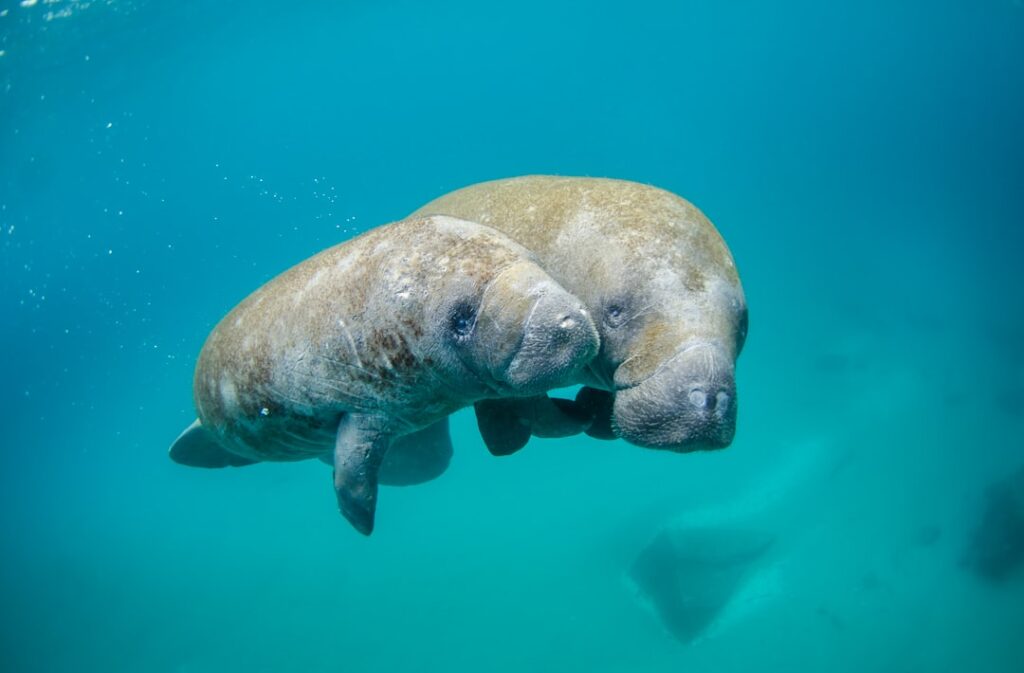
Mexico’s Caribbean coast – These serene herbivores navigate rivers and lagoons with a grace that belies their massive size. Sailors long ago confused their rounded forms for mythical mermaids, sparking legends that endure today. As Manatee Appreciation Day approaches on March 25, attention turns to these ancient creatures and the essential services they provide to aquatic environments.
Ancient Survivors in Tropical Havens
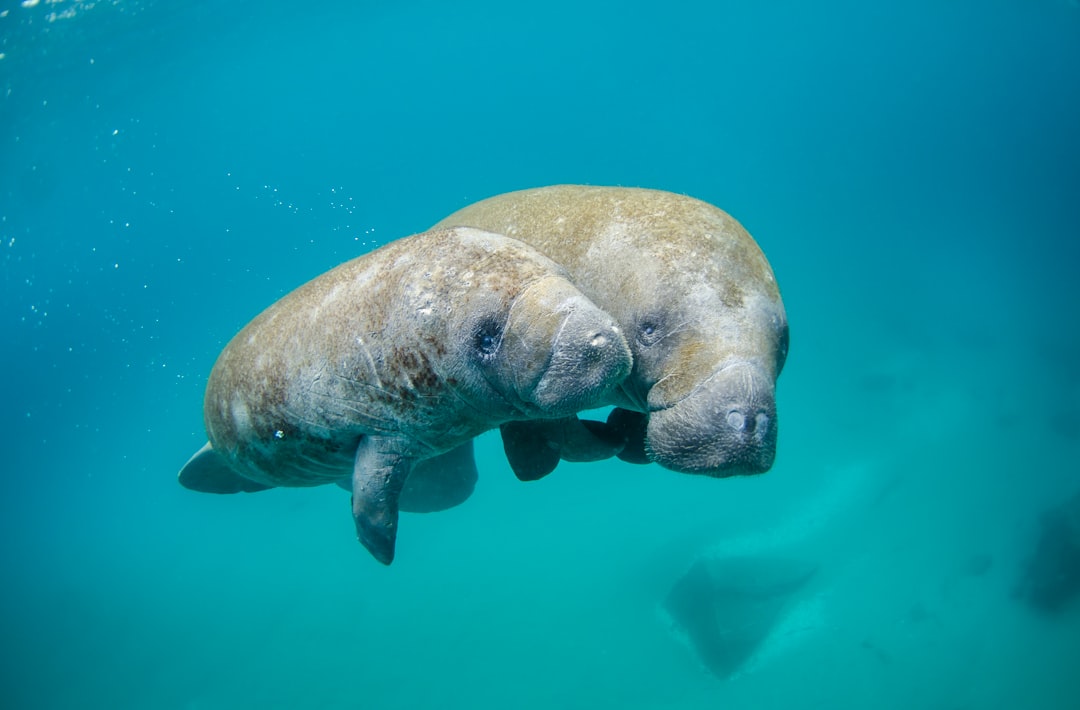
Ancient Survivors in Tropical Havens (Image Credits: Unsplash)
Manatees have inhabited warm coastal waters for millions of years, predating human presence in many regions. Known scientifically as sirenians, they thrive in the shallow, vegetation-rich zones of places like Mexico’s Caribbean lagoons and rivers. Adults typically measure 8 to 13 feet in length and weigh between 800 and 1,200 pounds, earning them the nickname “sea cows” for their docile, grazing nature.
Curious yet unhurried, manatees often approach boats or swimmers, showcasing a peaceful demeanor rare among large marine mammals. They prefer temperatures above 68 degrees Fahrenheit, migrating to warmer springs or coastal areas during cooler months. In Mexico’s Sian Ka’an region, they favor seafloor depressions and protected lagoons, highlighting their adaptation to specific habitats.
Engineers of Aquatic Balance
Manatees serve as key players in maintaining healthy ecosystems through their voracious appetite for aquatic plants. They consume up to 10 percent of their body weight daily in seagrass, freshwater vegetation, and even invasive species like water hyacinth. This grazing prevents overgrowth, which could otherwise smother waterways and reduce oxygen levels.
Their digestive process recycles nutrients back into the water column via feces, fertilizing seagrass beds and supporting broader food webs. By keeping vegetation in check, manatees indirectly aid fish populations and other wildlife dependent on clear channels. Researchers view them as sentinel species, signaling broader environmental health issues when populations decline.
- Control invasive plants, improving water quality.
- Cycle essential nutrients through grazing and waste.
- Maintain seagrass meadows critical for marine biodiversity.
- Prevent algal blooms by reducing excess vegetation decay.
- Act as indicators of pollution and habitat degradation.
Threats Looming in Pristine Waters
Despite their resilience, manatees face mounting pressures from human activities. Boat collisions remain a primary killer, with propellers causing severe injuries in busy coastal areas. Habitat loss from development, coastal erosion, and tourism erodes their feeding grounds along Mexico’s Caribbean shores.
Cold stress, entanglement in fishing gear, and poaching add to vulnerabilities, particularly for the West Indian manatee subspecies found in the region. Rising tourism in lagoons risks disturbing resting areas, while watercraft noise disrupts their calm lifestyle. Conservationists note that growing boat traffic correlates with higher mortality rates in these shared spaces.
Progress Through Dedicated Efforts
Recent initiatives offer hope for manatee populations. In Florida, numbers have climbed to over 8,350, leading to a reclassification from endangered to threatened. Rescue networks reported active interventions early in 2026, addressing cold stress and strandings.
The Wider Caribbean Manatee Alliance coordinates across nations to combat threats like entanglement and habitat loss. Efforts include speed zones for boats, habitat restoration, and public education. In Mexico, protected areas like Sian Ka’an Biosphere Reserve provide safe havens, with monitoring revealing year-round residency patterns.
Key Takeaways
- Manatees are herbivores that graze vast amounts of aquatic plants daily, preventing ecosystem imbalance.
- Primary threats include boat strikes, habitat loss, and cold stress, demanding vigilant conservation.
- Appreciation Day on March 25 underscores the need for global awareness and action.
Manatees remind us of nature’s delicate interconnections, where one species’ habits sustain entire aquatic realms. Their survival hinges on collective stewardship amid expanding human footprints. What steps can you take to support these gentle giants? Tell us in the comments.