
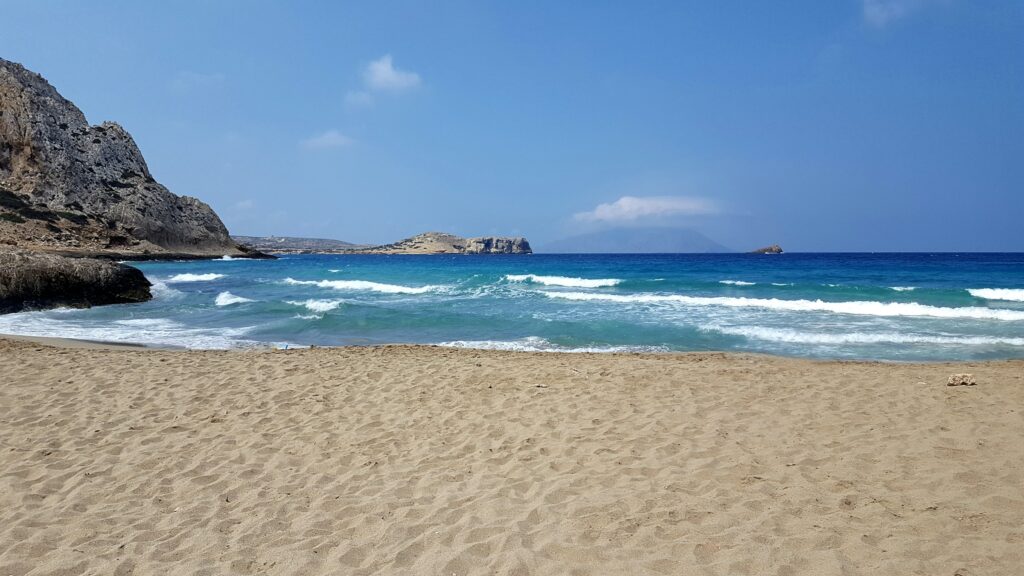
Stand on a sunny beach today and it feels timeless, like the waves and sand have been doing this exact dance forever. But geology quietly taps us on the shoulder and says: this is almost brand new. For most of the world’s coasts, the sand beneath your feet is only several thousand years old, basically yesterday on Earth’s four‑and‑a‑half‑billion‑year timeline.
Even wilder, much of the material that used to lie where those beaches are now was bulldozed, scraped, and ground to powder by glaciers during the last Ice Age. The beaches we think of as eternal are really the latest remix of ice, rock, and rising seas. Once you see that, a day at the beach stops being just relaxing and becomes a front‑row seat to slow‑motion planetary change.
Why 5000–10000 years is considered “geologically brand new”
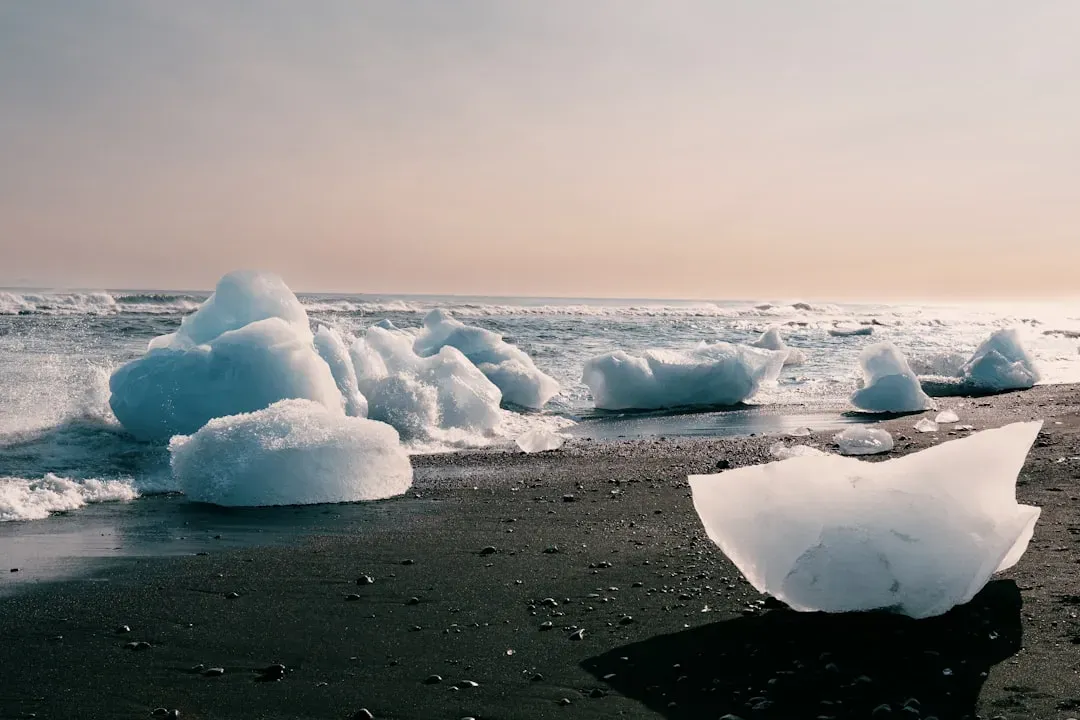
When geologists call something that is five to ten thousand years old “young,” they aren’t being dramatic; they’re thinking in Earth time, not human time. Our planet is roughly four and a half billion years old, so a beach that formed after the last Ice Age is like a final frame in a feature‑length movie. Human civilization, written history, and most of what we call “the modern world” all happened against the backdrop of these relatively new coastlines.
In geological terms, the window since the last major glacial retreat is the blink of an eye, and beach sand cycles can shift even faster within that window. Sand grains are constantly being moved, sorted, and replaced by waves, currents, and wind, so what you see on the surface has a shockingly short “residency time.” The fact that so many of today’s sandy shorelines took shape only after sea levels stabilized a few thousand years ago is why geologists don’t hesitate to call them recent arrivals.
The last Ice Age that set the stage for modern beaches
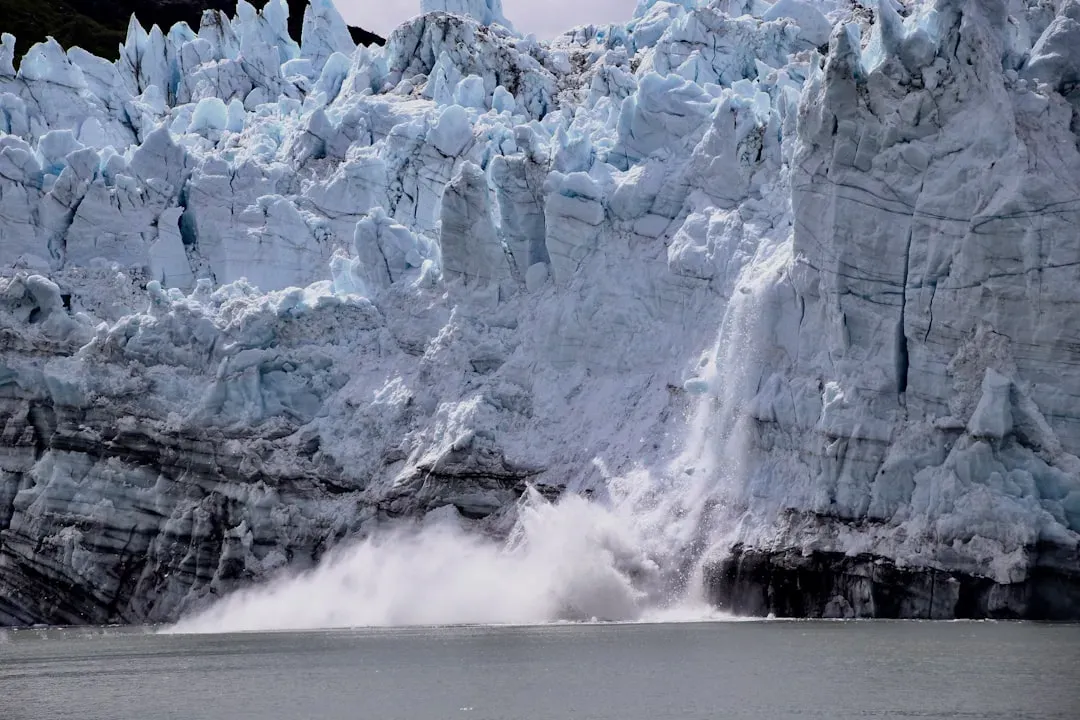
To understand your local beach, you have to roll back time to the last Ice Age, which peaked roughly twenty thousand years ago. Vast ice sheets sprawled over North America, northern Europe, and parts of Asia, in some places thicker than tall skyscrapers. These ice masses were not static; they flowed slowly outward under their own weight, acting like extremely slow, extremely heavy bulldozers.
As they advanced and retreated, those glaciers scraped off soil, chewed into bedrock, and carried mountains’ worth of broken material along with them. Imagine an endless conveyor belt of rock fragments, from giant boulders down to rock flour as fine as talc. When the climate warmed and the ice sheets melted back, they dumped this debris in thick, jumbled layers, leaving behind huge stores of raw material that would later be reworked into the sands and sediments of our present‑day coasts.
How glaciers grind rock into future beach sand
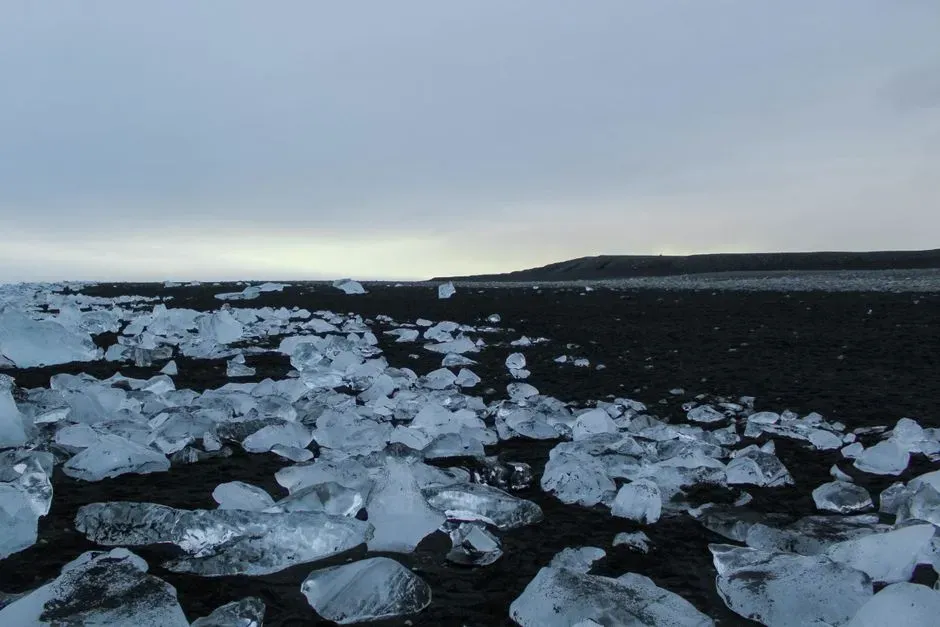
Glaciers are ruthless rock grinders. At their base, they trap stones and boulders in the ice, and as they move, those embedded rocks scrape against the bedrock like sandpaper on steroids. Over thousands of years, this scouring turns solid rock into a spectrum of fragments, from pebbles to silt to microscopic dust. The more a glacier advances and retreats across the same ground, the more finely it shreds what was once solid stone.
Once the climate warms and the glacier melts, all that pulverized material is left behind in moraines, outwash plains, and river valleys. Rivers fed by meltwater grab the finer particles and carry them toward lower elevations, including continental shelves and coastal zones. The coarser fragments might stay inland, but the sand‑sized grains are free to travel, waiting for the next stage of the journey: waves and coastal currents reshaping them into the beaches we know.
Rising sea levels: when ancient rock became modern shoreline
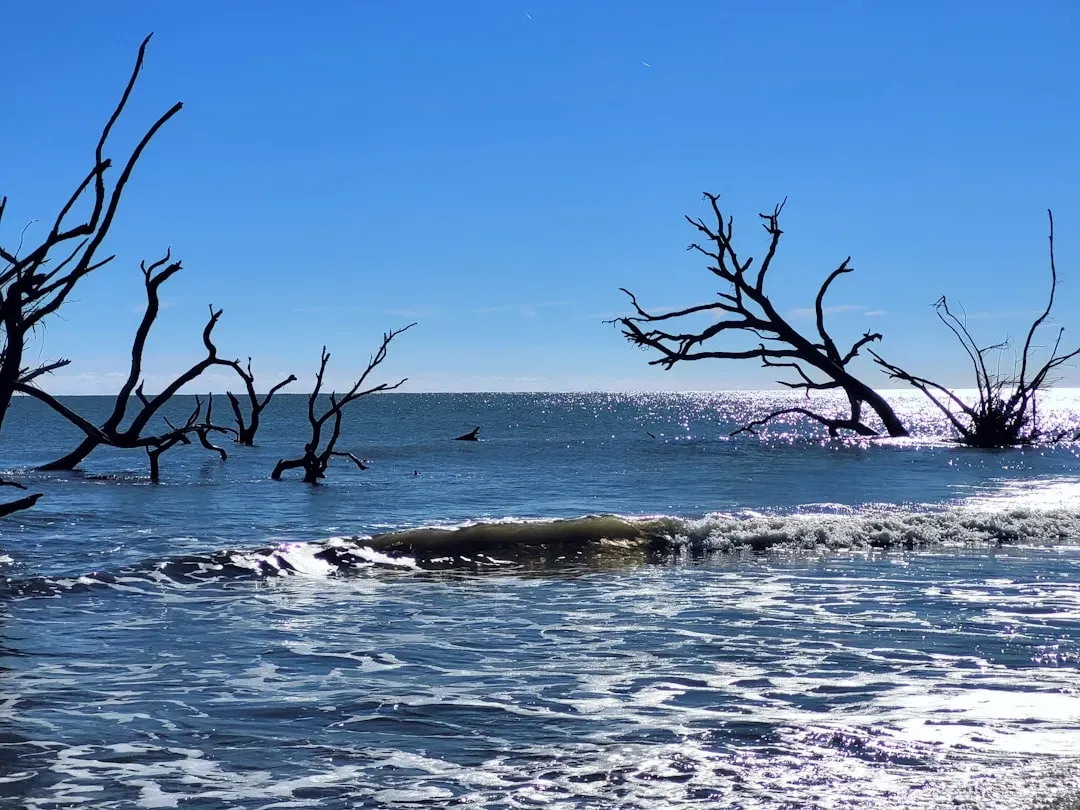
At the peak of the last Ice Age, so much water was locked up in ice that global sea levels were dramatically lower than today. Coastlines sat far out from their present positions, and what is now shallow ocean floor might once have been dry valleys or windswept plains. As the ice sheets melted and the planet warmed, seas rose steadily, flooding continental margins and creeping landward into river valleys and lowlands.
During this rise, waves and tides re‑invaded areas loaded with glacial sediments, reworking those deposits into new coastal landscapes. Sandy layers that had been sitting inland or on exposed shelves were picked up, moved, and spread out as shorelines migrated. By roughly five to ten thousand years ago, sea level had largely stabilized compared to the wild rises before, and that relatively stable period allowed modern beach systems to settle into the shapes we recognize today.
Why so many beaches are made of sand, not pebbles or mud
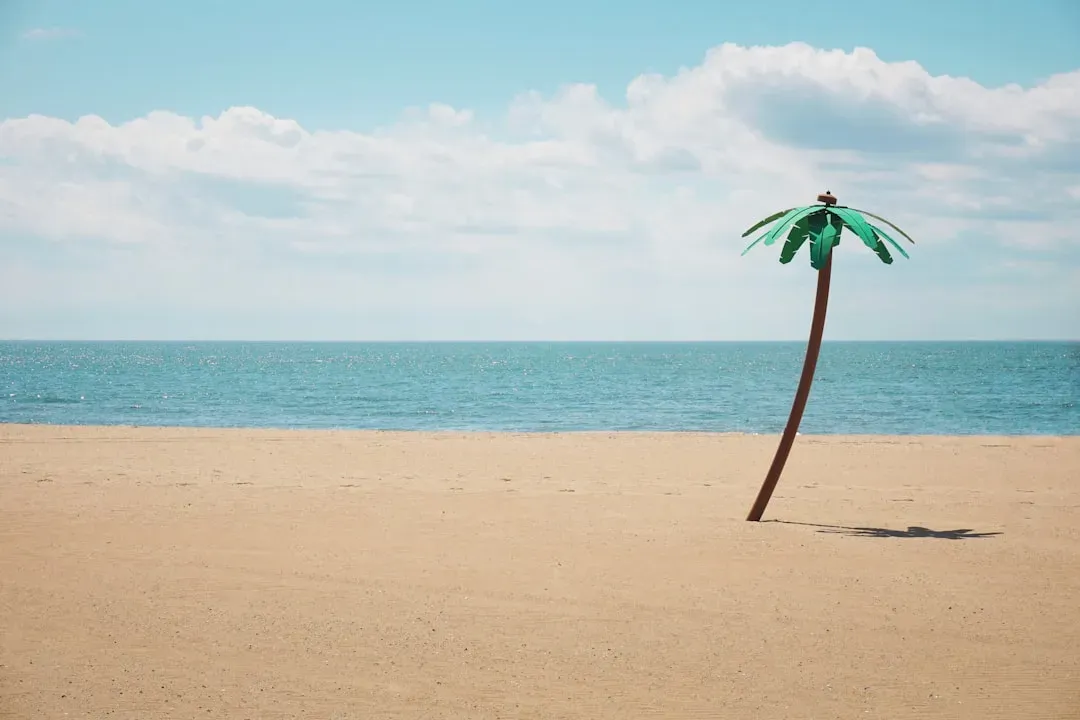
Beaches can technically be made of anything from mud to boulders, but sand hits a kind of sweet spot in the physics of waves. Sand grains are big enough that waves cannot easily keep them permanently suspended like silt or clay, but small enough to be picked up and rolled or bounced along the bottom. That balance means waves tend to sort and concentrate sand near the shore, building up broad, walkable beaches instead of steep, rocky ramps.
Glacial history helps explain why sand is so abundant in many regions. Ice sheets created huge reservoirs of mixed sediment, and as rivers and waves sifted through the debris, sand‑sized particles often ended up preferentially transported and spread along coasts. Over time, repeated storms winnowed out finer muds and left behind clean sand layers, while heavier cobbles and boulders either sank deeper or clustered in narrower zones. The result is those wide, sandy strands that feel so normal to us we forget how finely tuned they really are.
The hidden journey of a single grain beneath your feet
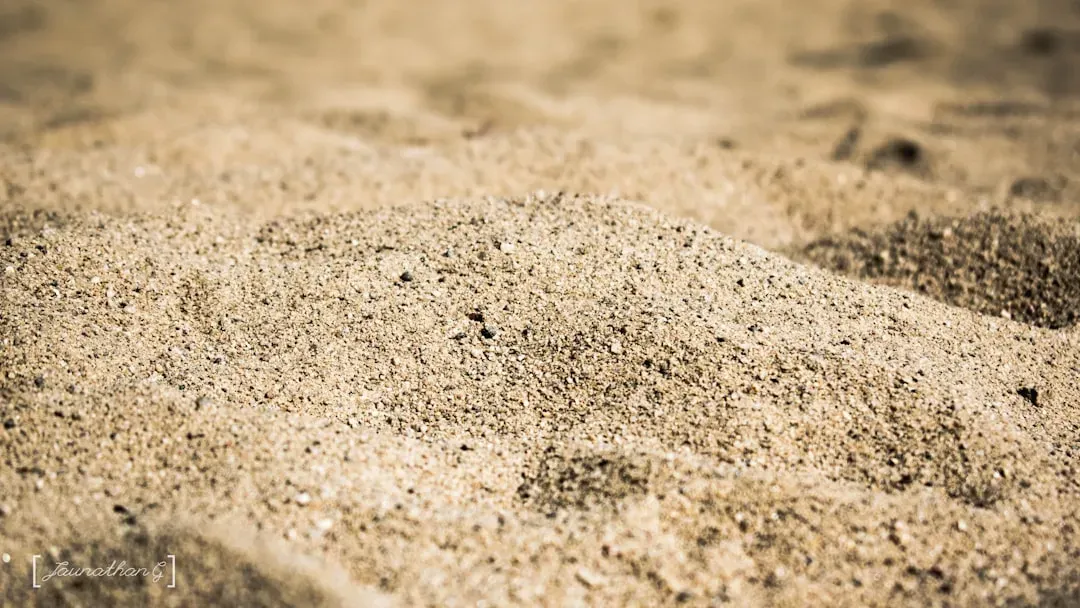
Pick up a pinch of beach sand and you’re probably holding grains that started their lives as part of ancient bedrock, maybe from a mountain range hundreds of kilometers away. In many mid‑latitude regions, that rock was first attacked by glaciers, then carried in ice, then dropped into meltwater streams. From there, rivers shuttled those grains through valleys and floodplains, knocking their edges off with every collision until they became the smooth, rounded particles we recognize as sand.
Once near the coast, waves and longshore currents picked up the story, dragging those grains along the shoreline, sometimes for surprising distances. A storm might haul them offshore into sandbars; calmer weather might push them back onto the beach. Over human timescales, the grain seems stable and permanent, but geologically it is constantly in motion, cycling between dune, beach face, and offshore bar. The “age” we talk about for beaches is really the age of this latest chapter in a grain’s long, wandering life.
What this young sand reveals about climate, coasts, and us
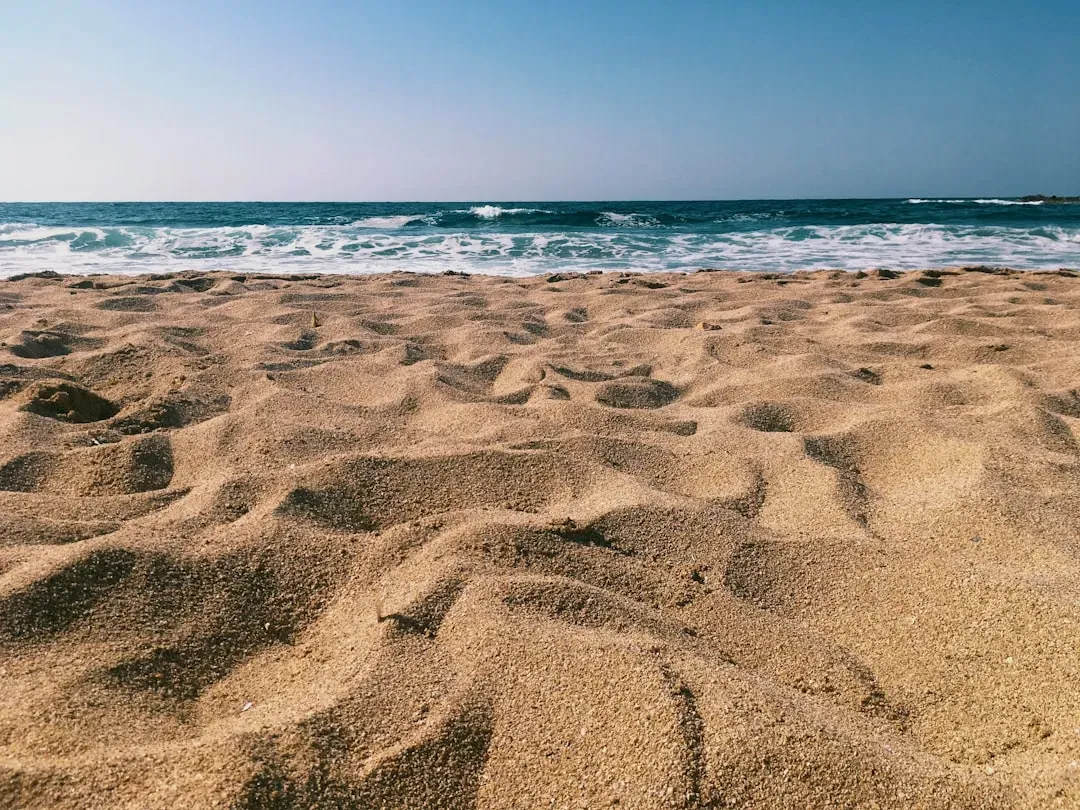
The fact that most modern beach sand is so young is a loud hint that Earth’s climate and coastlines have changed dramatically in the recent geological past. Our familiar shores are products of a particular climate phase: relatively warm, with smaller ice sheets and higher sea levels than during the glacial peak. If the climate had not warmed when it did, those glacial deposits would still sit higher and drier, and the beaches we vacation on might never have appeared in their current form.
At the same time, this youthfulness is a reminder of how responsive coastlines are to change. Because they formed in a window of post‑Ice‑Age stability, they are vulnerable when that stability is disturbed, whether by shifting storm patterns, sea‑level rise, or human interference like seawalls and dredging. In a way, the sand is like a freshly written chapter in a book that is still being edited; we are now one of the authors shaping what the next version of the shoreline will look like.
Seeing your favorite beach as a temporary, living landscape
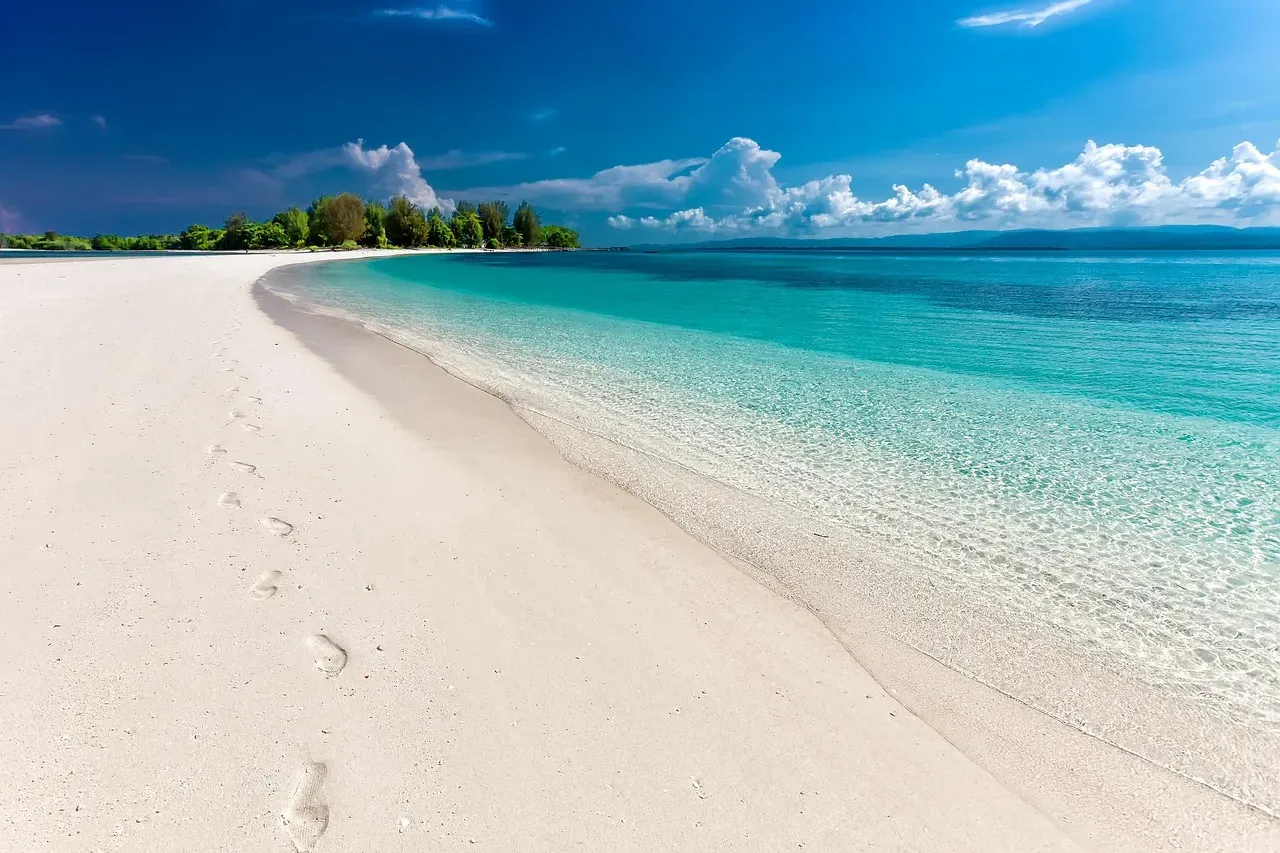
It is tempting to treat the beach you love as fixed, like a postcard that never changes, but geology insists on a different story. Beaches are more like living systems than static scenery, constantly adjusting to waves, tides, storms, and sediment supply. The same patch of coast might be wide and sandy for a few centuries, then narrow and rocky for the next, depending on how much sand is delivered and how harsh the wave climate becomes.
Once you know the sand is geologically new, it is easier to accept that the beach itself is temporary, even on human scales. Shorelines retreat and advance, sandbars appear and vanish, and entire stretches of coast can transform within a handful of generations. Instead of seeing these changes as “broken” beaches, it can be more honest – and frankly more awe‑inspiring – to see them as part of an ongoing experiment that began when the ice sheets melted and never really stopped.
Conclusion: a young skin on an ancient planet
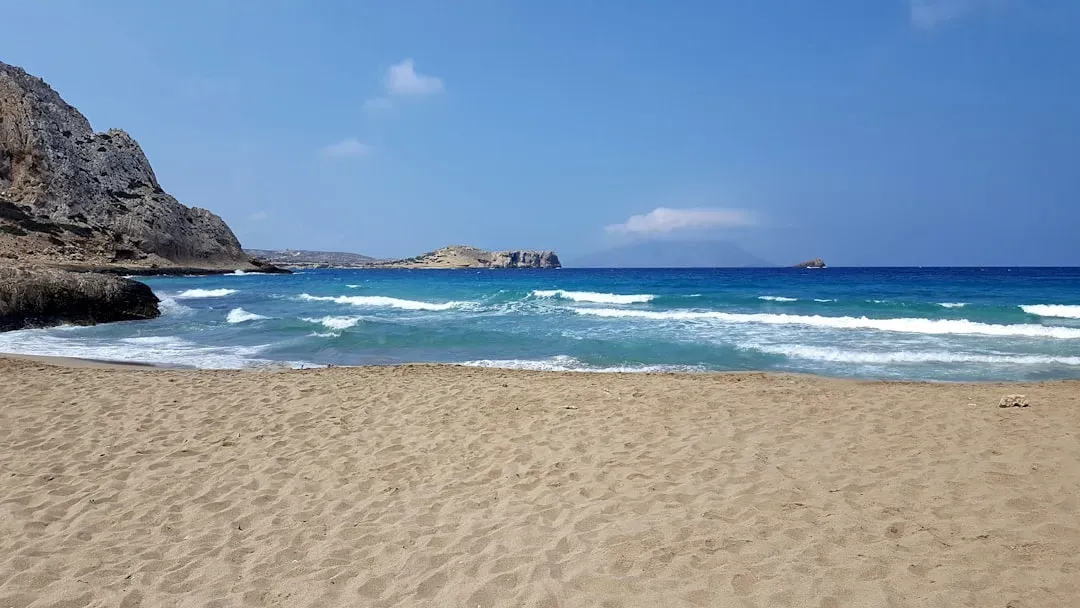
To me, the idea that most of the world’s beach sand is only five to ten thousand years old is both comforting and unsettling. Comforting, because it connects every beach walk to a clear, understandable story: ice carved rock, water moved sediment, rising seas reshaped the edges, and here we are, toes in the latest version of the shoreline. Unsettling, because it underlines how quickly coasts can change, and how naive it is to assume that the beaches we know are guaranteed to stay put.
We like to think of the Earth beneath us as solid and permanent, but standing on young sand over ancient bedrock is a humbling reminder that stability is often an illusion. This thin, golden skin is just the newest face of a planet that has reinvented itself countless times, long before we showed up and started building hotels and boardwalks. The real question is not whether beaches will change, but how much of that change we are willing to own. The next time you feel warm sand between your toes, will you still see a static paradise – or a fleeting moment in a very long, very active story?