Ghana – A dedicated wildlife observer has digitized extensive records from past expeditions, enhancing global biodiversity databases just before resuming fieldwork in remote national parks.
A Surprise Discovery Emerges from Dusty Archives
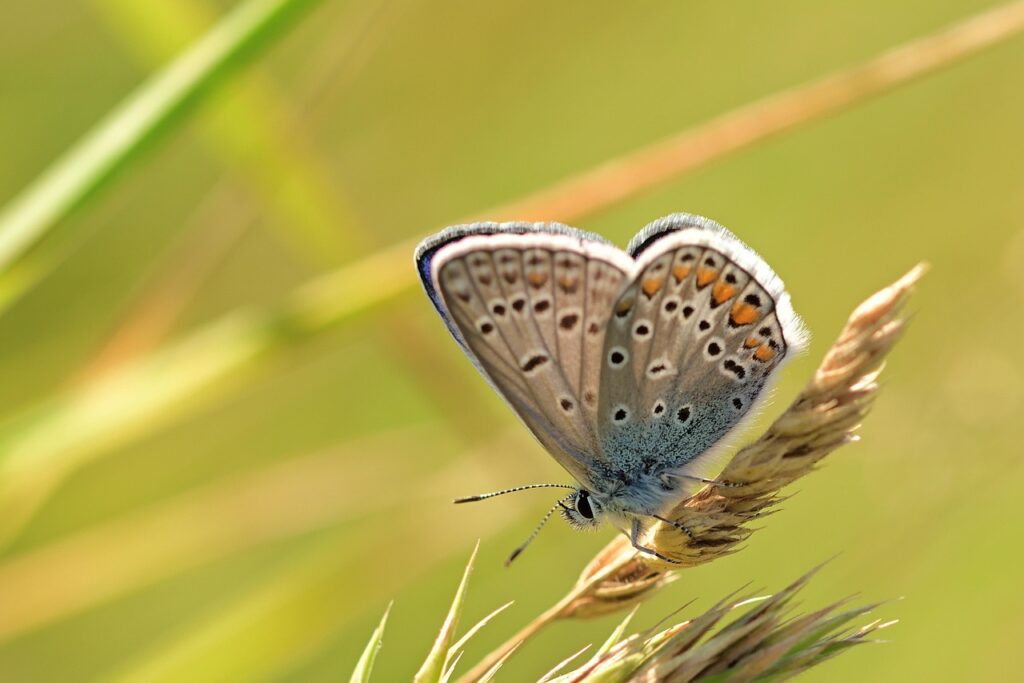
A Surprise Discovery Emerges from Dusty Archives (Image Credits: Pixabay)
While sorting through old files from a 2013 trip, the naturalist uncovered a striking specimen that artificial intelligence tentatively identified as a Tunbridge Wells Gem.
This moth, often elusive and associated with sightings near Golden Twinspots, had gone unnoticed for over a decade. The find underscores the value of revisiting historical photos in the digital age. Verification processes on platforms like iNaturalist will determine its status, but it already sparks interest among lepidopterists. Such rediscoveries highlight how past observations contribute to current knowledge.
Reviving Records from Four Ghana Expeditions
Photos of moths and butterflies from trips in 2013, 2017, 2018, and 2019 now populate a dedicated Ghana folder on iNaturalist.
The uploads bridge a gap since the last visit in 2019, interrupted by family matters and global disruptions. Internet reliability in Ghana remains a concern, yet these contributions lay groundwork for expanded monitoring. Observers anticipate community verifications to elevate many entries to research grade over time. This effort aligns with broader conservation goals by mapping species distributions in tropical ecosystems.
West Papua Trip Adds Unexpected Diversity
A recent realization prompted separate uploads from a 2022 West Papua journey, accessible via a specific project page.
The platform’s policy against shared records between users necessitated this step, revealing around 100 additional potential species. These insects from Papua’s unique habitats enrich iNaturalist’s global dataset. Processing delays mean full identifications will unfold gradually through expert input. The move demonstrates adaptive strategies in citizen science participation.
Refined Plans for Ankasa and Mole National Parks
Logistical hurdles derailed earlier ambitions to acquire and restore a wildlife plot, mirroring a successful Bulgaria initiative.
Focus now shifts to targeted exploration for challenging bird species, alongside deploying moth traps and documenting butterflies. Ankasa’s dense forests and Mole’s savanna landscapes promise rich encounters. The tropics project gains momentum with these practical objectives. Participants hope improved connectivity aids real-time uploads during the stay.
- Target rare avians in protected areas
- Deploy light traps for nocturnal moths
- Survey diurnal butterflies across habitats
- Build on historical data for trends
- Collaborate via iNaturalist for validations
Key Takeaways
- iNaturalist empowers conservation through accessible, verifiable observations from remote regions.
- Historical uploads fill critical data gaps in understudied tropics.
- Adaptive fieldwork strategies overcome logistical barriers in West Africa.
These updates not only preserve expedition legacies but also invite global collaborators to refine biodiversity insights – what role will you play in documenting nature’s wonders? Share your thoughts in the comments.