Ghana – The government revoked a 2022 regulation on December 10, 2025, that had permitted mining across nearly 90% of the nation’s forest reserves, including vital biodiversity hotspots.
A Regulation That Invited Devastation
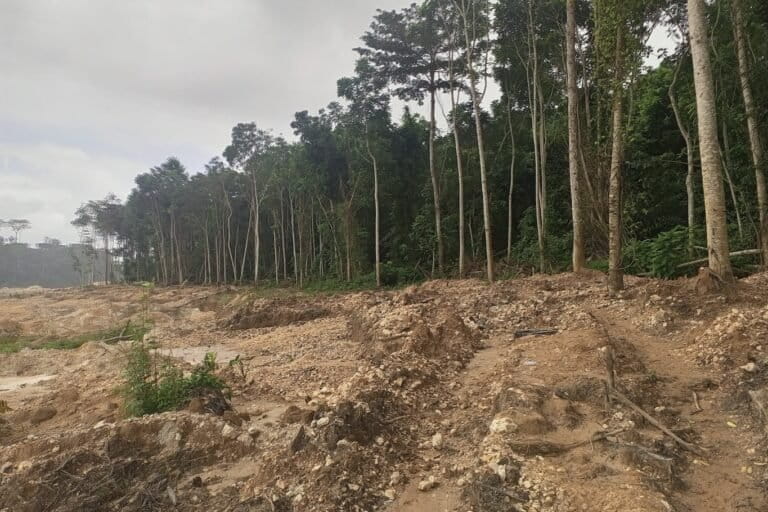
A Regulation That Invited Devastation (Image Credits: Imgs.mongabay.com)
Legislative Instrument 2462, known as the Environmental Protection (Mining in Forest Reserves) Regulations, fundamentally altered protections for Ghana’s woodlands. Previously, only about 2% of production forest areas allowed mining, with the rest safeguarded. The new rules empowered the president to approve operations in reserves spanning more than 9 million hectares, or 22 million acres.
Mining emerged as the primary driver of forest loss in Ghana, Africa’s leading gold producer and among the global top three for mining-related deforestation. Illegal small-scale operations, termed galamsey, proliferated alongside industrial activities, polluting rivers and destroying farmlands in cocoa-growing regions. These reserves supplied water to most treatment facilities nationwide, underscoring their role in sustaining communities and agriculture.
Coalition Ignites Nationwide Pushback
Environmental groups spearheaded a relentless campaign against the law, uniting diverse voices in an unprecedented effort. Civil society organizations coordinated media drives, while faith leaders, including the Catholic Church, issued strong statements. Labor unions joined a general strike, and public demonstrations filled Accra’s streets with prayer walks and petitions.
In October 2024, authorities arrested 53 protesters for 21 days amid demands to halt illegal mining. Investigative reports exposed government-linked companies encroaching on reserves during a gold price surge. This broad alliance pressured lawmakers, proving collective action could challenge entrenched interests.
- Nationwide protests and petitions rallied public support.
- Faith institutions amplified moral appeals.
- Unions enforced economic leverage through strikes.
- Lawsuits and media exposés highlighted legal flaws.
- Social media influencers broadened the reach.
Leadership Shift Seals the Victory
The 2024 elections marked a turning point. Opposition leader John Dramani Mahama pledged repeal in his manifesto, securing victory and taking office in January 2025. Lands and Natural Resources Minister Emmanuel Armah-Kofi Buah tabled the revocation instrument in Parliament, effective after a mandatory 21-day review.
Buah emphasized the commitment to pristine reserves, stating they bring rainfall, protect farms, and sustain communities. The move nullified all prior mining permissions in protected areas, aligning policy with the Forest Development Master Plan’s goal to phase out such activities by 2036. Environmental advocates hailed it as the fastest repeal in Ghanaian history.
Enforcement and Recovery on the Horizon
Challenges persist despite the win. Galamsey continues across 13 of 16 regions, evading laws through corruption and weak oversight. Restoration efforts target damaged sites like Apamprama reserve, where mining scarred up to a third of the area. The new Gold Board aims to regulate trade, with calls for timber-like traceability systems to ensure sustainable exports.
Civil society urges a National Forest Protection Strategy, integrating restoration programs like Tree for Life. International partners could aid in curbing illegal flows to markets in Europe and beyond. Success hinges on political resolve and community involvement to heal ecosystems and redirect gold wealth locally.
Key Takeaways
- The repeal safeguards over 9 million hectares of critical forests from further mining threats.
- A diverse coalition demonstrated the impact of unified activism on policy change.
- Transparent gold trading and restoration plans remain essential for lasting protection.
This reversal signals hope for Ghana’s green legacy, balancing economic gains with ecological health. What steps should follow to secure these forests for generations? Tell us in the comments.